
"It is the inherent responsibility of every physician to lead the healthcare technology business requirements and validation throughout its development process from design, development, implementation and quality assurance" — Adam Tabriz, MD.
Doctors Have Decided; Technology Is Something They Use, Not Something They Make.
But, Is It The Right Attitude? — From Blackhat Thinking To Passive-Aggressive Behavior Over Technology
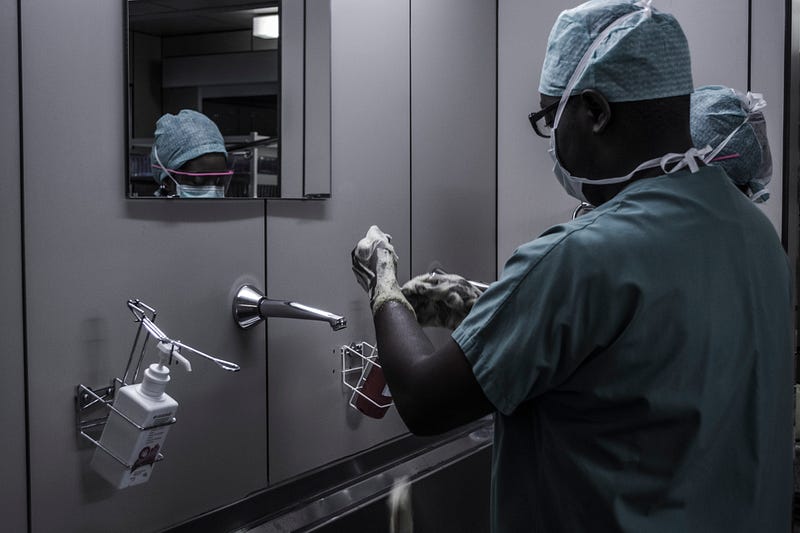
Medical Doctors are a peculiar breed of professionals. For them, medical practice is the only occupation that has earned the lifestyle label among all other professions. That is showing up to the office after waking up from a long, maybe sleepless night the day before, doing what they love the most, visiting patients. Within the long work hours, they must address administrative issues, enter data into the computer and deal with reimbursement matters. The latter is not typically what physicians have signed up for, but it is a task if they don't attend to it; they will never get paid.
The Doctor's attitude is that their lifestyle only starts and ends with making the perfect diagnosis, healing patients, and hoping patients are satisfied. They have historically denounced all the side responsibilities that are just as vital to their lifestyle and profession.
That hands-off attitude of the medical community has cost physicians dearly. That is true for the healthcare technology, more precisely, health information technology.
Today Doctors spend more time in front of computers than talking to patients; they carry out tasks that should not be part of their lifestyle but tackle daily.
Doctors' administrative burden and resulting burnout are on the rise. One can point the heap of bureaucratic responsibility to the increasing government mandates and radical shift from the fee-for-service payment scheme to the "technology-dependent" value-based payment model.
The irony of all, the technologies designed to help physicians tackle the tasks associated with the novel healthcare payment reforms fail to reduce their workload and have expanded the volume of clerical duties they must deal with to stay in business.
Doctors have renounced owning the production and validation of the information technologies of their domain based on the perception of what their lifestyle dictates. However, interestingly they ended up with another set of tasks and chores that, this time for real, should not be part of their job; "Data Entry."
I presume the medical profession seems to have turned out to be like, “if you don't take control, you will be controlled.”
Doctors are also traditionally Black Hat thinkers. That means, by trait, they are a highly conservative group of people. They avoid tasks that they may consider to have future legal, moral, unprofitable, or other ramifications. That means physicians are critical of everything and often take a passive-aggressive stance. That has not worked in their favor, at least in the past couple of decades.
Doctors understand that the current technologies are not on their side. But, they have also decided that "technology is something they use, not something they make." Then again, they resist using them. They feel overwhelmed using them, and most of all, they constantly groan about their overbearing lifestyle.
But, is being a complainer the right attitude coming from a group of respected intellectuals?
Technology will continue disrupting the healthcare domain, with or without doctors' participation. Without their active involvement in owning technology, their passive perspective will only translate into passive aggressiveness. And, such dormancy can only serve as the excuse for more government mandates to force them to do what they refused to do in the first place—only this time on the peoples' terms.
The vicious circle of doctors' reluctance to incorporate healthcare technology in their lifestyle curriculum and getting their rear side kicked by the system has long been in motion. But, the medical community can stop and even reverse the harmful consequences. That is if they change their attitude.
“The cause of physician burnout is multifaceted, but the main reason is the resistance to accept and unwillingness to change, which has become a standard trait among most practicing physicians” — Adam Tabriz, MD
Related Articles:
Healthcare Technology Rush: The major factor behind the Disconnect between Physicians
Technology for Simplification or cause of Complexity
Artificial Intelligence, Machine learning, Big data and Health Information: What you need to Know!