
Do You Watch Television While Eating? Then I Have Bad News for You
This joyful activity can lead to significant health problems
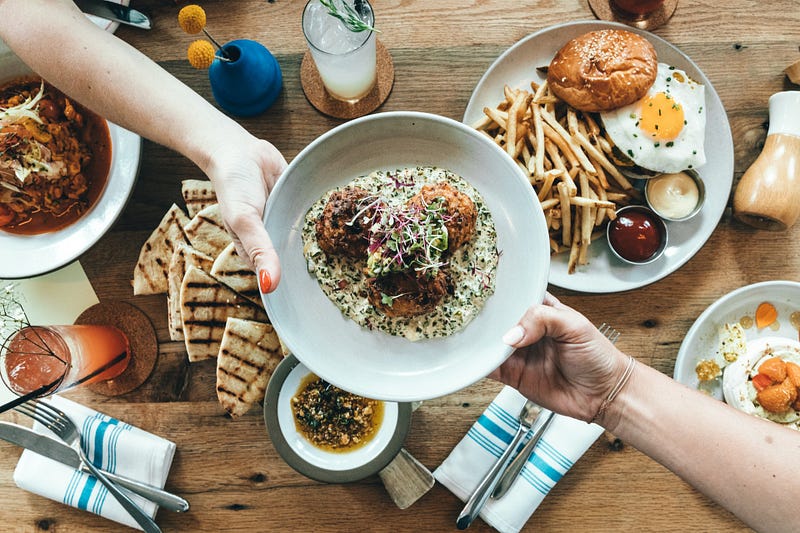
When was the last time you paid attention to your food? When did you think about every bite you took, about the color, smell, or taste of the meal?
I guess that was a long time ago — if ever.
Watching television while eating is a common habit for everyone. Whether with your family or alone, enjoying the meal along with your favorite series creates a pleasant atmosphere.
Although, not surprisingly, it comes with many downfalls for your physical and mental health.
Charles Spence, Head of the Crossmodal Research Lab at Oxford University, suggests that watching television while eating is the worst thing you can do.
If you eat in front of the television, you’re paying attention to what’s going on there, instead of focusing on your food. Because of this, you might end up eating as much as 1/3 more than you would eat without watching TV.
Television and mindfulness don’t go together. Eating while watching your favorite TV show counts as multitasking.
Multitasking makes your brain distracted, so you end up not knowing what you’ve actually eaten. Same as eating in a hurry when you eat too fast without questioning whether your food portion was appropriate.
A team from the University of Birmingham has done studies that talk about two important mental assets connected to eating habits: attention and memory.
Attention
In the studies, two groups of people received a meal. The first group was eating while watching TV, while the second group was enjoying the same meal without any distractions.
The result?
The first group distracted by TV has eaten much more than the second group.
The reason?
When you start eating, your brain needs around 15–20 minutes to process the information from your stomach whether you ate enough or not.
If you were distracted by the TV while eating, or you’ve eaten your meal too fast, your brain has difficulty processing the information about food intake.
If you don’t observe what you’re eating, you easily end up consuming way more food than your body needs.
Memory
Watching TV (or using your smartphone) while eating suppresses your brain from creating a memory of your food intake.
As you weren’t aware of your meal because of an external distraction, your brain has no evidence of eating. This might lead to overeating because your brain didn’t get a chance of creating memories.
There’s no memory track of what you have eaten and how big the portion was.
Eating while watching TV is particularly harmful to children
A review paper published in Obesity Reviews Journal reports that eating in front of the television can be one of the risk factors of overweight or obesity in childhood and adolescence.
This activity can create unhealthy eating habits in a child’s life later on as well.
The review includes 20 papers with data for over 80,000 children and adolescents. 75% of studies found positive associations between TV viewing while eating meals and overweight or obesity.
Therefore, it’s crucial to lead children to the creation of healthy eating habits from an early age.
Mindful eating without hurries and distractions is all your child needs to maintain a good attitude towards food.
Downfalls of eating in front of the TV
- this habit leads to multitasking, and multitasking creates a distraction for your brain that might end up in overeating
- without mindfulness, no attention or memory helps you track your food intake and habits
- watching TV while eating might lower your metabolism rate — if you finish the meal and you keep watching TV instead of moving, you don’t digest the food properly
- eating and watching TV at once lead to a risk of obesity, especially for children
- if you want to lose weight, you don’t have to start a special diet — sometimes, mindful eating is more important than eating less
How to become mindful when eating
If giving up on the TV while eating sounds difficult, you can start with just one meal a day that you enjoy without any distractions. Once you become confident, you can move on and apply this habit to every meal.
The tips below help you pay more attention to your meal, so you easily forget about television.
- using chopsticks — if it’s already not a familiar activity for you, it helps you to pay more attention to what you’re eating
- using heavier cutlery than usual — same as chopsticks, using heavier cutlery leads to better focus as it’s something new to your brain
- switching your hands — if you normally use the right hand to hold your spoon or knife, use the left hand, and vice versa
Conclusion
While studies recommend avoiding TV during your meals, you don’t have to give it up for good. From time to time, enjoying something small while watching your favorite TV series isn’t going to kill you.
But this should be rather an exception to the rule than a daily habit.


