
Do you want more social connections? Eat out!
How can restaurants help boost the number and quality of our social connections?
Today, I have three adults — not children, and many adult friends, so I look for restaurants that have a relaxed atmosphere with no imposed timeline pushing us through our meal too quickly. A place that allows me to make eye contact and hold a conversation with someone I’d like to get to know better.
Years ago, as a young mother with three children four years apart from top to bottom I would have answered this question differently. I wanted a playroom or crayons and a paper tablecloth, items to keep small hands and minds moving and allow me some space to connect in a small way with other adults.

Although the answer to the question of what I want in a restaurant shifted as I moved from one phase of life to another, in reality, there is a common denominator. When I go to a restaurant, I look for opportunities to make new social connections, in a small or more significant way. This has been a constant.
Social connections are a basic need
Social connections are critical to physical and psychosocial health. The concept that social connections strongly influence our overall well-being is not a new one, but it has had the limelight lately.
Every day, we are exposed to a range of social connections, from micro-moments like short conversations with a store clerk, to more sustained experiences such as visits with close friends. All of these interactions affect our overall well-being. There are links between all types of positive social connections and lower rates of anxiety and depression, higher self-esteem, and greater empathy. In addition, strong relationships boost our immune systems.

In contrast, social isolation and loneliness are detrimental to our health and are associated with higher rates of chronic disease, disrupted sleep patterns, elevated blood pressure, mental health conditions, and increased mortality risk.
Restaurants create opportunities for social connections
Restaurants today provide a multitude of opportunities for social connections between and among their guests, their staff, and their local community. The concept of our restaurants as a gathering place is so embedded in our society that the entertainment industry often borrows the notion. Who remembers Sam greeting Norm every week as he entered Cheers in the Boston-based sitcom? Or who has listened to Scenes from an Italian Restaurant by Billy Joel and imagined an intimate physical space?
Were restaurants intended to be community spaces?
The concept of selling food for profit dates back to ancient civilizations when street vendors sold bread and wine in Rome and hot food and drink was sold in a local thermopolium in Pompeii. However the very first sit-down, get-catered-to establishments were roadside taverns and inns in Europe and China during the Middle Ages and Renaissance periods. These inns catered to peasants and farmers traveling to the market and were created out of necessity, not specifically designed for gathering. Meals were served at a common table and every night the “menu” was the chef’s choice.
The 16th century brought multi-course tasting menus in a few locations, including Asian teahouses. But it was not until the 18th century after the French Revolution that eating establishments intentionally offered a place to gather. First to arrive on the European scene were “Bouillon Shops”. Their focus was a slow-simmered bone broth thought to be reinvigorating and restorative, or as the French say, “restaurer”. ‘Restaurant’ in those days referred to a thing (bouillon), not a place.
It was not until a group of eateries began popping up after displaced gourmet chefs from the kitchens of the guillotined aristocracy found themselves out of work, that places for dining were coined restaurants.
By the late 18th century, Americans were also ‘eating out’, though, in America, the term ‘restaurant’ did not become commonplace until much later. Today, there are more than 1 million restaurants (full and quick service) in the United States, employing 15.6 million workers with an estimated $564.8 billion in sales (actually $334.2 billion less than the pre-pandemic projection, but that’s another blog topic!).
Integrating social connection into the dining out experience
Integrating social connection into the dining out experience is a win-win for restaurants and their guests. Some examples of opportunities to foster connections between and among restaurant guests, staff, and local communities include:
- Provide a space to hang out: Restaurants can serve as a ‘third place’ for people to gather, away from home and work. Providing an area for guests to drop in and chat without any obligation to stay for a full meal allows for causal visits, a cup of coffee mid-walk, a glass of wine while waiting for a take-out meal, or a half-hour visit before an appointment. Hanging out spaces can foster a loyal customer base for the restaurant while also creating community and satisfying guests’ hunger-to-belong.
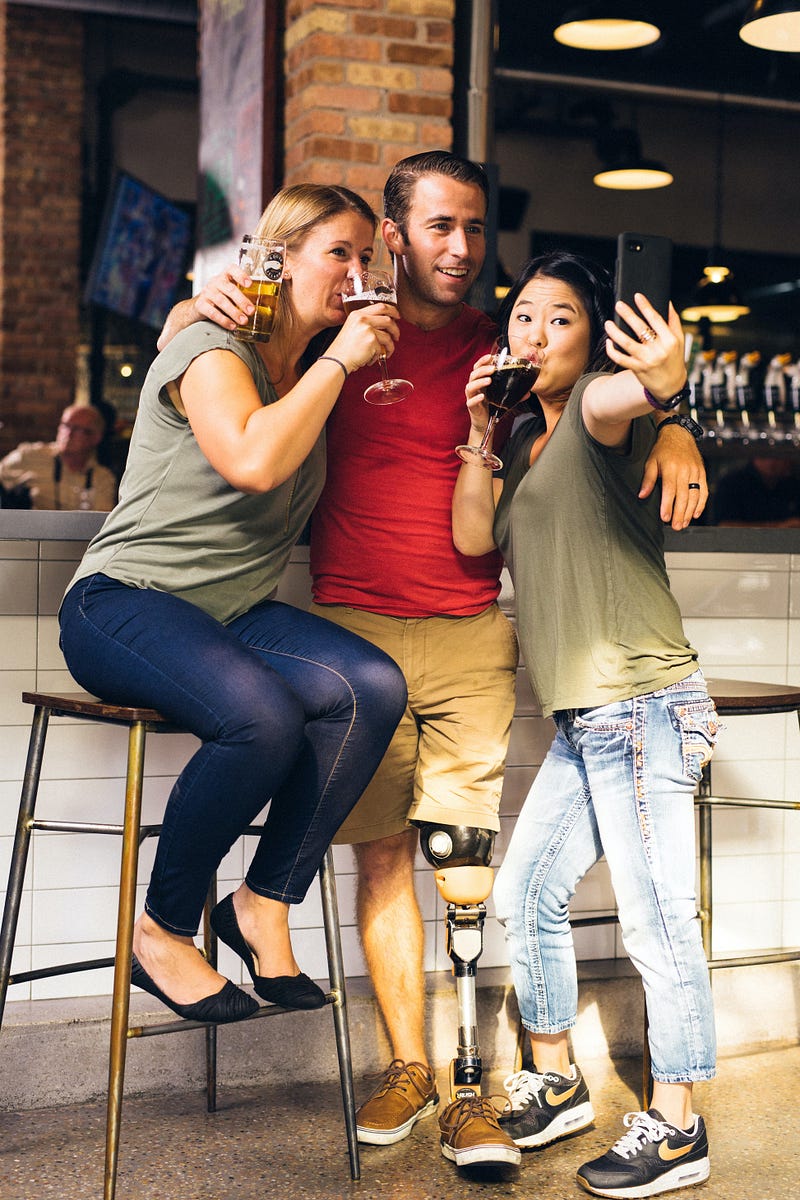
2. Start a loyalty program: Loyalty programs engage guests and encourage repeat visits to an eatery. For example, tavern mug clubs entice guests with discounts and access to private members-only gatherings, creating an intimate community and a predictable stream of business. Similarly, trivia nights brought over from the UK in the 1970’s bring in guests on slow nights, and by adding a ‘team’ approach to the activity, it is a built-in community builder.
3. Communal tables: Communal tables are a social equalizer and bring people together that would not ordinarily meet. Inviting diverse diners to sit at the same table can stimulate cross-party dialog and foster connections. By providing a point of intersection for a solo diner or people looking to expand their experiences, communal tables create unique opportunities for connections while also increasing the seating capacity for a restaurant.
4. Beyond the Food: Integrating local artists, visual and musical, can lead to rewards for both restaurants and guests. Restaurants can support community members by showcasing local artists and honoring them when a piece of art sells. In addition, guests are entertained by the ever-changing art exhibits, giving them another reason to frequent the eatery.
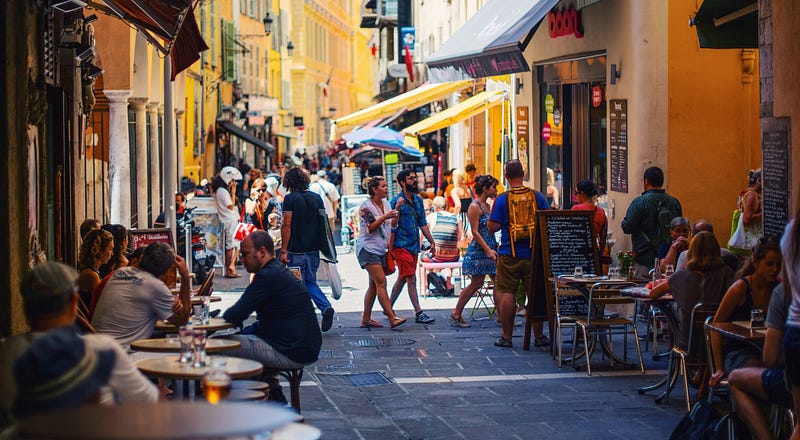
5. Curb Appeal: Outdoor spaces provide opportunities for customers and passers-by to connect, fostering a neighborly atmosphere. Places with inviting patios function as a semi-public community space where you are more likely to see and connect with others in your neighborhood. As a bonus, research shows those small incidental greetings such as a contagious smile help to improve moods. Opportunities to dine where other people pass by can increase our chances of receiving, returning, and paying forward such unexpected smiles!
6. Be a Good Samaritan: In addition to the more traditional ‘Good Samaritan’ acts such as donating meals to those in need, eateries that go an extra step or two for guests win their loyalty. For instance, when there is a special celebration, forgoing an uncorking fee for the celebrants ensures their return to dine again. Likewise, a surprise complimentary taste of a new menu item or a birthday treat fosters goodwill and feelings of belonging.
7. Community Voices: Providing a safe forum for staff and guests to make suggestions fosters community. Suggestion boxes and customer polls allow a restaurant to hear and react to suggestions about space configurations or menu items. Meanwhile, guests and staff offering ideas tend to feel valued.
Let’s get together and dine out!
Done thoughtfully, restaurants can provide vital community spaces and promote camaraderie and community. Some guests may prefer to remain in personal silos, dining at individual tables, or even in individual spaces. However, other guests — like me — may crave new social connections, and adding opportunities to do this into the dining out experience could be popular. Society’s recent emphasis on social health and relationships presents a unique opportunity for restaurants to increase their fan-base by feeding guests’ hunger-to-belong not just their need to eat!


