
Do You Struggle with Prayer?
Simplify your relationship with God by following Christ’s example

Every now and then I’ll find myself restless and wide awake at 2 am. A never-ceasing stream of thoughts, in some cases anxiety-provoking, enter and exit my mind without regard for a healthy night’s rest. After this runaway train of consciousness leaves the rails I’ll finally remember how to find peace and comfort at the moment.
Through prayer.
Yet for many Christians, prayer can be a daunting concept. We ask ourselves a slew of questions about prayer and in the process, build up the time for us to connect with God as a challenge to perfect, not a gift to enjoy.
So the problem remains, how does one pray? The answer can be found in a simple, easy to follow acronym:
P-R-A-Y
You may have learned this years ago in Sunday school and have since forgotten. For others, this might be a completely new concept. However for all, the P-R-A-Y model could be the guide needed to ignite your relationship with God, a means to take your faith in Christ to previously unexplored and enriching territories.
A gift that’s hard to grasp
I’ve had many conversations with others about how prayer can be awkward at first. Much like the wobbly, unconfident early stages of learning to ride a bike, prayer can feel like an unfocused conversation with yourself.
To make matters worse, we are told that prayer is an essential part of our relationship with God. This is the gift we’ve been offered as a way of communicating directly with God; developing our faith and proclaiming our dependence and trust in our sovereign creator.
In fact, Jesus (God himself!) prayed regularly. As scripture states:
And they went to a place called Gethsemane. And he said to his disciples, “Sit here while I pray.” — Mark 14:32 ESV
It’s easy to take Jesus’ example and think to oneself, “If Jesus, God himself is praying, what chances do I have at getting it right?”
A daunting conversation with God
The last thing Tom Brady needs is another comparison to Jesus, yet this might be the easiest way to encapsulate how many feel about prayer.
Tom Brady has won seven(!) Super Bowls, and I sure as heck am not Tom Brady.
Now imagine if you were sitting in the stands when Tom Brady went down with a critical injury and for one reason or another, YOU were picked out of the crowd to replace him.
Yeah, good luck with that.
Christians will often take a similarly daunting approach to prayer. We’ll ask ourselves:
- Who am I to talk to God?
- What do I pray about?
- How long do I pray for?
- Can I ask for things during prayer?
- Am I supposed to be praying for others?
- Is God actually listening to me?
Even though we are given the roadmap to prayer by Christ himself, you’re not a “bad” Christian for struggling with the concept. Prayer can feel like a one-way conversation, one where we’re peppering God with our thoughts but not feeling a whole lot in return. We begin to feel as if we’re just talking to ourselves, which is discouraging when we come to understand how broken we all are.
The temptation then is to avoid prayer, or maybe at best recite prayers as passed down by tradition. There is nothing wrong with praying the Our Father or the Apostles Creed, however, if reciting these prayers feels more like a task than a purposeful connection to God, you’re missing the gift given to you.
Take the time to P-R-A-Y
Unlike his sacrificial death and resurrection, a rescue mission that saves all who believe from eternal death, Jesus’ examples of prayer are just that, examples. The most well known and perhaps best example can be found in the Our Father:

Pray then like this: “Our Father in heaven, hallowed be your name. Your kingdom come, your will be done, or earth as it is in heaven. Give us this day our daily bread, and forgive us our debts, as we forgive our debtors. And lead us not into temptation, but deliver us from evil…” — Matthew 6:9–13 ESV
As previously mentioned, prayer has been given to us as a gift from God, a means for us to have a direct line of communication with him. Jesus practiced this on the regular during his time with us, and we are called to do the same.
To make prayer easy and approachable, we can follow the P-R-A-Y model, a model that aligns with the method taught to us by Jesus in the Our Father.
Praise
Begin your prayer by praising God for all of the ways in which you’ve been blessed. Praise God for giving you peace in times of trouble and for providing comfort through the anxieties and stressors of the world. If a financial hardship has been relieved, praise God. If you or a loved one is facing a grave cancer diagnosis, praise God for the gift of eternal life. Start your time of prayer by praising God in all ways possible for all things are made possible through him.
Repent
Next, check your heart. Humbly confess to God all of your sins. Ask God to use the Holy Spirit to reveal to you the sins that you were unaware of, and that the Holy Spirit would work within you to steer you away from future sins. Yet as we are humans, we will disregard the prompting of the Holy Spirit and thus, must make the asking of forgiveness a routine part of our prayer life.
Ask
Yes, we are indeed allowed (and encouraged) to ask God for the things we need in our lives! As Jesus states:
Whatever you ask in my name, this I will do, that the Father may be glorified in the Son. If you ask me anything in my name, I will do it. — John 14:13–14 ESV
Now, this does bring a level of responsibility to what we ask for. Pay attention to “that the Father may be glorified in the Son.” Before asking in prayer ask yourself, “Does this request bring glory to God?”
For example, if you’re asking God to enable you to win the lottery so you can buy the car that will bring you happiness, I’d have to guess that glorifying God isn’t the reason for your ask. However, if you’re asking God to give you peace from the anxieties and tensions related to crippling debt, you’re allowing God to exemplify his glory in your life. Test your requests from the lens of God’s glory and you’ll soon come to see just how blessed you truly are.
Yield
This may be the most difficult part of the P-R-A-Y formula; take time to quietly yield to God. Allow God to speak to you through the Holy Spirit. This is where prayer goes from feeling like a one-way conversation to a true line of back and forth communication. As Paul writes in 1 Thessalonians:
Do not quench the Spirit. Do not despise prophecies, — 1 Thessalonians 5:19–20
When you yield to God in prayer you allow him to speak to you through the Spirit. This takes time and practice to truly feel, but as you develop a healthy habit around prayer, you will begin to understand exactly how the Spirit speaks to you.
Paul warns, however, to not “despise prophecies.” In short, you might not like what God has to say. He may be prompting you to end an unhealthy relationship. God may be leading you into a stormy season in life that must be faced for your ultimate benefit. But always remember, God loves you and has your best interest at heart, and that is something you must find confidence in.
The P-R-A-Y formula is not the end-all-be-all to prayer. This is simply an easy, Christ-tested model for you to follow in order to build a habitual prayer life. Soon you’ll come to realize that prayer can be more flexible and intertwined with everyday life, but by following this model you can take the first step in deepening your relationship with God.
One element of prayer that must not be overlooked is what our relationship with God looks like. As again exemplified by Jesus, we are to truly come to God in intimacy and obedience as we would our own fathers:
And he said, “Abba, Father, all things are possible for you. Remove this cup from me. Yet not what I will, but what you will.” — Mark 14:36 ESV
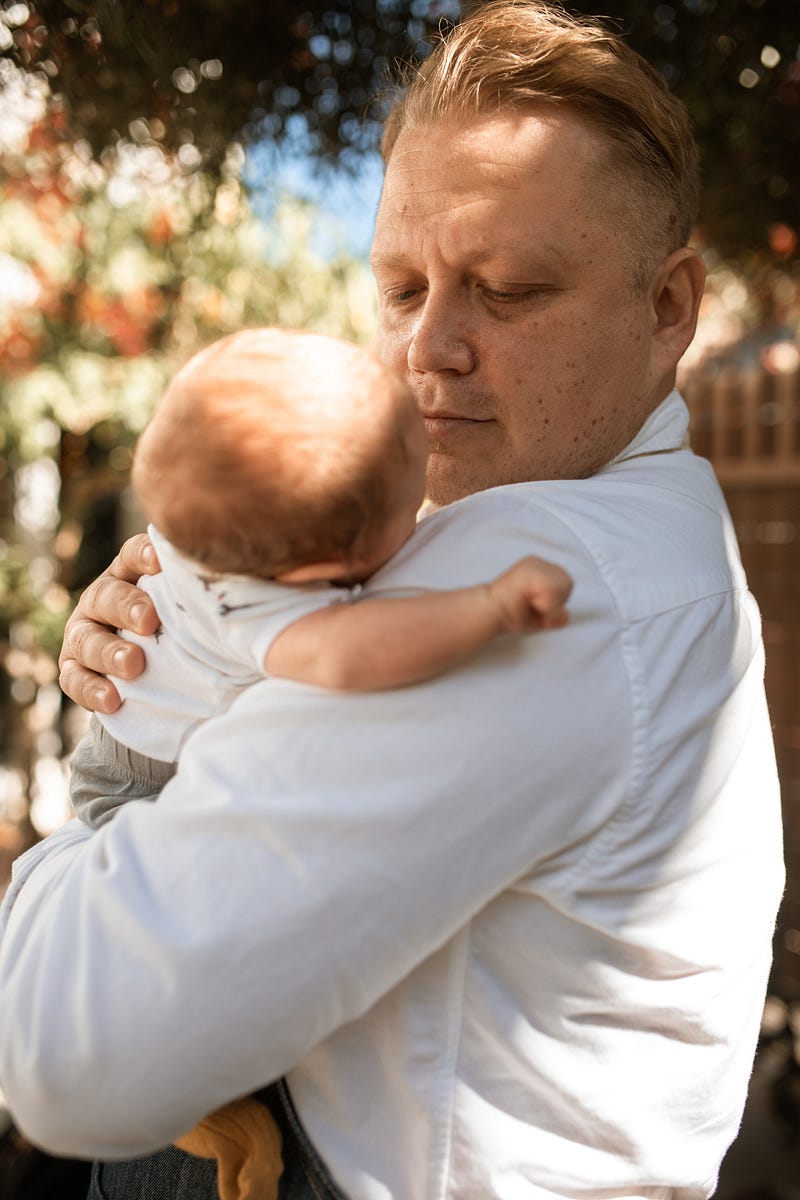
Pay close attention to the word Abba. While this word doesn’t exactly translate to “daddy,” it is a word that illustrates the intimacy of our relationship with God. When we come to understand that God is not the judgment-wielding, unapproachable holder of our eternal lives, but is actually our father, our dad, prayer suddenly becomes easier and more personal.
While living a Christ-oriented life goes beyond the habit of prayer, it’s through prayer that we develop an intimate relationship with God our Father. Through prayer, we are prompted to deepen our understanding through the study of scripture, to be active members of our church communities, and to strive to bring others to Christ. It is through prayer that our faith is emboldened and as we can find in the Book of Hebrews:
Now faith is confidence in what we hope for and assurance about what we do not see. — Hebrews 11:1 NIV
Through faith we can live confident lives, knowing that our debt has been paid by Christ and that we are saved by him. So if you are someone who has struggled to find this in your Christian journey, renew your prayer life through the model of P-R-A-Y. Come to know your father, your dad, and let his peace and mercy wash over you.


