
Longer responses when you say “Please” and “Thank You” to AI?
Can our etiquette shape the way AI responds to us, and does it affect our behavior in return?
Many prompt engineers and AI users secretly confess to using “please” and “thank you” when interacting with AI models, sometimes accompanied by a little chuckle or a joke about placating our future robot overlords. But is there a basis in fact? Can our politeness and decorum guide AI output?
As AI assistants become increasingly integrated into our daily lives, it’s natural for us to wonder how our interactions with these sophisticated language models might be influenced by good manners. After all, words matter — and AI models, like GPT-4, function based on language patterns.
You instruct the AI how to behave toward you not just with your prompts, but through your word choices. When you use etiquette, you set the tone. Here’s why “please and thank you” might not just be so silly after all.
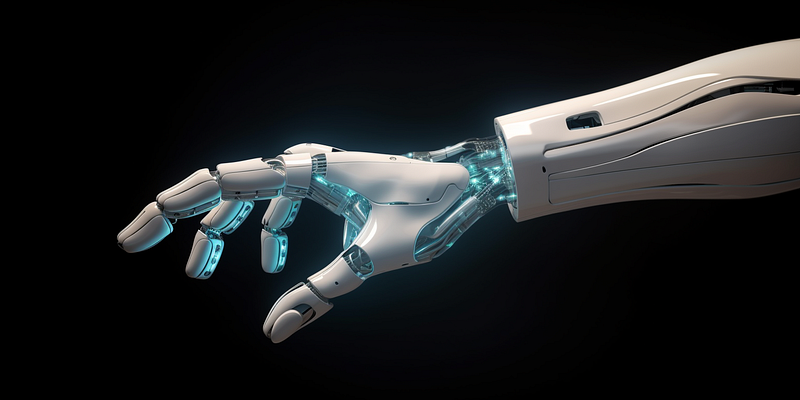
Why “please” is still the magic word in prompt engineering
Incorporating polite language like “please,” can lead to more cooperative responses from AI models. They are designed to understand and respond to various linguistic cues, including politeness, and using etiquette can help establish a more positive and cooperative tone in the conversation.
The power of “thank you” and positive reinforcement in prompts
Using positive feedback — such as saying “thank you” in a prompt chain — subtly signals to the AI that its previous response was on the right track.
This could influence the model to continue providing similar types of output or maintain its line of reasoning. Expressing your gratitude may encourage more of the desired output. It functions as a project debrief:
AI don’t have feelings…
It’s worth noting that AI models like GPT-4 do not have emotions or personal preferences. The model’s primary goal is to provide useful, relevant, and contextually appropriate replies based on training data.
While politeness might influence responses, the quality of the output provided will still depend on the model’s understanding of the subject matter, and the clarity of the prompt itself, as well as any seeded info.
Remember while AI models can mimic human-like interactions, they don’t have the same emotional or cognitive processes that allow humans to learn and adapt from individual conversations or experiences. AI models are pre-trained and do not learn from specific interactions with users in real-time.
They won’t perceive politeness in the same way humans do, and courteous gestures in human interactions won’t have an impact on machine learning.
… but maybe be nice anyway?
While the AI’s learning won’t be changed by the courtesy of a conversation, our brains can be. There’s science behind this. Studies found that abusing a robot could make you a crueler person. Maybe our brains haven’t evolved to recognize that artificial technology is just that: fake. We instinctively treat AI like humans. There’s research saying we treat female and male computer voices differently, and even form attachments to robots.
The chat interface is anthropic; AI emulates sentient interaction by design. What do we learn, subconsciously, when we communicate with a machine?
Practicing Gratitude and Mindfulness in AI Interactions:
We don’t want to get into bad habits that may make us callous, and change how we feel about humans and ourselves when we inadvertently attribute feelings to AI. It doesn’t matter that AI doesn’t feel; it’s our treatment that defines our behavioral patterns, especially when AI is serving our needs.
Practice gratitude. Our interactions with AI are a good opportunity to train mindfulness, instead of demanding instant obedience. Have a moment of wonder, and be thankful for the human intelligence that created the tech.
Do you say “please” and “thank you” to your AI? Let me know in the comments!
Who is Jim the AI Whisperer?
Jim the AI Whisperer offers advanced training in how to use AI generators to create stunning visuals, as well as how to write original and compelling content. If you’re interested in discovering more, feel free to contact me.
I’m also available for journalism opportunities, podcasts, and interviews.


