avatarGarrett Elson

Free AI web copilot to create summaries, insights and extended knowledge, download it at here

2008

Abstract

the power a correctly harnessed hatred for losing can hold and how triumph can be born from the ashes of defeat.</p><blockquote id="3826"><p><a href="https://www.usatoday.com/story/opinion/2020/01/28/kobe-bryant-triumphs-born-from-failures-defeats-column/4591952002/">In 1997, 18-year-old Kobe Bryant had the ball in his hands in the final moments of a must-win playoff game against the Utah Jazz. He shot with the confidence we have all come to know, but on this night, instead of game-winning glory, we got four air balls and the Lakers lost in overtime 98–93</a>.”</p></blockquote><p id="67fd">Kobe failed. His team trusted him to take the winning shot and he let them down. He could have hung his head in defeat, given in to the dark side of hating to lose, and avoided failure by never shooting again. His story could have ended right there. But it didn’t.</p><blockquote id="1cb6"><p><a href="https://www.usatoday.com/story/opinion/2020/01/28/kobe-bryant-triumphs-born-from-failures-defeats-column/4591952002/">It was a ‘turning point’ for Kobe, who would spend the entire off-season working on his shot ‘until the sun came up.’</a></p></blockquote><p id="fa15">He decided to do whatever it took to not let himself feel that pain again. He harnessed the anger and frustration that comes with losing by manifesting his hatred for losing into a second-to-none work ethic. Kobe would go on to make <a href="https://clutchpoints.com/lakers-video-kobe-bryants-game-winners-two-minutes/">36 game-winning shots</a> and cement his legacy as one of the greatest to ever pick up a basketball.</p><blockquote id="71c6"><p><a href="https://www.usatoday.com/story/opinion/2020/01/28/kobe-bryant-triumphs-born-from-failures-defeats-column/4591952002/">“He used the biggest defeat of his career as fuel to motivate him and to remind him of what defeat feels like. He didn’t fear failure. He immersed himself in it.”</a></p></blockquote><p id="4f22">In cognitive psychology, <a href="https://en.wikipedia.org/wiki/L

Options

oss_aversion">loss aversion refers to people’s tendency to prefer avoiding losses to acquiring equivalent gains.</a> In other words, people have a greater emotional response to losing than they do to winning.</p><p id="9ea9">Motivation is closely linked to emotions. Strong emotions have greater motivational potential. Therefore, when a hatred of losing is properly harnessed, it can be a far superior motivational force than a love for winning.</p><p id="294a">From my own experience, the emotions elicited from striking out with the game on the line were much stronger than those elicited from hitting a walk-off home run. The positive emotions that came with winning were fleeting.</p><p id="793d">Simply having the desire to accomplish something is not enough. It was not the euphoria of hitting a home run that drove me to spend countless hours in the batting cages working on my craft during the off-season. Instead it was the memories of striking out that pushed me to improve my game.</p><h1 id="2b9d">Conclusion</h1><p id="00b3">Everyone loves to win. In fact, I have never met a person that liked losing or hated winning. So it tells me little about the person if their answer to this question is that they simply love to win. That is not to say that there is anything wrong with loving to win, but when you just love to win and losing doesn’t bother you, it’s easy to become satisfied with “good enough.”</p><p id="0bac">There is never an excuse for being a sore loser, but you shouldn’t be happy about it either. Be gracious in defeat. Tip your hat to the other team. Then go to work to make sure it never happens again.</p><p id="ed27">In the end, failure is a far better teacher than success. A love for winning will only take you so far. However, If you are able to use your hatred for losing and draw motivation from your failures, without letting adversity and negativity erode your confidence or keep you from playing the game, you give yourself a chance for greatness.</p></article></body>

Love to Win or Hate to Lose?

Why Hating to Lose Trumps Loving to Win in the Pursuit of Greatness
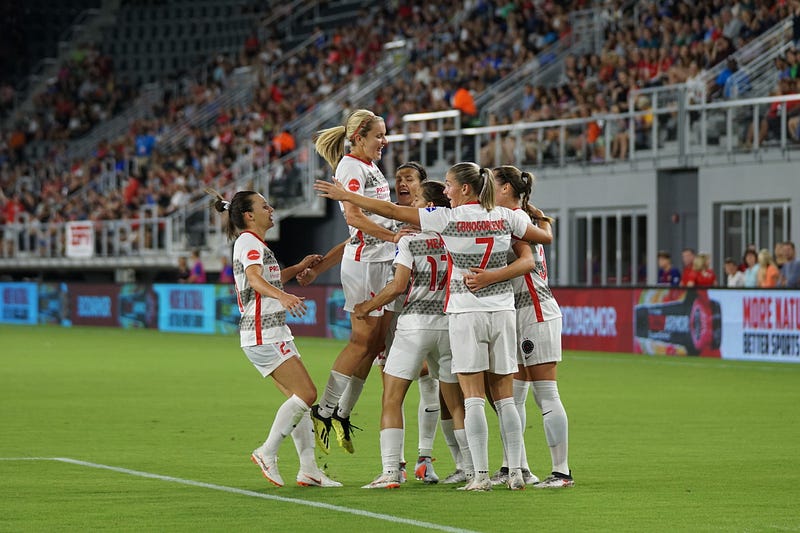
Photo by Jeffrey F Lin on Unsplash

Hiring managers and sports scouts have long searched for a way to separate the good employees and good players from those that have the potential for greatness. To accomplish this, they often turn to a seemingly simple question.

What motivates you more, a love for winning or a hatred for losing?

There is not a black-and-white, right-or-wrong answer to this question. The question itself is really nothing more than a conversation starter. Rather, the explanation of why a person is motivated more by a love for winning or a hatred for losing is what really matters.

I am sure that there are many successful athletes and executives out there that will tell you they love to win more than they hate to lose, but if I had to pick a team to go to battle with, in sports or in business, I am picking the ones that hate to lose every time.

Hating to lose can manifest in several different ways, which makes the “why” or a person’s reaction to losing so important. If you hate to lose, there are two ways to avoid that outcome: you either stop playing the game, or you do whatever it takes to make sure it doesn’t happen again.

It all comes down to how you respond to adversity and failure. You can’t be afraid of failure. If you’re afraid to fail, then you’re probably going to fail. Instead, you must use failure as fuel for improvement.

The following story about Kobe Bryant is a perfect embodiment of the power a correctly harnessed hatred for losing can hold and how triumph can be born from the ashes of defeat.

In 1997, 18-year-old Kobe Bryant had the ball in his hands in the final moments of a must-win playoff game against the Utah Jazz. He shot with the confidence we have all come to know, but on this night, instead of game-winning glory, we got four air balls and the Lakers lost in overtime 98–93.”

Kobe failed. His team trusted him to take the winning shot and he let them down. He could have hung his head in defeat, given in to the dark side of hating to lose, and avoided failure by never shooting again. His story could have ended right there. But it didn’t.

It was a ‘turning point’ for Kobe, who would spend the entire off-season working on his shot ‘until the sun came up.’

He decided to do whatever it took to not let himself feel that pain again. He harnessed the anger and frustration that comes with losing by manifesting his hatred for losing into a second-to-none work ethic. Kobe would go on to make 36 game-winning shots and cement his legacy as one of the greatest to ever pick up a basketball.

“He used the biggest defeat of his career as fuel to motivate him and to remind him of what defeat feels like. He didn’t fear failure. He immersed himself in it.”

In cognitive psychology, loss aversion refers to people’s tendency to prefer avoiding losses to acquiring equivalent gains. In other words, people have a greater emotional response to losing than they do to winning.

Motivation is closely linked to emotions. Strong emotions have greater motivational potential. Therefore, when a hatred of losing is properly harnessed, it can be a far superior motivational force than a love for winning.

From my own experience, the emotions elicited from striking out with the game on the line were much stronger than those elicited from hitting a walk-off home run. The positive emotions that came with winning were fleeting.

Simply having the desire to accomplish something is not enough. It was not the euphoria of hitting a home run that drove me to spend countless hours in the batting cages working on my craft during the off-season. Instead it was the memories of striking out that pushed me to improve my game.

Conclusion

Everyone loves to win. In fact, I have never met a person that liked losing or hated winning. So it tells me little about the person if their answer to this question is that they simply love to win. That is not to say that there is anything wrong with loving to win, but when you just love to win and losing doesn’t bother you, it’s easy to become satisfied with “good enough.”

There is never an excuse for being a sore loser, but you shouldn’t be happy about it either. Be gracious in defeat. Tip your hat to the other team. Then go to work to make sure it never happens again.

In the end, failure is a far better teacher than success. A love for winning will only take you so far. However, If you are able to use your hatred for losing and draw motivation from your failures, without letting adversity and negativity erode your confidence or keep you from playing the game, you give yourself a chance for greatness.

Sports
Motivation
Psychology
Interview
Business
Recommended from ReadMedium