avatarRodrigo S-C

Free AI web copilot to create summaries, insights and extended knowledge, download it at here

2130

Abstract

at read “Autumn.” Here is the link:</p><div id="ab28" class="link-block"> <a href="https://readmedium.com/aka-elizabeth-allred-acdbaaf87747"> <div> <div> <h2>AKA Elizabeth Allred</h2> <div><h3>Why I sometimes write with a pen name</h3></div> <div><p>medium.com</p></div> </div> <div> <div style="background-image: url(https://miro.readmedium.com/v2/resize:fit:320/1*2cWXHDCem9A_dVXFNkNm4Q.jpeg)"></div> </div> </div> </a> </div><p id="ec4f">I’ve had a complicated relationship with my name. Rodrigo is actually my middle name. My first name is José. My parents decided that they would name me after their eldest son who died at the age of eighteen shortly before I was born. How charming…</p><p id="3cab">I never liked the name José. It made me feel like a replacement. Nobody ever called me by that name. In fact, as a child, I was seldom called by either of my names, as Chileans are addicted to nicknames. My family called me Gulgo, which has no meaning, and my school friends called me Flaco which means skinny.</p><p id="b30a">When I immigrated to Canada I reversed the order of my names in all my legal documents. I became Rodrigo José.</p><figure id="78f5"><img src="https://cdn-images-1.readmedium.com/v2/resize:fit:800/1*bz23RKcf41PxjN4ojf-H6A.png"><figcaption>Rod. Photo by author.</figcaption></figure><p id="5332">My Canadian school friends shortened my name to Rod, which I regarded as an important step in my assimilation to Canadian culture. I was no longer the kid with the weird name.</p><p id="a09e">The name stuck, even though I didn’t really like it. I felt it sounded like a piece of industrial material. But it was better than mistakenly being called <b>Rodriguez</b>, which is a Latin last name common among baseball players. To complicate things, Olivia <b>Rodrigo — </b>the 2022 Granny Award winner — uses my first name as her last name. It’s complicated.</p><p id="a39a">So after 40 years, I wanted to ditch the name Rod, but I knew

Options

Rodrigo was a bit of a struggle for many people, so I decided to adopt the last half of my name which had been neglected for all those years: Rigo. Rod+Rigo= Rodrigo…get it?</p><figure id="11fc"><img src="https://cdn-images-1.readmedium.com/v2/resize:fit:800/1*3VnuzrqEejhCiRjOceOqig.png"><figcaption>Rodrigo written in Chinese characters. Photo by author.</figcaption></figure><p id="01f4">In the 1990s when I worked in a primarily Asian community I was given a Chinese name. It is pronounced: <i>shi ai de </i>and it means: One Who Cares. My wife laughs uncontrollably when I say it, as I lack the subtle nuances of Cantonese pronunciation.</p><p id="7116">The bottom line is that I have never truly identified with my names. Rodrigo means Famous Ruler. That is as far from me as if I was named Rufus, which means red-head. So is José, which means God Will Increase. Really? Increase what? My followers on Medium, or the size of my pants? That name misses the mark by a mile.</p><p id="7be5">Rodrigo is a non-Anglo-sounding name. I am starting to think that my acceptance of the name Rod — even though I disliked it — was driven by a desire to avoid discrimination. Decades of research has found that name discrimination in education and employment is very real. (<a href="https://www.wired.co.uk/article/name-discrimination">source</a>)</p><p id="e8ae">According to Maria Konnikova in her article published in The New Yorker: “Some recent research suggests that names can influence our choice of profession, where we live, whom we marry, the grades we earn, the stocks we invest in, and whether we’re accepted to a school or are hired for a particular job.” (<a href="https://www.newyorker.com/tech/annals-of-technology/why-your-name-matters">source</a>)</p><p id="5f34">So, considering all of that, tell me: do you like your name? Did your parents make a good choice? Do you identify with its meaning? Has it served you well? Is it you? Would you change it?</p><figure id="7a78"><img src="https://cdn-images-1.readmedium.com/v2/resize:fit:800/1*r7PbpXPY87x70Mc3hExF9Q.png"><figcaption></figcaption></figure></article></body>

Do You Like Your Name?

Our names are the most important anchorage to our self-identity
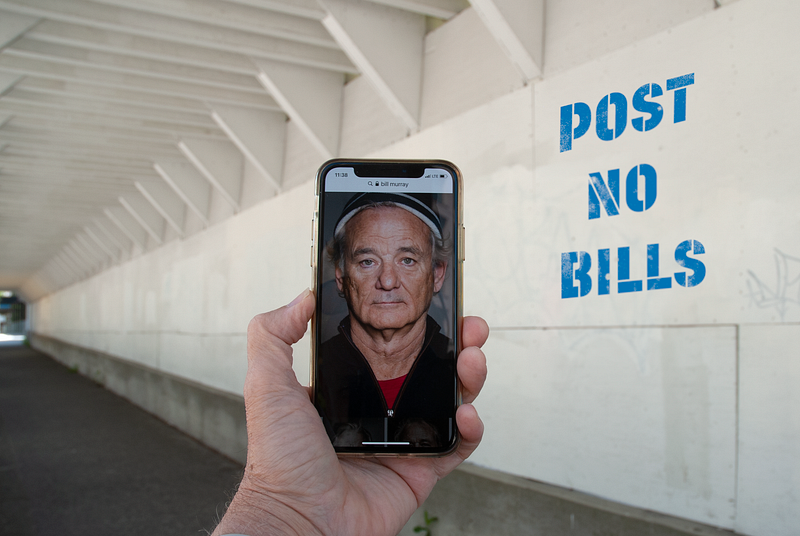
Bill, do you like your name? Photo by author.

The first gift your parents give you is life. The second is your name. Parents often agonize over what name they will choose for their children. It is a difficult process that tests their creativity and imagination. They often see their personality reflected in the choice they make.

Parents may not be aware that their choice plays a significant role in how the world sees that child and ultimately how they will see themselves. (source)

As Gordon Allport (one of the founders of personality psychology) said in 1961, “the most important anchorage to our self-identity throughout life remains our own name.” (source)

My partner and I only had to choose one baby name. Our daughter was born in 1981 and we named her Zoë — a Greek name meaning Life. It was NOT a popular name at the time. I think my daughter was seven years old the first time she met another Zoë.
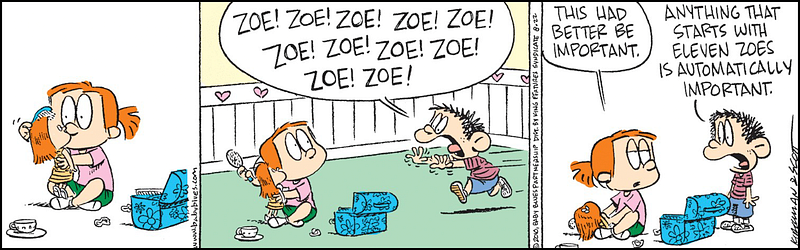
Baby Blues Comic Strip. Screen capture by author.

In 1990 the comic strip Baby Blues introduced the world to Zoe, the daughter of Darryl and Wanda MacPherson, and the name spiked in popularity. That’s what popular culture can do for you. I don’t know if the cartoon influenced her, but I’m happy to say that my daughter likes her name.

I was inspired to write this story by Jane Kelley who wrote a terrific story about her relationship with her “plain Jane” name, and what happened when she wore a name tag that read “Autumn.” Here is the link:

I’ve had a complicated relationship with my name. Rodrigo is actually my middle name. My first name is José. My parents decided that they would name me after their eldest son who died at the age of eighteen shortly before I was born. How charming…

I never liked the name José. It made me feel like a replacement. Nobody ever called me by that name. In fact, as a child, I was seldom called by either of my names, as Chileans are addicted to nicknames. My family called me Gulgo, which has no meaning, and my school friends called me Flaco which means skinny.

When I immigrated to Canada I reversed the order of my names in all my legal documents. I became Rodrigo José.

Rod. Photo by author.

My Canadian school friends shortened my name to Rod, which I regarded as an important step in my assimilation to Canadian culture. I was no longer the kid with the weird name.

The name stuck, even though I didn’t really like it. I felt it sounded like a piece of industrial material. But it was better than mistakenly being called Rodriguez, which is a Latin last name common among baseball players. To complicate things, Olivia Rodrigo — the 2022 Granny Award winner — uses my first name as her last name. It’s complicated.

So after 40 years, I wanted to ditch the name Rod, but I knew Rodrigo was a bit of a struggle for many people, so I decided to adopt the last half of my name which had been neglected for all those years: Rigo. Rod+Rigo= Rodrigo…get it?
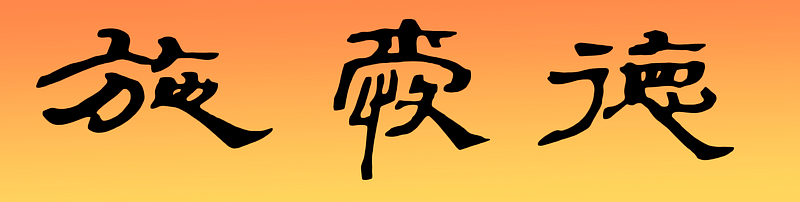
Rodrigo written in Chinese characters. Photo by author.

In the 1990s when I worked in a primarily Asian community I was given a Chinese name. It is pronounced: shi ai de and it means: One Who Cares. My wife laughs uncontrollably when I say it, as I lack the subtle nuances of Cantonese pronunciation.

The bottom line is that I have never truly identified with my names. Rodrigo means Famous Ruler. That is as far from me as if I was named Rufus, which means red-head. So is José, which means God Will Increase. Really? Increase what? My followers on Medium, or the size of my pants? That name misses the mark by a mile.

Rodrigo is a non-Anglo-sounding name. I am starting to think that my acceptance of the name Rod — even though I disliked it — was driven by a desire to avoid discrimination. Decades of research has found that name discrimination in education and employment is very real. (source)

According to Maria Konnikova in her article published in The New Yorker: “Some recent research suggests that names can influence our choice of profession, where we live, whom we marry, the grades we earn, the stocks we invest in, and whether we’re accepted to a school or are hired for a particular job.” (source)

So, considering all of that, tell me: do you like your name? Did your parents make a good choice? Do you identify with its meaning? Has it served you well? Is it you? Would you change it?

Names
Names and Naming
About Me
Psychology
Discrimination
Recommended from ReadMedium