avatarTrish Church

Free AI web copilot to create summaries, insights and extended knowledge, download it at here

890

Abstract

lated conditions. Many people find it useful to help them learn and remember information.</p><p id="9516">Some people describe it as having “wires crossed” in their brain because it activates two or more senses when there’s only a reason for one sense to activate.</p><p id="8a62">Your brain relies on your senses—sight, sound, smell, taste, or touch—to determine what’s happening around you.</p><p id="2584">People with synesthesia experience the processing differently. Their brains process the same information through two or more brain areas simultaneously.</p><figure id="573a"><img src="https://cdn-images-1.readmedium.com/v2/resize:fit:800/0*OnI4c3Ma-XARECPi"><figcaption>Photo by <a href="https://unsplash.com/@aresbuddhi?utm_source=medium&amp;utm_medium=referral">BUDDHI Kumar SHRESTHA</a> on <a href="https://unsplash.com?utm_source=medium&amp;utm_medium=referral">Unsplash</a></f

Options

igcaption></figure><ul><li><b>Primary effect</b>: The primary effect is what you experience because of sensory input. An example of this would be hearing sounds and recognizing them as music.</li><li><b>Secondary effect</b>: People with synesthesia experience a secondary effect (or more than one) that seems like one of their senses is working, but there’s no input from that sense that should be causing it. An example of this would be seeing colors because you hear music.</li></ul><p id="c912">The Cleveland Clinic has so much more information on different types of synesthesia, but I was just fascinated that this even existed and had to dig deeper. I will not drone on about it, but it was fun to learn something new today.</p><p id="1b25">I hope you enjoyed learning about this, too. Have a good day.</p><p id="9b3e"><i>All credits go to the Cleveland Clinic.</i></p></article></body>

Do You Know Some People Can Taste Words or Link Colors To Numbers or Letters?

It’s called Synesthesia. (pronounced “sin-ess-THEE-zh-uh”)

Synesthesia is when your brain routes sensory information through multiple unrelated senses, simultaneously causing you to experience more than one sense. I know that’s a mouthful.

Some examples include tasting words or linking colors to numbers or letters. Saying or reading the word “chocolate” might trigger the sensation of tasting chocolate, or the sound of a bell ringing might evoke the taste of strawberries.
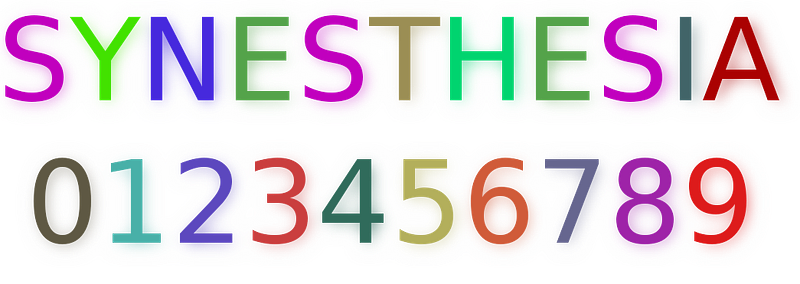
This is not a medical condition or a disease, but it can be a symptom of certain brain-related conditions. Many people find it useful to help them learn and remember information.

Some people describe it as having “wires crossed” in their brain because it activates two or more senses when there’s only a reason for one sense to activate.

Your brain relies on your senses—sight, sound, smell, taste, or touch—to determine what’s happening around you.

People with synesthesia experience the processing differently. Their brains process the same information through two or more brain areas simultaneously.
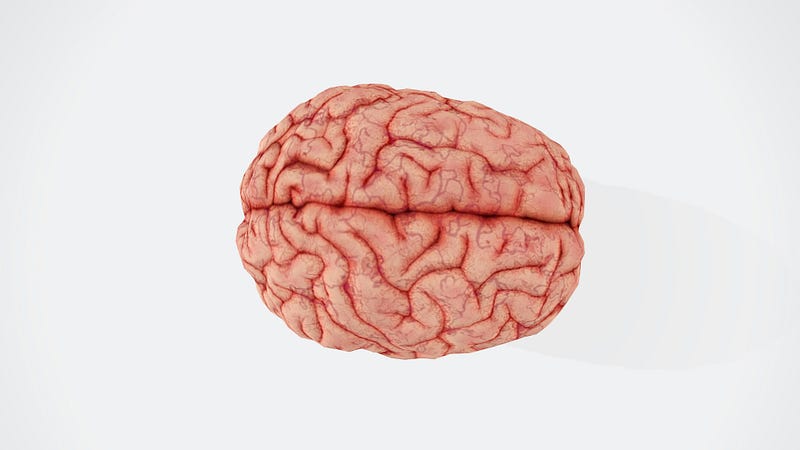
Photo by BUDDHI Kumar SHRESTHA on Unsplash
  • Primary effect: The primary effect is what you experience because of sensory input. An example of this would be hearing sounds and recognizing them as music.
  • Secondary effect: People with synesthesia experience a secondary effect (or more than one) that seems like one of their senses is working, but there’s no input from that sense that should be causing it. An example of this would be seeing colors because you hear music.

The Cleveland Clinic has so much more information on different types of synesthesia, but I was just fascinated that this even existed and had to dig deeper. I will not drone on about it, but it was fun to learn something new today.

I hope you enjoyed learning about this, too. Have a good day.

All credits go to the Cleveland Clinic.

Synesthesia
Brain Function
Stranger Things
Brain
Recommended from ReadMedium