avatarJoan Kent, PhD

Summary

Polycystic Ovary Syndrome (PCOS) is a common hormonal disorder affecting women of reproductive age, characterized by high testosterone levels, irregular menstruation, and metabolic issues like insulin resistance, but it can be naturally reversed or prevented.

Abstract

Polycystic Ovary Syndrome (PCOS) affects approximately 7% of reproductive-age women, leading to hormonal imbalances with elevated testosterone levels and disruptions in the secretion of FSH and LH, resulting in anovulation, menstrual irregularity, hirsutism, and infertility. Metabolically, PCOS is linked to insulin resistance and a higher risk of type 2 diabetes, with a significant number of affected women in the US being obese or overweight. Despite these challenges, there is optimism as evidence suggests that PCOS can be naturally reversed or prevented, potentially through dietary changes and lifestyle modifications. Dr. Joan Kent, a best-selling author, offers insights and support for those with PCOS and other metabolic conditions through her website, LastResortNutrition.com, emphasizing the impact of small dietary changes on overall health.

Opinions

  • PCOS is reversible and preventable through natural means, suggesting a non-pharmaceutical approach to managing the condition.
  • The condition has a strong genetic component, implying a hereditary factor in its occurrence.
  • Gut microbiota levels in women with PCOS are typically lower than normal, indicating a potential role of gut health in PCOS.
  • Dr. Joan Kent advocates for the efficacy of nutritional strategies in combating PCOS and other metabolic conditions, highlighting her belief in food's power to influence health.
  • The offer of a free Empower Me Consult implies a commitment to accessible healthcare and personalized advice for managing PCOS.
  • The mention of Dr. Kent's book, "Stronger Than Sugar," suggests that sugar addiction may be a contributing factor to PCOS and related health issues, and that overcoming this addiction could be part of the solution.

Do You Have Polycystic Ovary Syndrome (PCOS)?

It’s possible to reverse PCOS naturally

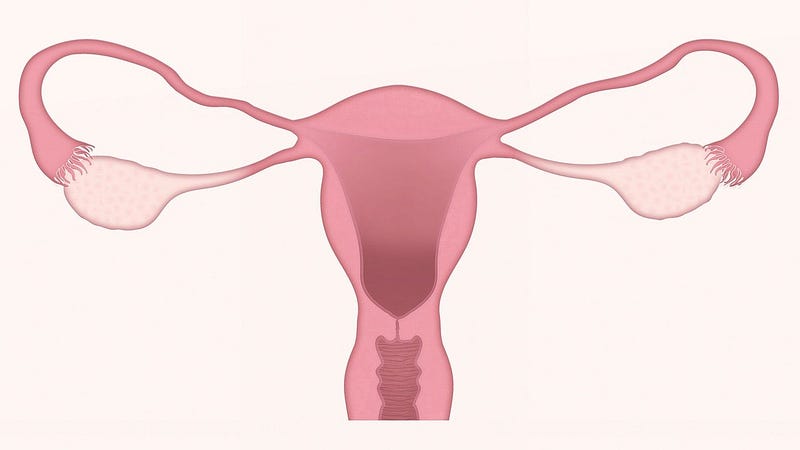
Polycystic ovary syndrome is a hormonal abnormality in reproductive-age women. It affects about 7% of women in that age group.

Women with PCOS have higher testosterone levels than normal for women. They also have disordered secretion of FSH (follicle stimulating hormone) and LH (luteinizing hormone), both necessary for ovulation. The result is anovulation, menstrual irregularity, hirsutism, and infertility.

Metabolically, PCOS is associated with insulin resistance and type 2 diabetes. In the US, anywhere from 40% to 80% of women with PCOS are obese or overweight.

Gut microbiota (gut flora) levels in women with PCOS tend to be lower than normal.

PCOS appears to have a strong genetic link.

But there’s good news. It’s possible to reverse, even prevent, PCOS naturally. The next post will cover how to make that happen.

For help with PCOS or other metabolic conditions (diabetes, insulin resistance, high blood pressure), just visit www.LastResortNutrition.com and grab your free Empower Me Consult. Find out how easy it is to make small changes in your food that yield big results for your health.

Brought to you by Dr. Joan Kent, best-selling author of Stronger Than Sugar: 7 Simple Steps to Defeat Sugar Addiction, Lift Your Mood, and Transform Your Health.
Metabolic
Menstrual Cycle
Insulin Resistance
Type 2 Diabetes
Pcos
Recommended from ReadMedium