
Opinion
Do You Defend Your Opinions?
Navigating the Trio: Opinion, Ego, and Identity
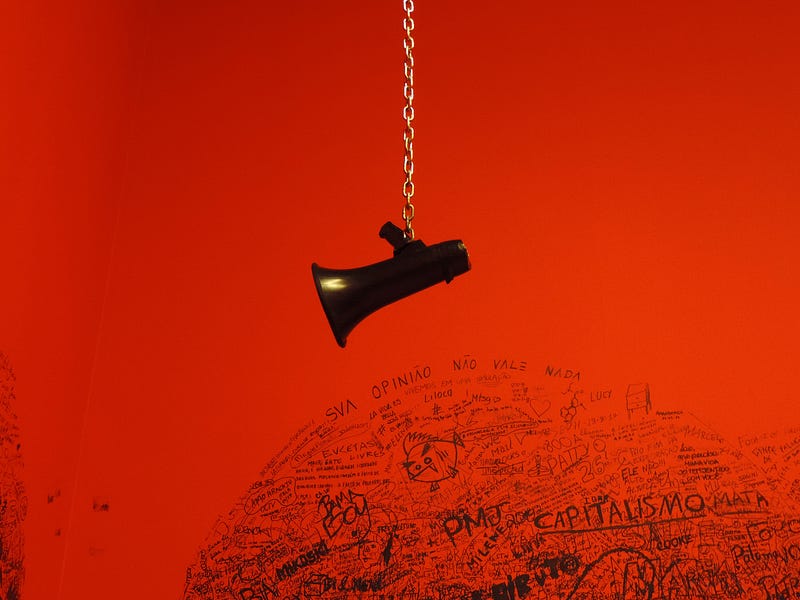
In the complex journey of life, our opinions play a pivotal role. They shape not just how we view the world but also how we define ourselves. Often, we cling to these beliefs as if they are an integral part of our identity, guarding them fiercely against any form of challenge or contradiction. This defensive stance, however, raises an important question: Are we truly safeguarding our core self, or is there more to this attachment?

Personal Experience with Ego and Opinions
In my own experience, I’ve often found that my opinions are more than just viewpoints; they feel like extensions of myself. When I express my beliefs, it’s as if I am laying out a part of my identity for others to see and judge. This sense of personal attachment is why I defend my opinions with such fervor — it’s akin to defending my very self.
When someone challenges my views, it can feel like a direct challenge to my character, my intelligence, or my values. This deep-seated connection between my sense of self and my opinions is a powerful force, one that can both drive passionate discourse and ignite defensive reactions. It’s a reflection of the intense human desire to be understood and validated and how closely intertwined our identities can become with the beliefs we hold.
The Opinion Real Power
The real power of opinions lies not in their rigidity but in their ability to evolve and adapt. Cultivating perspectives that are informed, reasoned, and open to refinement demands a willingness to consider and evaluate others’ viewpoints. It’s about finding a balance between defending our opinions and being open to the possibility that there might be a more accurate understanding of reality.
The Opinion and ego’s interference
In defending our beliefs, it’s crucial to step back from the ego. Engaging with differing viewpoints with openness and without the ego’s interference is key. This approach embraces the reality that our understanding of the world is constantly evolving and inherently imperfect. Recognizing our own fallibility and that of others is a vital step in this process.
Our opinions, formed from diverse experiences and insights, must remain flexible to stay relevant. This willingness to adapt not only enhances our ability to engage in meaningful dialogues but also fosters an environment of mutual respect and understanding.
Opinions As the Sails Of A Boat
Consider opinions as the sails of a boat navigating the vast ocean of knowledge. These sails guide us, helping us to chart our course and explore new horizons. However, they are not fixed in their position or direction. As we encounter new information and experiences akin to changing winds and currents, we must adjust our sails to navigate these new conditions effectively.
When fresh insights or perspectives challenge our existing beliefs, it’s not a confrontation of our identity but rather an opportunity to adjust our course. This process of adjustment and growth doesn’t compromise who we are at our core; instead, it enhances our journey, allowing our true selves to navigate more skillfully through the complex waters of life.
Conclusion
Over time, I’ve come to realize that tightly holding onto my opinions as if they were irrefutable truths limited my perspective and growth. Now, I find a deeper joy in embracing the diversity of thoughts around me. Hearing how others perceive and approach various subjects has become not just interesting but enlightening.
This openness has allowed me to appreciate the richness of different viewpoints and understand that each person’s experiences and insights add valuable dimensions to my own understanding. It’s a journey from rigid defense to fluid curiosity, from asserting my beliefs to engaging in a shared exploration of ideas. This shift has not only broadened my horizons but has also brought a sense of liberation and connection with others, fostering a more inclusive and empathetic worldview.
Separating ego and identity from our opinions is not a sign of weakness. Instead, it’s an acknowledgment of our innate imperfection as human beings. It’s about accepting that being incorrect sometimes is as natural as being right. This acceptance opens us up to a life of continuous learning and growth, where our opinions are not unyielding barriers but adaptable tools that assist us in navigating the ever-changing terrain of human experience.
Author’s Note
Thank you for reading my story. Here is some information about my background. 🙏Consider sharing and participating in the conversation if this content speaks to you. For any queries, collaborations, or comments, reach out to me at [email protected]. Thank you for supporting my work!