Do We Need To Rethink Okinawa As A Blue Zone?
Okinawans aren’t living as long as they used to
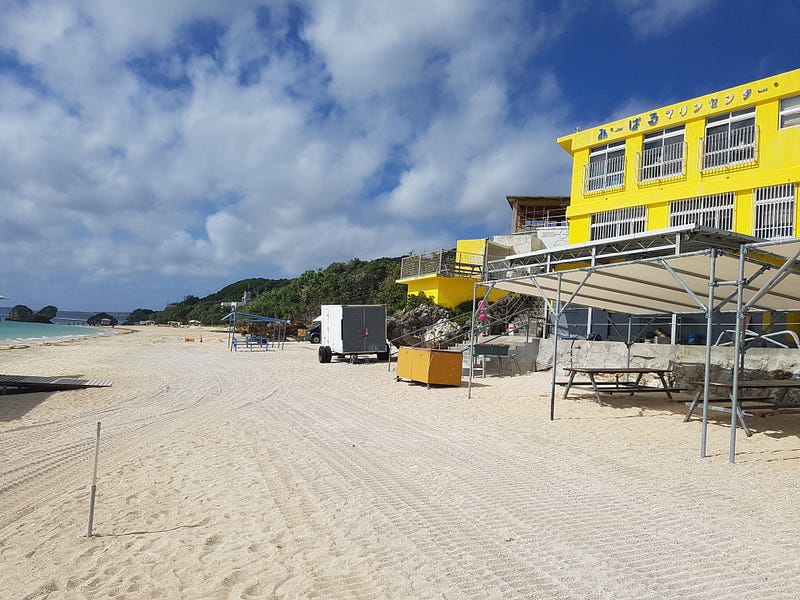
Okinawa was once heralded as the place with the longest living people on earth. There were more centenarians here than just about anywhere, something which earned them a celebrated place amongst the Blue Zones. The term, coined by Dan Buettner, refers to five extraordinary places around the world where people live extraordinarily long lives.
But should Okinawa still be one of them?
Maybe not if you’re a man, according to the Ministry of Health, Labour and Welfare of Japan. Okinawa has continued to slump through the rankings and it’s men who are leading the race to the bottom. They now rank 43rd out of 47 prefectures in Japan, with women doing slightly better in 16th place. It’s a steep fall from their once-held place at the tippy top of the list.
Let’s be real.
A life expectancy of 80.73 years is still pretty damn good in the scheme of things. I’ll be cheering if I ever make it to that age, even if my knees won’t be. I’ve done things to my body that I wouldn’t recommend to anyone other than Keith Richards, who seems to be immune to all of life’s vices. But we’re not talking about me or Keith Richards, we’re talking about Okinawa, a place where I was told people live to 100 and I should move here if I have any intention of doing the same.
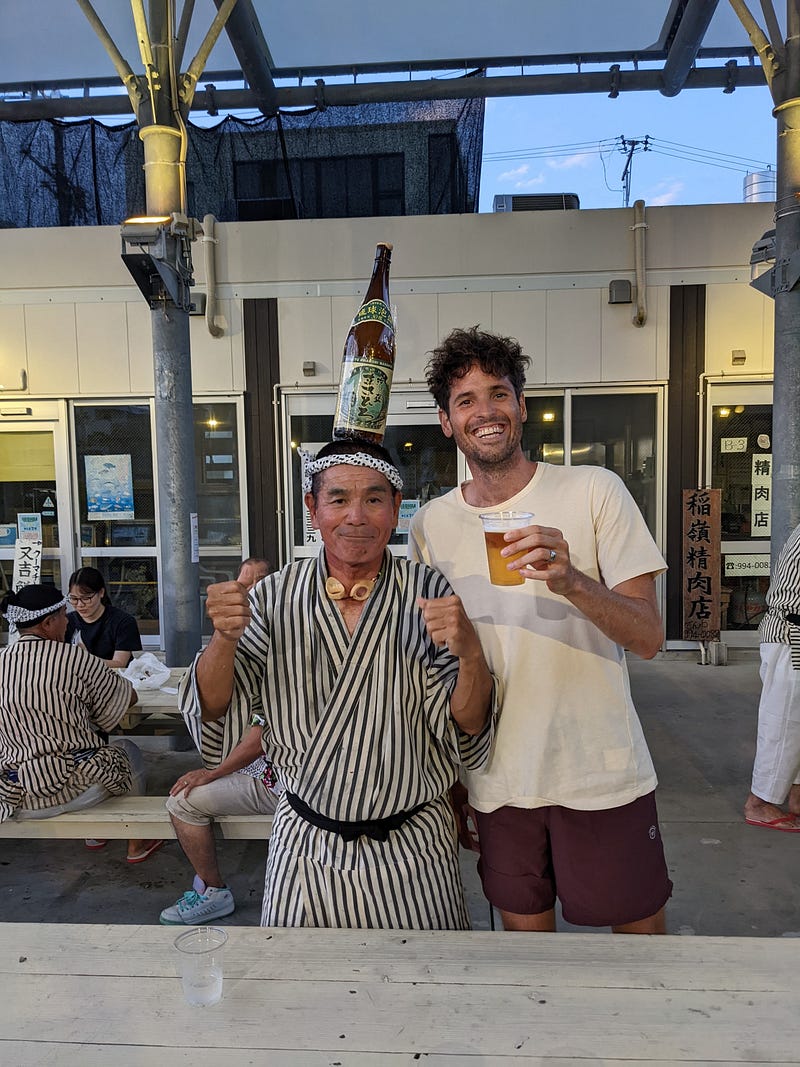
Well, here I am, and what I have seen over the past few weeks is that some people might have been lying on their birth certificates, treating their age the same way that my mum does; like a moveable object. She’s been celebrating her fortieth birthday for thirty years now and there is evidence to suggest that some people in Okinawa have been doing the same, bumping up their age like the proverbial golf scores that they are.
Let’s assume the best.
Let’s assume that unlike my mum, everyone is being honest about their age. All I have to do is wake up and smell the breakfast of cigarettes and Boss coffee that wafts up from the cleaners who live below us to know that a healthy lifestyle might not be one of their priorities. The smell comes through our windows in the early hours of the morning along with the sounds of coughs that would have made great sound design as part of The Exorcist.
Smoking kills, dude. It’s one of the leading non-communicable killers in Japan, and that extends to Okinawa. Although, it’s worth noting that there is a trend away from cigarettes in the younger generation [good for you, fellow kids].
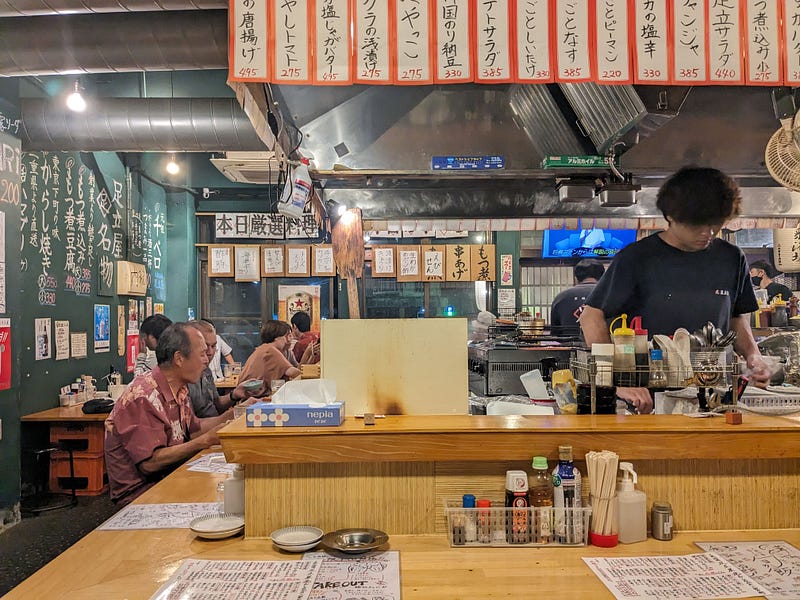
Diet is also a factor. For a long time, meat wasn’t part of every meal. It was a special occasion thing, something that happened maybe once or twice a week, tops. Now, pork is king, and trying to find vegetarian dishes to keep my familial hypercholesterolemia down has proven to be a little more difficult than I thought. Which is a shame, really, as Okinawan tofu is the best in the world and yet according to our local tofu dealer, people don’t eat as much of it as they used to.
My first doubts about the healthy lifestyle of Okinawans came to me in the form of four capital letters, S-P-A-M, combining to make one of the scariest products known to man. Like many other things that the Americans invented and introduced to the world, SPAM will also kill you, as it is very high in fat and sodium while containing almost no nutritional value, a highly processed can of nothing that is all over Okinawa.
Wherever SPAM exists, death will surely follow, and finding it here made me doubt anything that I read or heard about Okinawa or its place as a Blue Zone. Okinawans also tend to consume more alcohol than the majority of the mainland. I would, too, if I came from the land with the greatest beer on planet Earth [shoutout to Orion]. But it’s not exactly conducive to living a longer, healthier life.
Don’t get the wrong idea about all of this. I love Okinawa. It is my favourite place in Japan [if you can call it Japan] and I am doing everything in my power to spend the rest of my life here. So, while I’ve been very quick to point out some flaws in this longevity myth, it would behove me to point out what they are doing right.
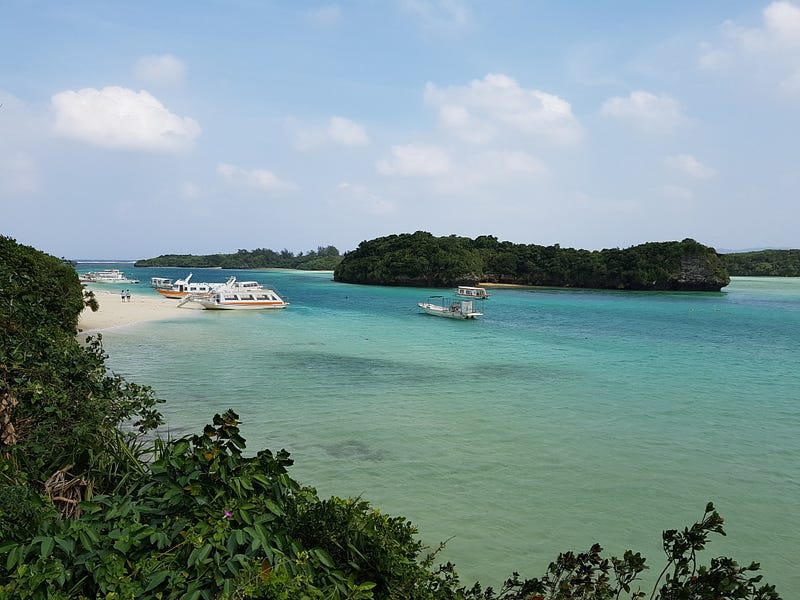
The women, for one.
They’re holding the fort and still living to a whopping 87.88 years of age, something which most likely comes from smoking less, drinking less, and eating less meat than the men on the island. There is also a sense of community here that I find enchanting. There are few places in the world that are as open and friendly and willing to bring you into their fold. People hang out here. Old people, young people, they take time to get together and enjoy life, something which many people in Japan and the rest of the world can sometimes forget to do.
There is so much to love about Okinawa but the promotion of it as some kind of mystical land of longevity does more harm than good, trivialising some very real health issues that the prefecture will have to come to grips with. That’s unless they want to continue that slippery slope to the bottom of those health rankings because if they don’t change soon, they might lose what made Okinawa so Blue in the first place.