ARTICLES | ETIQUETTE | ILLUMINATION
Do We Need To Practice Etiquette On Medium?
My personal thoughts on the subject
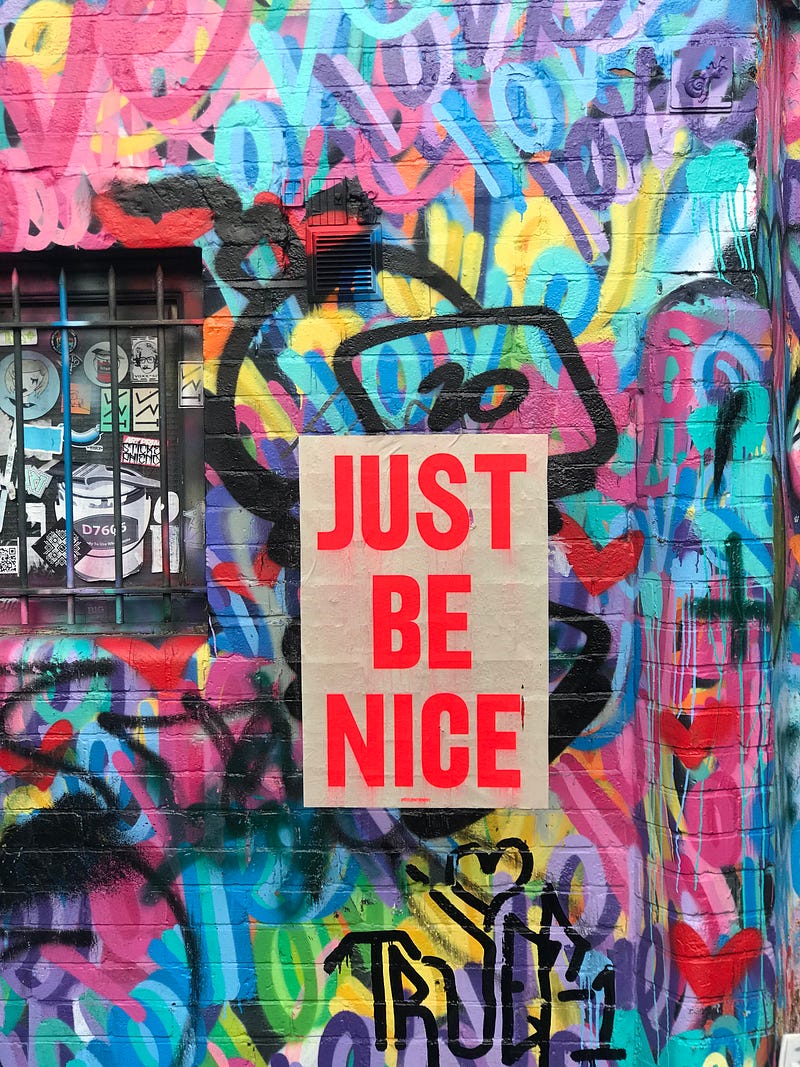
What Is Etiquette?
Merriam-Webster defines etiquette as:
the conduct or procedure required by good breeding or prescribed by authority to be observed in social or official life
That definition seems a bit pretentious to me. So I decided to delve deeper.
Cambridge English Dictionary defines etiquette this way:
the set of rules or customs that control accepted behavior in particular social groups or social situations
This gets closer to the crux of the word — Manners! It means good manners. Something we should all have learned from our parents, teachers, spiritual teachers, etc. It is the antonym of rudeness, which seems to be prevalent in our current society.
Examples of Bad Etiquette on Medium
- Follow me and I will follow you — I’ve never been a big fan of this. Not only is it demanding, but it is just rude. If you want someone to follow you, just follow them. Most people on Medium will follow those who follow them without demanding that you follow them first. Don’t ask, just follow.
- Anonymous links dropped in comments — These often come in the form of tiny links, those shortened or links that have ‘download’ within. Sorry folks! If I don’t know where the link will take me, and I am not clicking it! I’ve been using a computer for three decades now and I know that anonymous links can take you to harmful places.
- Removing your stories from publications without notifying the publisher — While this can be okay if you’ve removed yourself as a writer from a publication for whatever reason, but doing it while still a writer for that publication is just rude. I run 4 publications and I’ve seen this over and over again without being notified. I don’t mind if a writer thinks their work is no longer a good fit for them in one of my publications. It is their work and they have the right to place it wherever they wish. Just be polite and let the publisher know why — that’s all I’m saying (This does not include drafts — just already published stories). Thankfully, many writers have notified me.
- Writing disparaging articles about another Medium writer and naming names— There are clever ways to write about another writer who has upset you where you do not have to use their name or use their direct post or comment. It is called SATIRE. You can also use ‘Writer A’ or some other related tag to keep that person anonymous. Frankly, I am not a fan of airing dirty laundry publicly, but I have done it once in the form of a satirical poem. No names were mentioned, but I think I got my point across, even if the person never reads my poem. A friend recently wrote an excellent essay on how to anonymously shed light on a bad etiquette situation.
- Leaving a comment asking you to read their story without mentioning anything about your story that they’ve supposedly read — Don’t get me wrong here. I love it when writers drop links to their stories for me to read — if it is related to what I’ve written, or they’ve commented on my story and then asked me to read one of theirs. Often, I have missed their stories and this gives me a chance to catch up on their work. However, just dropping a link to an unrelated story or without commenting first — that’s just bad manners.
- Leaving mean, hateful, or spiteful comments about someone’s story — If you don’t like what you’ve read, just move on. Seriously, it is that simple — you don’t have to clap or leave a comment. As the adage goes, “If you have nothing kind to say, say nothing at all.” Not everything you read is going to be your cup of tea — even if it is in your comment section. That’s what block/mute are for here on Medium. If you do feel the need to engage, here is another adage for you — “You can catch more flies with honey than with vinegar.”
So I will ask again — Do we need to be practicing etiquette on Medium?
And my final answer is — yes. Why? Because Medium is a social setting, albeit an online one. Personally, I prefer to be empathetic, sympathetic, and positively engaging with others. It allows me to step outside of my ego-driven self and show kindness to others. And guess what else? It costs me nothing to be this way.
If I can step out of my darkness and shine a small sliver of light into the world via Medium, then I am fulfilling my purpose in life. And perhaps this is why so many people who practice rudeness do so — maybe they haven’t yet examined their own selves and found their purpose in life. For if rudeness is their purpose, then that is a sad state of affairs and it tells a lot about who they truly are.
“When someone shows you who they are, believe them the first time.” — Maya Angelou
©2023 Lori Carlson. All rights reserved.
My Satirical Poem:
Marcus aka Gregory Maidman’s excellent essay on bad etiquette:


