
Do We Deserve Trump? Are We Good Enough To Criticize Others?
Deserving Trump a truth we all need to accept
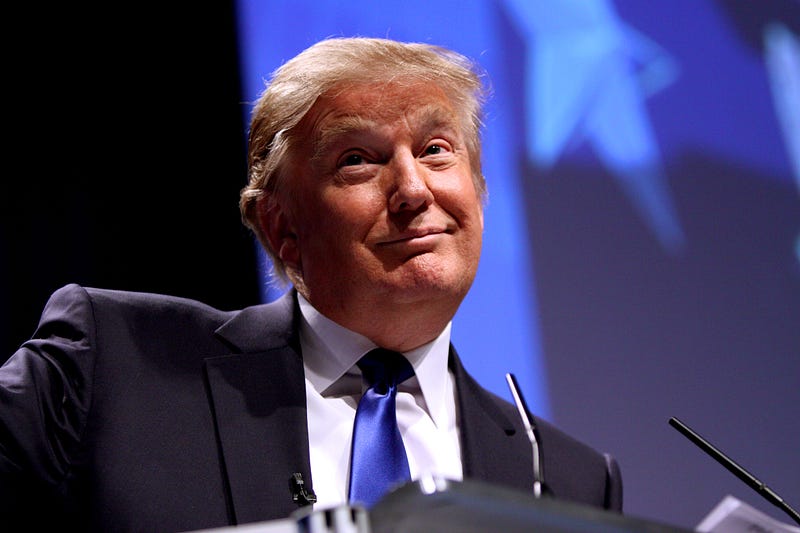

Political figures often evoke strong reactions and varied opinions, with Donald Trump no exception. As a controversial and polarizing figure, Trump’s presidency generated significant criticism and debate. However, the question remains: do we deserve Trump, and are we qualified to critique others?
Let’s face reality and explore the nature of political criticism, evaluate Trump’s presidency, and reflect on our role as citizens in engaging in constructive dialogue.
The Nature of Political Criticism:
The nature of political criticism is rooted in the fundamental principles of democracy, serving as a vital mechanism for holding leaders accountable and fostering public engagement.
In the case of Donald Trump, his presidency elicited a wide range of criticism due to various factors, such as his unconventional communication style, policy decisions, and handling of critical issues. Political criticism allows citizens to express their concerns, voice dissent, and challenge the actions of public figures.
Criticism during Trump’s presidency often revolved around his divisive rhetoric, which deepened societal divisions and polarized public discourse. His unfiltered use of social media, particularly Twitter, drew both support and condemnation.
Critics argued that his communication style lacked nuance, often resorting to personal attacks rather than substantive discussions. This raised questions about the impact of such rhetoric on the overall political climate and the ability to engage in constructive dialogue.
Trump’s Presidency: A Controversial Era:
Trump’s presidency, spanning from 2017 to 2021, was marked by controversy and deep divisions within the United States.
His unconventional approach to politics and unfiltered communication style elicited strong reactions from supporters and critics. The controversies surrounding Trump’s presidency encompassed various issues, from policy decisions to personal conduct.
One of the defining features of Trump’s presidency was his penchant for inflammatory rhetoric and provocative statements.
His unapologetic and combative communication style often generated intense debates and sparked outrage among his opponents.
Critics argued that such rhetoric undermined civility, perpetuated divisions, and eroded public trust in the political process.
Trump’s policies faced criticism on various fronts, such as immigration, environmental regulations, foreign relations, and healthcare.
Detractors argued that his stance on immigration was harsh and lacked compassion, while others raised concerns about the potential environmental impact of rolling back specific regulations.
Critics also debated the effectiveness and implications of his approach to international diplomacy and questioned the future of healthcare under his administration.
Critiques of Trump’s Leadership Style:
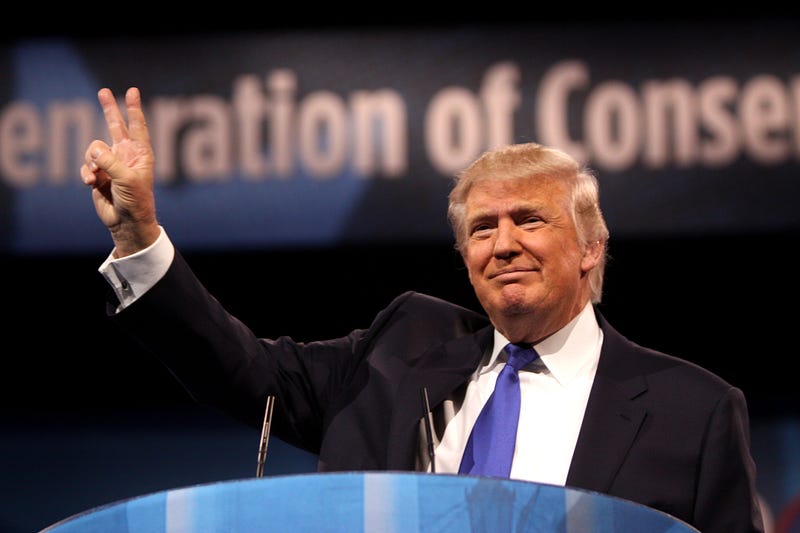

Trump’s leadership style drew significant criticism, with detractors pointing to his use of Twitter to announce policy decisions and attack opponents. Some argued that his communication style lacked nuance, often resorting to personal attacks rather than engaging in substantive debates.
Others criticized his perceived disregard for expert advice and his tendency to surround himself with like-minded individuals, potentially limiting diverse perspectives.
Reflecting On Our Role:
As citizens, we are responsible for engaging in informed and constructive criticism. We must base our opinions on accurate information and reliable sources while considering diverse perspectives.
Criticizing political leaders should be committed to improving governance and promoting democratic values rather than personal attacks or narrow biases.
The Importance of Constructive Dialogue: Engaging in constructive dialogue is essential for societal progress. Criticism should be approached with open-mindedness, respect, and a willingness to listen to differing viewpoints.
By fostering respectful discussions, we can create an environment conducive to finding common ground, understanding complex issues, and shaping a more inclusive and responsive political landscape.
Donald Trump’s presidency elicited a range of opinions and criticisms from various segments of society. Evaluating political leaders is fundamental to democratic institutions, allowing citizens to voice concerns and hold their leaders accountable. However, our criticism must be based on accurate information, fair assessment, and constructive engagement.
By engaging in respectful dialogue and critically reflecting on our role as citizens, we can contribute to a more informed and inclusive political discourse that promotes the betterment of society.
I am Hamza Shafiq. I write about facts, poems, history, and entertainment follow and subscribe so you can get the best experience of writing
Follow my referral link for more interesting stories tips and more