
Do You Really Need a Flagship Phone?
Need to change your phone? Do you really want to spend a hefty amount for the next upgrade? Think about it twice.
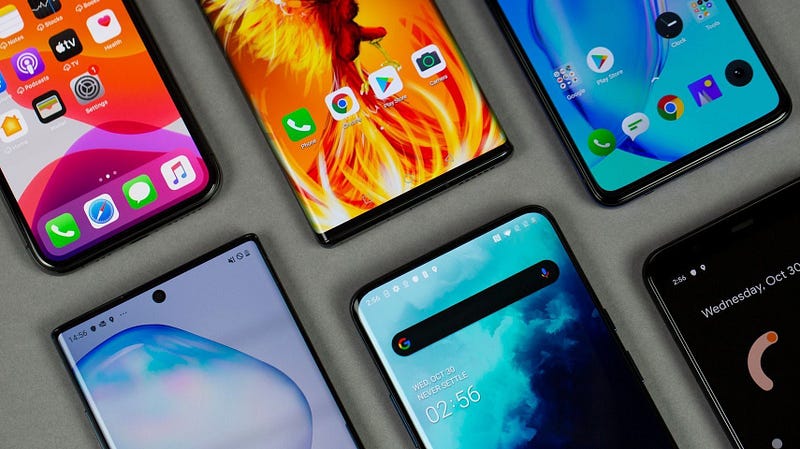
A lot of people have been asking “What phone should I change for the next upgrade?”. In the past, getting the best one is always better, since it will last longer and have better performance and experience.
Well, if you said that back in 2015, it probably makes a lot of sense. Imagine that you are been told the same answer now, but when you look at the price of a flagship phone, it costs at least $1,000!
Here in Australia, phone costs were even crazier because of taxes and international tariffs. As a comparison, here’s some example of flagship phones prices:
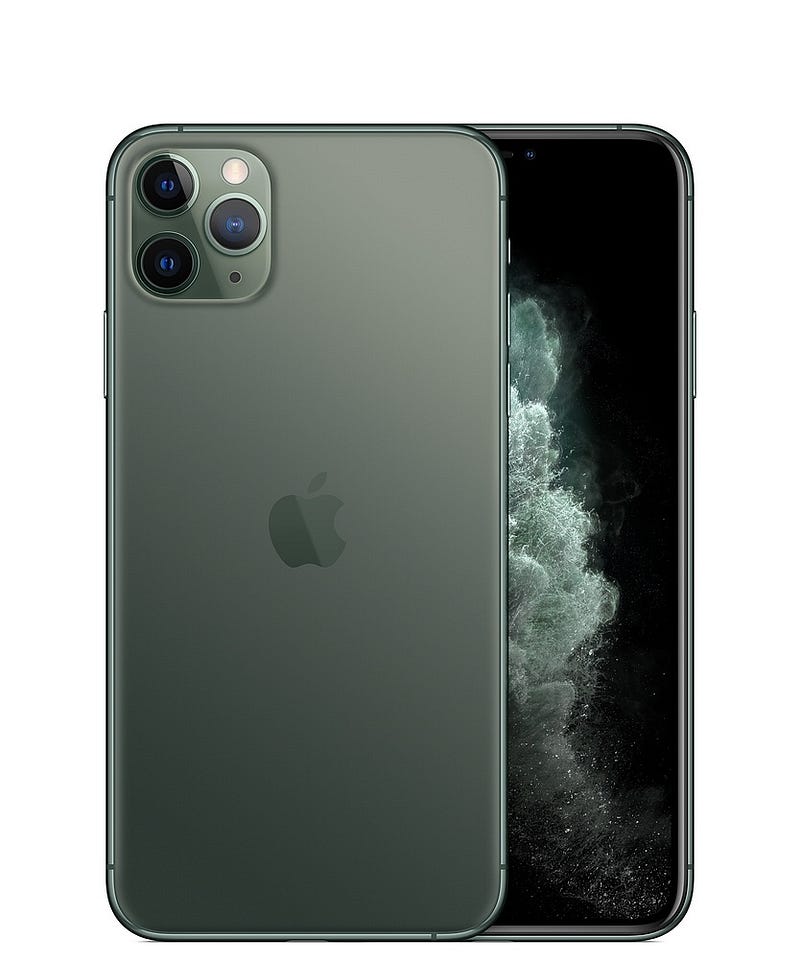
iPhone 11 Pro Max – $1,099 / AUD $1,899
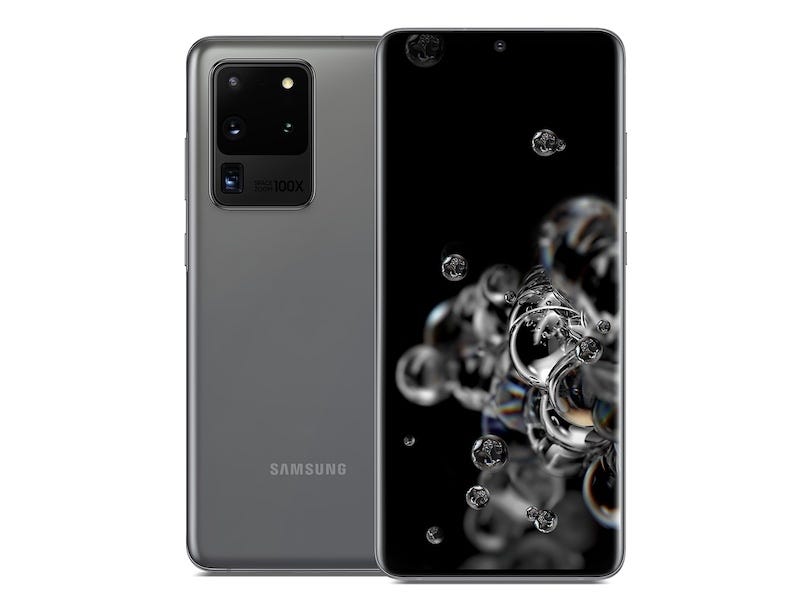
Samsung Galaxy S20 Ultra– $1,399 / AUD $1,999
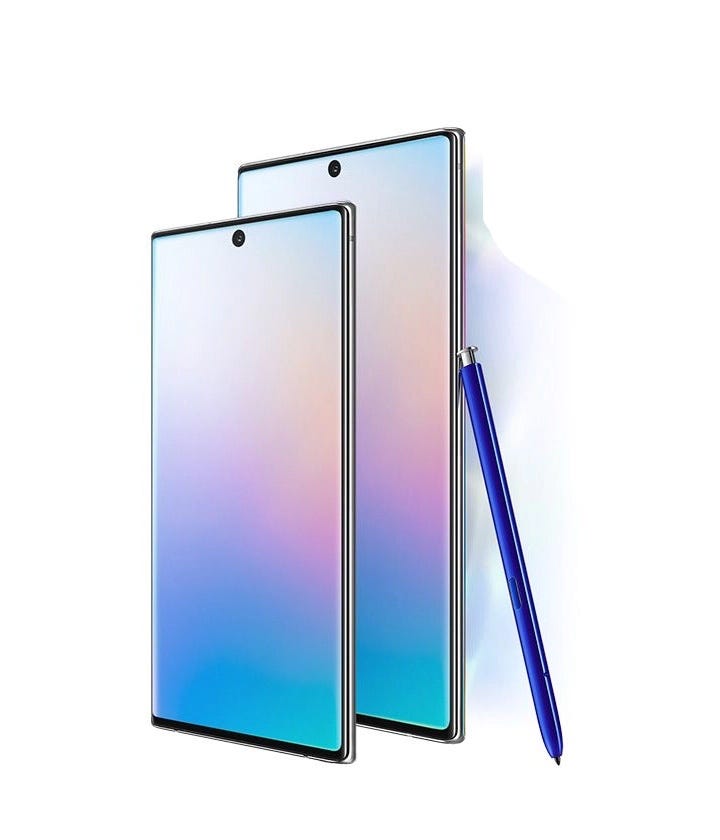
Samsung Galaxy Note 10 Plus – $1,099 / AUD $1,699
Google Pixel 4 XL – $899 / AUD $1,279
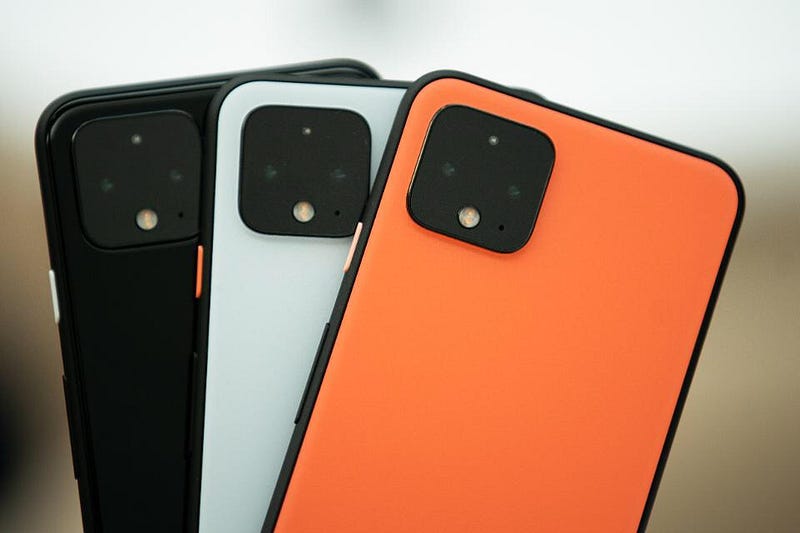
*initial price release of each phone
If you ask someone to blame about these prices increase, you can blame Apple (kind of).
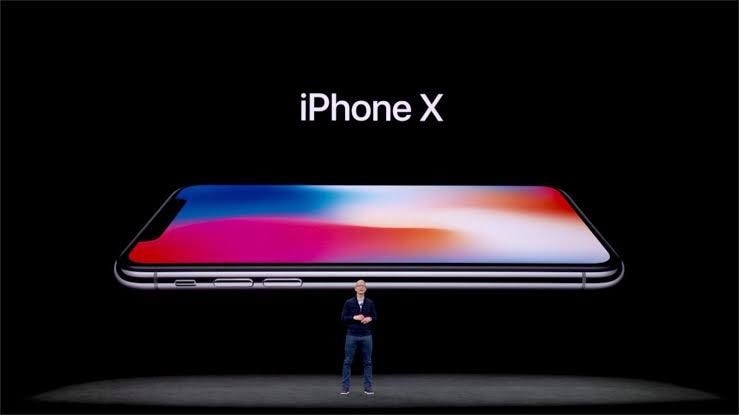
When Apple introduced iPhone X, claiming as the future of the smartphone, the initial price was a whopping $1,000! Imagine back in 2016, when their last flagship was iPhone 7, the entry-level price was only $650. That’s a massive $450 jump, which I don’t think many people would even buy it.
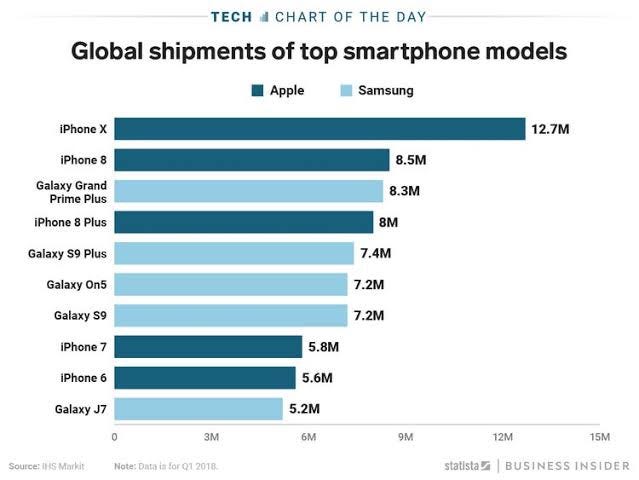
I was wrong actually. iPhone X was selling like hotcakes. Because of this trend, it also gives an opportunity to most smartphones company to bump up their prices.
In 2019, Samsung followed Apple steps by releasing Galaxy S10 and S10 plus with the same price tag. Even in 2020 with the Galaxy S20 Ultra, the price is even ridiculous.
I can’t blame Apple completely with this price jump. It’s not even their fault too. But think about this. When you make a phone that is very high tech and complicated, you also need to spend more money on it.
How about budget phones in 2020?
I was watching a video by MKBHD about the budget phone. The fact is “Cheap phones are getting better, with compromises”, such as:
- Modern design, with poor software utilisation
- Higher performance, with lower-res screen
- Smaller compact phone, with poor battery life
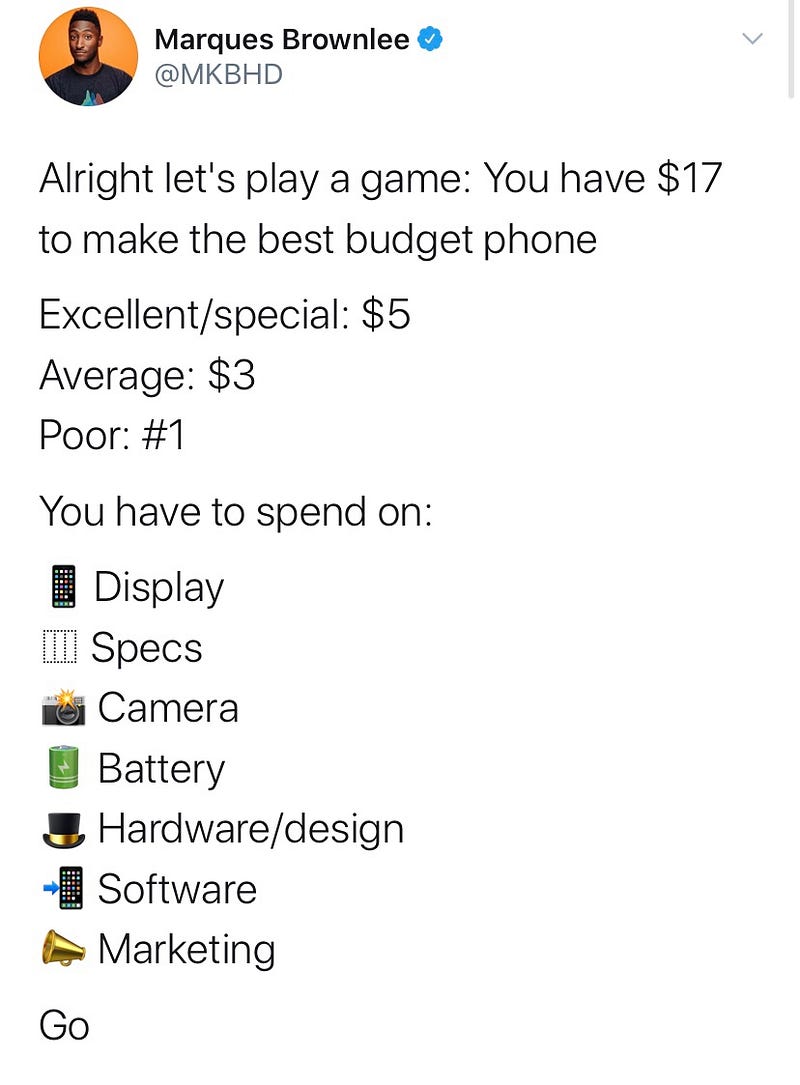
He also posted a game on his twitter, let me know what type of phones you created!
Let’s go back to my first question. Do you really need a flagship phone?
A yes… but also a no.
Flagships are for someone that really want to utilise all of its performance and quality. But not many people need those features and willing to spend more.
There are some groups of people that just want a functioning smartphone daily. They don’t even care to have an OLED screen or edge-to-edge design, even they’re happy with the old design, as long as it has a great camera, performance and optimised software experience.
And that’s why iPhone SE 2020 was born.
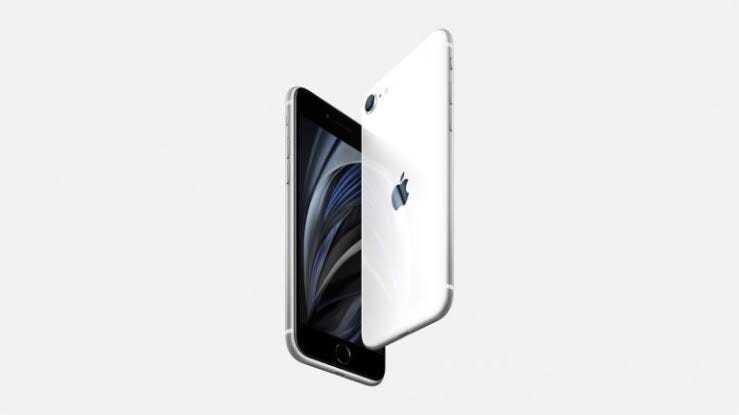
Not only Apple can do it. Its Android competitor did it way before them.
Samsung, Oppo (Realme) and Xiaomi (Redmi) were considered as the best budget phone maker too. Unlike Apple, they prefer to have a future proof design and great battery life alike its flagships, but with under-clocked performance and lower quality camera.
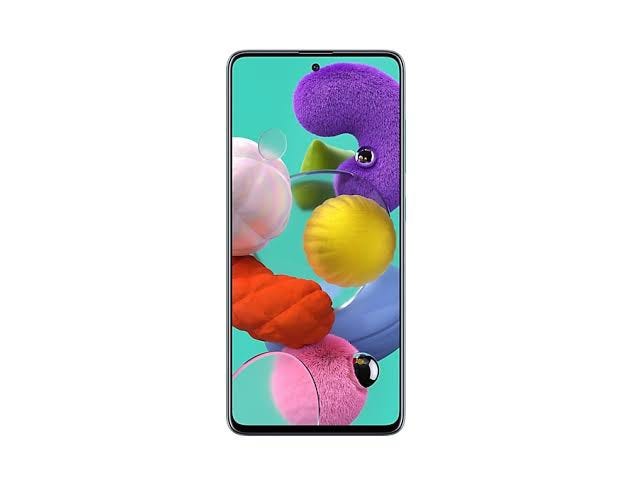
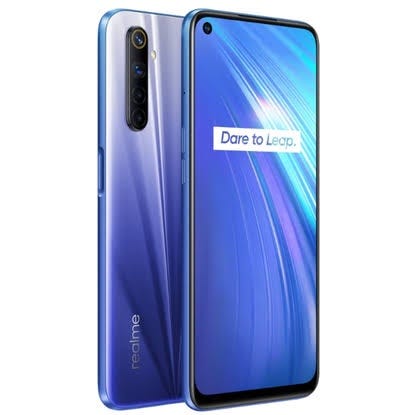
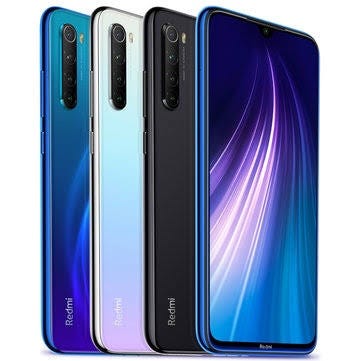
Most of these budget phones have a price stamp of USD $399 or lesser, depending on various countries. With the current situation, I’m sure that more people would even consider buying a budget phone, mostly in developing countries.
Think about this too. When you decided to buy a budget phone, you can save some extra bucks for a pair of wireless earphone, great phone cases or even a smartwatch. In other words, you are spending a flagship phone price with more items that you receive! Totally worth the money!
This is purely my suggestion, but it’s also something to consider. There are plenty of choices out there, but make sure you make it wisely.
If you want me to make a smartphone buyers guide in 2020, let me know here.
Christopher Reno Budiman is a writer, explorer and entrepreneur-minded person. He received Bachelor of Business (Hospitality Management) and Bachelor of International Hospitality Management with Swiss Hotel Association accreditation. He’s on Facebook, Instagram and LinkedIn if you would like to know more about him.