
How Do Psychedelic Mushrooms Change Lives?
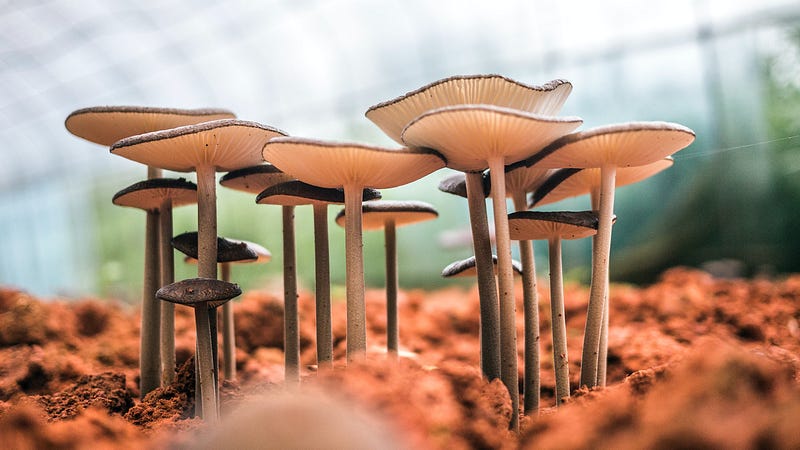
We are inundated with adopted ancient pathways to transformation in the modern age, one being mushrooms containing the psychedelic compound psilocybin. Most of us have met a psychonaut prophet, relating tales of how a tiny fungus changed their whole world, all in one night.
It is a bold claim and peaks curiosity, yet explanations of why tend to remain nebulous. The popularity of self-improvement is high, but this isn’t exactly like hitting the gym or talking to a therapist. At best, psilocybin is a weird cousin of seeking health or spiritual understanding by practicing yoga or meditation.
I mean, how many people do you know that needed to join a support group to understand their yoga teacher training?
Support groups for psychedelics are real and have nothing to do with addiction to substances like psilocybin. They are a boon for helping people understand turning a reality rocking psychedelic experiences into something actionable. Or not feel alone after a wild journey.
If you have been under the influence, maybe this doesn’t surprise you. Whether a trip is good or bad, intense psychedelic experiences are too profound to forget.
Complimenting this narrative of mystical experience is science showing a shifting the brain’s neurological pathways, altering human behavior, and documentation of sustained changes long after a trip has finished.
A big player in mapping these phenomena is the Johns Hopkins Center for Consciousness and Psychedelic Research. In early 2020, Frederik Barrett published functional magnetic resonance imaging (fMRI) images showing psilocybin’s effect on the brain and data detailing persisting changes in the subject’s emotions.
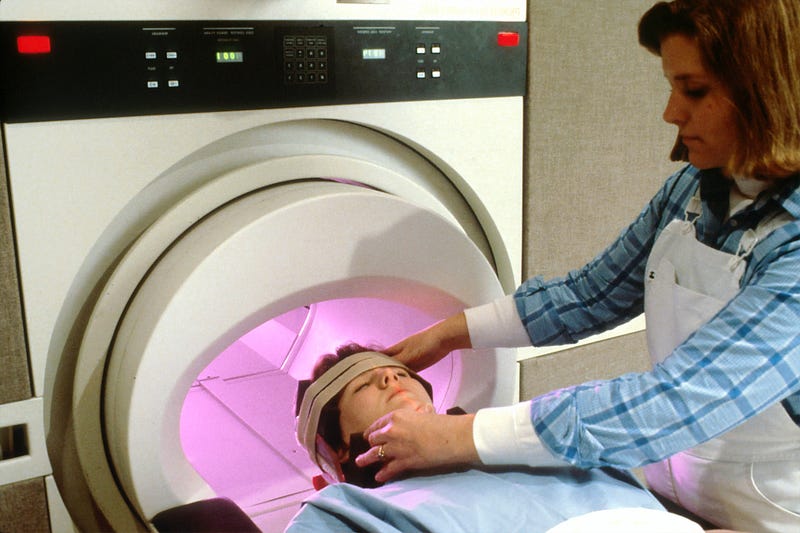
The results showed significant neural connectivity changes persisting both one week and one month after a single large psilocybin dose. After a month, some of the neurobiological connectivity returned to baseline, yet changes sustained after a single session is compelling, particularly when combined with subjects reporting an improved mood.
In another Hopkins study by Roland Griffiths, participants described an experience with psilocybin as some of the most significant mystical experiences of their lives while reporting no lasting adverse effects. The belief was sustained by over 60% of participants a year later, rating their journeys in the top five most profound spiritual experiences of their lives.
The debate is not if these psychedelics produce profound revelation; they often do, and modern study is beginning to document this reality’s significance.
In fact, in one review of an experiment with psilocybin in the 60s, participants still valued the spiritual nature of their experience over 25 years later. Follow up testing even recorded minutely higher scores on the mystical nature of the psilocybin experience. The authors impress that “Several decades seem to have strengthened the experimental group’s characterization of their experience as having had genuinely mystical elements.”
Psilocybin seems like strong stuff.
Articulating the magnitude of a paradigm-shifting mushroom trip is a difficult task, as expeditions in the psychedelic realm often transcend language. Nonetheless, Some studies required participants to describe their journey. In attempting to calculate an experience’s mysticism, the term “ineffable” is offered to participants.
The paradox of a word meaning indescribable to describe sums up current limitations to explain such intensely meaningful and personally unique experiences; indeed, many participants check the ineffable box and return with reports like these-
Freedom from every conceivable thing including time, space, relationships, self, etc.… It was as if the embodied “me” experienced ultimate transcendence — even of myself.
Or
The breath of God/wind/and my breath are all the same… I really enjoy the deep knowings or truths and laughing about them with “God.”
Reading rambling trip reports while understanding that these experiences are rearranging neural architecture, potentially over the long term, begins to illustrate why these experiments were conducted with two specially trained psychotherapists in the room.
But does that explain why people are so profoundly affected by psilocybin? Sustained changes in neurology back up people’s claims of turning over a new leaf. The attempt to document mystical experience is a window into how foreign mystical visions are, but why does that work?
The work of Robin Carhartt Harris gave study subjects significant doses of psilocybin and, with fMRI, mapped blood flow in their brains to search for a specific mechanism of action. The team captured images of the default mode network, an area of the brain Harris has called the “conductor” of several brain regions and is less active under the influence of psilocybin.
The default mode network (DMN) governs our ability to imagine ourselves in the past or future, understand others socially, and daydream. This conductor is also thought to be our sense of self or ego, with well-worn pathways through the brain’s neural network creating the patterns of who we are. What happens under psilocybin’s influence is the DMN shuts down, and the usual thoughts that make up our identity cease.
With the self disengaged, other connections around the brain increase between areas that do not normally communicate. Carhartt-Harris calls this “shaking the snowglobe,” a kind of reboot for the brain, where afterward, any new perspectives gained from rearranging neural connections are perhaps more easily translated into real change in life in the future.
What might some of these changes be?
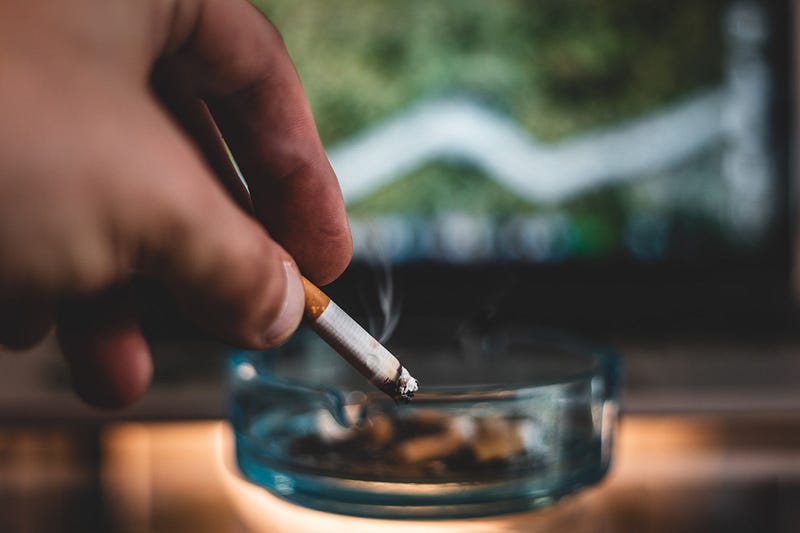
Quitting smoking is often described as one of the most challenging habits people struggle to kick. After 2 or 3 sessions with psilocybin — 80% of participants in a pilot study quit smoking on a 6-month timeline, and 60% sustained the change years later. This result is substantially better than conventional treatment methods like Cognitive Behavioural Therapy or the patch, which clock in with success 10–35% of the time.
Further compelling is why smoking’s importance shifted; the mystical experience. An “overpowering sense of awe, and subsequent lingering curiosity about life’s mysteries” was one study participants take on why. Indeed, there is even a correlation between how profoundly mystical a trip was with the success rate of quitting smoking.
But the whole story is not so simple as spending a night on shrooms.
The study happened over 15 weeks, where multiple psilocybin sessions combined with weekly meetings. Participants discussed psilocybin experiences were provided with support for quitting smoking and received Cognitive Behavioural Therapy.
Albert Garcia-Romeu, a Hopkins researcher who conducted many of the CBT and psilocybin sessions in the smoking study, remarks,
The psilocybin sessions themselves are an important ingredient in this type of treatment, but other elements play a big part as well. The preparatory counseling and CBT help people examine their motivations for smoking and their reasons for quitting, getting them in the right mindset to make a change. The relationship between the monitors and the participants can facilitate a sense of trust and safety for undergoing these high dose psilocybin sessions, and the integration work that occurs afterwards is designed to help people make meaning and get something valuable and lasting out of these experiences, in addition to providing ongoing support for behavior change.
A high dose of psilocybin does not guarantee lasting change, nor does therapy, but it seems combining the two could improve the odds. Already established tactics like therapy and support of peers working in synergy with psilocybin may help people positively influence their mental or physical health. Yet, like any change, people still need to put in work and have a support system to integrate insights from a non-ordinary state of consciousness.
The only legal guided therapy sessions with psilocybin are clinical trials, and programs to certify professionals for legal guided journeys are not currently available to the public. Two organizations Compass Pathways and MAPS Public Benefit Company, offer reserved for those carrying out clinical trials at approved universities. One program offered at California Institute for Integral Studies is available for licensed professionals to study psychedelic-assisted therapy but does not allow legal drug administration.
For the millions of psychedelic users already down the rabbit hole, a growing number of therapists and coaches offer integration services, in some cases, after spending years underground. Aforementioned, integration groups are appearing for people needing to relate radical experiences. As psychedelic integration is not in professionals’ current classical training, multiple organizations provide therapist training programs to help people integrate strange, sometimes traumatic, but increasingly common experiences. Other organizations are training coaches to help people leverage new understandings into their life.
A glimpse of this emerging industry is on the Multidisciplinary Association for Psychedelic Research (MAPs) website, now listing 300+ professionals who offer services for people working out their journeys. MAPs have also created the Zendo project, which trains volunteers to create safe spaces at public events to focus on harm reduction and helping people through challenging drug experiences.
This recent wave of professionals building a new sector around integration services represents that psychedelics are not necessarily fast. The market demands them as people unwilling to wait for legal therapy to ascribe higher value to their psychedelic experiences and take them seriously while investing real resources.
Mental health has been in the public sphere for years as a huge problem, and psychedelics may represent a new tool needed to turn the tide as the science of shifting neural architecture creates evidence that real change can happen under the influence and in the month's afterword. Yet, having the change be positive is part of a carefully designed program created by professionals and willing individuals.
As Rosalind Watts summarizes at the end of her TED talk about psilocybin’s influence, “It’s not the mushroom… It’s the patient. The mushroom just gives them the key.”