avatarFloyd Mori

Summary

The web content discusses the divisive nature of Donald Trump's rhetoric and its impact on American society, particularly in the context of the 2020 presidential election and his handling of the coronavirus diagnosis.

Abstract

The article titled "Do People Wish Ill On Those They Dislike?" uses Donald Trump as a primary example to explore the concept of wishing harm upon one's enemies. It highlights Trump's consistent use of hateful language and bullying tactics against his opponents, both in public discourse and on social media. Despite his wife's attempt to portray him as transparent and honest during the Republican National Convention, Trump's presidency has been marred by over 20,000 documented lies. The piece acknowledges the polarized reactions to Trump's COVID-19 diagnosis, with public figures wishing him well and some of the general public possibly hoping for a more severe outcome. The content also touches on the broader societal implications of Trump's behavior, noting the increase in hatred and division among Americans, and the potential for either a shift towards civility or a continuation of current tensions depending on the outcome of the election. The article emphasizes the importance of voting and civic participation in the face of these challenges.

Opinions

  • The author suggests that Trump is a significant global bully who frequently ridicules his enemies and turns on his allies.
  • Trump's wife's comment about his transparency is seen as an attempt to mitigate the damage from his numerous lies during his presidency.
  • The article implies that Trump openly wishes for the imprisonment of his enemies, despite some of his former allies facing prison time for their association with him.
  • Some public figures expressed hopes for Trump's quick recovery from COVID-19, but the sincerity of these sentiments is questioned.
  • There is an indication that a segment of the population may have wished for Trump to suffer seriously from COVID-19, reflecting the intense dislike some have for him.
  • The author points out that Trump's hateful comments have exacerbated racial tensions and suggests he supports white supremacy.
  • The article describes the current political climate in the U.S. as toxic, with people openly expressing hatred towards political opponents.
  • The upcoming election is presented as a pivotal moment that could lead to a change in the current atmosphere of animosity or perpetuate it for another term.
  • The importance of voting is heavily stressed, with a call to action for eligible voters to participate in the election.

Do People Wish Ill On Those They Dislike?

Obviously, Trump does
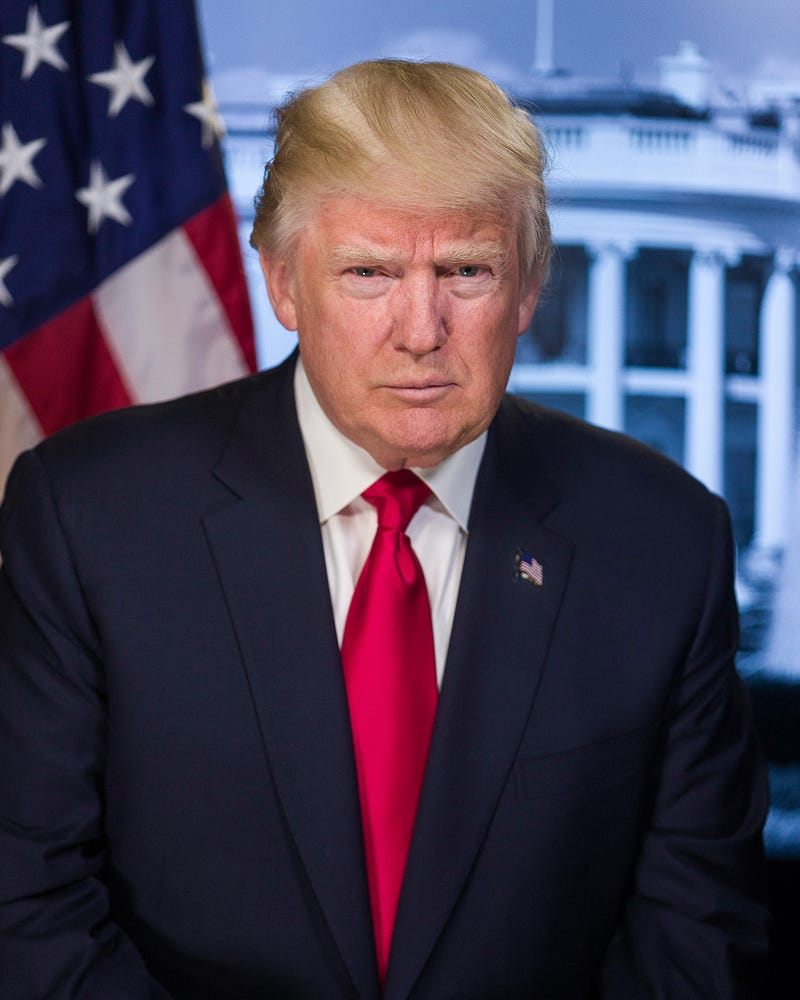
Photo by Library of Congress on Unsplash

Trump uses hateful words regularly

There has likely never been a bigger bully on the world stage than Donald Trump. He has made himself known as one who bullies people everyday. His tweets that he shares on social media are always ridiculing one or another of his enemies. Even his formerly loyal followers can be turned on in a minute. He is not afraid to show his true colors.

One thing that Trump’s wife said at her speech at the Republican National Convention was that you will always know what Trump is thinking. She was apparently trying to diffuse the fact that he has been caught in over 20,000 lies during his Presidency. She was supposedly saying that he was honest, which everyone knows is not true. It might be true that you know his thoughts because he expresses his hate in words.

It seems pretty obvious that Trump wishes for bad things to come to his enemies. He not only thinks it, but he is not hesitant to make it public knowledge. He wants all his foes to be put into prison. That is even with the fact that many of his close former allies have served prison time because of their associations with him and doing his bidding. Many people, including George Conway and Anthony Scaramucci, say that Trump himself should be in prison.

When Trump became diagnosed positive with the coronavirus, there were many news people who reported on his condition. They said they hoped for a quick recovery for him. They did not wish ill on him. Whether they actually meant it or not is up for debate. They were being kind in their remarks.

There were many in the general public who do not like Trump who probably did wish for him to have a serious case of the COVID-19 and possibly to not even recover. Trump has many enemies, but he also has many loyal followers. They wish him well and support him no matter what he says or does.

Trump’s hateful comments have caused pain and suffering for many people, including those who have racism shown against them. He is unwilling to stop his racist rhetoric as he seemingly supports white supremacy.
Photo by Element5 Digital on Unsplash

The United States is at a crossroads. The atmosphere in the country is more toxic than it has been for a long time. People are expressing their hatred and disdain for political opponents. The people on the street are also not afraid to show hatred to anyone who opposes their preferred candidates. Friendships are being lost or ruined.

This election will be telling. It will either be a time for change and hopefully renewed civility or it will be four more years of the same hatred.

Voting in this election is very important for all Americans eligible to vote. Many millions have already voted. Don’t waste your vote by not taking part.

Politics
Elections
Donald Trump
Hatred
Vote
Recommended from ReadMedium