
Do businesses need conventional websites anymore?
As third-party platforms continue to grow and enhance their capabilities, the necessity for traditional websites will diminish.
If you had asked me ten years ago if businesses need a fully-equipped website, I would have found the question absurd and responded with an emphatic yes. But nowadays, the question is more complicated, especially with the availability of superior third-party platforms that offer built-in audiences and lower development and overhead costs.
Take my own experience as an example. Years ago, I started a blogging business using WordPress — the most popular website for bloggers back then. However, WordPress also demanded much of my time and money to maintain. Not to mention the rigorous SEO and marketing efforts required to attract readers to the site regularly.
Fast forward a few years, and I’ve ditched the personal blog site and write exclusively on Medium. It took minutes to learn and set up, and I can reach a relevant audience while also reducing the time and money needed to run a traditional website.
Sure, I gave up some customization options, but that’s a minor trade-off in the grand scheme. The convenience and reach offered by Medium far outweigh the benefits of a personal website.
But it’s not just writers like me who have the luxury of eliminating a conventional website via a third-party platform. Whether you sell or market information, products, or services, there’s likely a platform you can leverage to replace or perform the heavy lifting of your site.
For example, a local restaurant in my neck of the woods called GoBurger strategically utilizes GrubHub to host their menu and order transactions. Their actual website is an outdated landing page directing customers to GrubHub and their social network.
This strategy of not having a conventional website does not appear to hurt them, as they always seem busy, and from what I hear, they plan on opening more restaurants.
GoBurger saves a ton by not hiring web designers or technicians to develop or maintain their site — allowing them to focus on their incredible burgers. As a customer, I prefer the GrubHub page because it’s familiar and easier to navigate than other restaurant websites.
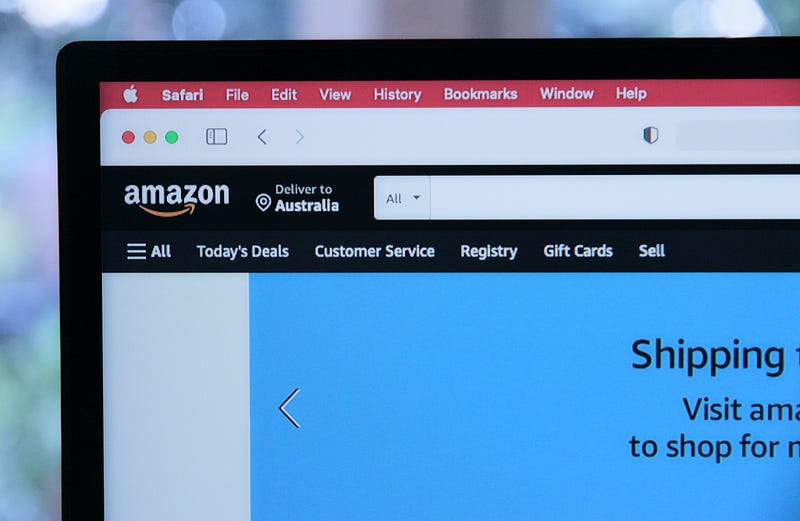
Another well-known third-party platform many companies now utilize is Amazon. When I’m ready to purchase my beloved Peet’s dark roast Swiss water-processed decaf coffee, I don’t visit Peet’s website to order the product — instead, I opt for Amazon’s convenience. My information is readily accessible, and they have a streamlined purchasing process — even offering automatic ordering and delivery options.
Don’t get me wrong, Peet’s has a beautiful website, and I’m sure they receive customers who buy from there often. But the company could just as easily send users to their favorite shopping hub and save themselves the headache of designing, programming, and maintaining an eCommerce setup.
Choosing a third-party website, such as Medium, GrubHub, Amazon, Booking.com, CarMax, etc., can be a strategic decision to save companies time and money — an appealing consideration to any business.
Of course, using a third-party website is not for every business, as many will argue they have little control over things such as design, user and customer experience, and other critical factors.
However, what these third-party platforms lack in control and customization, they make up for in having a familiar user interface and a wider audience reach. In my opinion, these advantages can tip the scale in favor of these platforms over custom or conventional websites, making them a beneficial choice for businesses.
The way things are going, it’s only a matter of time before every industry or market sector has a third-party option to replace their complex or conventional website needs — if they don’t exist already. Ultimately, we will be left with simple landing pages directing consumers to their favorite platforms to handle the more complex tasks.
Unfortunately, I’m not sure where this leaves us designers. I assume it means fewer in-house company designers focusing on website/product UX/UI and pivoting into more marketing designer roles. However, some designers will still need to work on the significant third-party hubs. That is, if AI doesn’t take over everything first.
Don’t miss out! Join my email list and receive the latest content.


