
MENTAL HEALTH AWARENESS SERIES
Do Bad Luck and Superstition Affect Mental Health?
13th day of May — it’s Friday the 13th, don't walk under a ladder or break a mirror. It’s bad luck.
May is National Mental Health Awareness month and May 2022 has a Friday the 13th. The last time May had a Friday the 13th was 2011 and the next time will be 2033.
2011, 2022, 2033…is that a pattern that I see?
So is there a connection between mental health and superstition? Probably, but first, let’s look at some fascinating facts about Friday the 13th.
Friday the 13th Source: Earthsky.org
It’s inevitable. Any common year of 365 days — that starts on a Saturday — has a solitary Friday the 13th in the month of May. 2022 started on a Saturday. And 2022 has 365 days. So, in this case, May 13, 2022 is our sole Friday the 13th for this year.
Plus! Any calendar month that starts on a Sunday harbors a Friday the 13th. And May 2022 started on a Sunday. Voila again. So, for this reason, we have a Friday the 13th this month.
Previously, the last time a common year sported a Friday the 13th in May was in 2011. Subsequently, after this year’s Friday, May 13, 2022, the next one won’t come until May 13, 2033.
In any given year, there’s always at least one Friday the 13th. So, how many Friday the 13ths can we have in a year? The answer is … three.
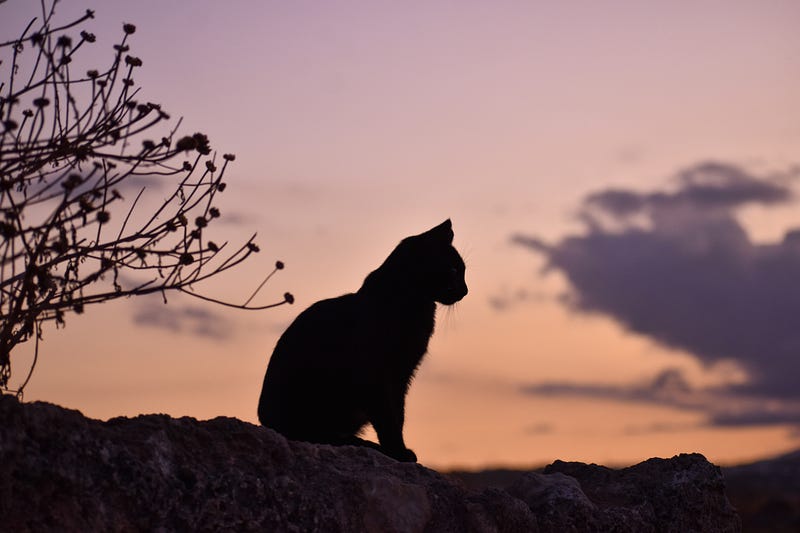
What superstitions do you have about Friday the 13th? I remember something about a ladder, a black cat, and a mirror. And I also recall that they’re all associated with bad luck. But I don’t consider myself superstitious so I don’t concern myself with any of the traditional bad luck.

Do Bad Luck and Superstition Affect Mental Health?
Take a look at this humorous description of how bad luck can affect someone suffering from mental illness —
Lord Chumley Frampton, Dean of Statistical Analysis at Basingstoke University, stunned the mental health community recently by announcing that his team of researchers had located a quantifiable connection between mental illness and bad luck. While a relationship has been suspected for decades, Lord Frampton is the first to isolate it.
The following comments are excerpted from Lord Frampton’s prepared statement.
Schizophrenics are 10 times more likely to sit on a porcupine than the average citizen. While there is no science to suggest that schizophrenic porcupines are 10 times more likely to be sat upon, we do suspect it. The number of schizophrenic porcupines sat upon by schizophrenic human beings in a given year is statistically insignificant.
Clinically Depressed individuals are 17 times more likely to be struck by lightning. (Remarkably, only one out of every three who are struck even notice. Another third are actually pleased to have had their world-view validated.)
Bipolar Disorder sufferers are three times as likely to hit the lottery. This seems lucky; except that, those who do are thirteen times as likely to lose all their winnings on mad spending sprees, thus rendering them far more miserable than they were to begin with.
Narcissists are five times as likely to have a mirror shatter. Our researchers believe that this is because they are five times as likely to be in front of a mirror in the first place.
Those with Obsessive Compulsive Disorder are six times as likely to step on a crack, and 19 times as likely to do it over and over and over.
Addicts & Alcoholics are 19 times more likely to crawl under a ladder and have a large can of paint fall on their head. (Well over 50 percent of those who do decide to spend the night there.)
Excited by these breakthrough discoveries, Lord Frampton says he and his team will next be looking for connections between mental illness and the Law of Supply and Demand.
All kidding aside, some mentally challenged people really do suffer from the effects of superstition and bad luck. They not only have trouble on Friday the 13th but their daily lives are affected.
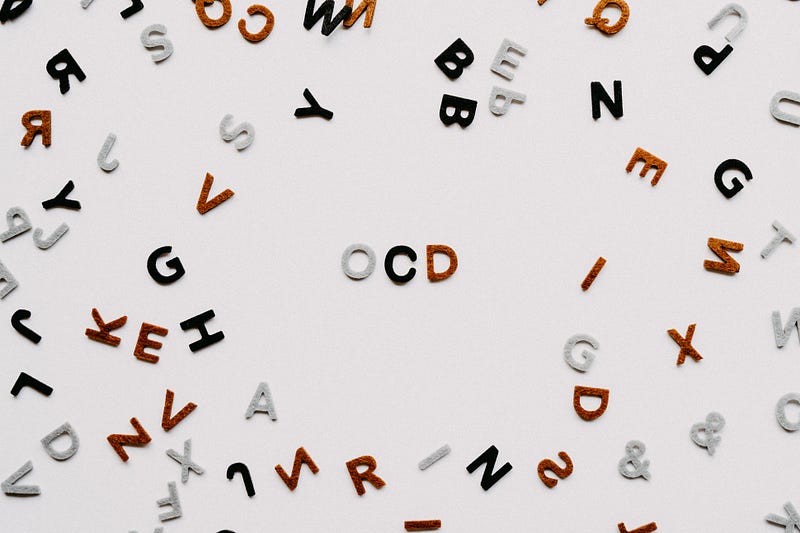
But What Happens if Superstitions Affect Your Daily Life? For some, superstitions can affect their day-to-day life. Individuals who struggle with Obsessive-Compulsive Disorder (OCD), superstitions can become fixations, triggering obsessive thoughts or anxiety. They are unable to dismiss their superstitions beliefs and behaviors. Those who suffer from anxiety disorders may also struggle with common superstitions. Superstitions become a problem when they prevent people from doing everyday tasks or inhibit them from specific activities. It may also be the first sign to a loved one that something is wrong. People should seek help from a mental health professional if they feel they are being controlled by their superstitions. Cognitive behavioral therapy, exposure therapy, and habit reversal therapy have all been shown to be successful treatment options. Source: Beverly Hills Therapy Group
Obsessive - Compulsive Disorder (OCD)
This mental illness is a complex and far-reaching disorder affecting millions all over the world.
OCD is More Common Than You Think
Studies estimate that approximately 1 to 2% of the world population suffers from Obsessive-Compulsive Disorder. Considering that there are around 7.5 billion people in the world today, that estimates to be about 100 to 150 million people living with OCD.Jan 22, 2021
Thank you for reading today’s Mental Health Awareness article. Stay tuned for another tomorrow. I’m going to continue to explore OCD in future articles this month. And in case you missed the previous articles on mental health awareness, you can find them here.

Are You Out There family of publications: | Are You Out There | GOLD Writing | BMG Productions | Drop a Line| |🦋Imaginative Fiction Out There🦋 |Read All About It |
Find me: 🦋Kathy K’s Medium profile page 🦋 🦋Subscribe to my stories by email 🦋Join Medium with my referral link
| Gmail | Facebook | Twitter | LinkedIn | Substack | Simily | Vocal | |Elegant Literature | Ko-Fi |


