
DIY Sleep Lab: Keep a sleep journal
I call it the Sleep-like-a-log Log.
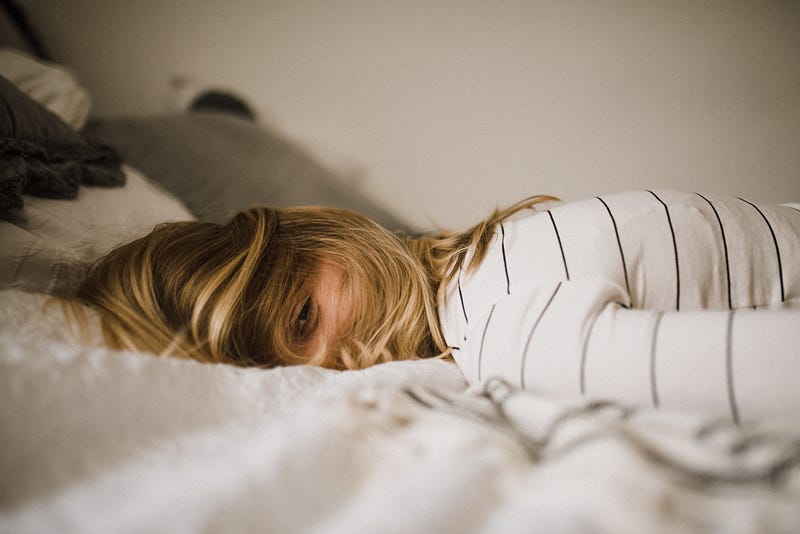
How are you sleeping these days?
Not so good? Tossing and turning? Does your monkey-mind go into overdrive about 3 am? Got a partner whose snores rip through the stiffest ear plugs?
You’re not alone. Sleep has become a precious commodity, the holy grail of health and wellness. And a third of adults across all age groups start each day in a sleep deprived fog, like walking zombies staggering to the coffee maker.
Including me.
I glance at my clock three or four times a night (yes, I went back to an old-school alarm clock. More on that later.) I get on the mental hamster wheel of hashing through old arguments, I worry about my kids, I dwell on anything I coulda-woulda-shoulda gotten done that day. Covers off, covers on, one leg out, flip the pillow. By morning it looks like a wrestling match took place in my bed.
Basic needs: Air, Food, Water, Love, Exercise, SLEEP
What’s the big deal about missing out on a few ZZZs? I have friends who take pride in how little sleep they get, and they seem to function just fine. But sleep is key to the most important body operations: thinking clearly, fighting off disease, staying oxygenated energized. It’s right up there with hydration, nutrition, and being part of a community. Consistent lack of sleep whittles away at a person’s foundation of health.
Not to mention that no REM = no dreams, and what a dull life it would be without dreaming. Whether dreams are truly made of our subconscious desires (as per the dream duo, Freud and Jung) or are random memories jostled together (a more modern theory that feels more robotic than human IMO) you have to admit dreams are wildly imaginative, interesting, provocative, terrifying, hilarious, and the absolute best part of sleep.
I dream of painting, and then I paint my dream. ~ Vincent Van Gogh
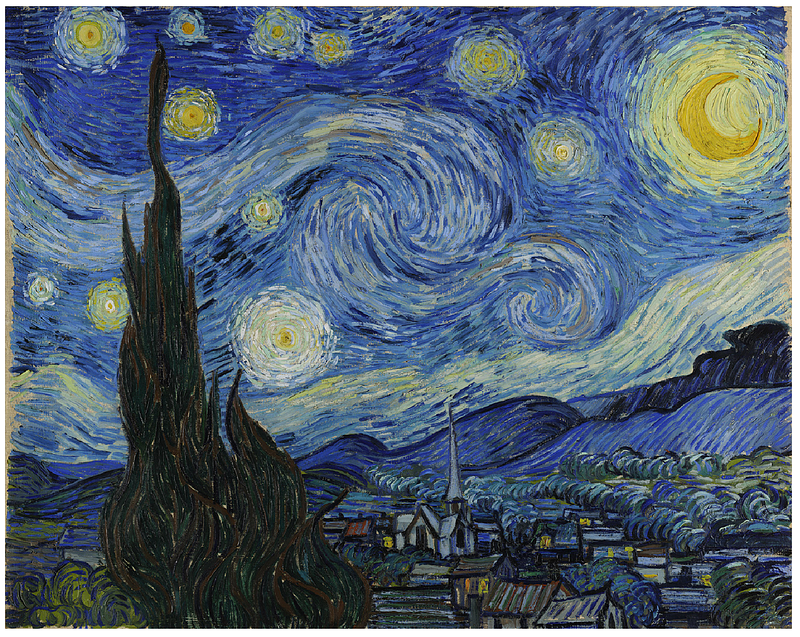
Simple steps to better sleep? Let’s put them to the test.
I’m not the first writer here on Medium to discuss ways to sleep better. Here’s a good one on pink noise and sound waves, and another on how to establish better sleep routines.
Of all the tips and habits suggested, which ones really make a difference? Here’s where the sleep log comes into play. Each night before the lights go out, I’m using this table to record what happened that day that could impact my sleep. In the morning, I’ll note down how the night actually went.
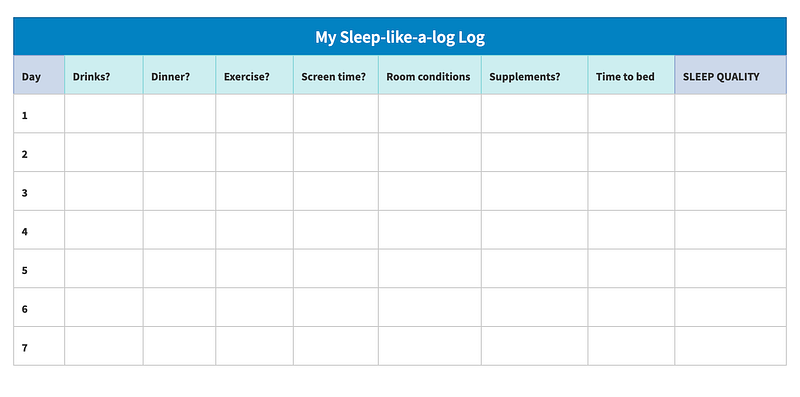
My sleep variables include the list below. I always shower at night, so I didn’t need to track that (BTW it’s a good sleep habit.) Your list might be different — maybe whether you meditated, whether you had sex, or whether you had amazingly crisp, fresh sheets on the bed. The criteria on my table, described below, are just suggestions.
Drinks: Cups of coffee in the afternoon? Wine with dinner? A toddy nightcap? Note them here.
Dinner: Am I trying to sleep with a late night taco nacho grande in my belly? Note the time I finished eating and if it was extra heavy or spicy.
Exercise: What kind of workout did I do that day? Was it enough to leave my muscles tired and my mind relaxed?
Screen time: Blue light from screens tells human brains to stay awake — and often what we watch is not exactly calming either. Record evening screentime here.
Room Conditions: Temperature (colder is better), sound, and light quality. Did I wear earplugs? Keep a fan running? This is the place to record whether the pink waves really work.
Supplements: From sleepy-time teas to melatonin gummies to CBD/THC tincture in my tea, the list of over-the-counter sleep aids is long. Do they help? Track them here.
Timing Sleep: What time did I climb into bed? I like to read for a while — sometimes a looooong while — so I’ll also note the time for lights out.
Sleep quality: This column gets filled out in the morning. How many hours of sleep? Do I feel rested? Foggy? Energized? Exhausted? Did I dream?
The sleep log is my own 14 day challenge. If you decide to keep a log too, let me know if you see any patterns emerge that helped nudge out of zombie land and into the land of dreamy starry nights.