avatarCameron Waters

Free AI web copilot to create summaries, insights and extended knowledge, download it at here

3090

Abstract

ate-testing-to-tackle-rice-fraud">rice</a>, and various <a href="https://www.foodnavigator.com/Article/2020/10/23/How-safe-is-your-sage-Study-uncovers-high-levels-of-adulteration">spices</a> were found to be saturated with fraudulent products, although most cases hurt consumers’ wallets more than their health.</p><p id="d91d">While these practices are deceptive, their economic consequences pale in comparison to the potentially devastating health risks of more extreme food fraud. In 2008, Chinese manufacturers were found adding <a href="https://www.fda.gov/food/laboratory-methods-food/laboratory-information-bulletin-lib-4421-melamine-and-cyanuric-acid-residues-infant-formula">melamine</a>, a synthetic chemical used to make plastics, to pet food and infant formula to increase nitrogen levels that would make the product protein levels appear higher. This case led to infant kidney failure and 50,000 hospitalizations in the United States.</p><p id="ad24">In 1981, Spanish olive oil traders unknowingly traded <a href="https://pubchem.ncbi.nlm.nih.gov/compound/Aniline">aniline</a>-contaminated rapeseed oil. The aniline, which is often used to make dyes and plastics, can be poisonous in some forms. Over 1,000 Spaniards died from “<a href="https://www.sciencedirect.com/topics/medicine-and-dentistry/toxic-oil-syndrome">toxic oil syndrome</a>” because of this contamination.</p><p id="3b3f">Headlines from across the world cover intentionally adulterated foods harming public health. In 2017, a norovirus outbreak in Quebec <a href="https://globalnews.ca/news/7380531/chilean-raspberry-scam-canada-norovirus-outbreak/">was linked</a> to falsely labeled raspberries. Two <a href="https://www.consumerreports.org/health/food-safety/lead-and-cadmium-in-dark-chocolate-a8480295550/">Consumer Reports</a> studies found lead and cadmium in popular chocolate bars and cadmium in <a href="https://www.consumerreports.org/health/food-safety/your-herbs-and-spices-might-contain-arsenic-cadmium-and-lead-a6246621494/">some spice mixes</a> from popular grocery stores in the U.S.</p><figure id="552c"><img src="https://cdn-images-1.readmedium.com/v2/resize:fit:800/1*kUMxZRhuAZaWBaazigWU4w.jpeg"><figcaption>Photo by <a href="https://unsplash.com/@norevisions?utm_content=creditCopyText&amp;utm_medium=referral&amp;utm_source=unsplash">No Revisions</a> on <a href="https://unsplash.com/photos/2-person-in-white-shirt-standing-by-the-table--CJcwxNAoSM?utm_content=creditCopyText&amp;utm_medium=referral&amp;utm_source=unsplash">Unsplash</a></figcaption></figure><h1 id="d734">From farm to fraud</h1><p id="da7d">The lead found in the cinnamon could have come from three potential sources: lead in the soil the cinnamon was grown in, contamination during processing, or the intentional addition of <a href="https://inspection.canada.ca/food-safety-for-industry/food-chemistry-and-microbiology/food-safety-testing-reports-and-journal-articles/final-report/eng/1642701011598/1642701012113">lead chromate</a> to increase the product’s weight or color.</p><p id="c659">Accurately determining a conta

Options

mination source is difficult in modern food supply chains. The three applesauce brands in question were all linked to one manufacturer in Ecuador, where the FDA is conducting its investigation. However, the cinnamon was grown in India or Vietnam and processed in China before the Ecuadorian manufacturer received it.</p><p id="8eeb">Food is produced across multiple supply chain points where fraud could occur and in countries with different food production regulations. The higher concentrations of lead point to intentional adulteration rather than environmental contamination, which is why the FDA is investigating this case specifically.</p><p id="ad1b">Most of the time, food fraud does not make people sick. Cinnamon applesauce is a perfect storm for health risks as the <a href="https://www.foodchainid.com/products/food-fraud-database/">Food Fraud Database</a> found that herbs and spices were some of the top commodity groups prone to fraud, and the negative health outcomes of lead-based agents are more pronounced in children. Any event of fraud, however, can undermine public trust in food industries and the government agencies responsible for regulating them.</p><figure id="ebab"><img src="https://cdn-images-1.readmedium.com/v2/resize:fit:800/1*AQp6WExTYTBKWtmXq4-O6g.jpeg"><figcaption>Photo by <a href="https://unsplash.com/@arnosenoner?utm_content=creditCopyText&amp;utm_medium=referral&amp;utm_source=unsplash">Arno Senoner</a> on <a href="https://unsplash.com/photos/a-group-of-men-in-a-factory-oLS6IxceVNs?utm_content=creditCopyText&amp;utm_medium=referral&amp;utm_source=unsplash">Unsplash</a></figcaption></figure><h1 id="a218">Preserving dietary authenticity</h1><p id="0fe1">The scale and impact of globalized food systems increase the potential for contamination cases across the world. While some food safety inspections can detect contamination and recall products after discovery, not all nations have the same infrastructure. Even the most advanced systems only sometimes catch contamination before the products reach consumers.</p><p id="182d">The FDA can test food products shipped to the United States and block products from entry if they are contaminated. However, many countries do not have the same consumer protection practices in place. The FAO has proposed conducting <a href="https://www.fao.org/3/cb2863en/cb2863en.pdf">food fraud vulnerability assessments</a> and establishing control points for inspection as food moves across the world. Some groups are also working to regulate consumer protection legislation, trade practices, and food labeling rules.</p><p id="52e7">The supply chain has changed after COVID-19 and is more global than it has ever been. The FDA and international organizations like the FAO have to adapt to meet new challenges and mitigate consumer risks. If you want to learn more about current measures to reduce food fraud, you can read the Food and Agriculture Organization’s report on food fraud <a href="https://www.fao.org/3/cb8667en/online/src/html/food-fraud-reshaping-the-narrative.html">here</a>.</p></article></body>

Dishonest Eats: Exploring the Global Challenge of Food Fraud

Your $17 olive oil isn’t really olive oil.

On December 14th, Politico published an article exposing the discovery of lead-contaminated cinnamon in three brands of children’s applesauce. Over 60 children have tested positive for lead poisoning, some with levels 500 times the acceptable threshold, and the FDA has launched an investigation to determine if this event was intentional.

Every day, I get emails from the FDA alerting me of some emergency flour recall or change to sesame oil labels. Since I never read them, I was shocked that someone could purposefully add a potentially harmful ingredient to a food product. A deeper dive revealed that this is called food fraud, and it is not an uncommon food industry practice.

Photo by Providence Doucet on Unsplash

What is food fraud?

Food industry fraud, sometimes called economically motivated adulteration, involves intentionally removing or substituting a valuable ingredient, adding a substance to a food product to make it appear more valuable, or misrepresenting a food product and its ingredients.

Food fraud mean the deliberate and intentional substitution, addition, tampering with or misrepresentation of food, ingredients, or packaging at some stage of the product’s distribution cycle for economic gain. -NFU Mutual Food Fraud Report

Examples of food fraud are not hard to find. Manufacturers sell “100% olive oil” that has been diluted with cheap vegetable oil, or mix corn syrup into a bottle of “pure maple.” Expensive spices like saffron are ground up with stems or colored with lead-based dyes, and rockfish are sold masquerading as fine filets of red snapper. European markets for French vanilla, rice, and various spices were found to be saturated with fraudulent products, although most cases hurt consumers’ wallets more than their health.

While these practices are deceptive, their economic consequences pale in comparison to the potentially devastating health risks of more extreme food fraud. In 2008, Chinese manufacturers were found adding melamine, a synthetic chemical used to make plastics, to pet food and infant formula to increase nitrogen levels that would make the product protein levels appear higher. This case led to infant kidney failure and 50,000 hospitalizations in the United States.

In 1981, Spanish olive oil traders unknowingly traded aniline-contaminated rapeseed oil. The aniline, which is often used to make dyes and plastics, can be poisonous in some forms. Over 1,000 Spaniards died from “toxic oil syndrome” because of this contamination.

Headlines from across the world cover intentionally adulterated foods harming public health. In 2017, a norovirus outbreak in Quebec was linked to falsely labeled raspberries. Two Consumer Reports studies found lead and cadmium in popular chocolate bars and cadmium in some spice mixes from popular grocery stores in the U.S.
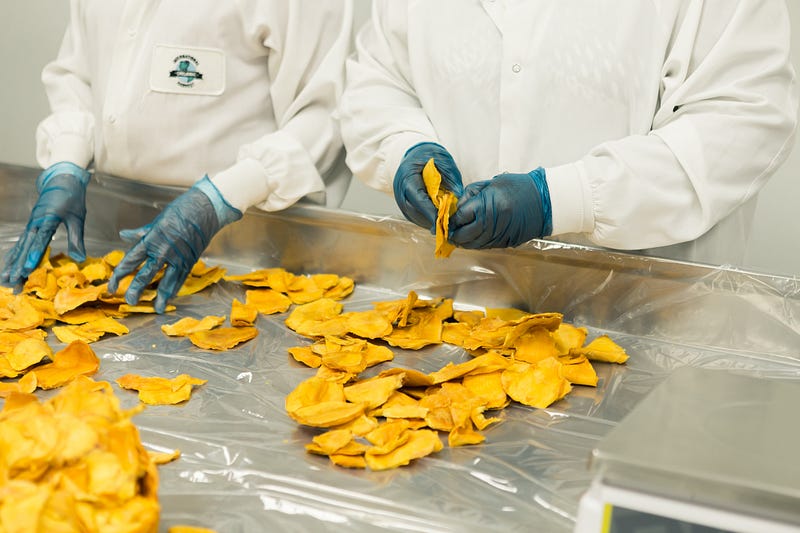
Photo by No Revisions on Unsplash

From farm to fraud

The lead found in the cinnamon could have come from three potential sources: lead in the soil the cinnamon was grown in, contamination during processing, or the intentional addition of lead chromate to increase the product’s weight or color.

Accurately determining a contamination source is difficult in modern food supply chains. The three applesauce brands in question were all linked to one manufacturer in Ecuador, where the FDA is conducting its investigation. However, the cinnamon was grown in India or Vietnam and processed in China before the Ecuadorian manufacturer received it.

Food is produced across multiple supply chain points where fraud could occur and in countries with different food production regulations. The higher concentrations of lead point to intentional adulteration rather than environmental contamination, which is why the FDA is investigating this case specifically.

Most of the time, food fraud does not make people sick. Cinnamon applesauce is a perfect storm for health risks as the Food Fraud Database found that herbs and spices were some of the top commodity groups prone to fraud, and the negative health outcomes of lead-based agents are more pronounced in children. Any event of fraud, however, can undermine public trust in food industries and the government agencies responsible for regulating them.
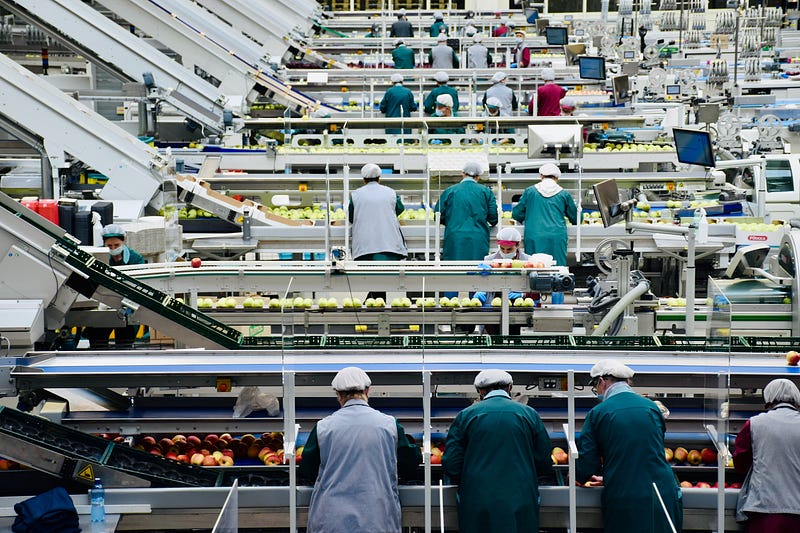
Photo by Arno Senoner on Unsplash

Preserving dietary authenticity

The scale and impact of globalized food systems increase the potential for contamination cases across the world. While some food safety inspections can detect contamination and recall products after discovery, not all nations have the same infrastructure. Even the most advanced systems only sometimes catch contamination before the products reach consumers.

The FDA can test food products shipped to the United States and block products from entry if they are contaminated. However, many countries do not have the same consumer protection practices in place. The FAO has proposed conducting food fraud vulnerability assessments and establishing control points for inspection as food moves across the world. Some groups are also working to regulate consumer protection legislation, trade practices, and food labeling rules.

The supply chain has changed after COVID-19 and is more global than it has ever been. The FDA and international organizations like the FAO have to adapt to meet new challenges and mitigate consumer risks. If you want to learn more about current measures to reduce food fraud, you can read the Food and Agriculture Organization’s report on food fraud here.

Food Industry
Global Health
Nutrition
Food
Food Fraud
Recommended from ReadMedium