
Diseases And Their History
What can we learn from these

Throughout history the human experience has been extreme with the threads of various diseases that have left marks on societies and shaped the course of medical progress.
Smallpox:
Smallpox was a dangerous and contagious disease that caused high fevers and distinctive rashes on the skin. It affected people for many years causing widespread outbreaks. However in 1980 the world successfully eradicated smallpox through a global vaccination campaign. This achievement stands as a major milestone in medical history.
The Black Death (Bubonic Plague):
The Black Death or Bubonic Plague struck in the 14th century spreading across Europe Asia and Africa. It was caused by a bacterium transmitted through fleas on rats. The plague led to massive loss of life and had profound effects on societies. Improved sanitation practices eventually played a crucial role in controlling its spread.
Spanish Flu (1918 Influenza Pandemic):

The Spanish Flu in 1918 affected a third of the global population. Caused by the H1N1 influenza A virus spread rapidly exacerbated by the movement of troops during World War I. The Spanish Flu was unique in disproportionately affecting young healthy adults. Healthcare and public health advances have better prepared us for managing influenza outbreaks.
Polio:
Polio or poliomyelitis is a viral disease primarily affecting children. In the early to mid-20th century polio outbreaks caused widespread fear. The development of the polio vaccine notably by Jonas Salk and Albert Sabin was a breakthrough moment. Through widespread vaccination effort, polio has been largely eradicated in many parts of the world.
HIV/AIDS: Human Immunodeficiency Virus (HIV)
Causes AIDS an advanced stage of infection. The global AIDS epidemic emerged in the late 20th century impacting public health significantly. The development of antiretroviral therapy has transformed HIV from an extreme illness to a manageable chronic condition improving the quality of life for those affected. But still, I must say awareness is needed to prevent this disease.
Cholera:
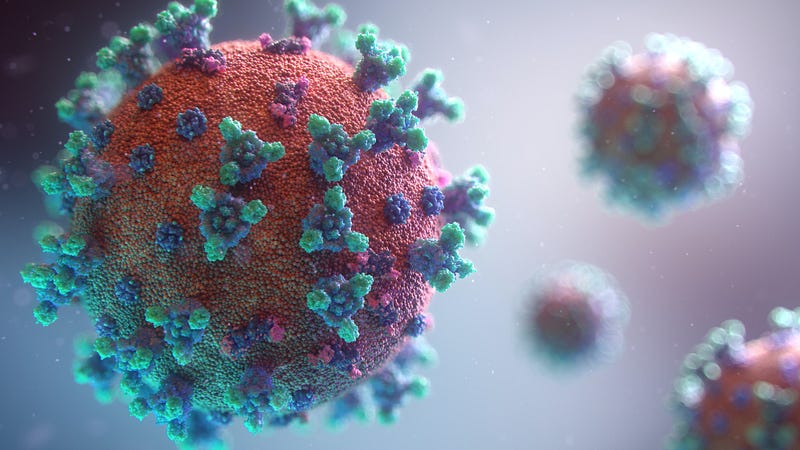
This bacteria's infection can cause severe diarrhea and dehydration typically spread through contaminated water. Historically cholera has led to deadly epidemics especially in areas with poor sanitation. Implementing clean water and sewage systems along with oral rehydration therapy has significantly reduced the impact of cholera in many regions.
Tuberculosis (TB):
Tuberculosis is a bacterial lung infection that has been present throughout human history often referred to as “consumption” in the past. In the 19th and start of the 20th centuries TB was a leading cause of death. The discovery of antibiotics such as streptomycin revolutionized TB treatment. However drug-resistant strains of TB continue to pose challenges emphasizing the ongoing need for research and public health efforts.
As we reflect on the pages of history by the winds of diseases let us not forget the resilience compassion and scientific ingenuity that have guided humanity through these trials. The eradication of smallpox is a label for our ability to unite against common threats and the progress made in managing diseases like HIV/AIDS showcases the transformative power of human determination.
I am Amna Fayyaz. Follow me and subscribe. Visit my referral link it will help me a lot