
Discrimination Can Be A Team Sport
Not being picked for a team isn’t always about race, but sometimes it is.
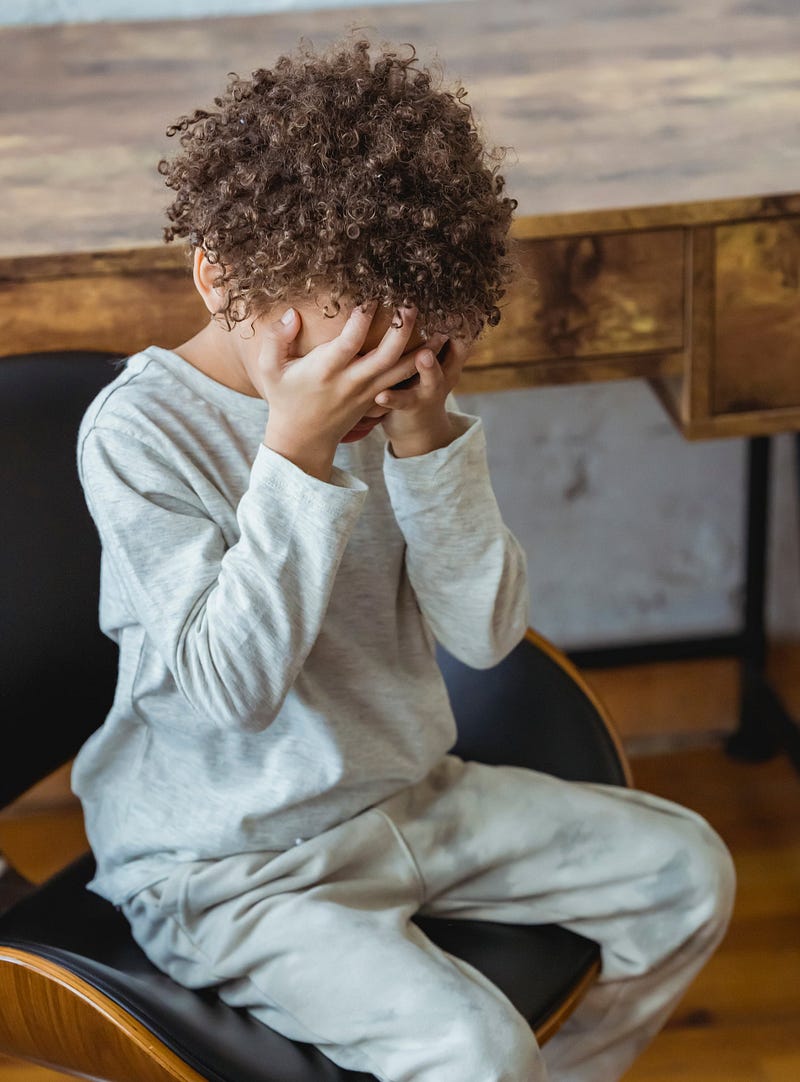
Kickball was the shit when I was young. I loved that game. I couldn’t get enough of it. Now, we’re going back a ways here but the feeling of launching that textured red rubber ball into the far reaches of a field was something that captured my soul early on. For whatever reason, this activity spoke to me, and whenever an opportunity to play presented itself I would be the first to hit the schoolyard.
Before each game, teams needed to be determined. As I’m sure you can guess, this is when the dirty job of relegating the less popular kids to the outskirts of ostracism took shape. And for those who were deemed the most popular kids, this is when the selection process was nothing more than another step toward perceived immortality.
Feelings were not considered; especially when it came to building a winning team or more specifically, a team consisting of all friends. If you were looked at as an outcast or on the periphery of social acceptance, your chances of making a team were nil. It didn’t matter if you could propel a ball over the fence or round the bases quicker than a perp running from the po-po.
If you didn’t meet the social criteria of those constructing the teams, you had no value.
Pick me, pick me…
The selection process began with all the kids lining up, ready to be either recruited or disappointed. Team captains who were predetermined and operated by some arcane set of criteria would ultimately make the call as to who would be playing (and who wouldn’t be).
Early on I didn’t understand why I was routinely being picked last (or not picked at all). It couldn’t have had anything to do with my ability to kick a ball or run the bases. I was quick and by all accounts one of the best players in my class. I spent the previous summer making sure of this.
For a while I thought not being chosen for a team was because I outplayed many of my classmates — well, this is what an eight-year-old brain thinks. No one likes to be showed up especially in front of their peers. It’s embarrassing and at an age when self-worth is so vital to one’s identity, the idea that you can succumb to failure or be perceived as a loser does not sit well with anyone, especially with young kids. Your whole world revolves around acceptance by your social group and being a part of a larger collective.
One day, as the line of selection for kickball was forming, I overheard one of the captains say something that has stuck with me to this day. “I don’t want him on my team, he’s dirty.” “He looks like poo.” The other captain, quick with a response followed up with his own… “Well, I don’t want him either.”
Honestly, I don’t recall being upset by this clear display of distaste for me but the possibility of not playing my favorite game was devastating. It wasn’t fair. What did I do to deserve this treatment? Thinking that not being picked for a team was racially motivated, never computed for me at age eight.
Eventually, and probably as expected, most of my classmates began to avoid me after this. Soon the friendly “come on and play with us” invitations began to dry up and I spent most recesses by myself — a common occurrence for the only Black kid in an all-white school.
Leave the hate at home
On those occasions when I was singled out because of what I looked like; if my hair was too curly or I resembled that of a “mysterious villain” — in typical young kid fashion, I would simply get mad and offer a smartass response. Like many kids, with a lack of true understanding of a situation, I instinctively would lash out. At the time, I didn’t know I was being “othered,” and I certainly wasn’t aware me not being asked to play was because of my skin color.
Internalizing the cruelty of why kids try to keep you from doing what you enjoy is beyond painful. Why can’t I play? I deserve to play with everyone else. A byproduct of not being picked for a team was not having other kids to play with. Sure I had friends, most of whom I saw after school or around the neighborhood. Being at school each day, however, was like being in another world — a world where I was not considered.
Because young kids have no filter, everything heard on a playground was eye-opening. I was once told by a classmate that I liked watermelon (which I don’t like). This was before I even tried it. In this same regard, it was made clear by classmates that I couldn’t play tennis because no “darkies” played the sport. Is this normal speak for an eight-year-old?
Some might argue that kids this age can’t fully comprehend what they say or if their words are being used as weapons. In the study Children, Race and Racism: How Race Awareness Develops conducted by Louise Derman-Sparks, Carol Tanaka Higa, and Bill Sparks, social curiosity by five to eight-year-olds becomes a prime factor in cognitive development. Within a racist society, personal prejudice also forms; becoming a key aspect of a child’s attitude and behavior toward those whom they feel are different.
You are not born racist. You are born into a racist society. And like anything else, if you can learn it, you can unlearn it. But some people choose not to unlearn it, because they’re afraid they’ll lose power if they share with other people. We are afraid of sharing power. That’s what it’s all about. — Jane Elliott
What is not debatable is where young children learn this behavior. They learn it at home. If on the receiving end of these insidious comments, processing such can be confusing but at the same time off-putting as you discover these pointed attacks are nothing more than dividers and ways to keep you from interacting with other people.
Children at this young age don’t necessarily have the mental capacity or life experience to be overtly malicious but they do instinctively understand peer group dynamics and the need to belong. Though the seedlings of hate and division are planted in the home, society can also breathe oxygen into this causing continued maltreatment of others. Most often young children are unaware of the severity of what they say or the impact their words have on other children.
In many incidences, they are mimicking what they hear at home.
Mind you, not every situation or encounter with someone centers around race. In the current ethos, it may seem like it does. Even those who deny racism exists or its impact on people of color must acknowledge this heinous belief is here to stay and will continue to define our nation for generations to come. That is unless we choose to do something about it.
Play ball
I can’t think of a greater injustice than to keep kids from being kids. Preserving the innocence of a child should be something we all aspire to and promote. It is during this early period of life that experiences begin to shape a sense of individual identity. Even with a strong sense of inclusion, trauma can also be planted leaving long-term damage to an already impressionable young mind, certainly on how one perceives the world around them.
Being picked for a team is everything when you are young. The acceptance — the feeling of being included in a social group that helps nurture one’s self-worth. In the end, however, this playground rite of passage is about who is popular and moreover, who fits in.
Growing up Black in a white space gave me much perspective early on regarding this dynamic. My surroundings were a microcosm of a much larger world I would eventually enter, in later years.
When you are young and unforeseen factors keep you from doing what you enjoy, at a grand level — from living… it’s a gut punch. You might not have the psychological capacity to analyze such treatment at this age but you can certainly feel its effects. No child should have to feel this way, no matter who they are, where they come from, or what they look like.
All I wanted to do was play kickball.
Thank you for reading!
Follow me on Twitter: @gcorreiawrites