
MIDDLE-PAUSE PRIMING PROMPT | HOME SWEET HOME | HOME
Discovering Where Home Really Is
My journey from the not-so-sweet to peace and contentment
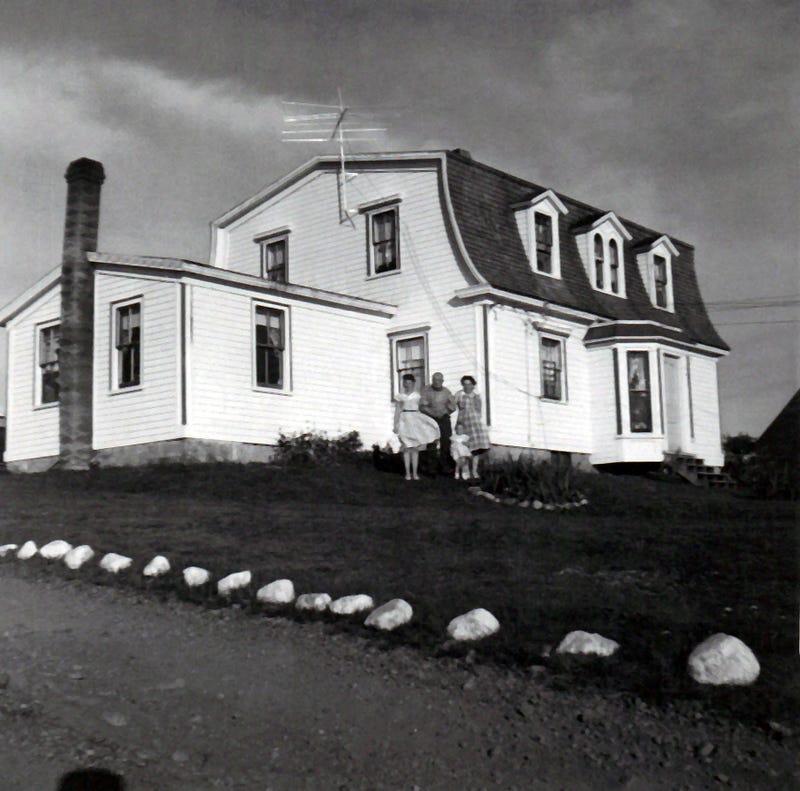
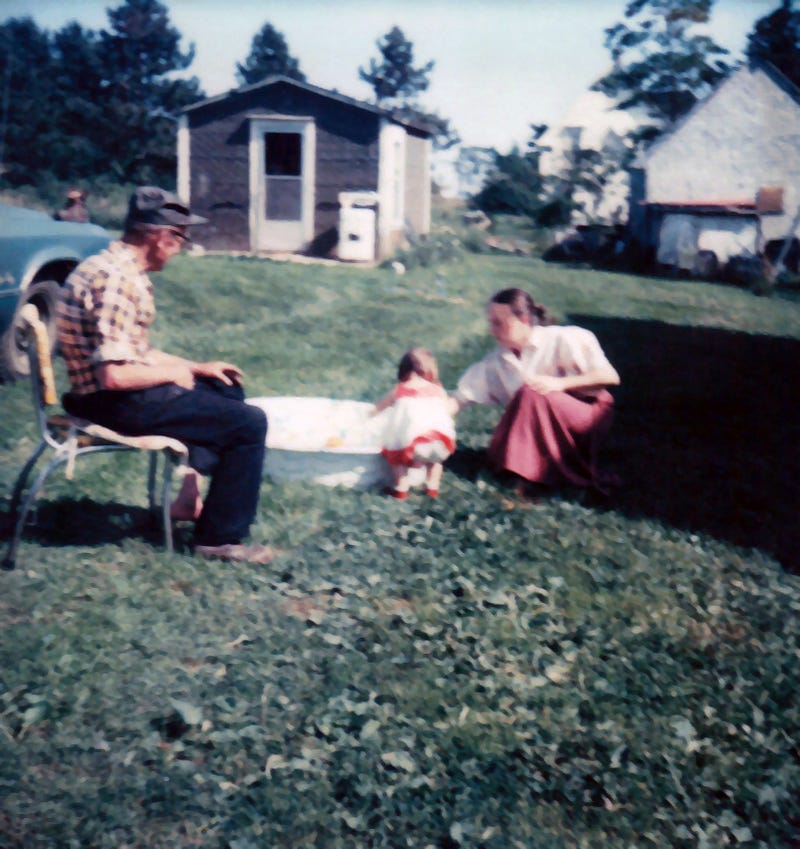
Above is my childhood home in Oakland, Nova Scotia, on the other side of the harbour from the town of Mahone Bay.
I am the child in the picture. Along with my mother and Dorothy, a woman who lived with our family from the age of 13 until she was 30.
My mother controlled Dorothy, who even as a young woman in her twenties was not allowed out on her own or to date.
In my teen years, despite the thirteen-year age gap between Dorothy and me, we became united in the common goal of escaping my mother’s grip.
Dorothy ended up fleeing one night.
My mother allowed me enough freedom to think I had achieved my goal. So I stuck around.
Everything about the house and surrounding area was picture-perfect. Hiding what went on behind closed doors.
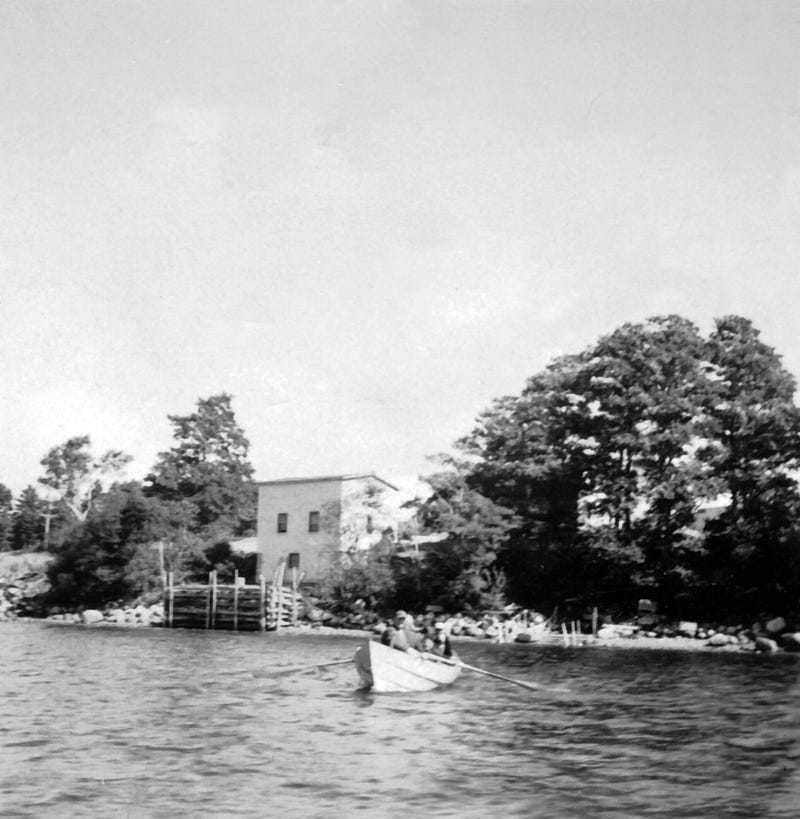
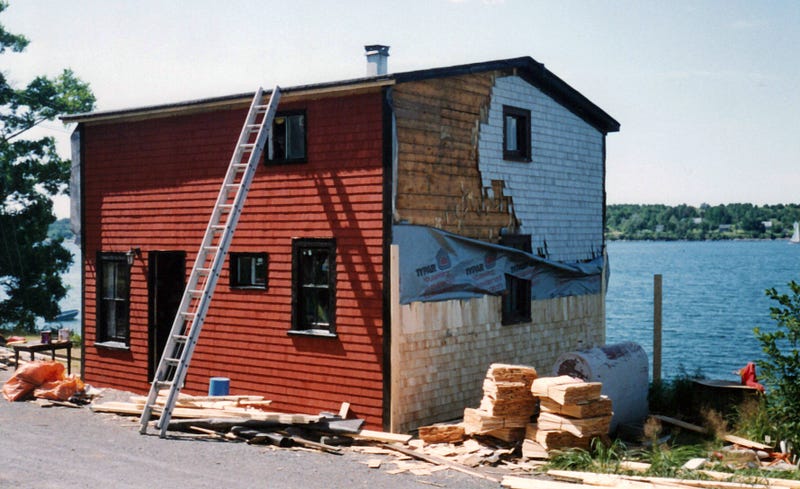
This was the boathouse across the road from my childhood home as it looked years before we lived there.
In my childhood, the wharf was long gone. Only a pile of rocks remained.
My father used the boathouse as his garage. He kept his tools and his car parked there. It was my father’s getaway where he escaped for peace and quiet, away from our noisy, chaotic houseful of people.
He kept it locked and we were not permitted in unless invited by him.
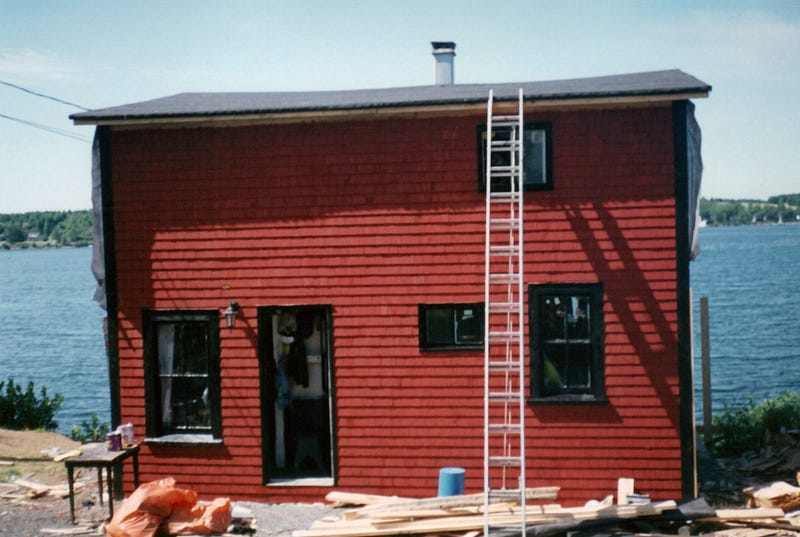
The boathouse was unlike others in the neighbourhood. It wasn’t built on wooden stilts. It had a basement of three concrete walls. The front wall of wood had a window, and a door just steps away from the water’s edge.
As children, we’d peer into the basement, but seldom entered. There was nothing inside worth exploring. Nothing besides dirt, cobwebs, and spiders.
On the side facing the road were two large garage doors. Unfortunately, there are no photos of that side of the building.
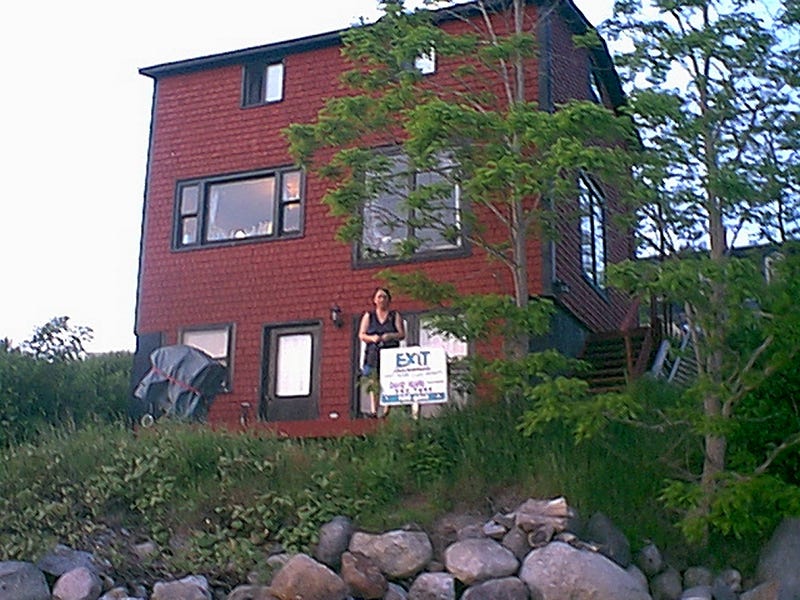
In my 20s I renovated the garage/boathouse and it became my home where I lived with my husband and our three children from 1980 until 2002.
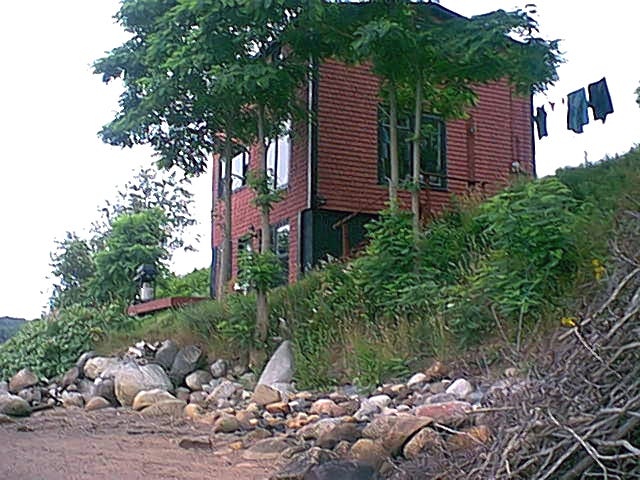
I loved the ocean and saw no reason to leave the area where I’d grown up.
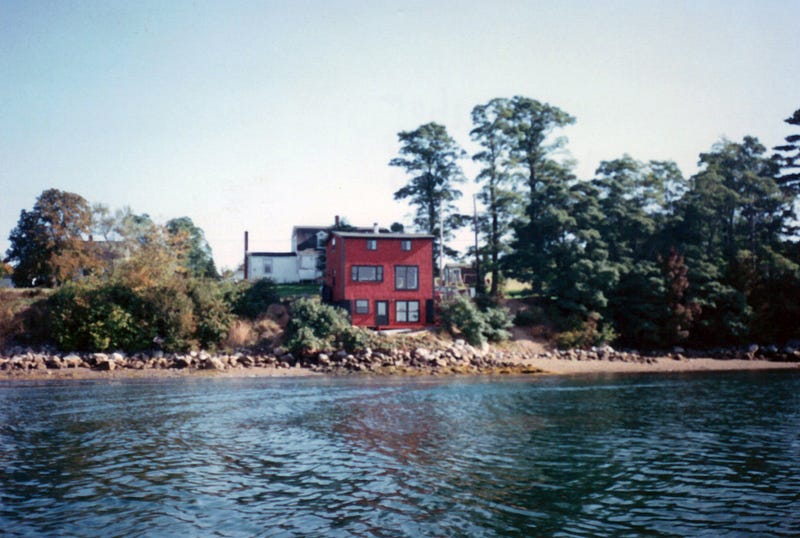
This was the beach where I’d swam, where my children swam and played in the sand.
That building was the place where I spent a lot of my teenage years doing drugs and drinking and bringing home guys. Doing all those things that I thought meant freedom.
Before it was demolished in 2015, I jokingly referred to the building as my love shack. I’d never been that daring as a young person to call it that.
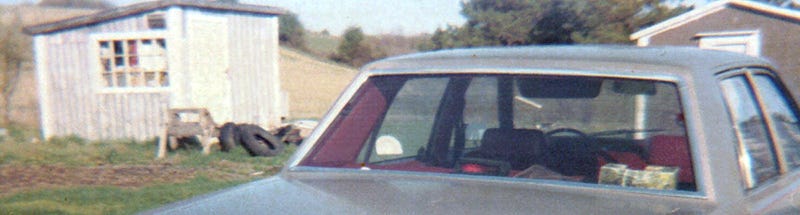
It was my sanctuary. The place I could write and draw and listen to music and be alone until moving to the larger space — the brown building to the right in the photo.
From an early age, I needed lots of quiet time alone.
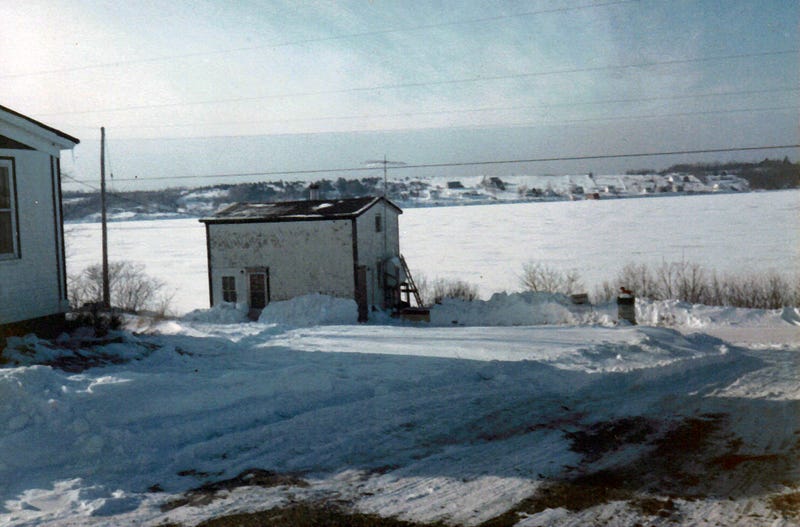
In the early 1980s, with little money, the boathouse could be described as little more than a shack by the sea.
I never got to fix it up the way I’d envisioned. But it was home for my husband and me and our children.
You could say, “We didn’t live in a million-dollar home, but we had a million-dollar view.”
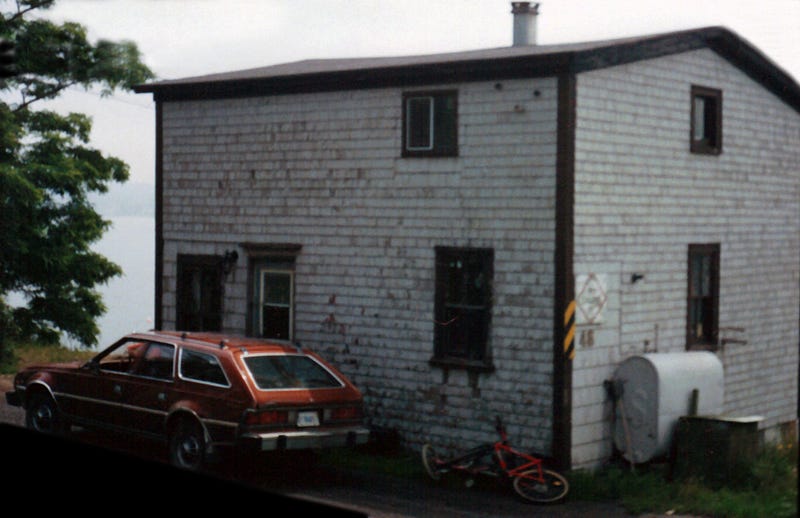
My childhood home was behind me. But my struggles with my mother were not. She interfered constantly. Created problems. I felt like I could never escape her.
In 2002, issues with my mother came to a crisis point. The ocean and the home I’d always known were no longer worth the cost to my happiness. We put our home up for sale and moved on.
After my mother died in September 2016, my sister and I sold our childhood home. The new buyers renovated it into something totally unlike the house I’d grown up in.
But they didn’t find happiness there. Within six months of moving in, the couple’s relationship ended, and the house was put on the market again. I sometimes wonder if the ghost of my mother drove them out.
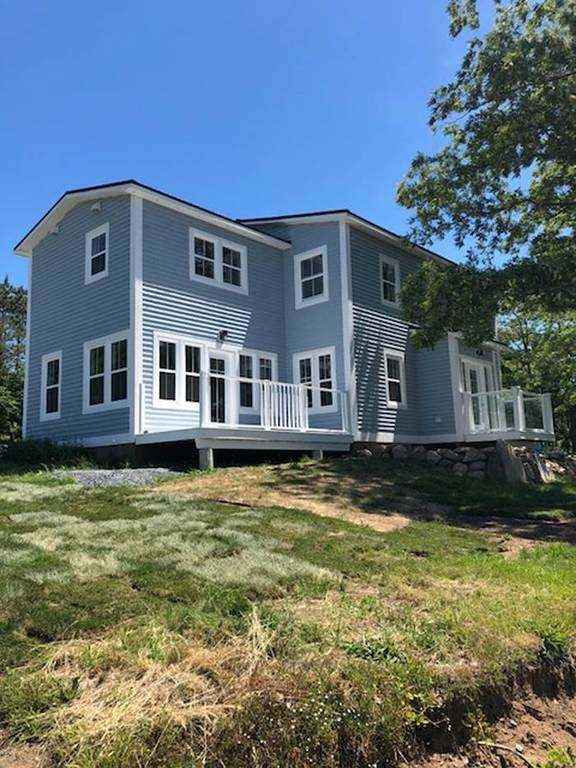
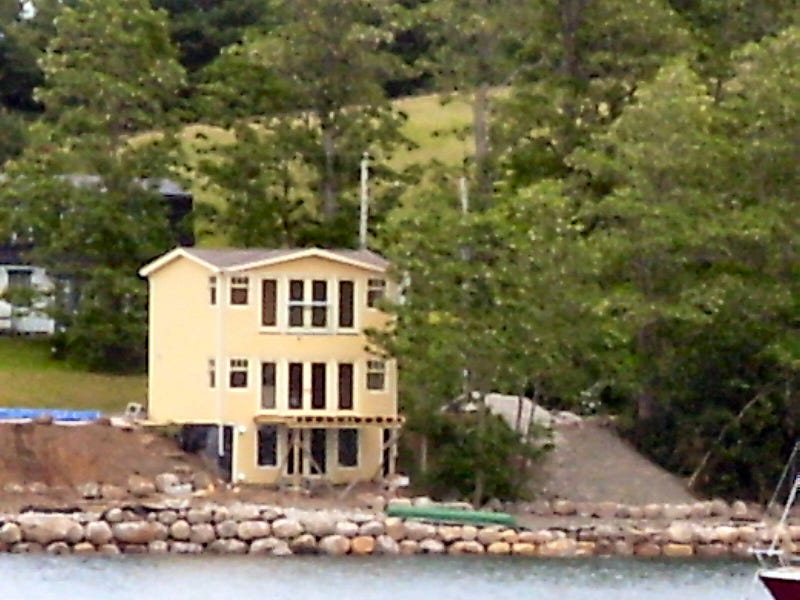
The man who bought our home by the sea also renovated it. They took off the old roof and raised it higher, something I had wanted to do, but didn’t do when I was young and impatient to move in as quickly as possible.
The next photo shows what our boathouse home looks like now.
After leaving in 2002, my husband and I would end up moving four times in the next eight years.
We were searching for what felt like home.
At first, we bought a house in a rural area outside of Halifax. It was a place to land. A resting stop for my husband and me and our youngest daughter.
Our son, nineteen chose to stay in Oakland with my mother, an hour's drive away.
Our eldest daughter moved to her own apartment nearby.
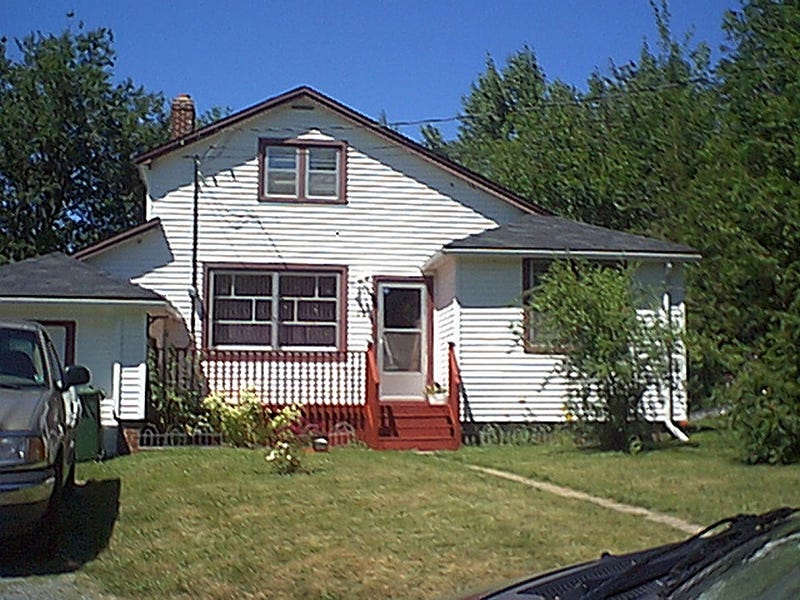
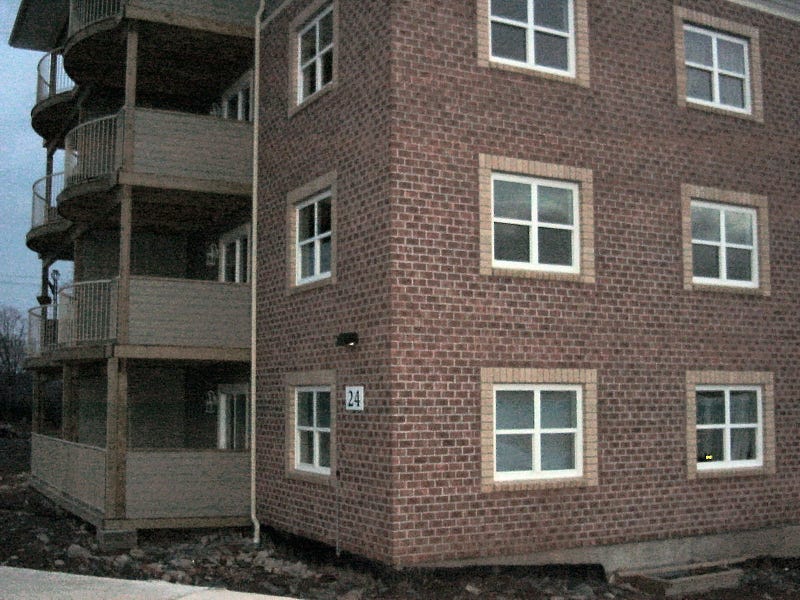
Three years later, we moved into a brand new apartment building in the second-floor corner overlooking a bus stop.
We lived there for two years.
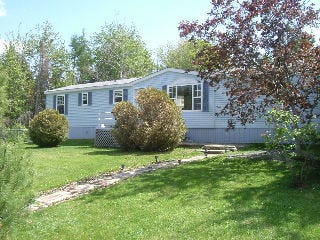
We left the apartment and moved into a mini home in 2007. The same year our youngest daughter got married.
In 2010, we sold the mini home and bought a semi on Sami Drive. A place which has become our forever home. (A semi is the same as a duplex and shares a common wall and roof.)
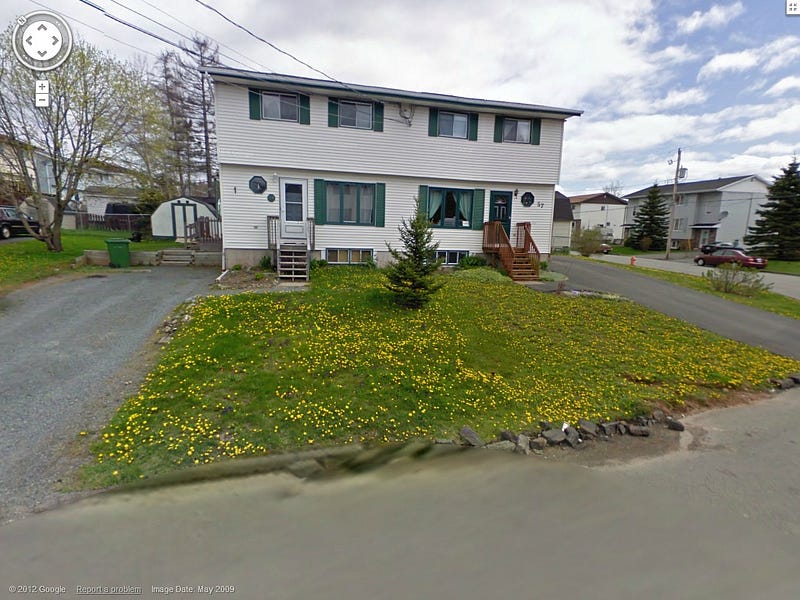
We no longer have an ocean view. For in the end, it’s not the outside that matters. It’s the inside that counts.
It has everything we need. Reminiscent of the three floors of our Oakland home. Bedrooms on the top. But without children to fill those rooms, one bedroom is my writing room. The basement contains a full bath and my art studio. A place where I instructed art workshops before Covid-19.
This home is where my husband and I have set down roots until age says otherwise.
It’s fifteen minutes from the Halifax Stanfield International Airport and twenty minutes from the cities of Halifax and Dartmouth.
I’d started out in life believing home was where I was born and something I was to never let go of.
But by letting go, I discovered what home really means. It’s not a place outside myself, but within me.
Home is the place where love and acceptance live.
Barbara Carter Artist and writer with a focus on healing from childhood trauma, alcohol addiction, and living her best authentic life.
Likes to take walks, read, watch TV dramas, and practice Qi-gong, and work on her memoir series BARBARA By The BAY.


