avatarB.R. Shenoy

Free AI web copilot to create summaries, insights and extended knowledge, download it at here

4150

Abstract

neighborhood, facilitating trade and commerce.</p><p id="b077">The official recognition of Chinatown came in <b>1902</b> when King Rama V granted permission to build the first street in the area and formally named it “Yaowarat.” This milestone solidified Chinatown’s status as a vibrant and integral part of Bangkok’s urban landscape.</p><p id="2987">Today, Chinatown Bangkok still manages to attract visitors with its vibrant history, lively markets, and delightful cuisine. Although the Chinese population in the area has decreased in recent years, the neighborhood’s legacy as a hub of trade, culture, and community remains, showcasing the lasting spirit of its immigrant founders.</p><p id="6f36"><b><i>Please enjoy these photos I captured of Chinatown Bangkok in November 2023.</i></b></p><figure id="0636"><img src="https://cdn-images-1.readmedium.com/v2/resize:fit:800/1*VP4X-0QY2aGlkWUjZM6qlg.jpeg"><figcaption></figcaption></figure><figure id="5713"><img src="https://cdn-images-1.readmedium.com/v2/resize:fit:800/1*6FAhuXBU8cU4rjsKTULtww.jpeg"><figcaption>The Streets of Bangkok’s Chinatown/ Credit: <a href="undefined">B.R. Shenoy</a></figcaption></figure><figure id="e638"><img src="https://cdn-images-1.readmedium.com/v2/resize:fit:800/1*yZFBgoDQpqs4eV_6hYZ_Eg.jpeg"><figcaption></figcaption></figure><figure id="e17d"><img src="https://cdn-images-1.readmedium.com/v2/resize:fit:800/1*1b3fbvlWBrXvq7YXwAdXuA.jpeg"><figcaption>The Streets of Bangkok’s Chinatown/ Credit: <a href="undefined">B.R. Shenoy</a></figcaption></figure><h2 id="a945">Exploring the Streets</h2><p id="a0cc">In the late <b>1800s</b>, Chinatown Bangkok was developed and it still maintains its original appeal. While exploring the numerous streets and alleys, we encountered a blend of both modern and traditional structures, offering a fascinating glimpse into the neighborhood’s vibrant past.</p><p id="af95">Nevertheless, maneuvering through this intricate area proved to be quite difficult. It would have been more convenient to have a guide or a carefully planned route to ensure we didn’t miss any of the hidden treasures.</p><figure id="fdb5"><img src="https://cdn-images-1.readmedium.com/v2/resize:fit:800/1*8L2PXdEsTS64zkynabQvOg.jpeg"><figcaption></figcaption></figure><figure id="eabb"><img src="https://cdn-images-1.readmedium.com/v2/resize:fit:800/1*4eRZkClo3pne1gHeemrGlw.jpeg"><figcaption>The Streets of Bangkok’s Chinatown/ Credit: <a href="undefined">B.R. Shenoy</a></figcaption></figure><figure id="baec"><img src="https://cdn-images-1.readmedium.com/v2/resize:fit:800/1*iSJUfkE3iHTcd5mmgnvxyg.jpeg"><figcaption></figcaption></figure><figure id="734e"><img src="https://cdn-images-1.readmedium.com/v2/resize:fit:800/1*xmBqfrtCxFofqzbQol5C4g.jpeg"><figcaption>Bangkok’s Chinatown/ Credit: <a href="undefined">B.R. Shenoy</a></figcaption></figure><h2 id="8d28">Beyond Expectations</h2><p id="eddf">Chinatown Bangkok is a truly great experience that much outperforms anything I’ve experienced in other parts of the world. The energy and brightness here are unrivaled, and there’s always something new to discover around every turn.</p><p id="e9b0"><i>The sheer intensity of the sights, sounds, and smells produces an ambiance that left us with lasting memories.</i></p><figure id="9682"><img src="https://cdn-images-1.readmedium.com/v2/resize:fit:800/1*LBvanGjIJjRxaImXl3vN9Q.jpeg"><figcaption></figcaption></figure><figure id="cb4b"><img src="https://cdn-images-1.readmedium.com/v2/resize:fit:800/1*ftE3K1WP5s9QAodB2kY9Og.jpeg"><figcaption></figcaption></figure><figure id="7c3d"><img src="https://cdn-images-1.readmedium.com/v2/resize:fit:800/1*nWaZocy89vSWJMYAV8vqbw.jpeg"><figcaption>The Shops in Bangkok’s Chinatown/ Credit: <a href="undefined">B.R. Shenoy</a></figcaption></figure><figure id="4e27"><img src="https://cdn-images-1.readmedium.com/v2/resize:fit:800/1*AB8MYfaNKvZ-ciC5U6_sDQ.jpeg"><figcaption></figcaption></figure><figure id="9050"><img src="https://cdn-images-1.readmedium.com/v2/resize:fit:800/1*eu8hUNfl1I9j8Ldqy3l7vA.jpeg"><figcaption></figcaption></figure><figure id="05d2"><img src="https://cdn-images-1.readmedium.com/v2/res

Options

ize:fit:800/1*9LwgwLvYEa7YhxZCMP5BaQ.jpeg"><figcaption>The Shops in Bangkok’s Chinatown/ Credit: <a href="undefined">B.R. Shenoy</a></figcaption></figure><h2 id="9ed7">A Cultural Melting Pot</h2><p id="d236">Chinatown Bangkok is truly a cultural melting pot. We noted a mix of Chinese and Thai elements in the community’s architecture, rituals, and daily life.</p><p id="d30a">Exploring the area helped us have a better grasp of how these two diverse cultures interact.</p><figure id="d284"><img src="https://cdn-images-1.readmedium.com/v2/resize:fit:800/1*7wHNlyMQRdbRaIksVcphbw.jpeg"><figcaption></figcaption></figure><figure id="fffd"><img src="https://cdn-images-1.readmedium.com/v2/resize:fit:800/1*-aVlSUj92880eIFxcJ-ugQ.jpeg"><figcaption></figcaption></figure><figure id="402f"><img src="https://cdn-images-1.readmedium.com/v2/resize:fit:800/1*KoNXk4BKekmPVFGI7WYLXg.jpeg"><figcaption>Bangkok’s Chinatown/ Credit: <a href="undefined">B.R. Shenoy</a></figcaption></figure><figure id="5997"><img src="https://cdn-images-1.readmedium.com/v2/resize:fit:800/1*LBXs_mmj2U4MPn5ZCU-Sig.jpeg"><figcaption></figcaption></figure><figure id="7296"><img src="https://cdn-images-1.readmedium.com/v2/resize:fit:800/1*fjxwP9v1L20bLJieoVinIA.jpeg"><figcaption></figcaption></figure><figure id="8333"><img src="https://cdn-images-1.readmedium.com/v2/resize:fit:800/1*1r8j0i-wdM0OPA_ukEZjUQ.jpeg"><figcaption>Bangkok’s Chinatown/ Credit: <a href="undefined">B.R. Shenoy</a></figcaption></figure><h2 id="0960">Closing Thoughts</h2><p id="6a83">Chinatown’s unique combination of old-world charm and modern amenities appeals to visitors from all over the world, with Yaowarat Road, decorated with iconic neon signs, still serving as the heart of the neighborhood.</p><figure id="8b02"><img src="https://cdn-images-1.readmedium.com/v2/resize:fit:800/1*0I2OteJAT87A5YRlYeO0Wg.jpeg"><figcaption></figcaption></figure><figure id="8b42"><img src="https://cdn-images-1.readmedium.com/v2/resize:fit:800/1*INpez3FqKqiRRwQEdivggA.jpeg"><figcaption>The Shops in Bangkok’s Chinatown/ Credit: <a href="undefined">B.R. Shenoy</a></figcaption></figure><figure id="b6d2"><img src="https://cdn-images-1.readmedium.com/v2/resize:fit:800/1*TfiU28N5ASJoO-omwvU0lQ.jpeg"><figcaption></figcaption></figure><figure id="c7ad"><img src="https://cdn-images-1.readmedium.com/v2/resize:fit:800/1*vczgkJlVW2LfGB1yt0QMGw.jpeg"><figcaption>The Streets of Bangkok’s Chinatown/ Credit: <a href="undefined">B.R. Shenoy</a></figcaption></figure><p id="4f7a"><b>Website: <a href="http://bangkokforvisitors.com/chinatown/index.php">http://bangkokforvisitors.com/chinatown/index.php</a></b></p><h2 id="ca54">References</h2><ol><li><a href="https://theculturetrip.com/asia/thailand/articles/the-ultimate-guide-to-bangkoks-chinatown">https://theculturetrip.com/asia/thailand/articles/the-ultimate-guide-to-bangkoks-chinatown</a></li><li><a href="http://bangkokforvisitors.com/chinatown/index.php">http://bangkokforvisitors.com/chinatown/index.php</a></li><li><a href="https://www.ytravelblog.com/chinatown-bangkok-thailand/">https://www.ytravelblog.com/chinatown-bangkok-thailand/</a></li><li><a href="https://www.bonvoyagethailand.com/travel-guides/bangkok/chinatown-bangkok/">https://www.bonvoyagethailand.com/travel-guides/bangkok/chinatown-bangkok/</a></li><li><a href="https://www.nomadasaurus.com/yaowarat-chinatown-bangkok/">https://www.nomadasaurus.com/yaowarat-chinatown-bangkok/</a></li></ol><p id="60ce"><b><i>Which Chinatown is your preferred one globally?</i></b></p><p id="b0eb"><b>More of my travel stories:</b></p> <figure id="eaeb"> <div> <div> <img class="ratio" src="http://placehold.it/16x9"> <iframe class="" src="https://br-shenoy.medium.com/embed/list/97da64ae449d" allowfullscreen="" frameborder="0" height="184" width="undefined"> </div> </div> </figure></iframe></div></div></figure><p id="15d0">👩‍💻 <a href="https://medium.com/@br-shenoy"><b>My Medium Profile</b></a> 📪 <a href="https://br-shenoy.medium.com/subscribe"><b>Subscribe to My Stories</b></a></p></article></body>

TRAVEL/PHOTOGRAPHY/HISTORY

Discovering the Vibrant Charm of Chinatown Bangkok

Thailand Diaries: Inspiring Travel Through Photography
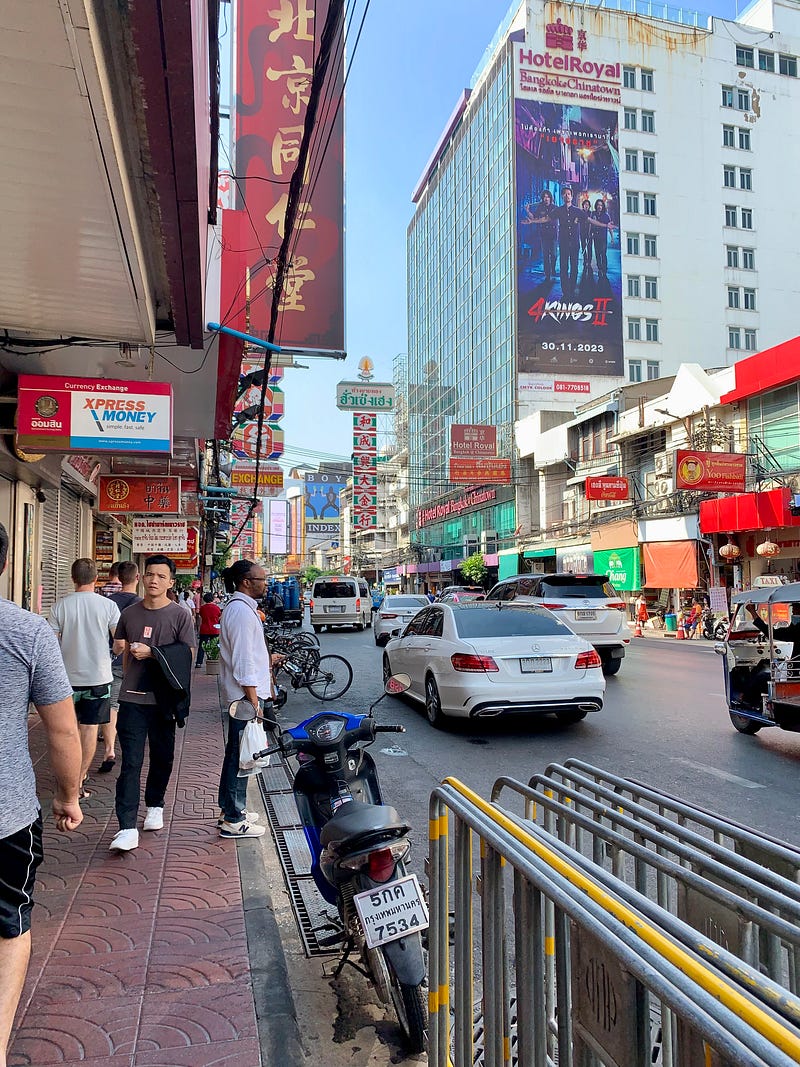
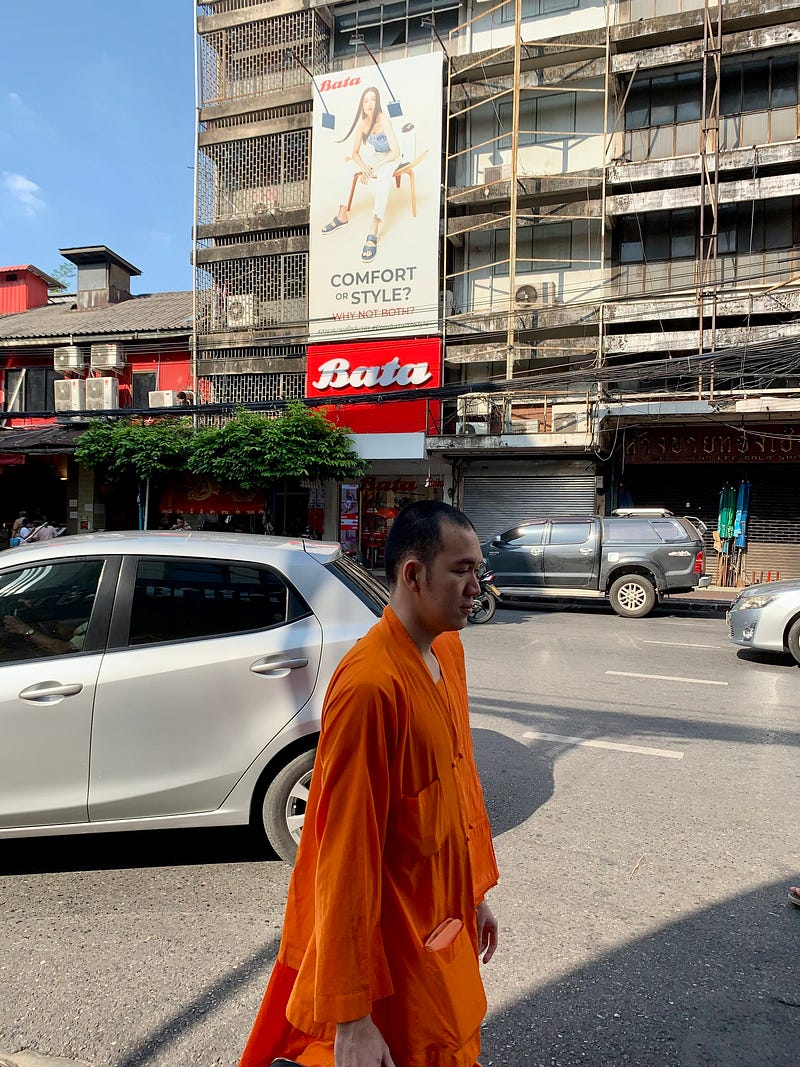
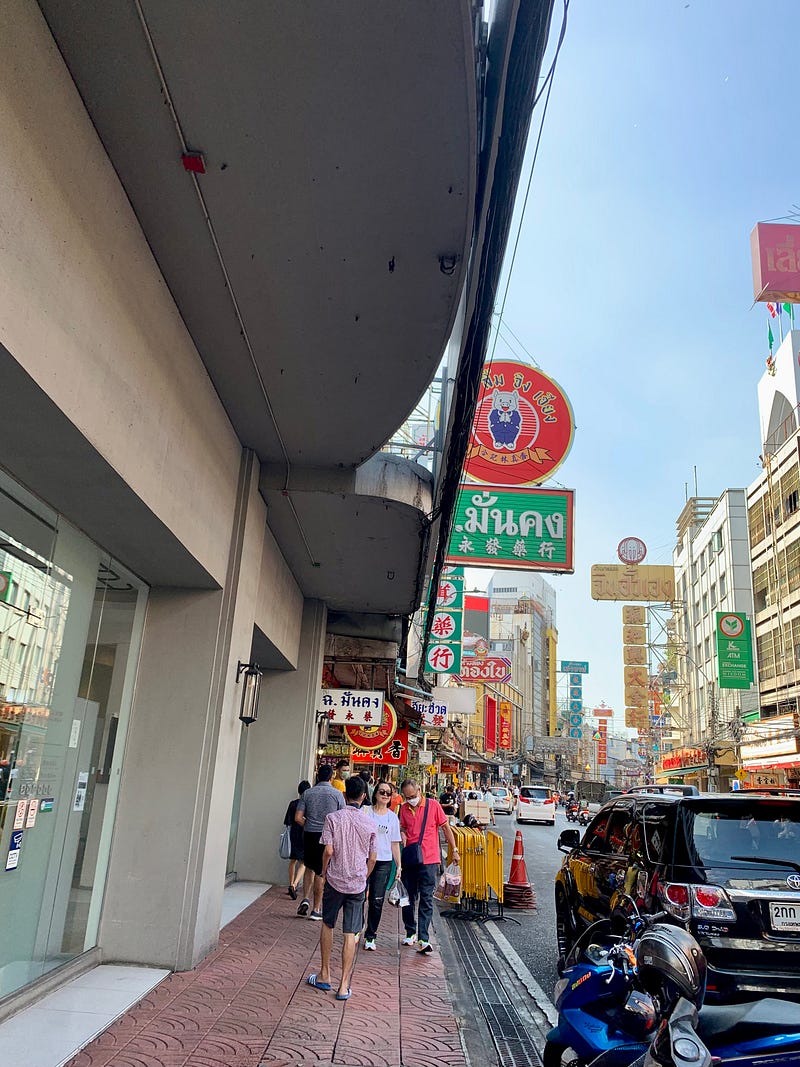
The Streets of Bangkok’s Chinatown/ Credit: B.R. Shenoy

“Don’t listen to what they say. Go see.” — Chinese Proverb

When my family and I travel to a new city, we always stop at the vibrant and bustling Chinatown.

Out of all the Chinatowns we’ve been to, the one in Bangkok, Thailand, is especially unique and authentic. It is also presently one of the largest Chinatowns in worldwide.

Bangkok’s bustling Chinatown neighborhood stretches from Odeon Circle, where a massive ceremonial Chinese gate clearly indicates the entrance, along Yaowarat Road up to the Ong Ang Canal, which denotes the district’s outside limits.

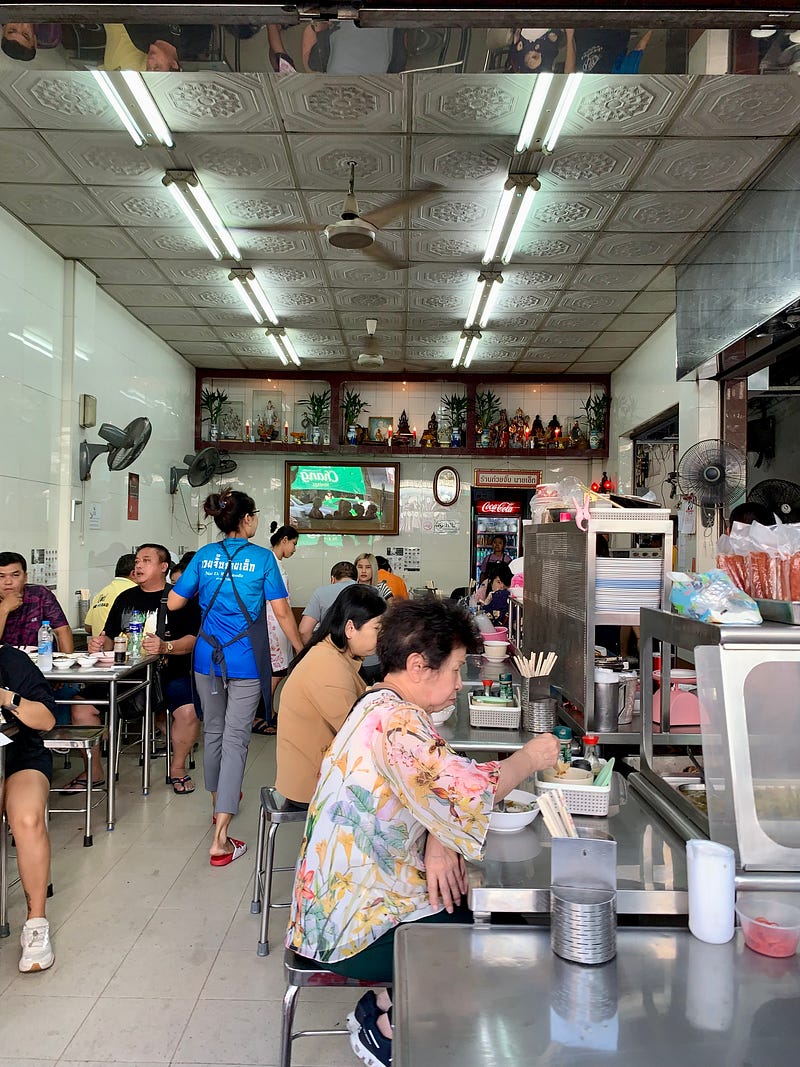
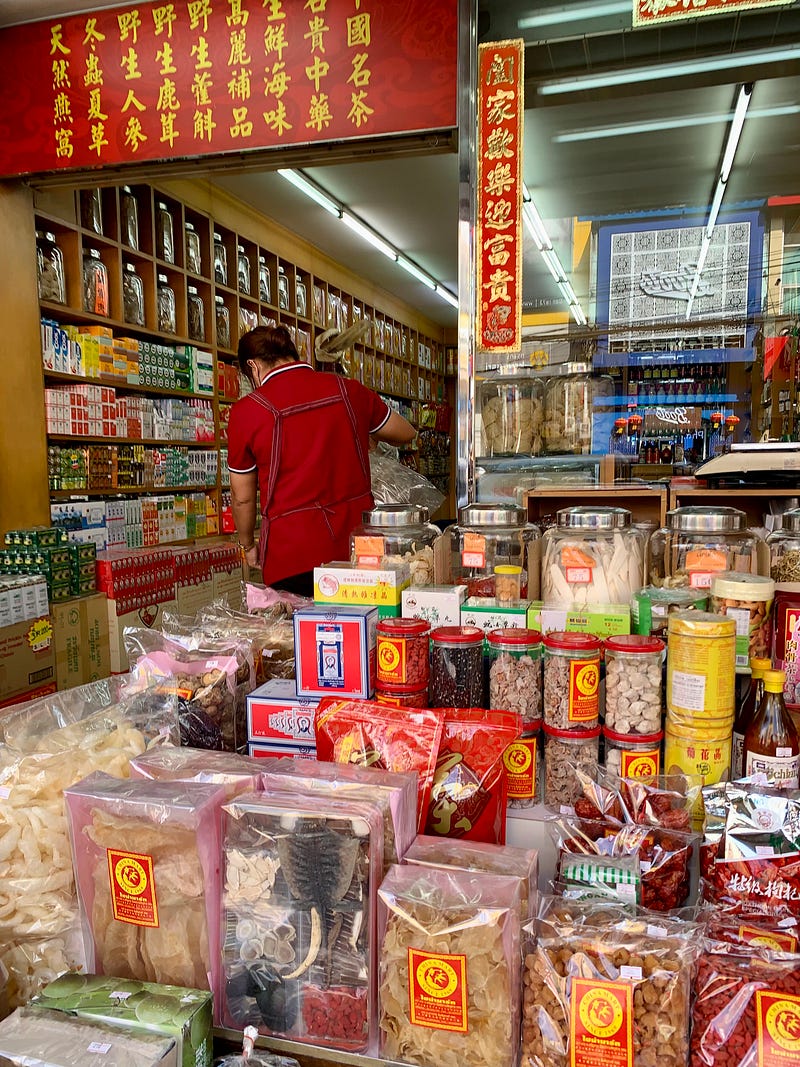
Chinatown Bangkok can be described as a food lover’s delight, with its charming narrow streets filled with vibrant shops offering delectable street food.

As soon as I stepped into this energetic neighborhood, I couldn’t help but be drawn to the wide variety of street food vendors. Their delicious aromas and vibrant displays were simply irresistible.

It truly offered an immersive experience, providing a glimpse into the rich Chinese culture through its bustling markets.

Both my husband and son, who are enthusiastic about Asian cuisine, were equally excited by the abundance of flavors and culinary delights that surrounded us.

History of Chinatown

Chinatown Bangkok traces its origins back to the 1700s when waves of Chinese immigrants sought refuge from famine in southern China.

These early settlers, primarily of Teochew descent, found a new home in Siam, which would later become Thailand. Drawn by the promise of prosperity and opportunity, they began to establish themselves near the present-day location of the Grand Palace.

However, the construction of the Grand Palace led to the displacement of these immigrants, prompting their relocation to Sampheng. This forced migration inadvertently fostered trade relations between China and Thailand, as Chinese junk boats became a common sight, ferrying goods and connecting the two regions.

This period saw the emergence of key landmarks such as Wat Yannawa, or the Boat Temple, a testament to the enduring cultural exchange between the two nations during the Ayutthaya Era.

Despite the challenges of relocation, the Chinese community persevered and thrived in their new surroundings. Their industrious spirit fueled the growth of trade and commerce in the area, laying the foundation for what would later become Chinatown Bangkok.

The reign of King Rama I of the Chakri Dynasty marked a significant turning point in the history of Chinatown. When he decided to establish Bangkok as the capital city on the site of the village of Bangkok, the Chinese traders were asked to relocate once again. This led to the formation of Chinatown in its current location, eastward along the river.

Chinatown quickly evolved into a bustling commercial hub, attracting more immigrants from China and other parts of Asia. The neighborhood became renowned for its vibrant markets, where a plethora of goods, including spices, porcelain, and silk fabrics, were traded.

The arrival of diverse ethnic groups has significantly contributed to the cultural fabric of Chinatown, enhancing it as a vibrant hub of various traditions and customs.

In 1891, the burgeoning community’s need for better infrastructure led to the construction of Yaowarat Road, the main artery that runs through Chinatown. This thoroughfare, aptly dubbed the “dragon-like road,” became the lifeline of the neighborhood, facilitating trade and commerce.

The official recognition of Chinatown came in 1902 when King Rama V granted permission to build the first street in the area and formally named it “Yaowarat.” This milestone solidified Chinatown’s status as a vibrant and integral part of Bangkok’s urban landscape.

Today, Chinatown Bangkok still manages to attract visitors with its vibrant history, lively markets, and delightful cuisine. Although the Chinese population in the area has decreased in recent years, the neighborhood’s legacy as a hub of trade, culture, and community remains, showcasing the lasting spirit of its immigrant founders.

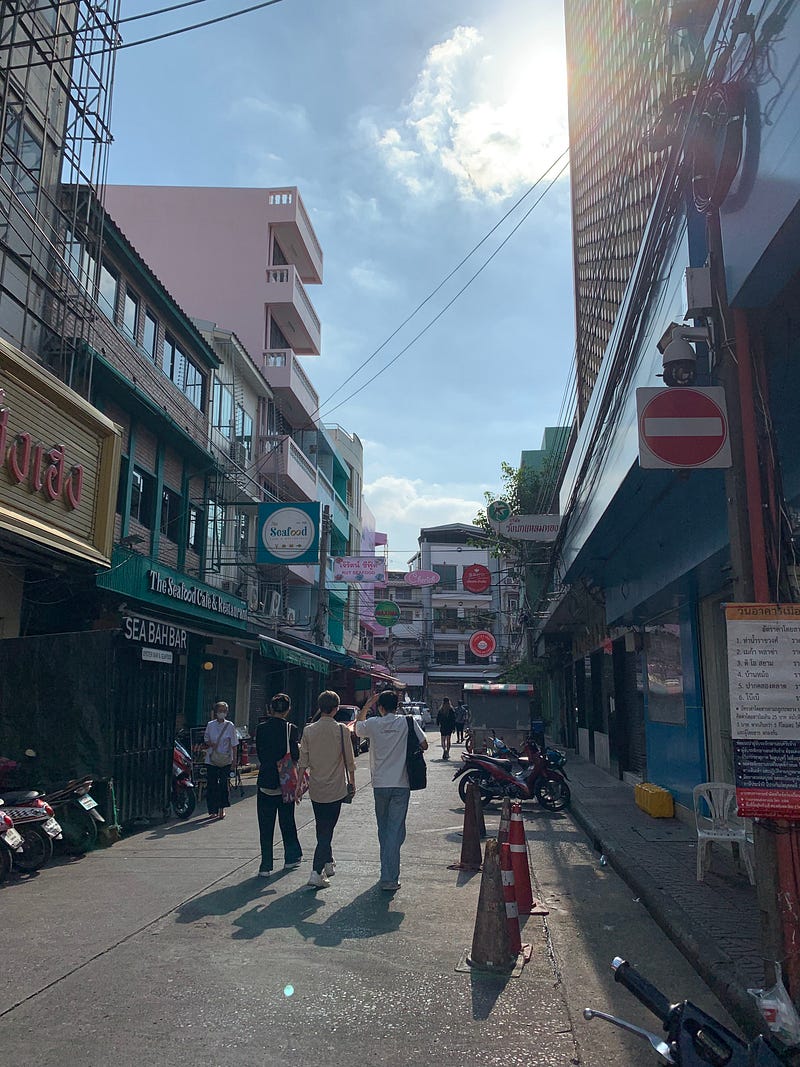
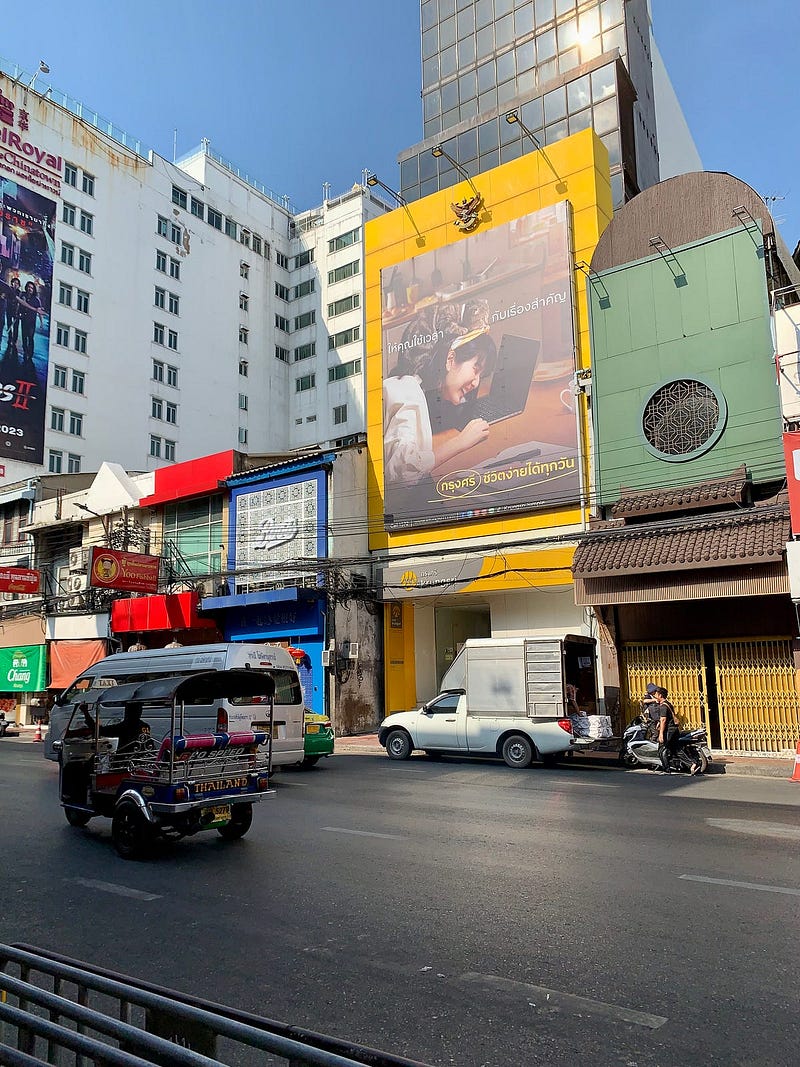
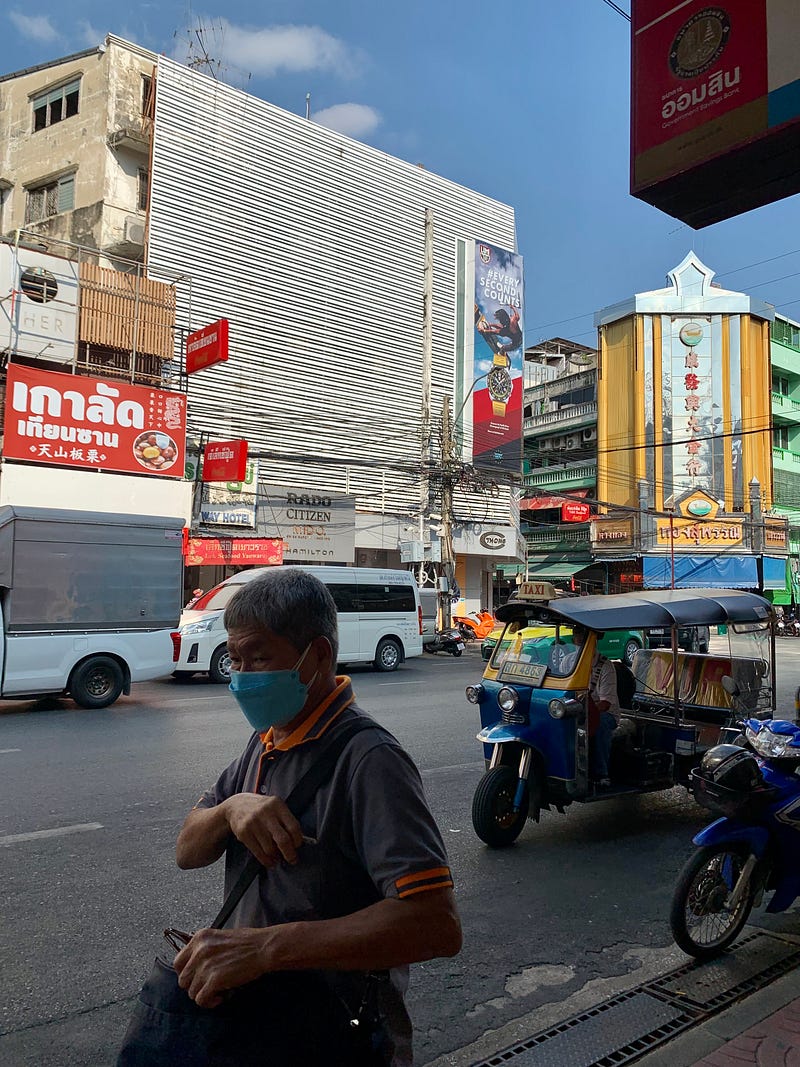
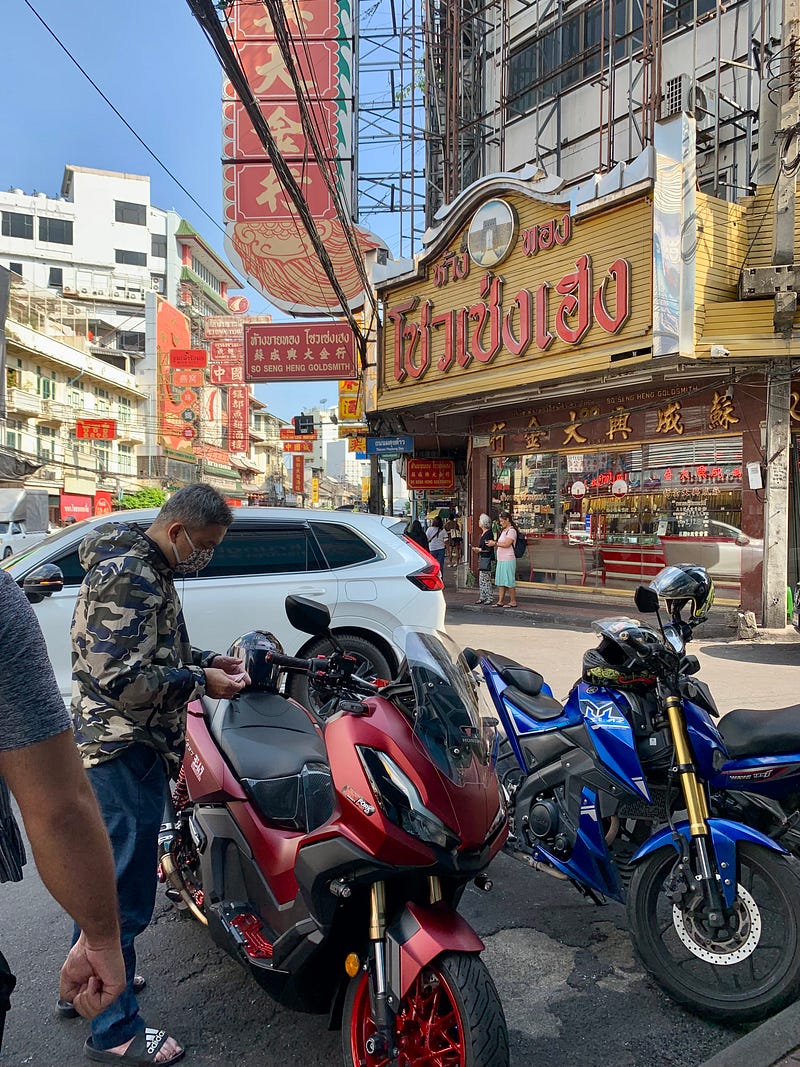
Please enjoy these photos I captured of Chinatown Bangkok in November 2023.
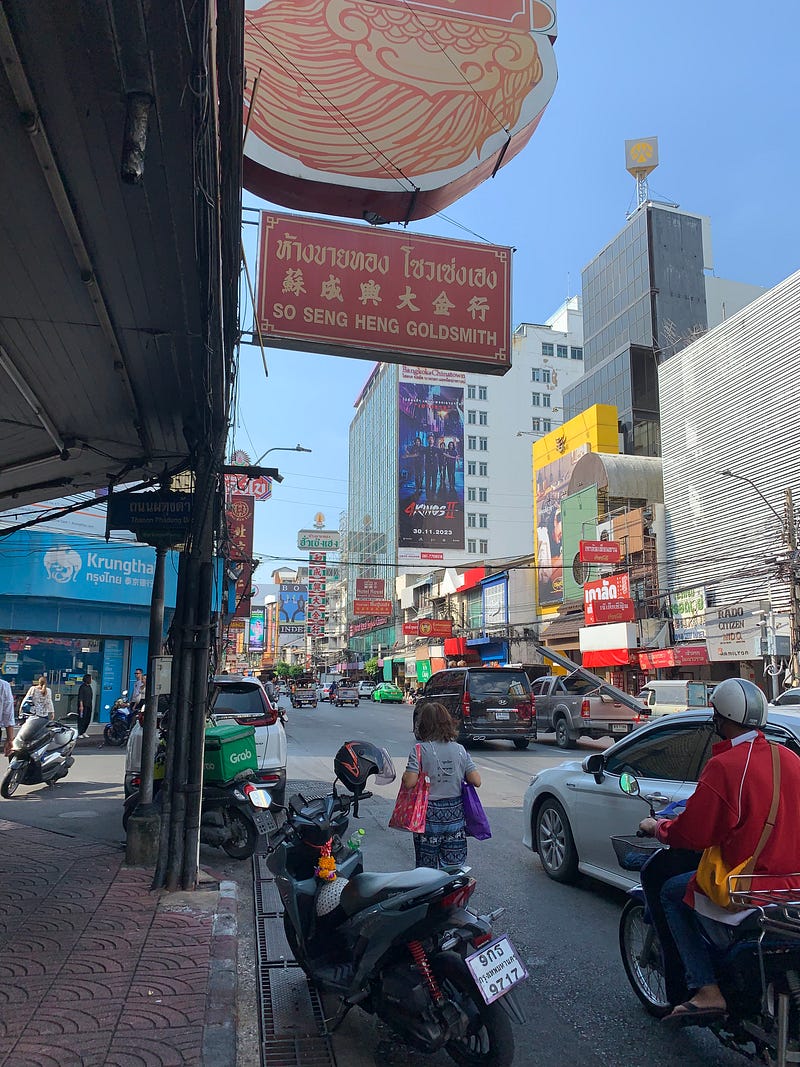
The Streets of Bangkok’s Chinatown/ Credit: B.R. Shenoy

Exploring the Streets

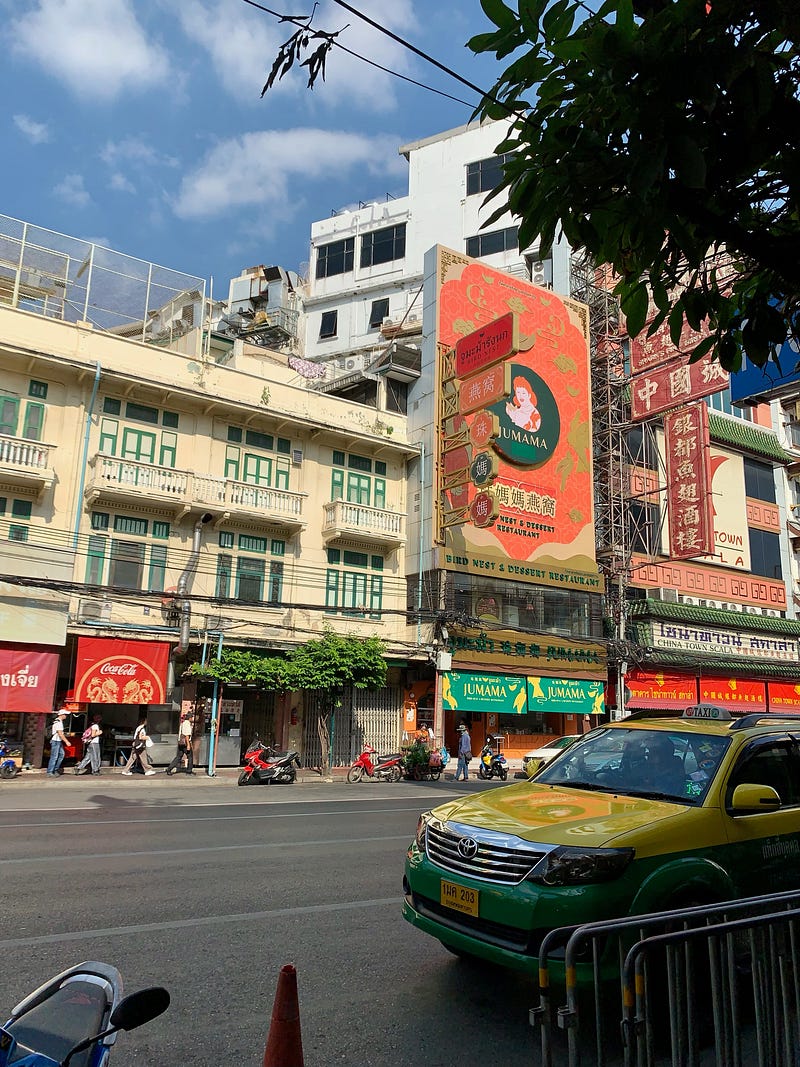
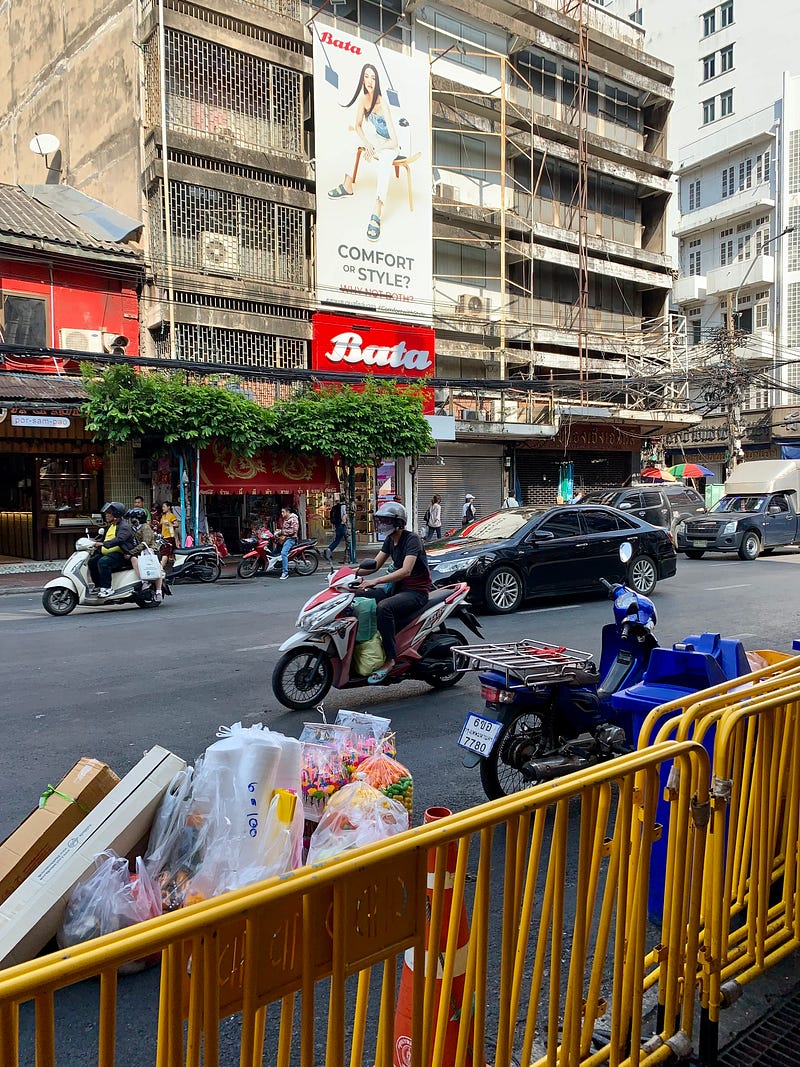
In the late 1800s, Chinatown Bangkok was developed and it still maintains its original appeal. While exploring the numerous streets and alleys, we encountered a blend of both modern and traditional structures, offering a fascinating glimpse into the neighborhood’s vibrant past.

Nevertheless, maneuvering through this intricate area proved to be quite difficult. It would have been more convenient to have a guide or a carefully planned route to ensure we didn’t miss any of the hidden treasures.
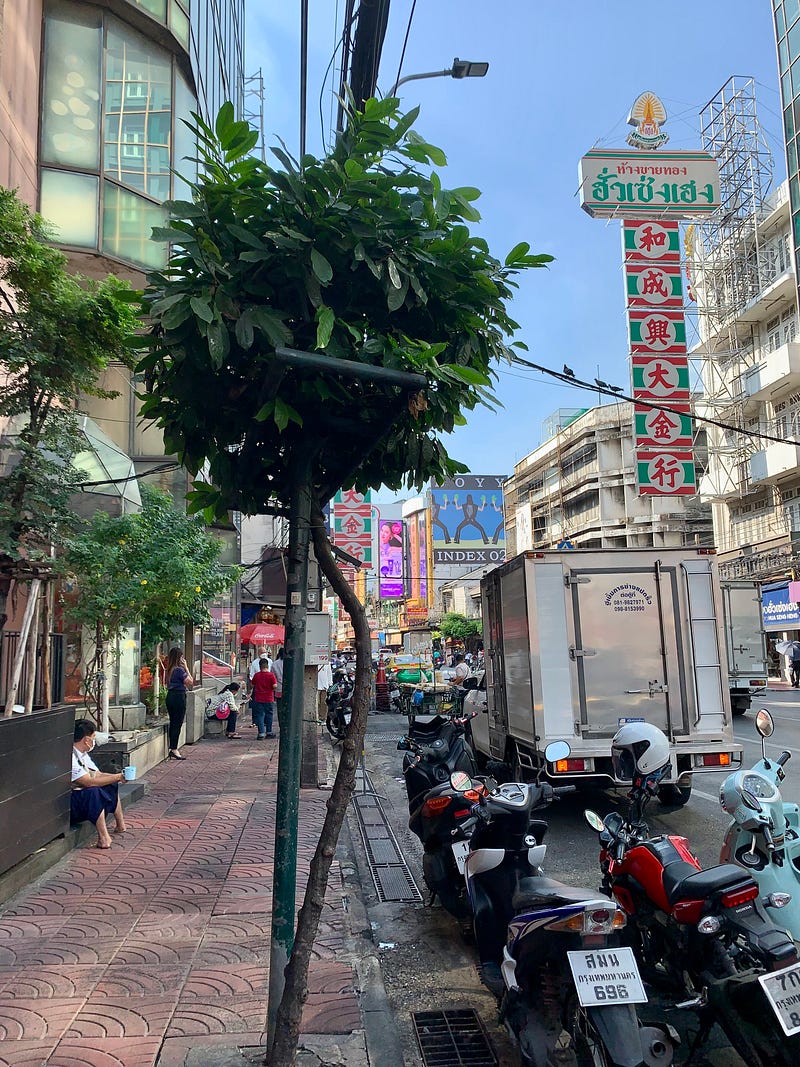
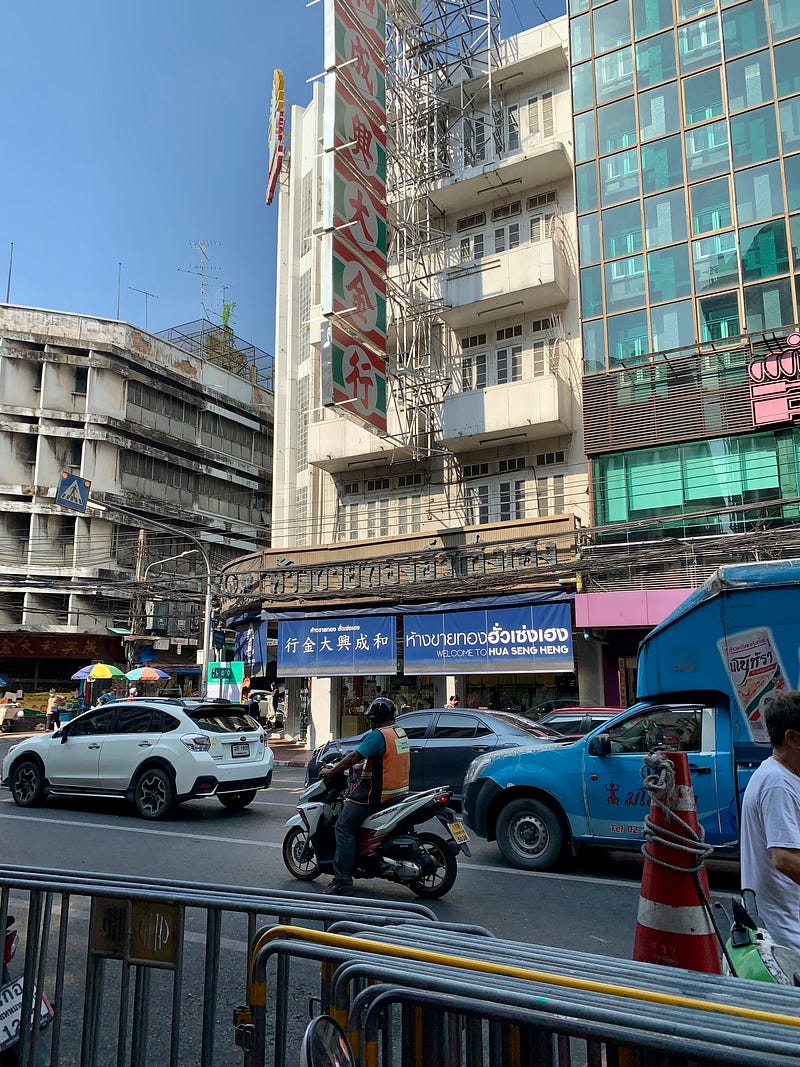
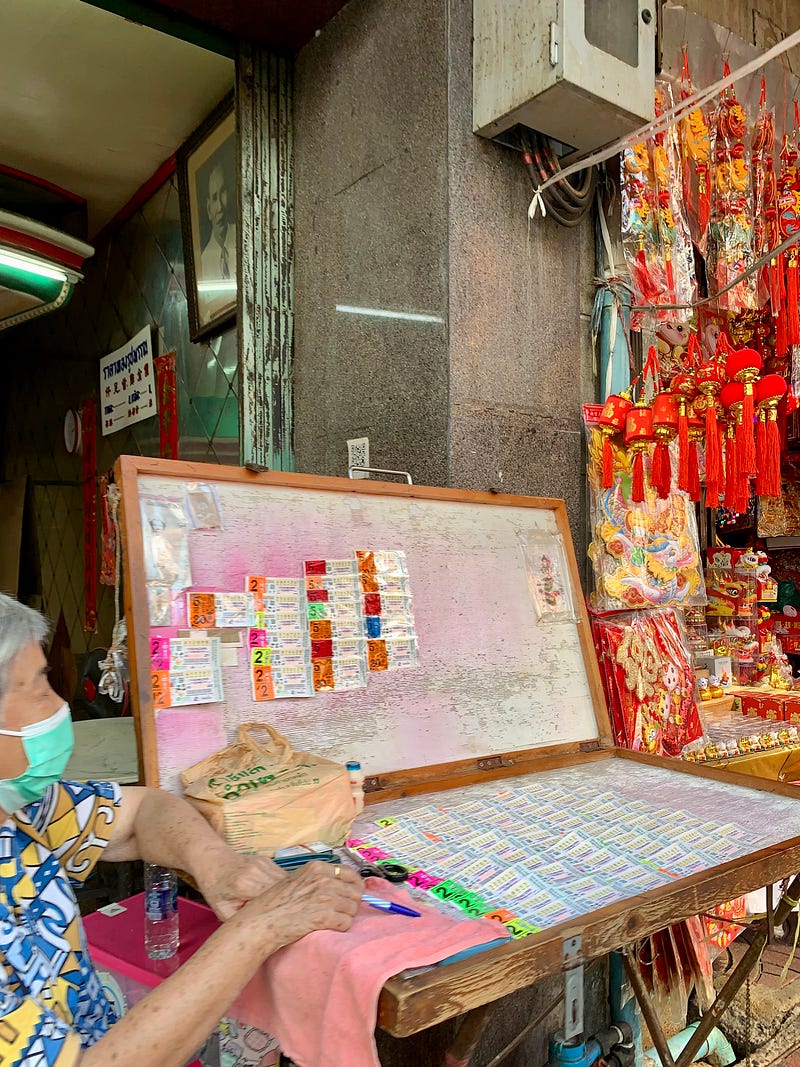
The Streets of Bangkok’s Chinatown/ Credit: B.R. Shenoy
Bangkok’s Chinatown/ Credit: B.R. Shenoy

Beyond Expectations

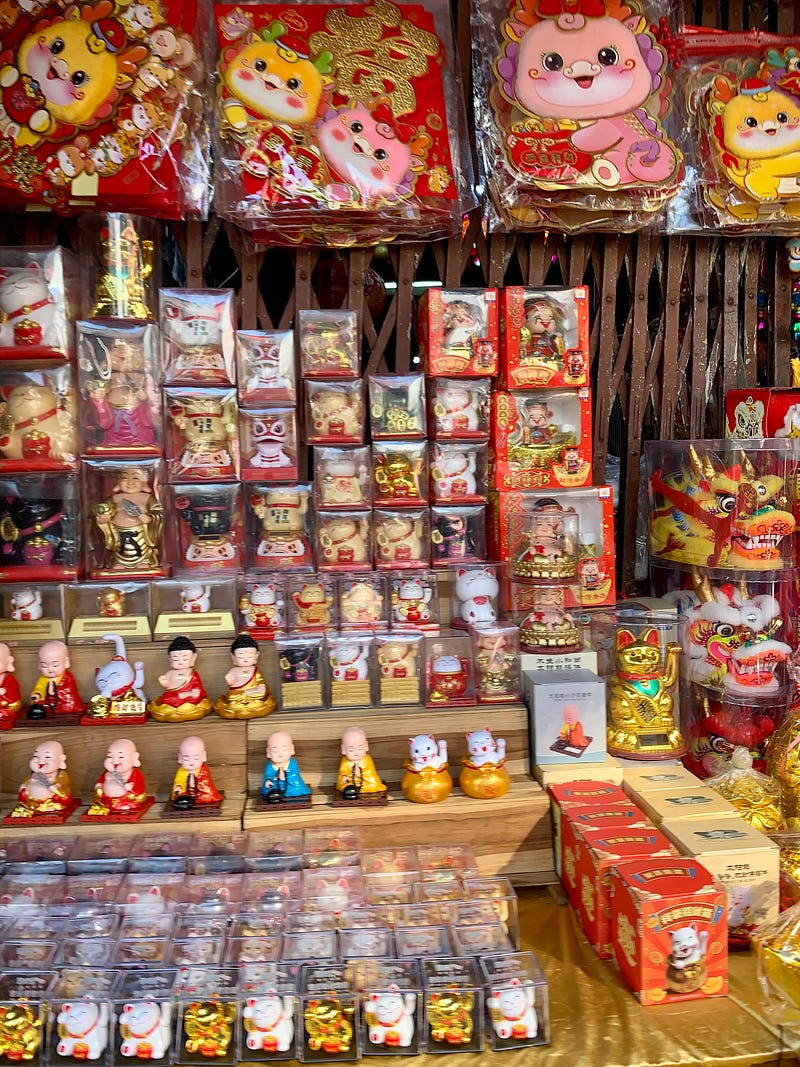
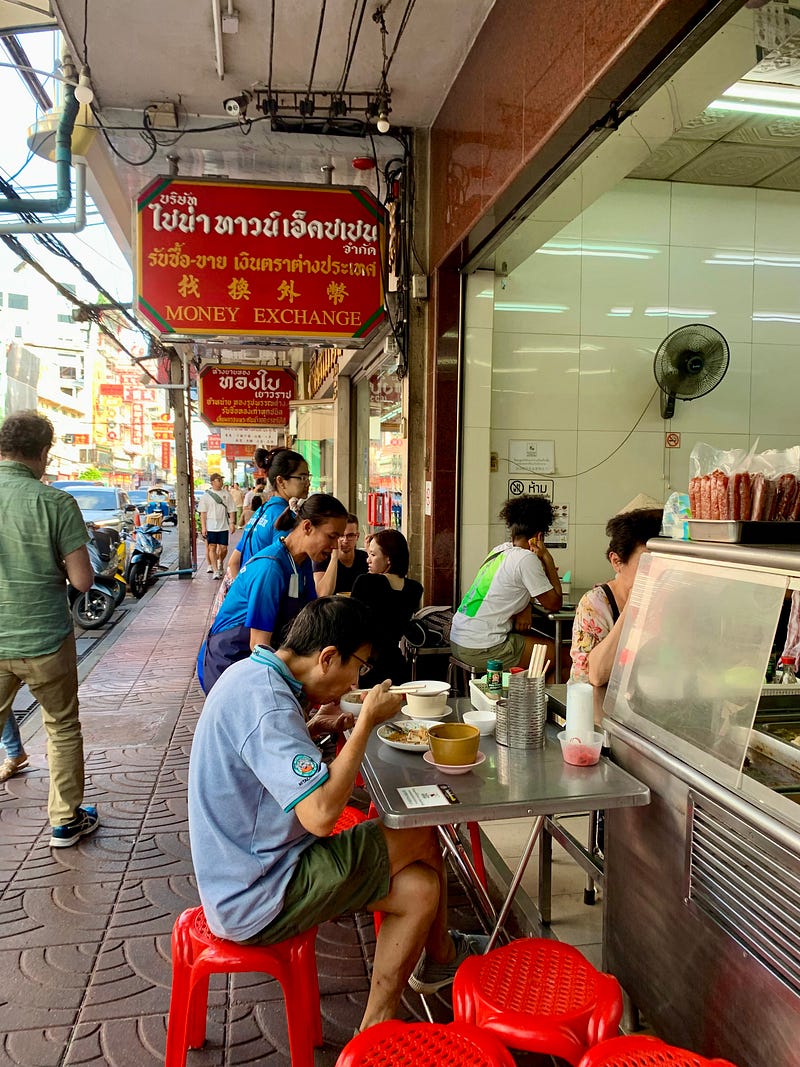
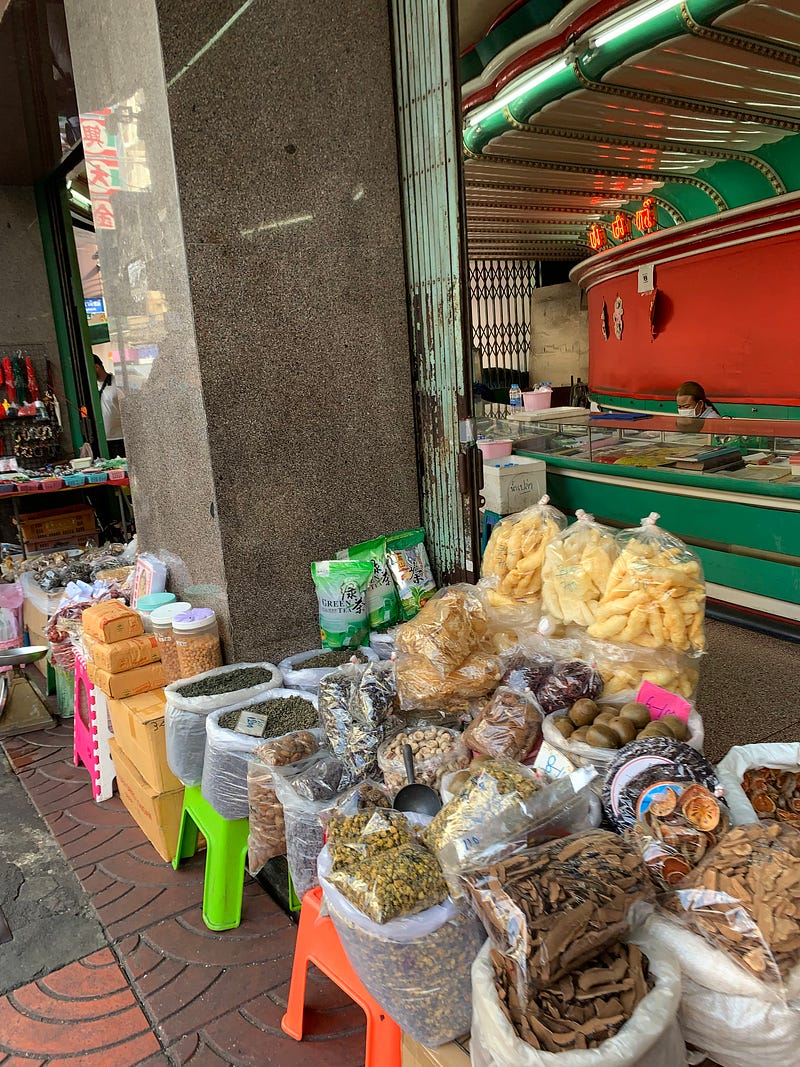
Chinatown Bangkok is a truly great experience that much outperforms anything I’ve experienced in other parts of the world. The energy and brightness here are unrivaled, and there’s always something new to discover around every turn.

The sheer intensity of the sights, sounds, and smells produces an ambiance that left us with lasting memories.
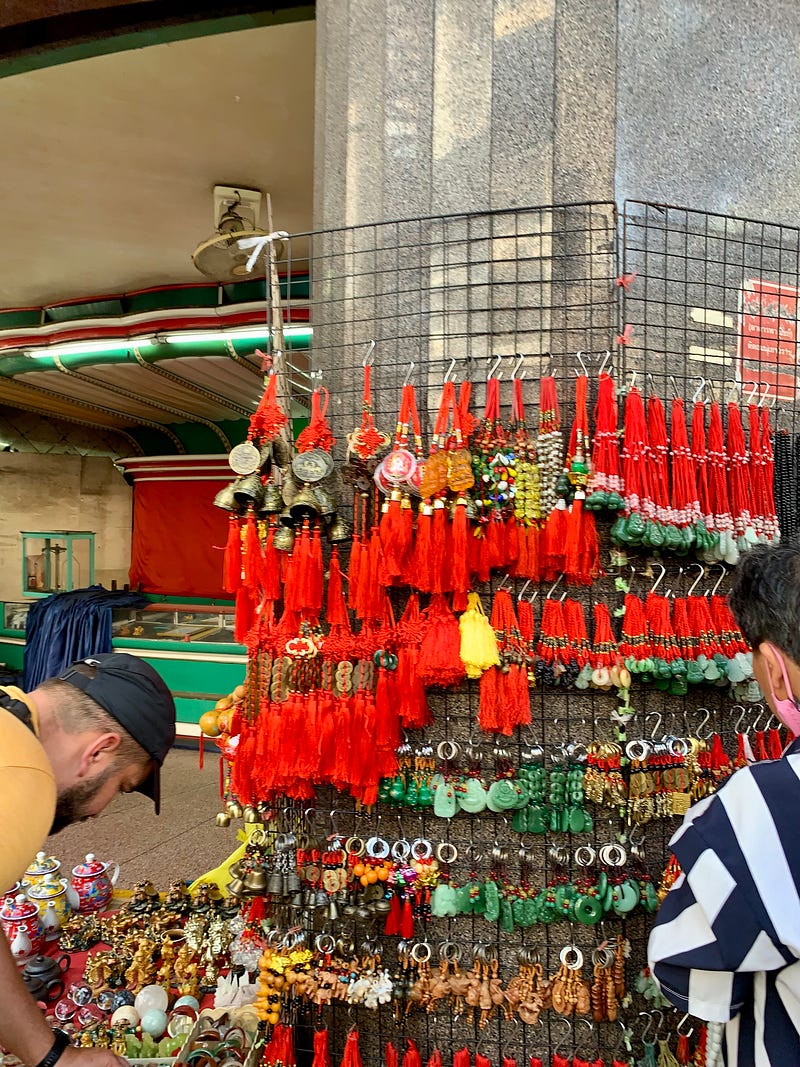
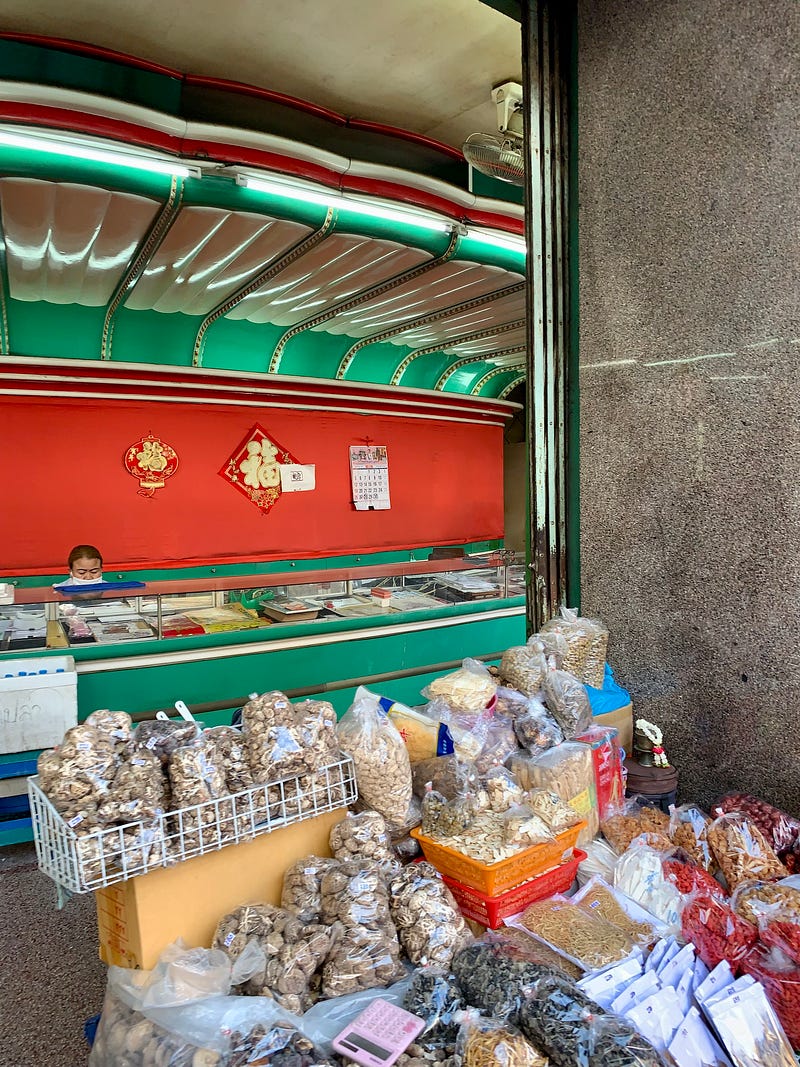
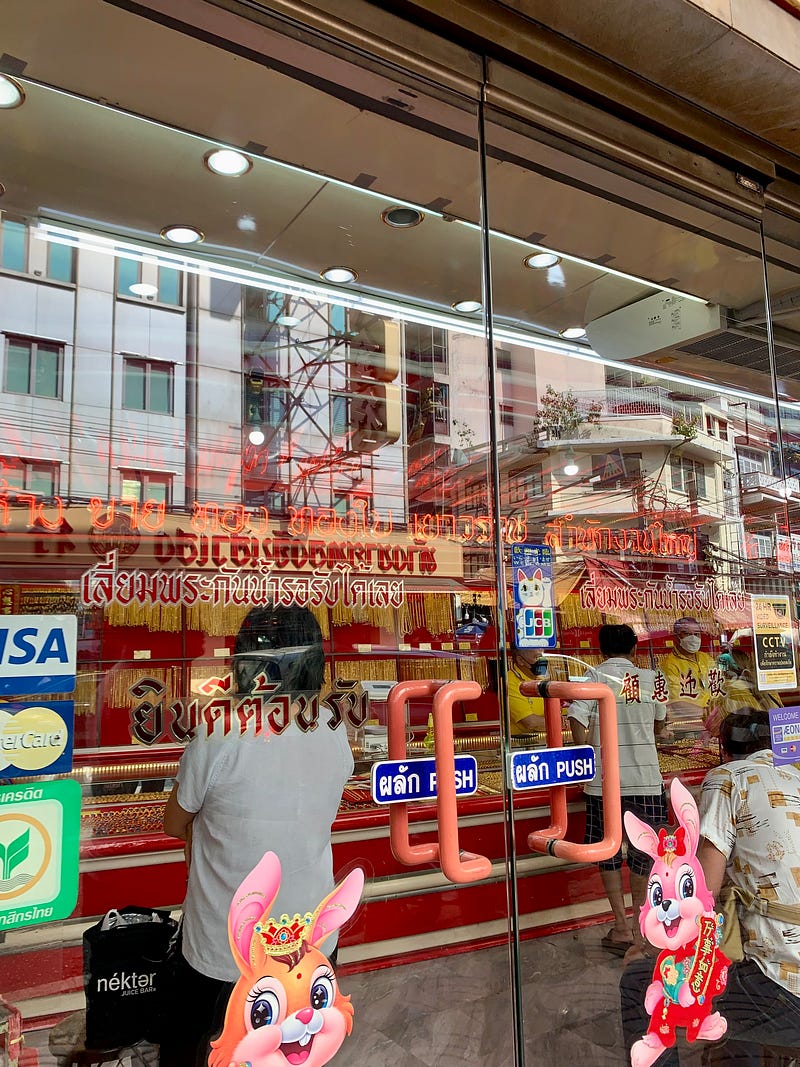
The Shops in Bangkok’s Chinatown/ Credit: B.R. Shenoy

A Cultural Melting Pot

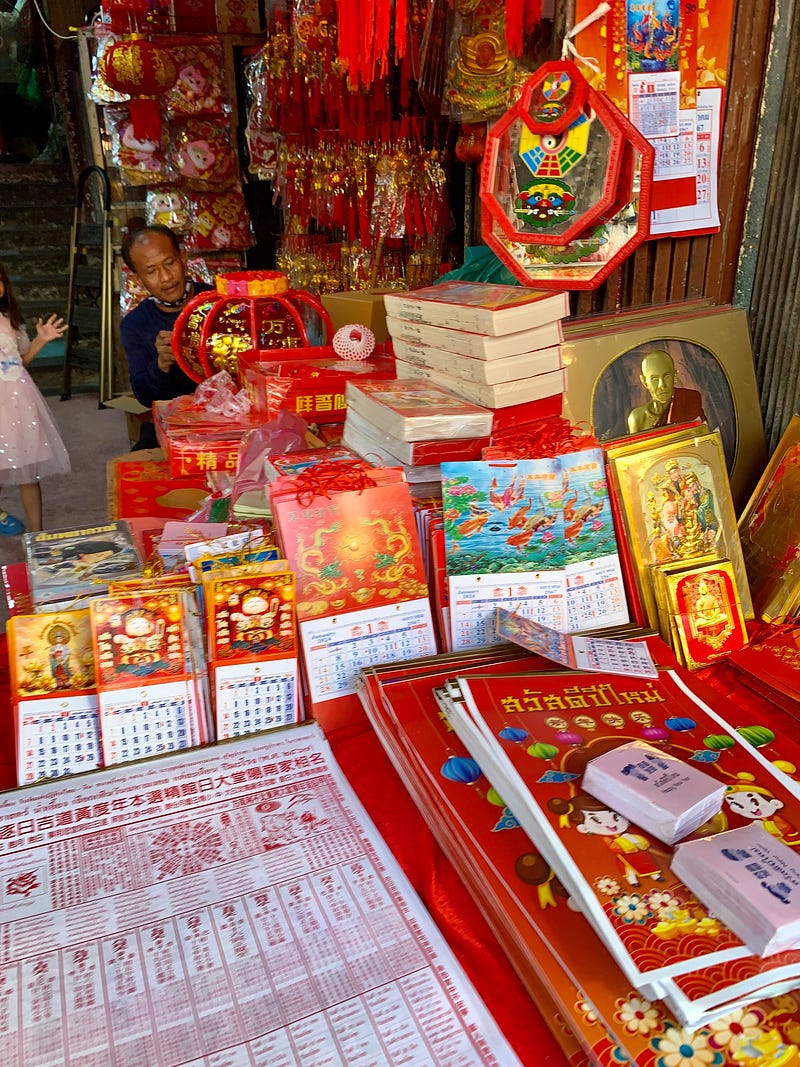
Chinatown Bangkok is truly a cultural melting pot. We noted a mix of Chinese and Thai elements in the community’s architecture, rituals, and daily life.

Exploring the area helped us have a better grasp of how these two diverse cultures interact.
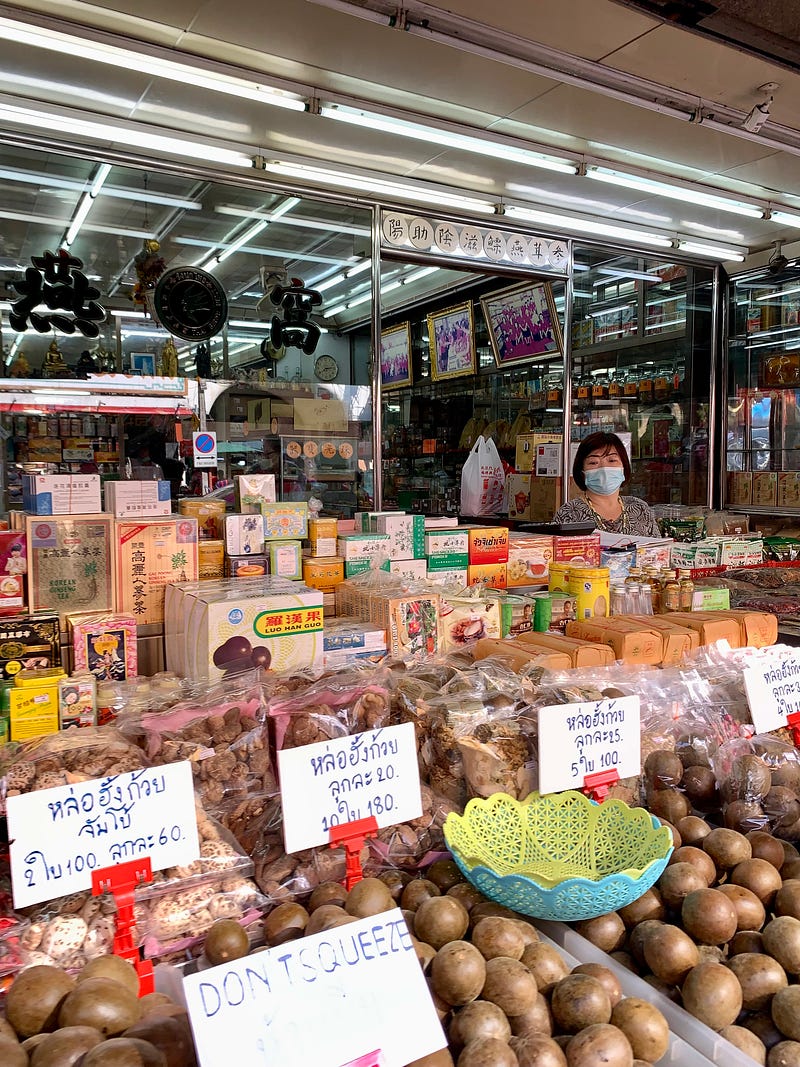
Bangkok’s Chinatown/ Credit: B.R. Shenoy

Closing Thoughts

Chinatown’s unique combination of old-world charm and modern amenities appeals to visitors from all over the world, with Yaowarat Road, decorated with iconic neon signs, still serving as the heart of the neighborhood.
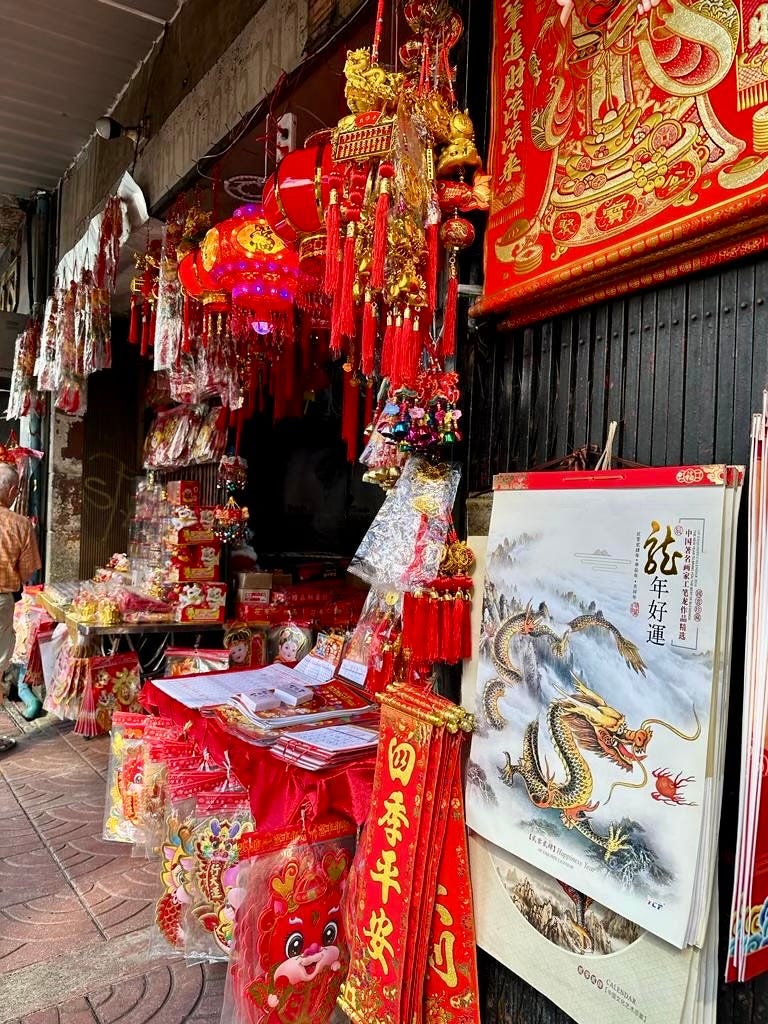
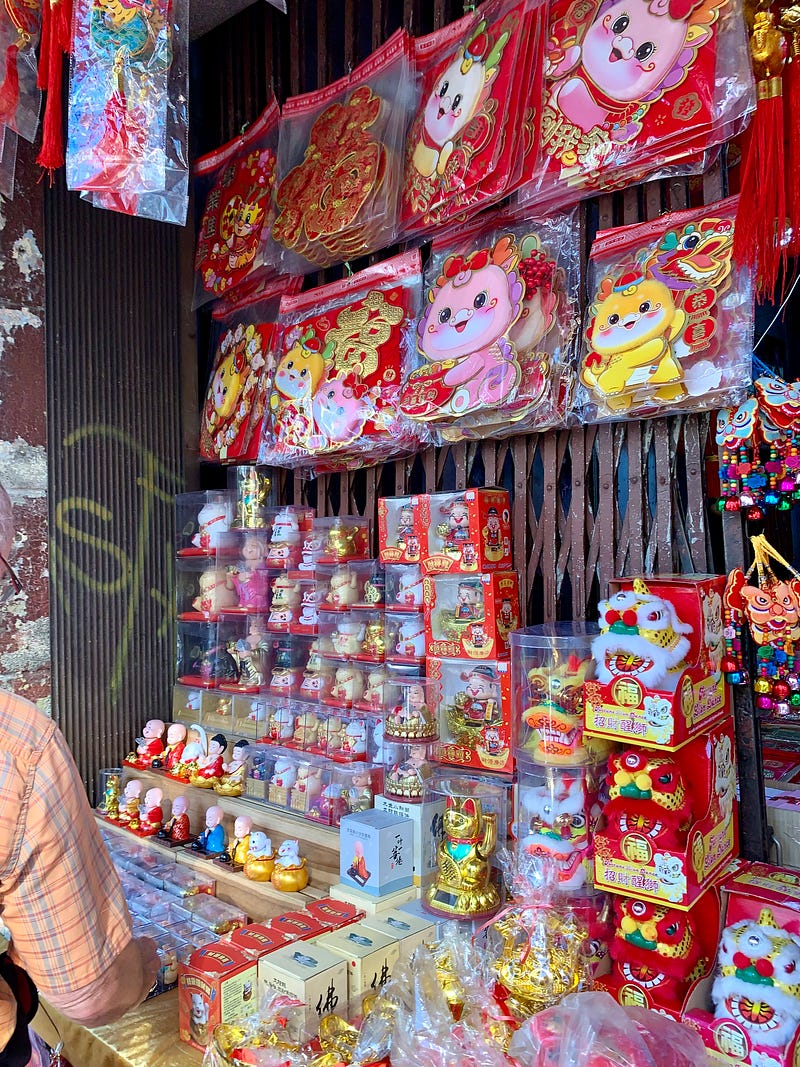
The Shops in Bangkok’s Chinatown/ Credit: B.R. Shenoy
The Streets of Bangkok’s Chinatown/ Credit: B.R. Shenoy

Website: http://bangkokforvisitors.com/chinatown/index.php

References

  1. https://theculturetrip.com/asia/thailand/articles/the-ultimate-guide-to-bangkoks-chinatown
  2. http://bangkokforvisitors.com/chinatown/index.php
  3. https://www.ytravelblog.com/chinatown-bangkok-thailand/
  4. https://www.bonvoyagethailand.com/travel-guides/bangkok/chinatown-bangkok/
  5. https://www.nomadasaurus.com/yaowarat-chinatown-bangkok/

Which Chinatown is your preferred one globally?

More of my travel stories:

👩‍💻 My Medium Profile 📪 Subscribe to My Stories

Travel
Photography
History
Culture
Travel Writing
Recommended from ReadMedium