
MOROCCO TRAVELS
Discovering the Hidden Treasures of Marrakesh
Secret gardens, the art of bargaining, and getting lost in the medina
For as long as I can remember I’ve been in love with Morocco, sight unseen. It’s like falling for a blind date before you have even met. When I finally had my plane tickets in hand I could barely contain my excitement.
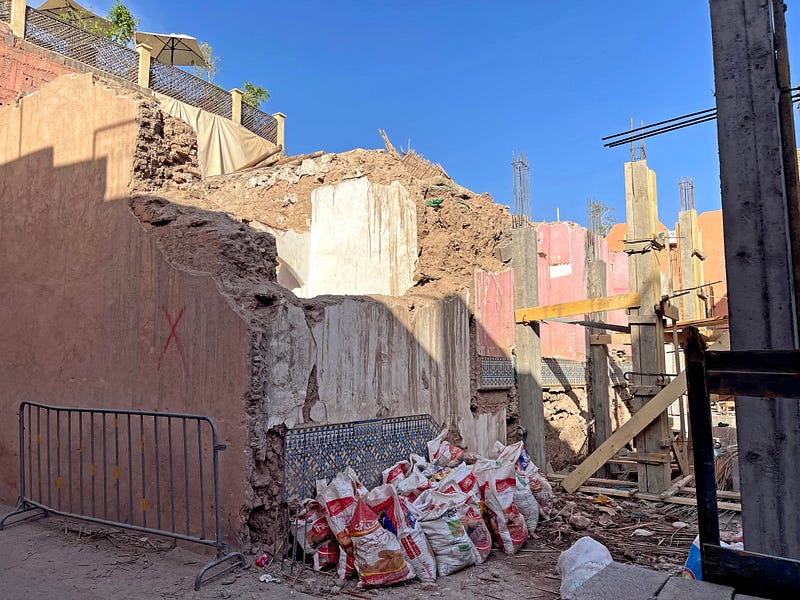
But just a few weeks before my visit the country was hit by a massive earthquake. It struck the High Atlas Mountains but it caused damage in Marrakesh’s old Medina as well. Thousands of people died and thousands more were hurt. After debating whether we should cancel the trip, my friend and I decided to make the journey and support the country in its rebuilding.
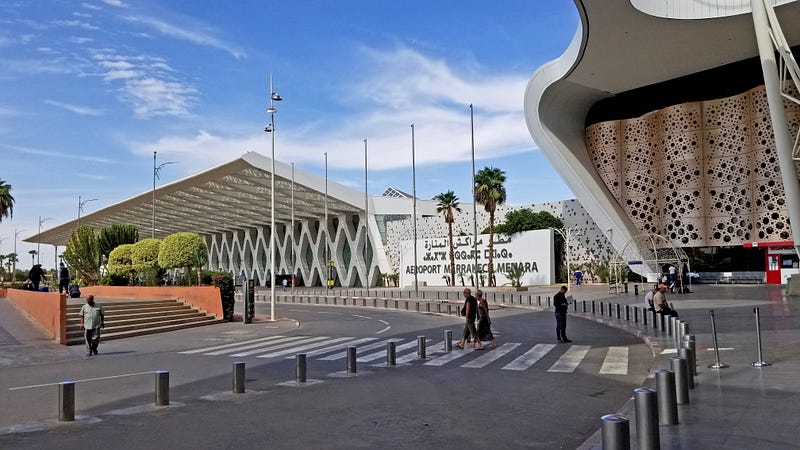
The flight from Seville wouldn’t be simple. We had to first fly discount airline Ryanair to the Canary Islands very early in the morning. Then we’d change to another airline to take us the rest of the way. What should have been, at most two hours flying from Seville to Marrakesh would now be a six-hour travel day.
We got into Marrakesh just after lunch and after getting through immigration, we picked up a SIM card, exchanged some money into dirham, and stepped out into the scorching thirty-eight-degree heat. Luckily our driver was waiting for us.
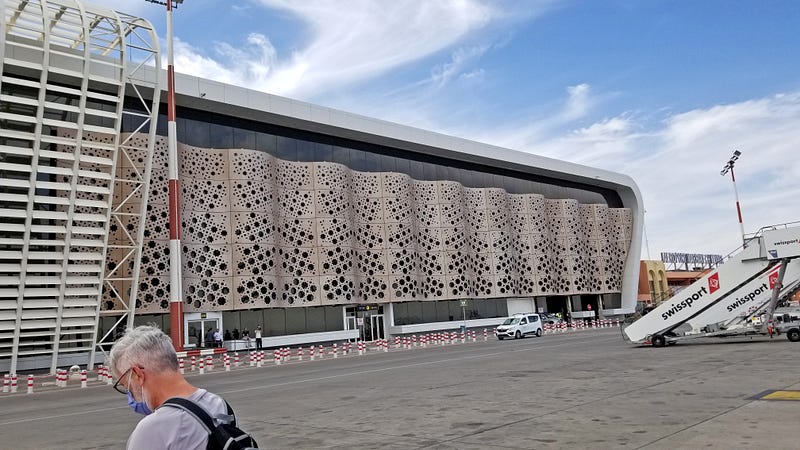
On the drive to our riad (guesthouse) in the medina, I was surprised at what a modern city Marrakesh is. Not all of it resembles the images we are used to seeing of the old city. There are modern buildings and manicured boulevards, shopping malls, and stately mansions, but always there are Moorish examples of architecture and design so you never forget where you are.
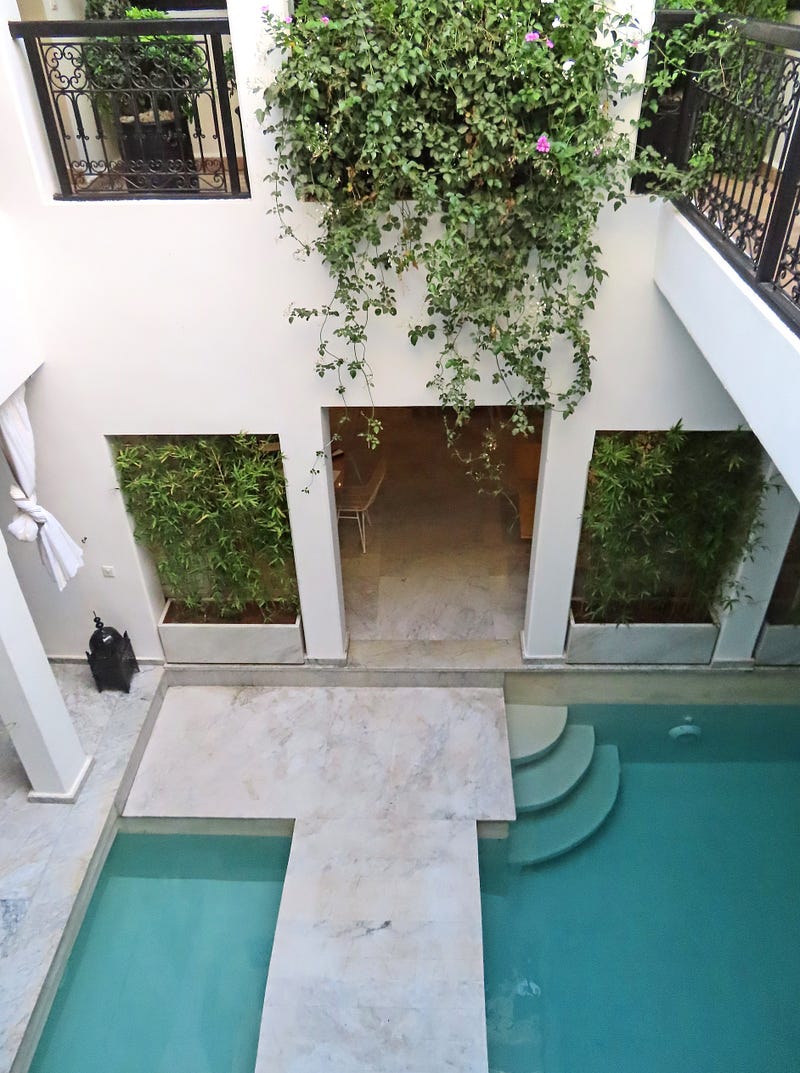
When we got to the medina, the walled old city, our riad was a short walk away and was just what I imagined. Moorish design with unique Moroccan decor, wood-carved tables, brightly colored fabrics, and stained glass lamps. There was also a rooftop lounge area and a swimming pool and plunge pool on the lowest level. It was magnificent.
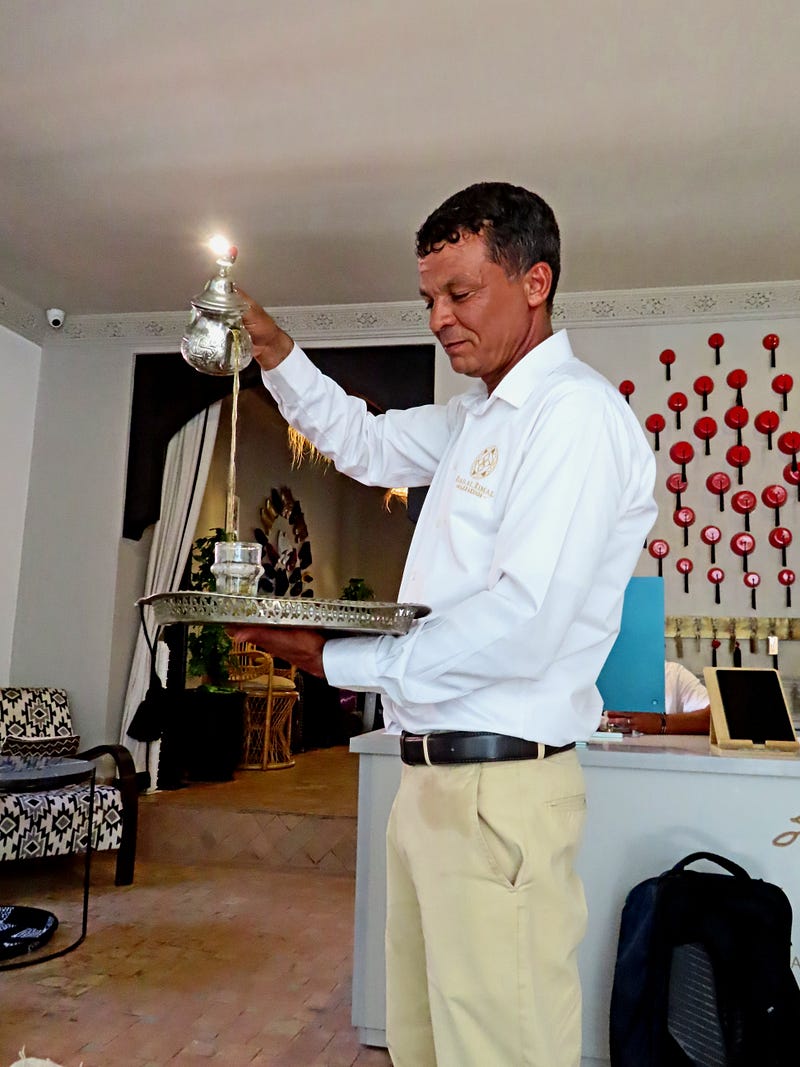
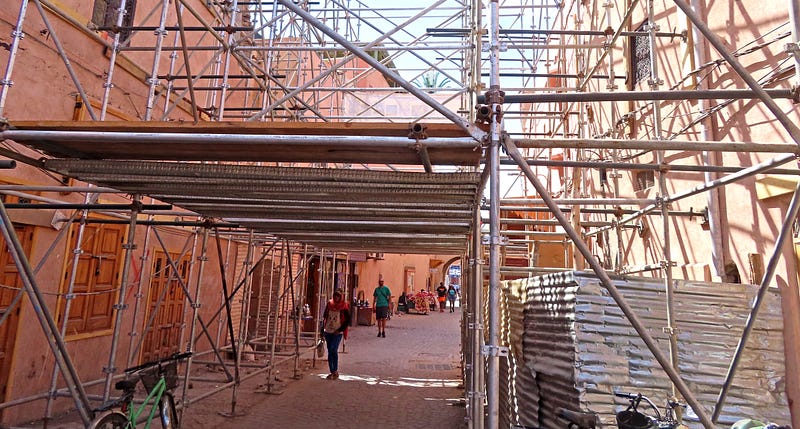
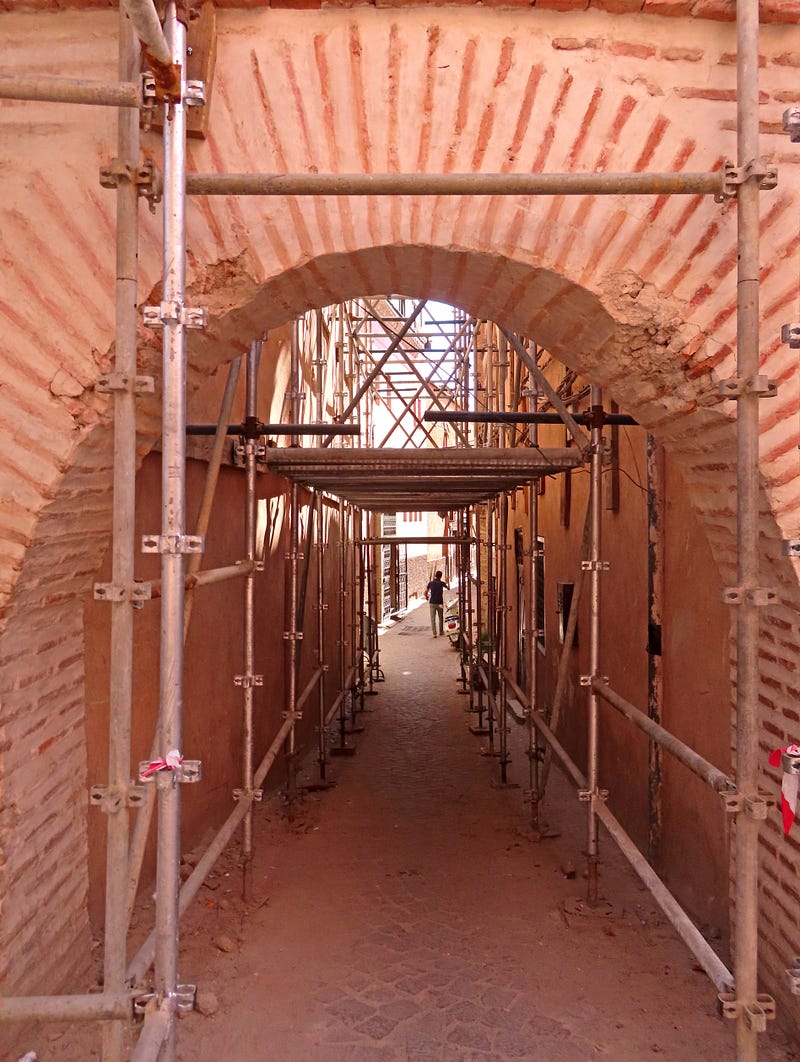
Fatiah, the desk clerk who checked us in, was helpful and friendly. She highlighted all the best places to go nearby, from sightseeing to restaurants. She warned us to be careful as we wandered through the narrow alleyways, some of which had suffered extensive damage in the earthquake. We also had to remember the route where we were going since cell service wasn’t good in the covered areas of the market. Plus we had to dodge all of the stray cats that lived there.
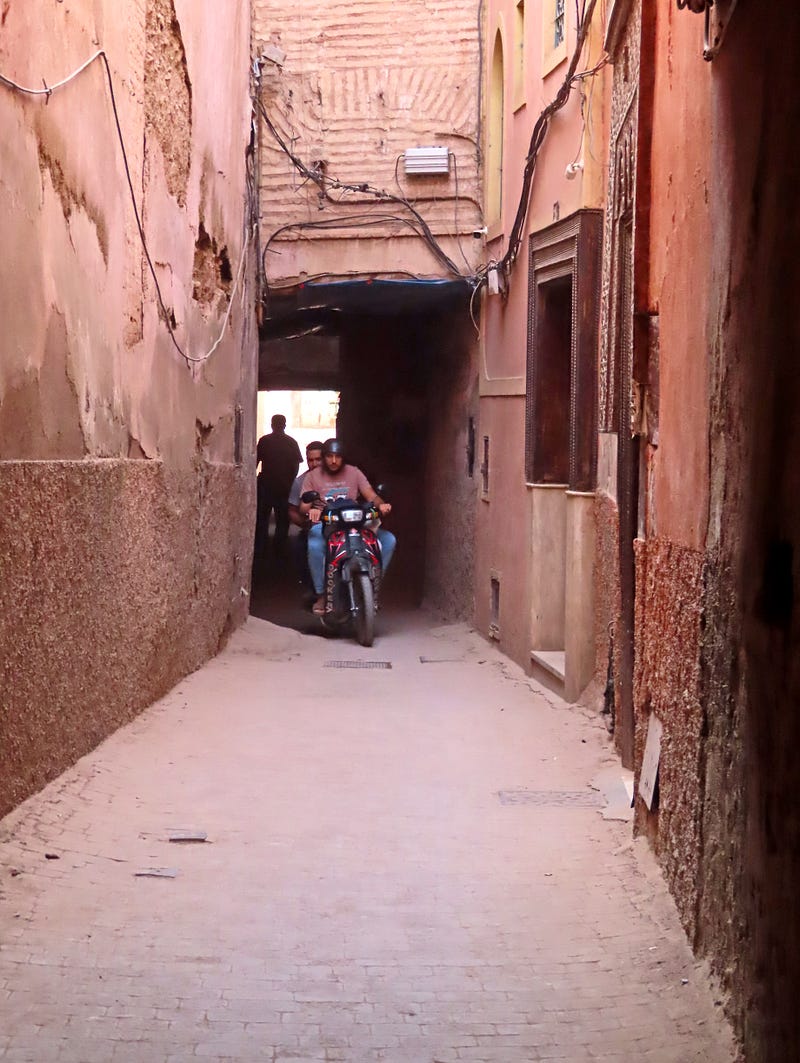
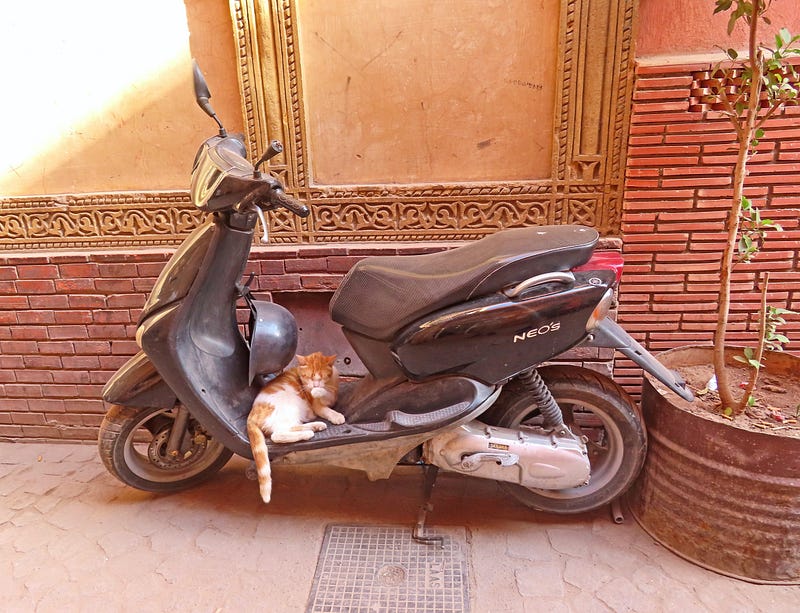
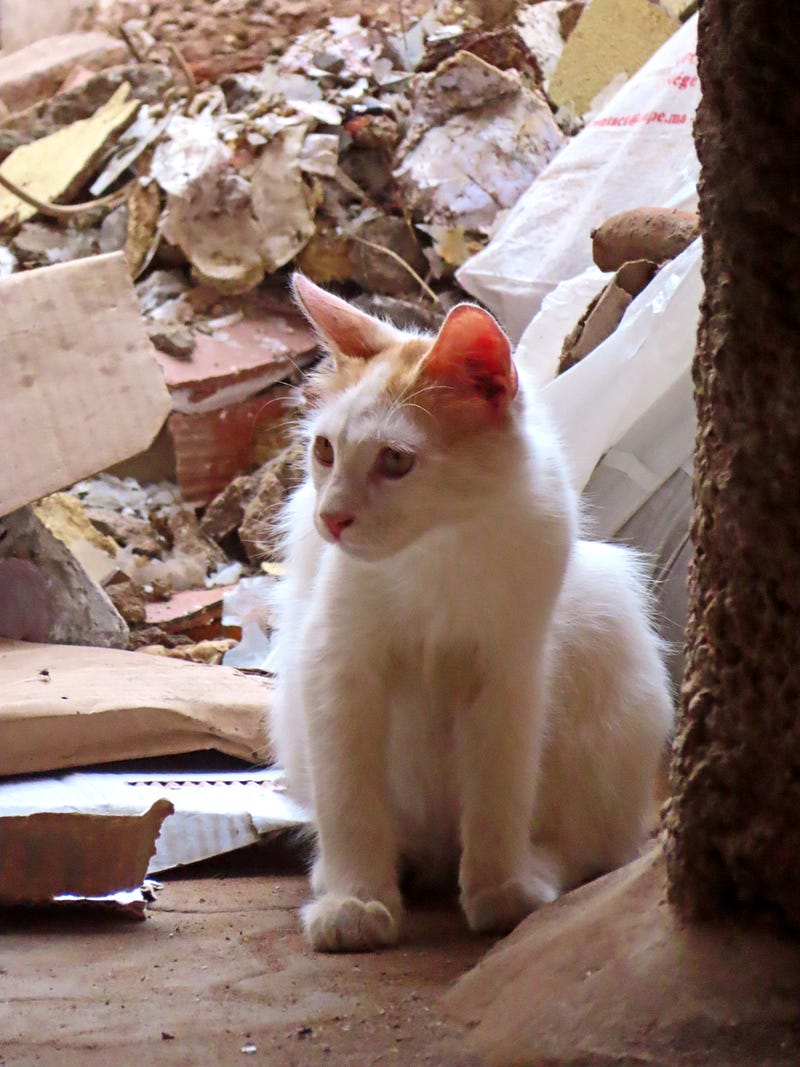
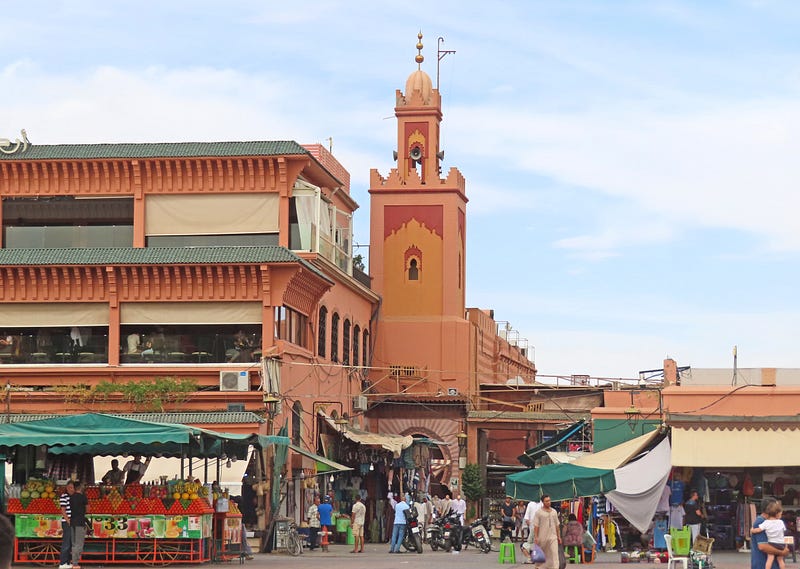
We quickly stashed our bags in our room and headed out to Jemaa el-Fnaa, the city’s main square and just a short walk from our riad. I have studied this city for so long that the huge square, in the middle of the medina, was already familiar.
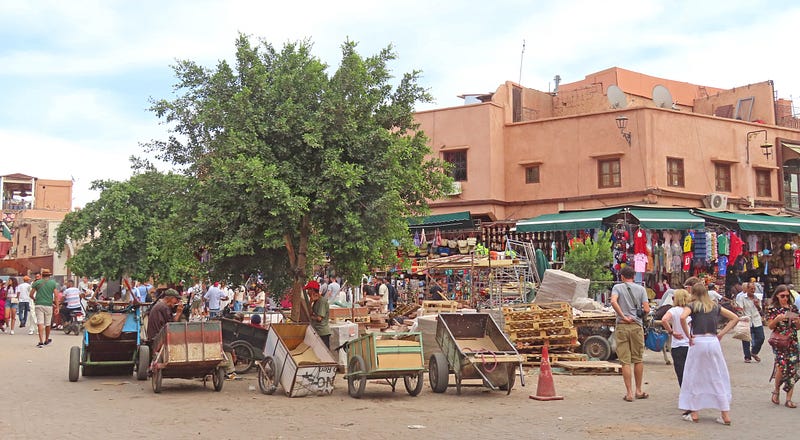
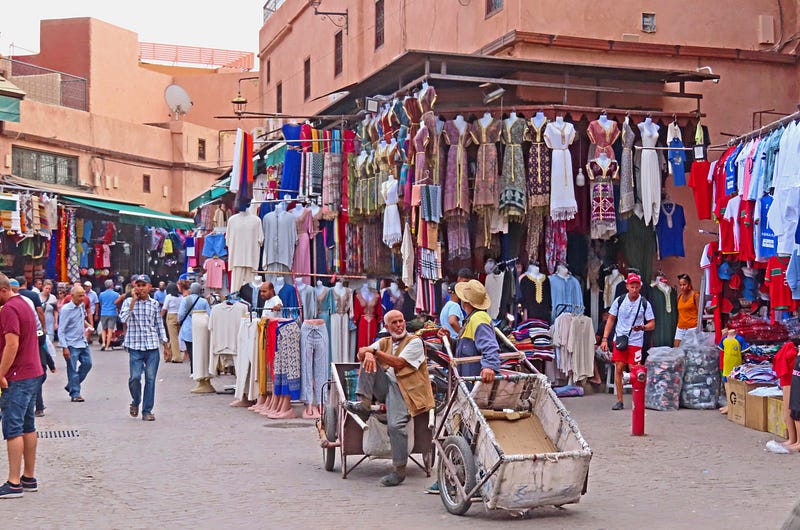
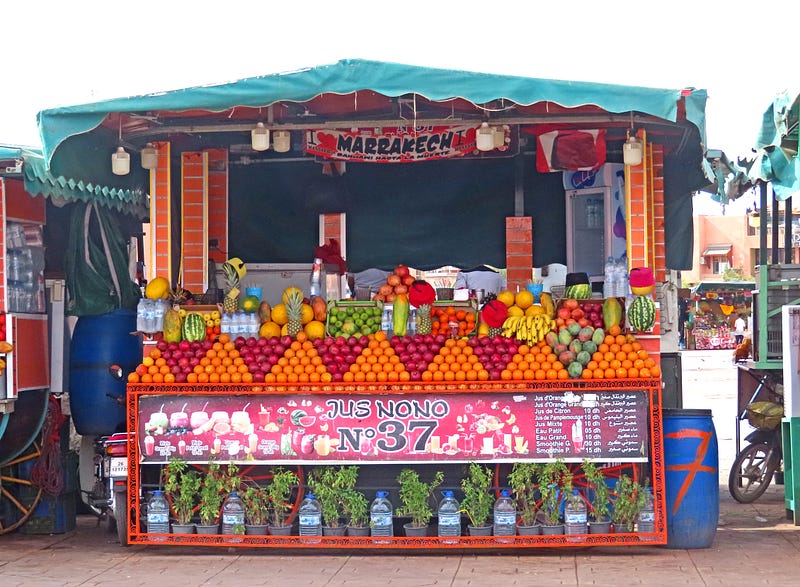
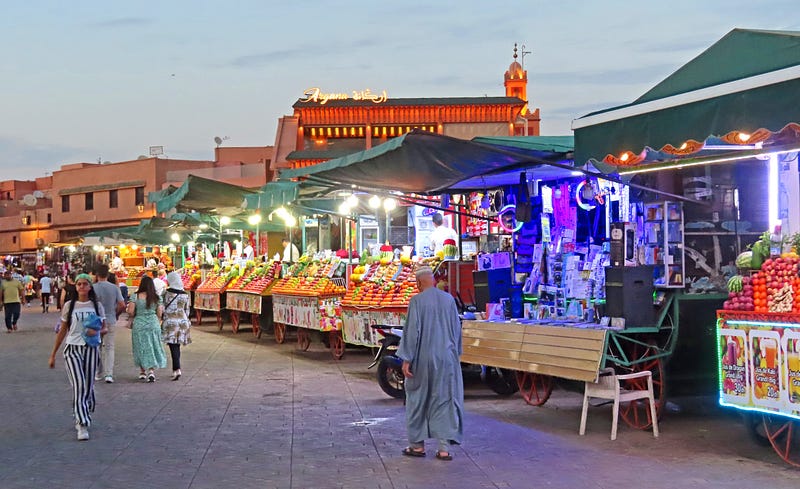
It’s busy and loud, with snake charmers vying for attention with vendors selling everything from orange juice to colorful lamps and clothing.
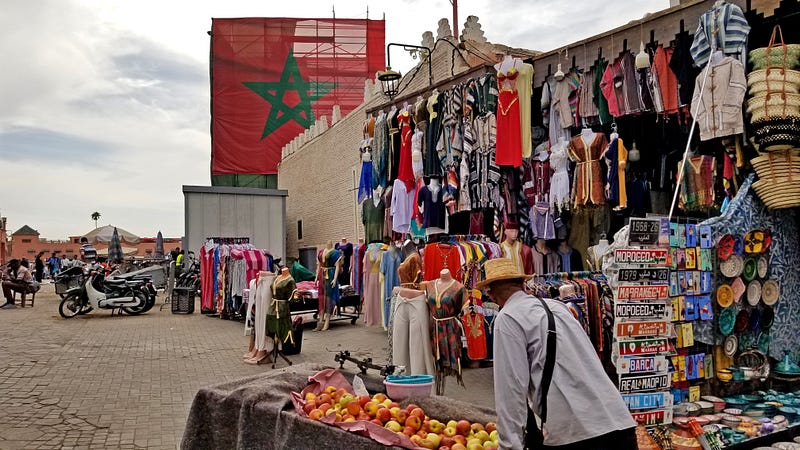
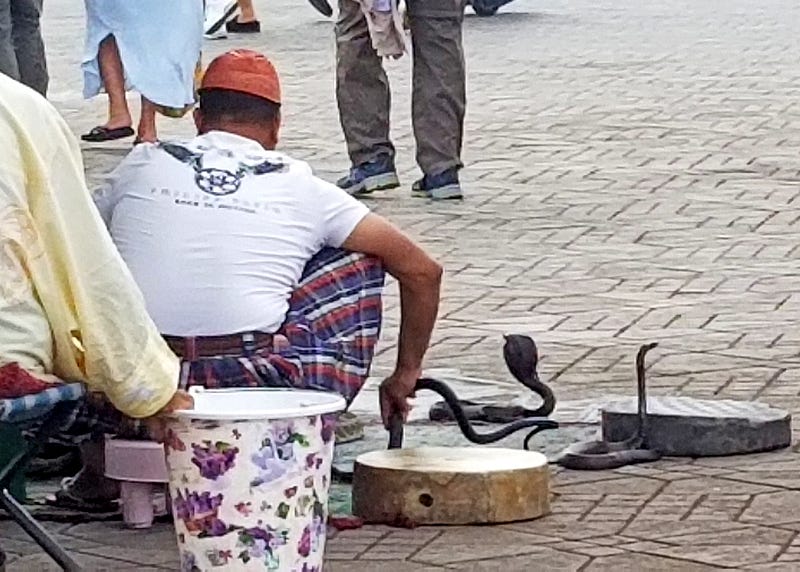
The vendors would call out to us as we walked past. I knew better than to make eye contact, but my friend was too kind to ignore them when they asked him where he was from. It’s not easy for Canadians to be rude.
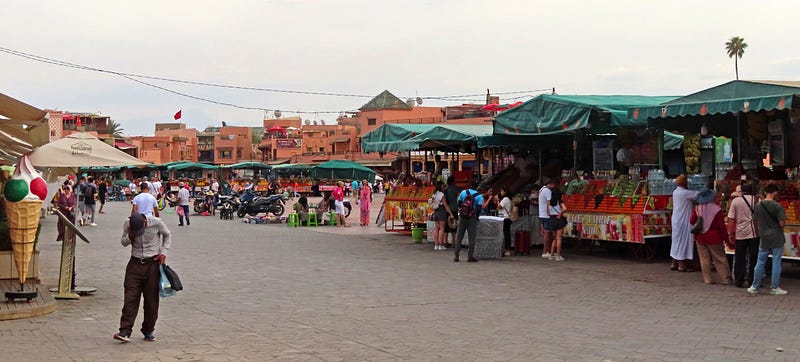
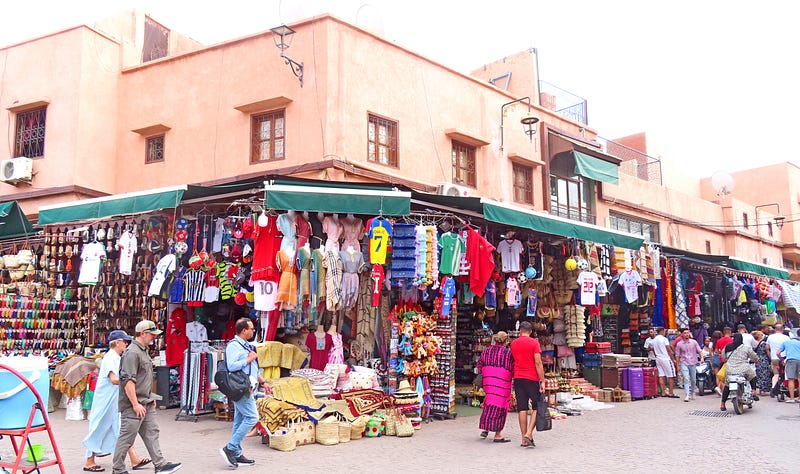
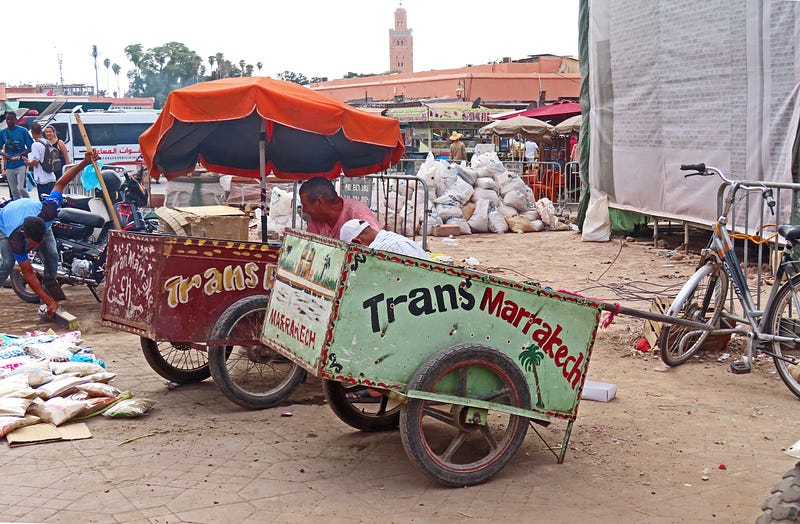
The medina is a fascinating place with the fruit juice vendors lined up on one side, the food vendors on another, and the clothing and crafts vendors set up around the perimeter and along the many side alleys that radiate from the main square.
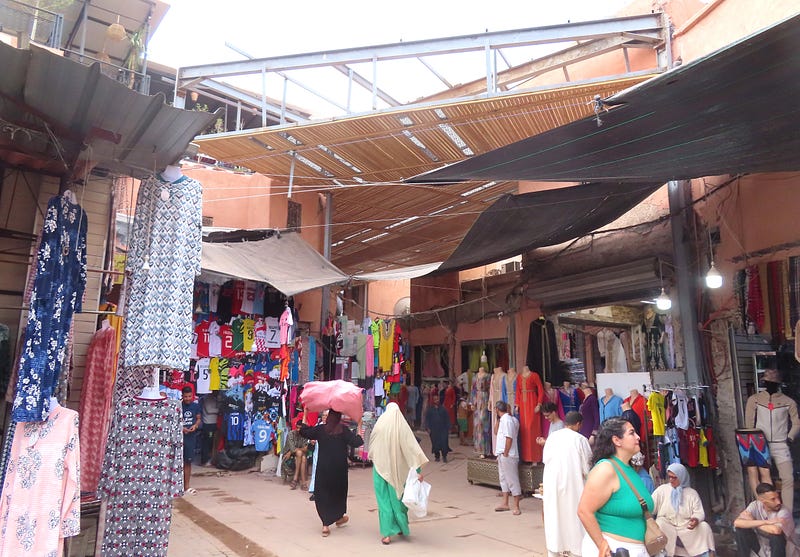
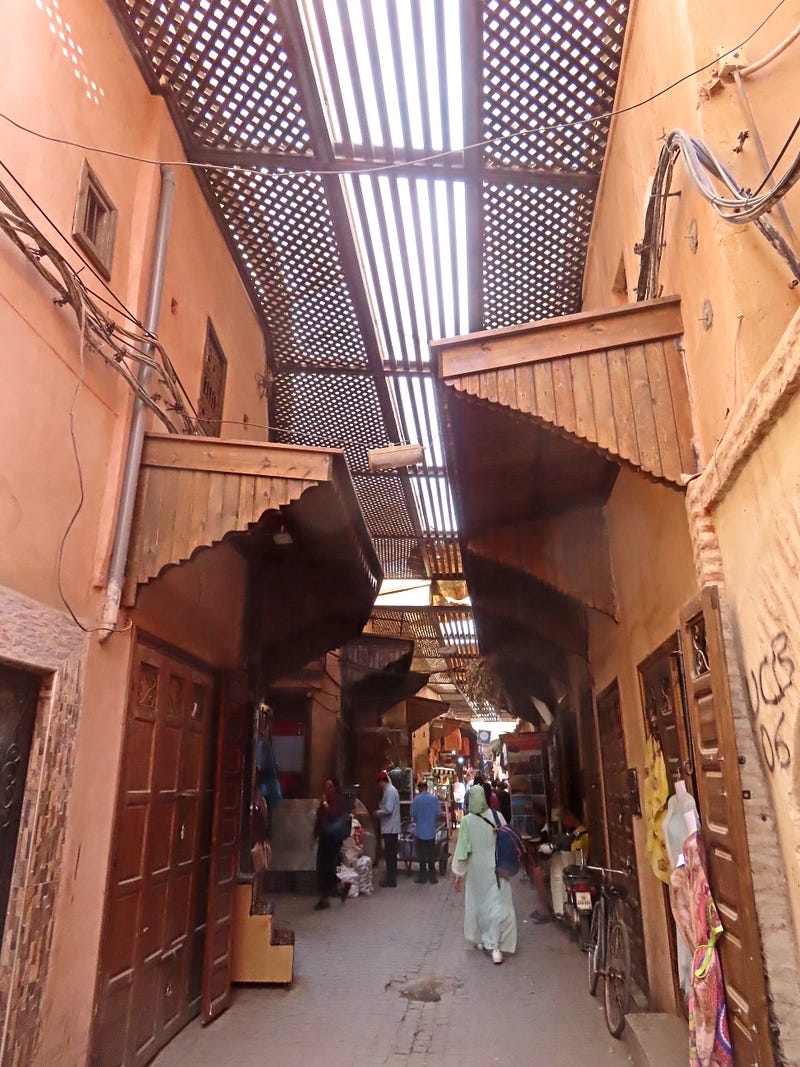
Many of the craftspeople and their wares are contained together in specific areas of the souk (marketplace). The leather makers are in one place, shoemakers, weavers, wood craftsmen, carpet makers, and metalsmiths are in others. I was surprised to discover that almost every craftsperson we saw was a man. I don’t recall seeing a single woman working in any of the crafts areas of the Moroccan medinas we visited.
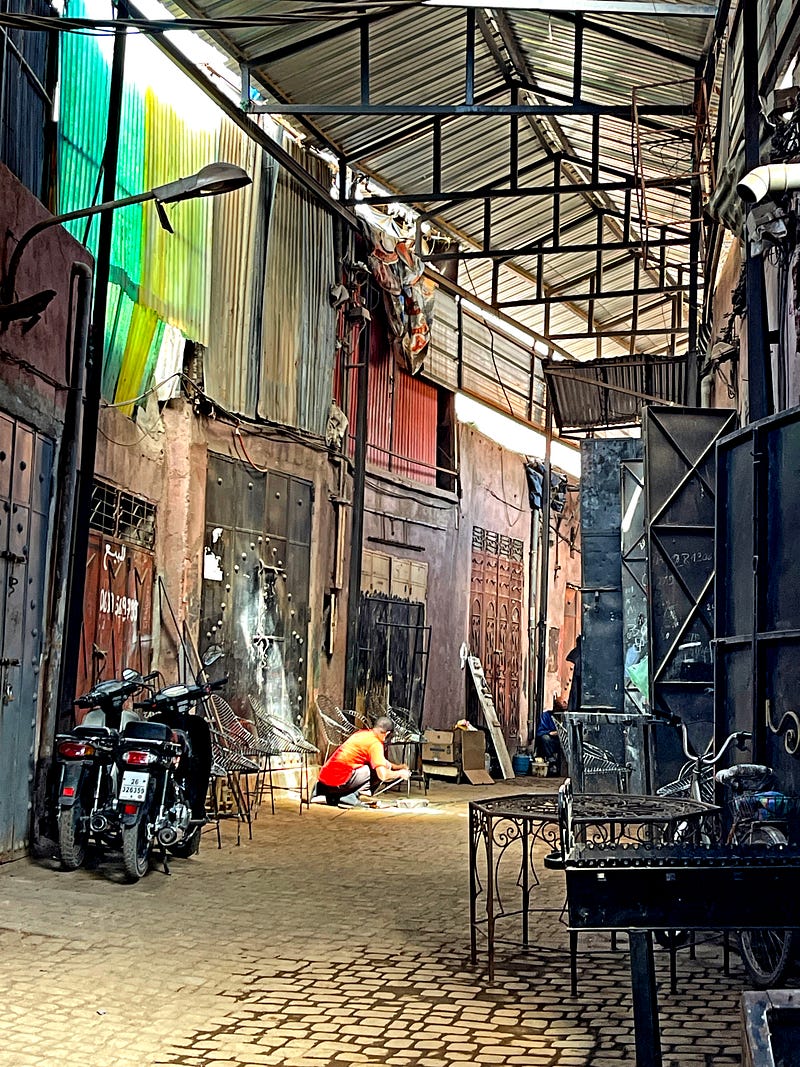
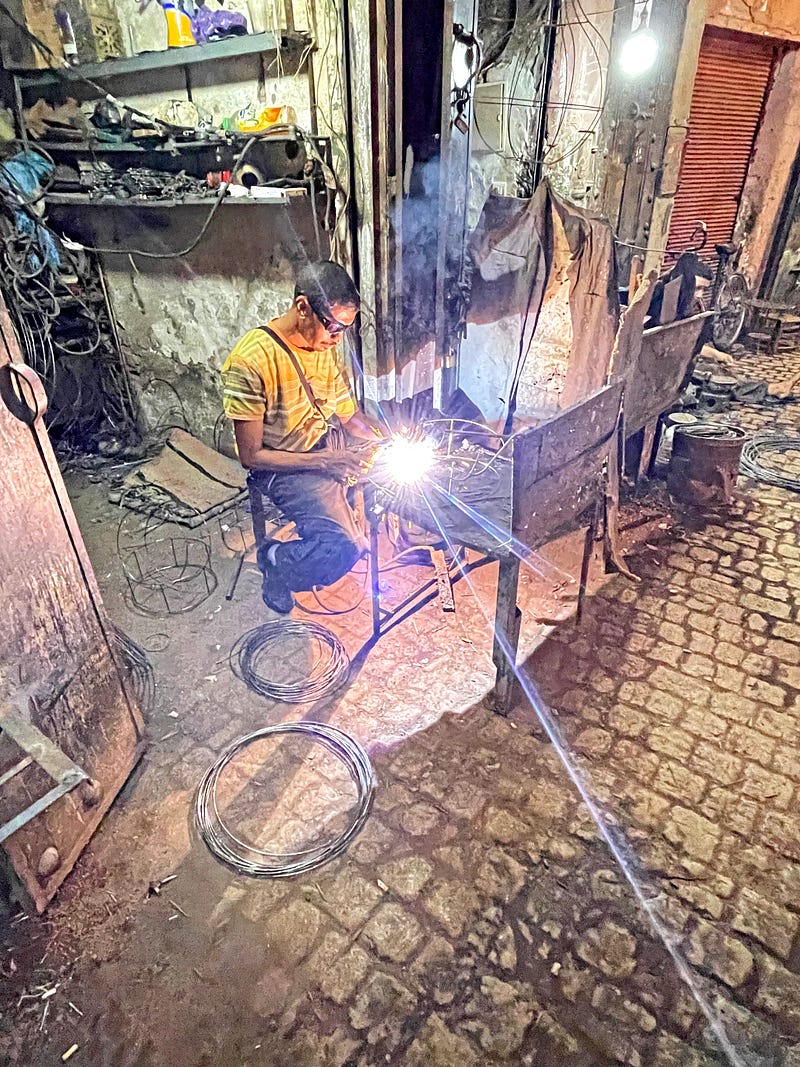
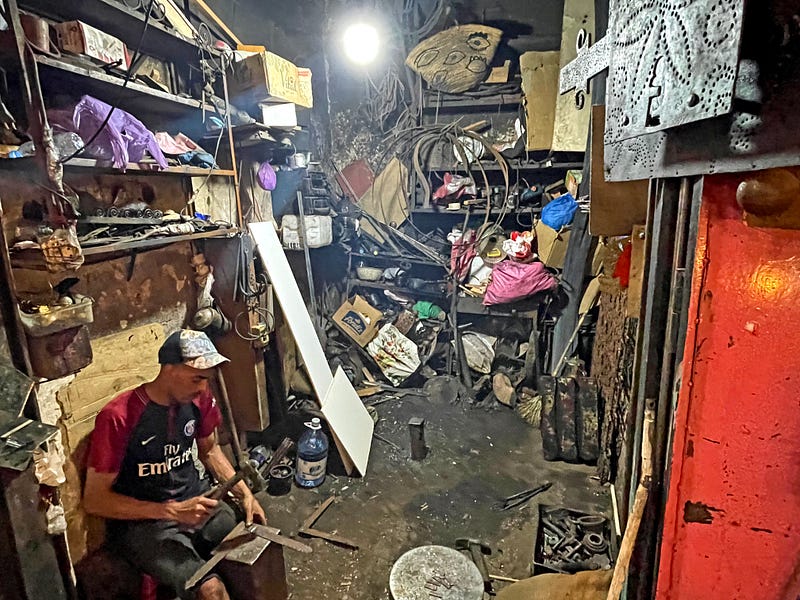
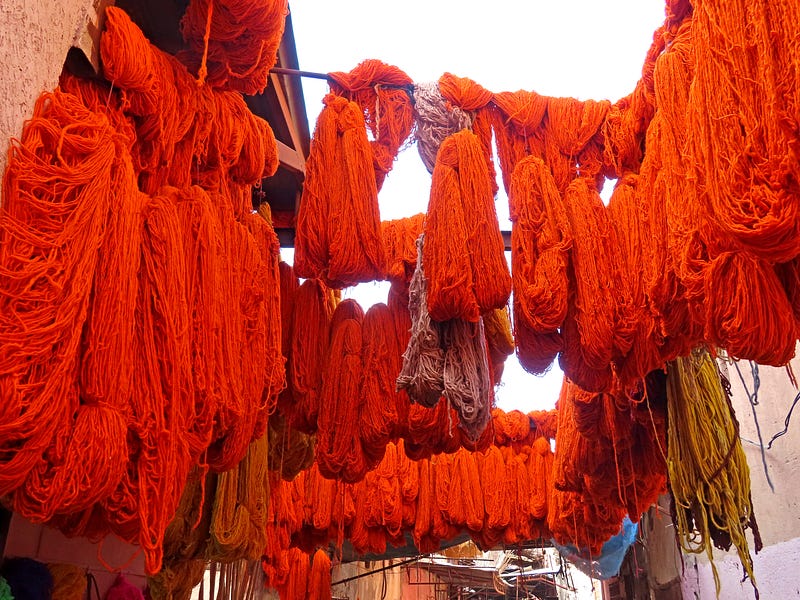
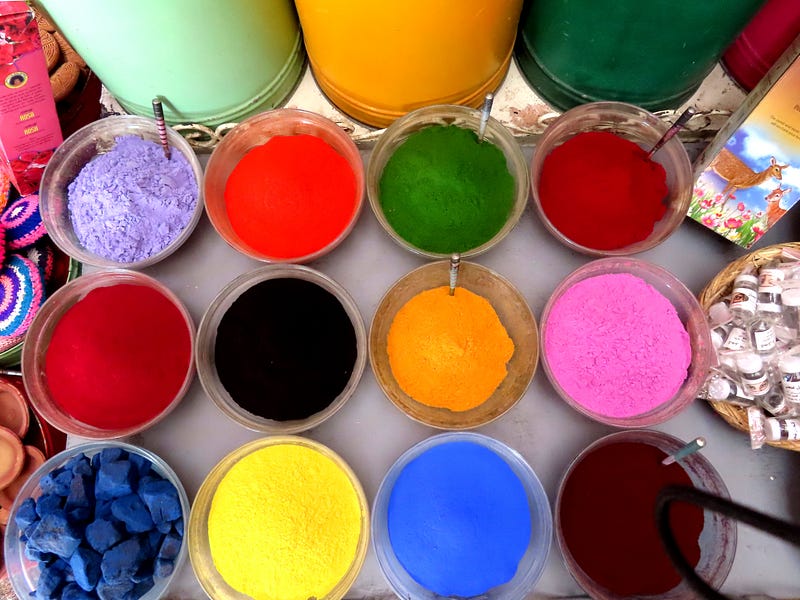
Watching them work is all part of the experience. But it’s best to ask before you take a photo.
I didn’t plan to buy anything — famous last words.
We came upon a woodworker who was using his feet to turn a lathe outside his shop. I was spellbound. Suddenly he stopped working when he realized he had a captive audience.
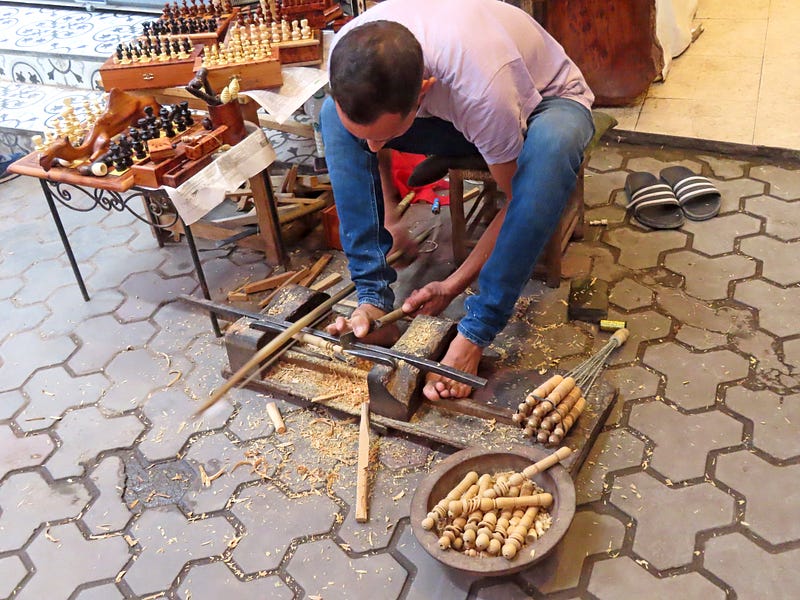
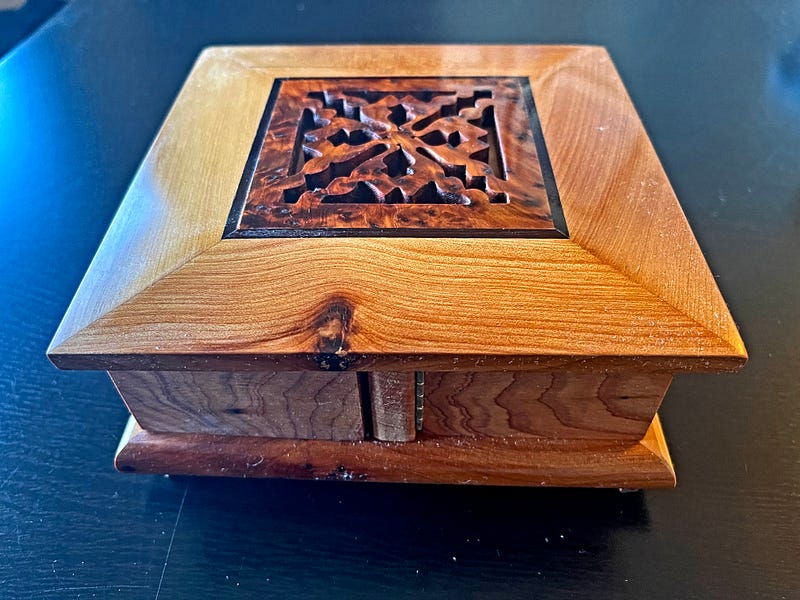
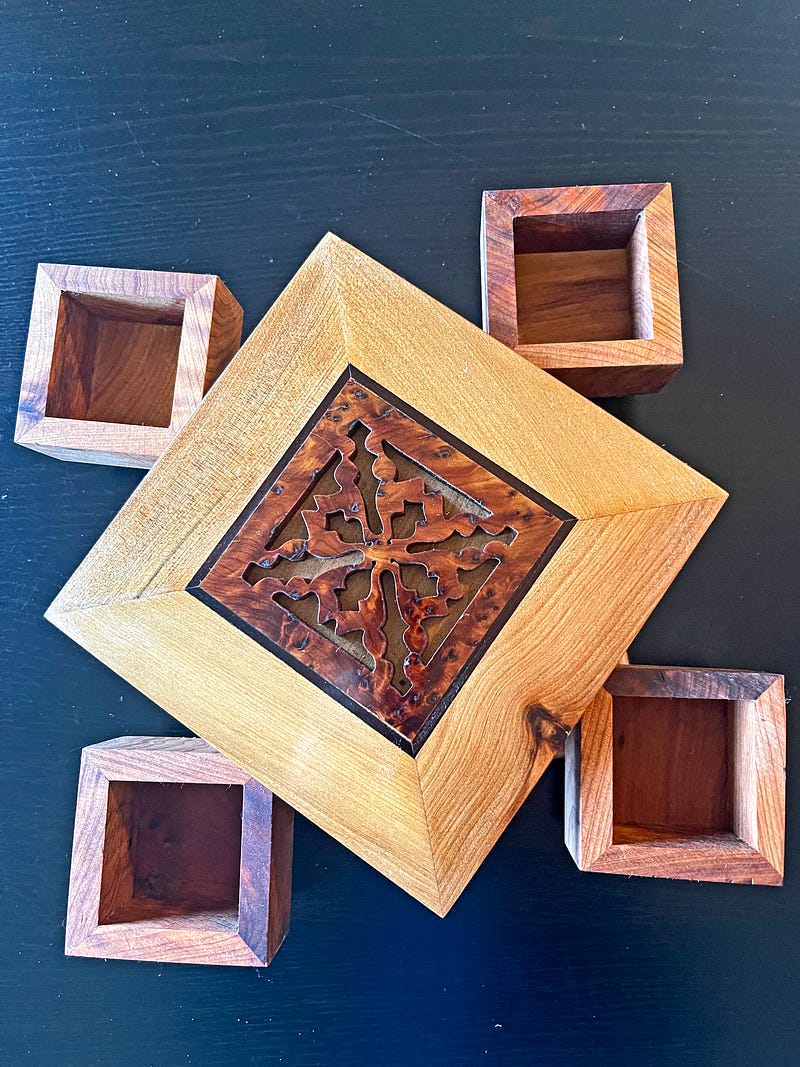
When he showed us some of the magical boxes he created, I ooohed and ahhhed and he knew he found his mark. They were solid wood with inlays and unique, secretive ways to open each of the boxes. I made the mistake of asking how much they cost. I was just wondering. He responded that the box I was looking at was 800 dirhams or about $80. That was much more than I was willing to pay. I said thanks but no thanks and started to walk away. He decided the game was on.
“How much do you want to pay?” “No, no. I was just looking. All I have is 200 dirhams (about 20 bucks).”
That was way too low. I knew that but was just trying to get away with my cash intact. He came back with 600. Then 400. But I told him I truly didn’t have it. He said he took credit cards but I said I didn’t have my card with me. As I started to walk away again he asked, “What is your best price?” I dug in my pockets and I found another 40 dirhams, so 240 is the best I could do. He said, “Make it 280 and we have a deal.” He stuck out his hand to shake mine but I said, “Sorry I don’t have it.” “Okay, okay you make me give it to you for free. 240 dirhams.” And just like that, as he wrapped up the magical box in a newspaper, we had a deal. He wasn’t too happy about the deal but he knew he had met his match. I was just trying to get out of buying anything so actually he won. But I do love the box.
As we wandered through the maze of alleyways, mesmerized by everything all around us. I couldn’t help looking at the doors. Some were beautifully carved ornate doors to buildings, usually riads. But I wondered about the beauty they hid inside. We came to one open door and were told it was a secret garden, La Jardin Secret.
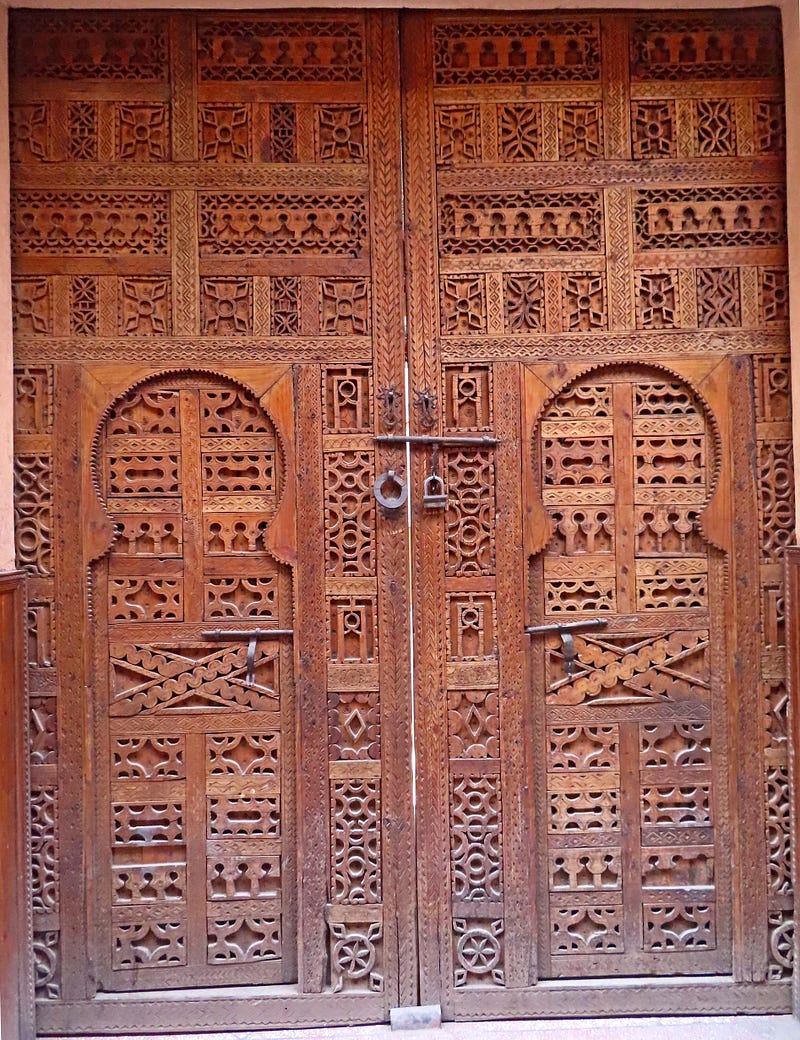
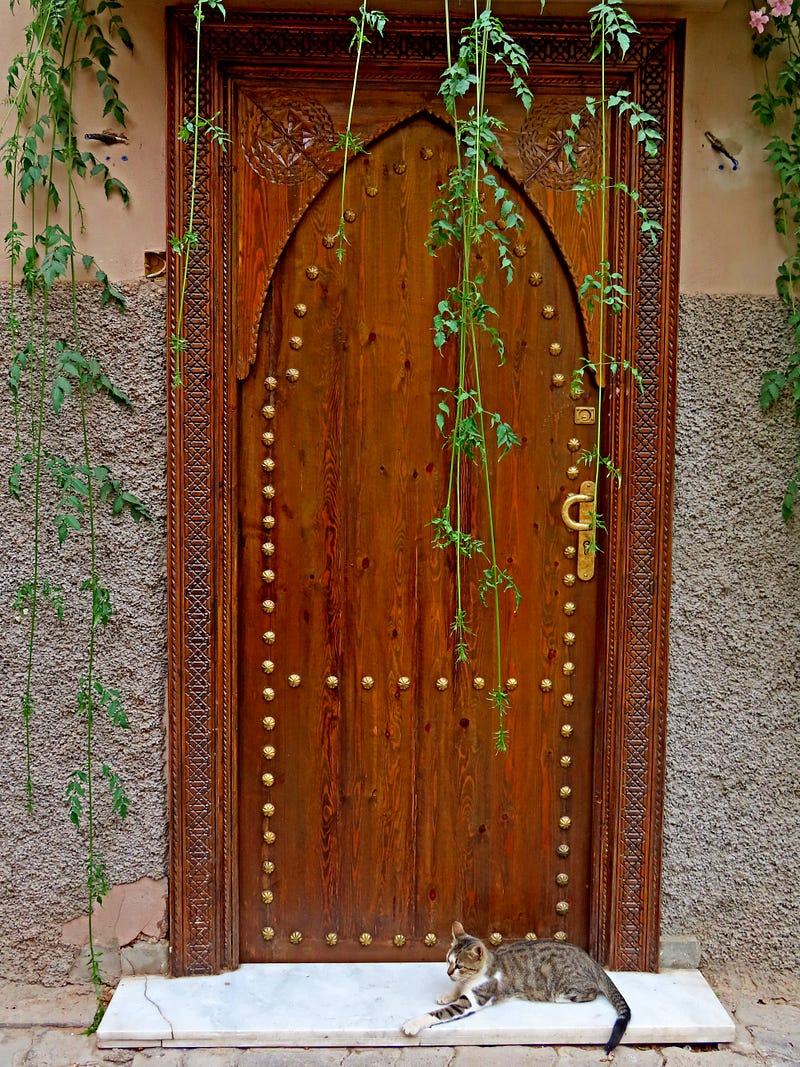
As we stepped through the door, the gardens were laid out in front of us, hidden behind the walls of the estate. It’s in the style of traditional Islamic gardens, that can be found in mansions and estates through Andalusia, Spain, and Morocco.
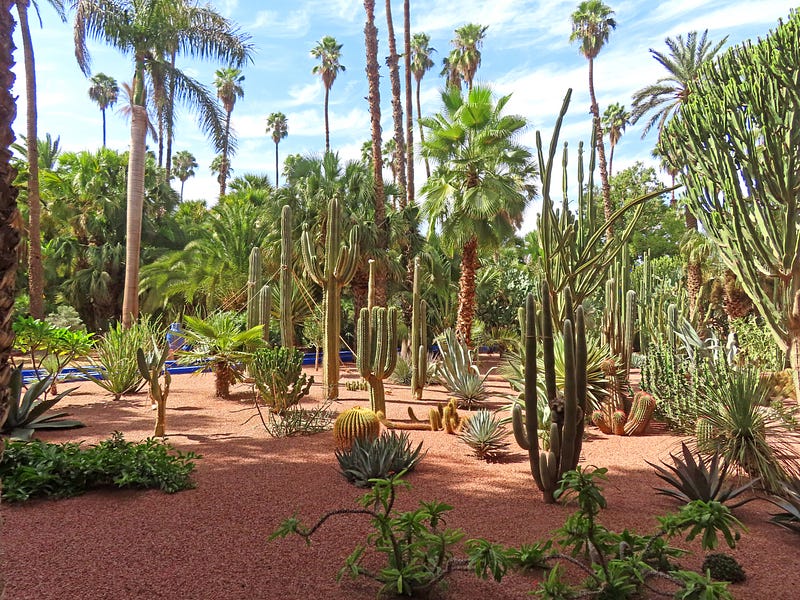
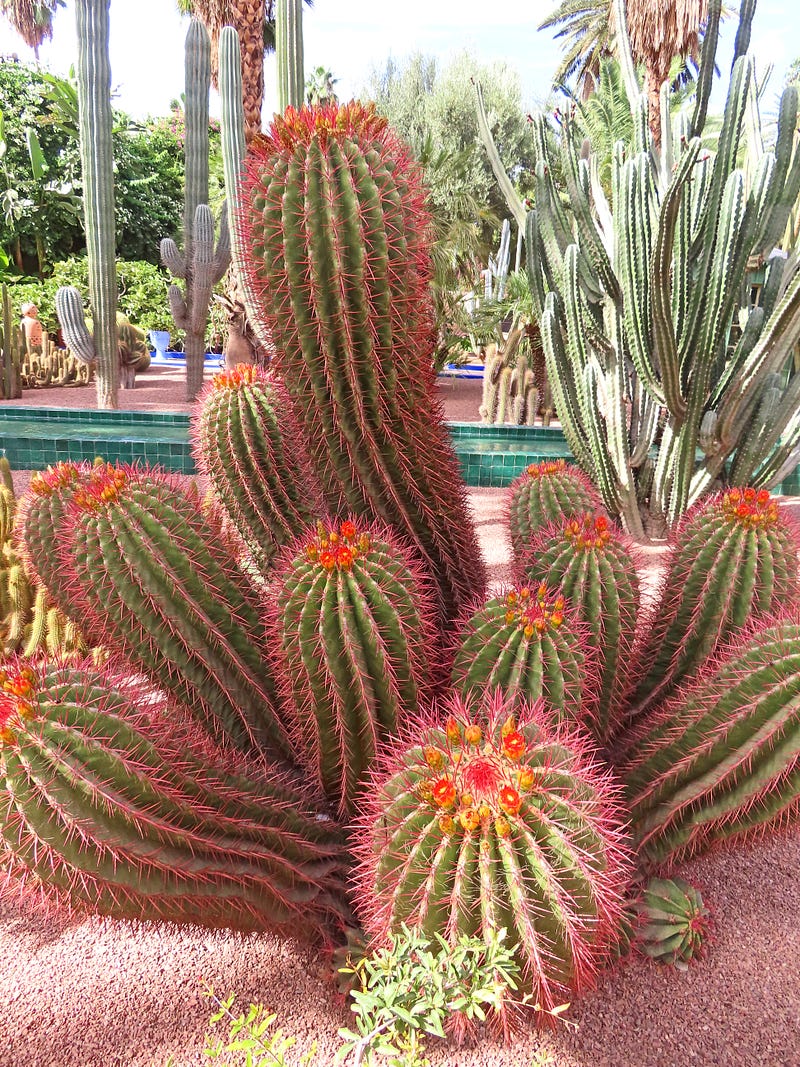
The inner courtyard of the family home displayed beautiful fountains and tiled water features. The gardens are full of unique plants that thrive in the hot environment. That meant lots of cactus and tropical plants, all with name tags identifying them and where they came from around the world.
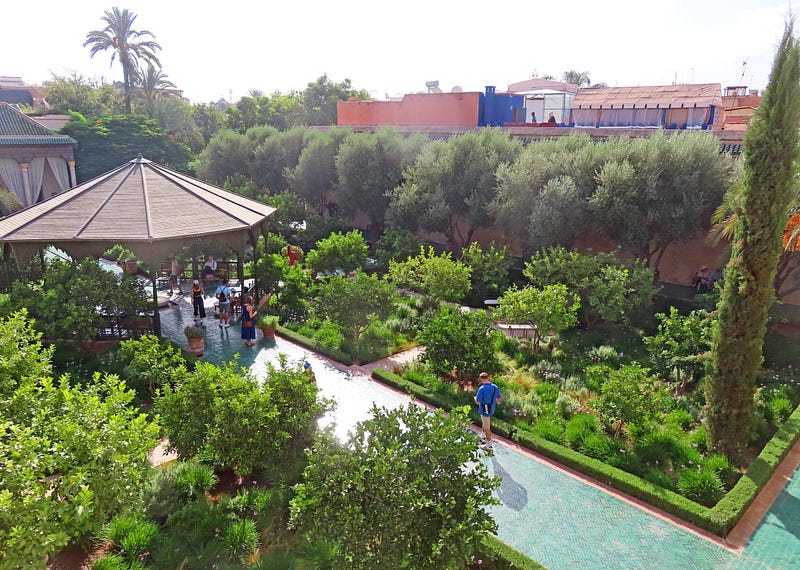
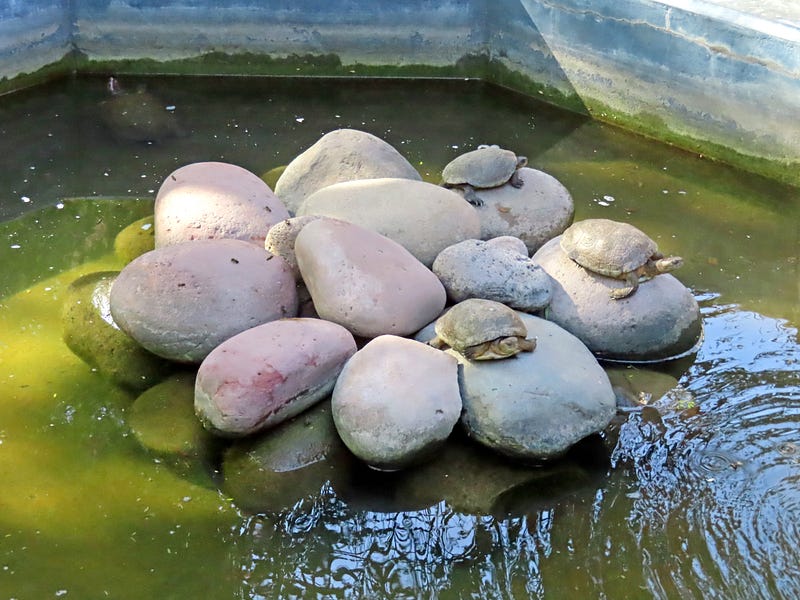
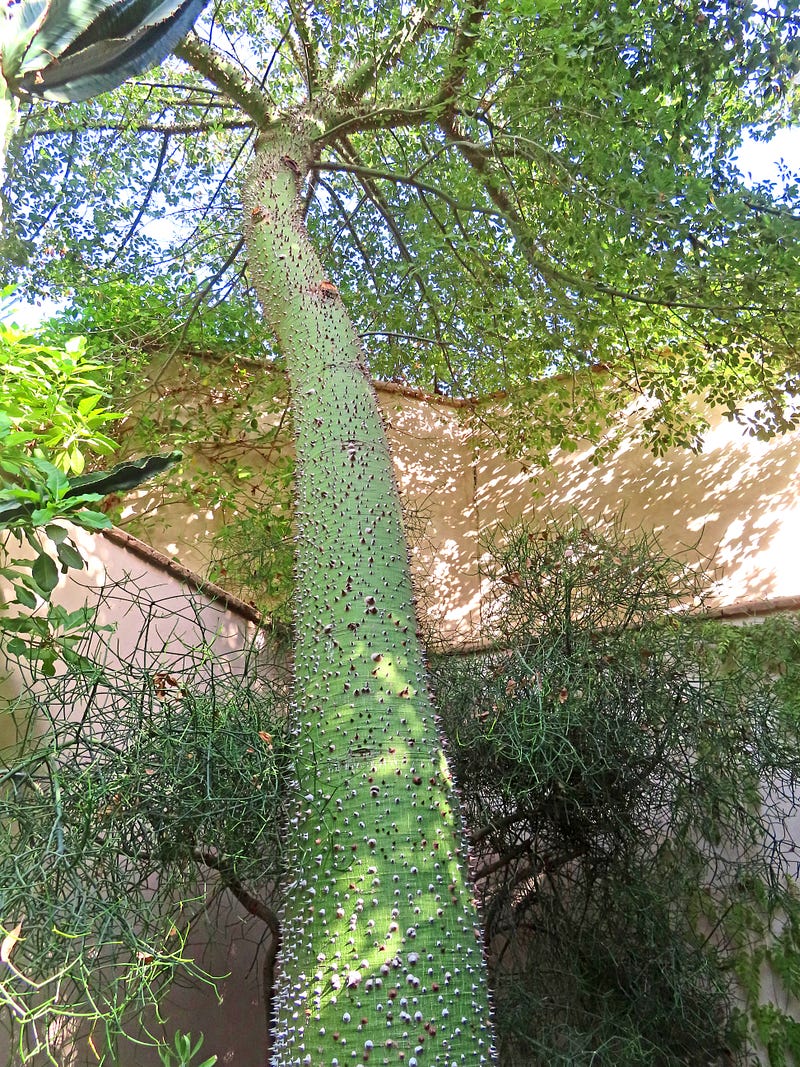
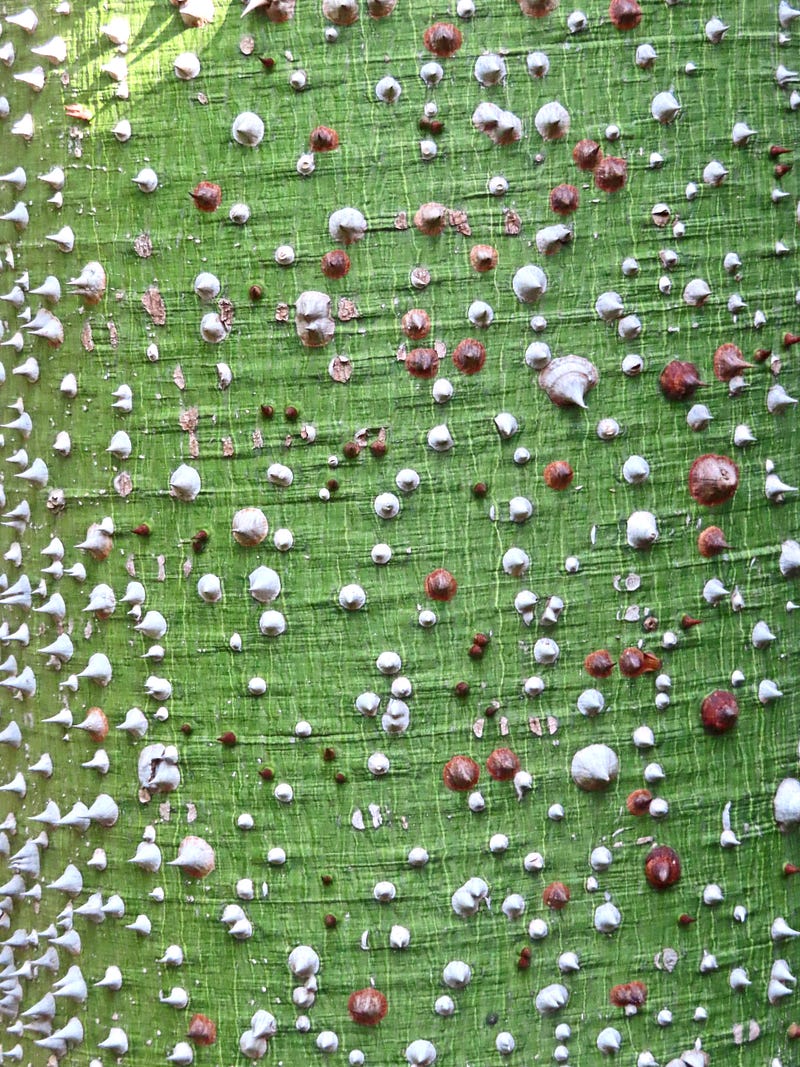
Unlike some of the larger gardens in Marrakech, this secret garden can be experienced in about an hour, which also gives you some time for a mint tea in the rooftop cafe.
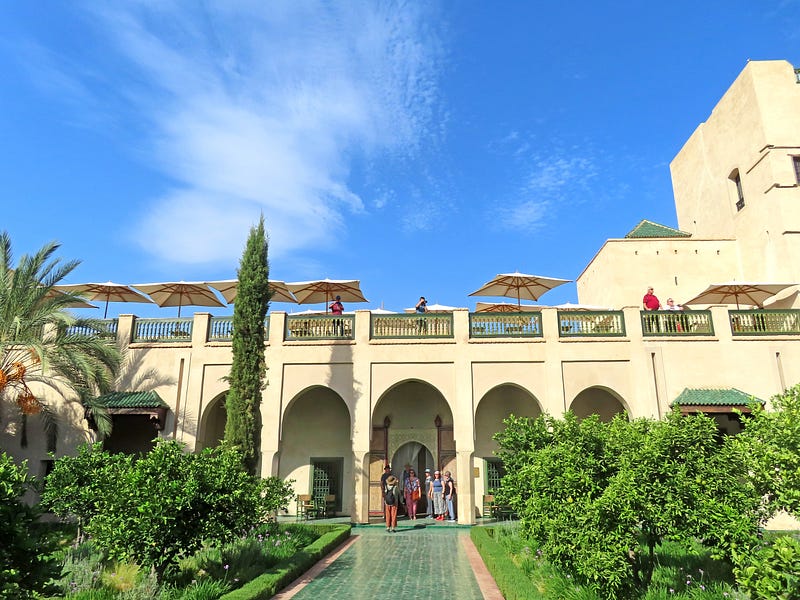
We continued wandering through the souk (marketplace), but there is only so much window-shopping you can do. So we took a drive to yet another garden — Jardin Majorelle. This one is more famous with much larger crowds. In fact, we had to get timed entrance tickets and then wait in line until they let us in.
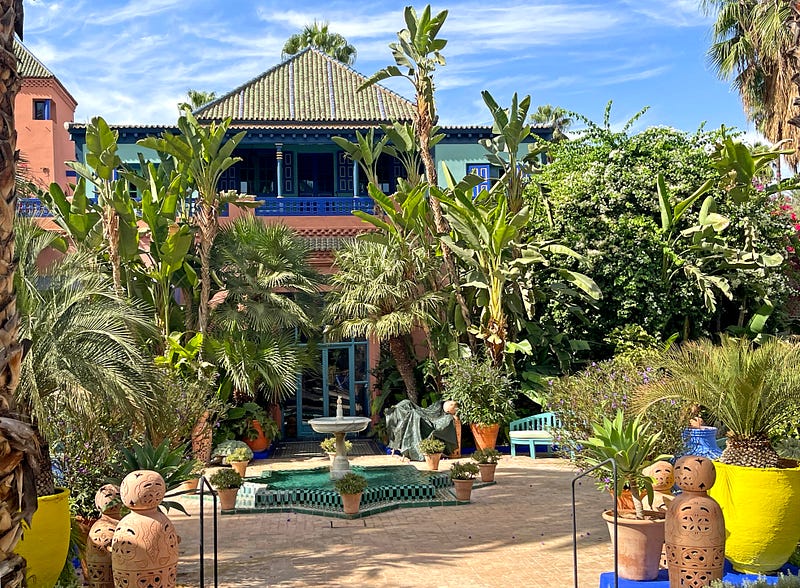
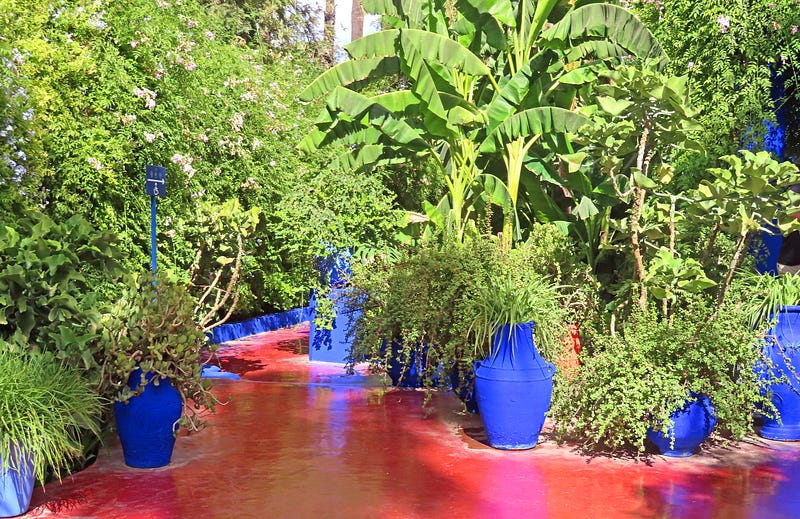
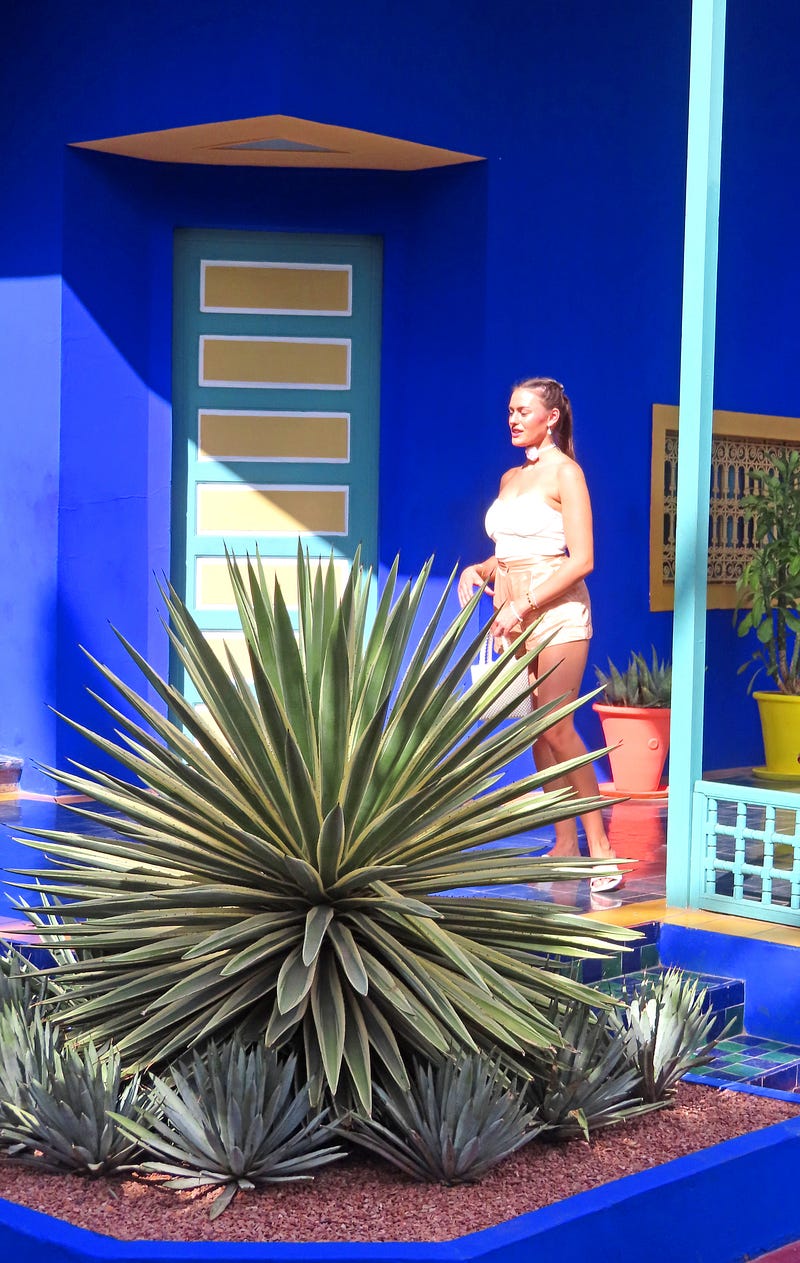
The two-acre oasis was created by artist Jacques Majorelle beginning in 1923 and wasn’t completed until the late 1950s. There is also a villa, which serves as a museum, gift shop, and cafe designed by the French architect, Paul Sinoir in the 1930s. The magnificent blue color on the tiles and the painted buildings is even named after the artist, Bleu Majorelle.
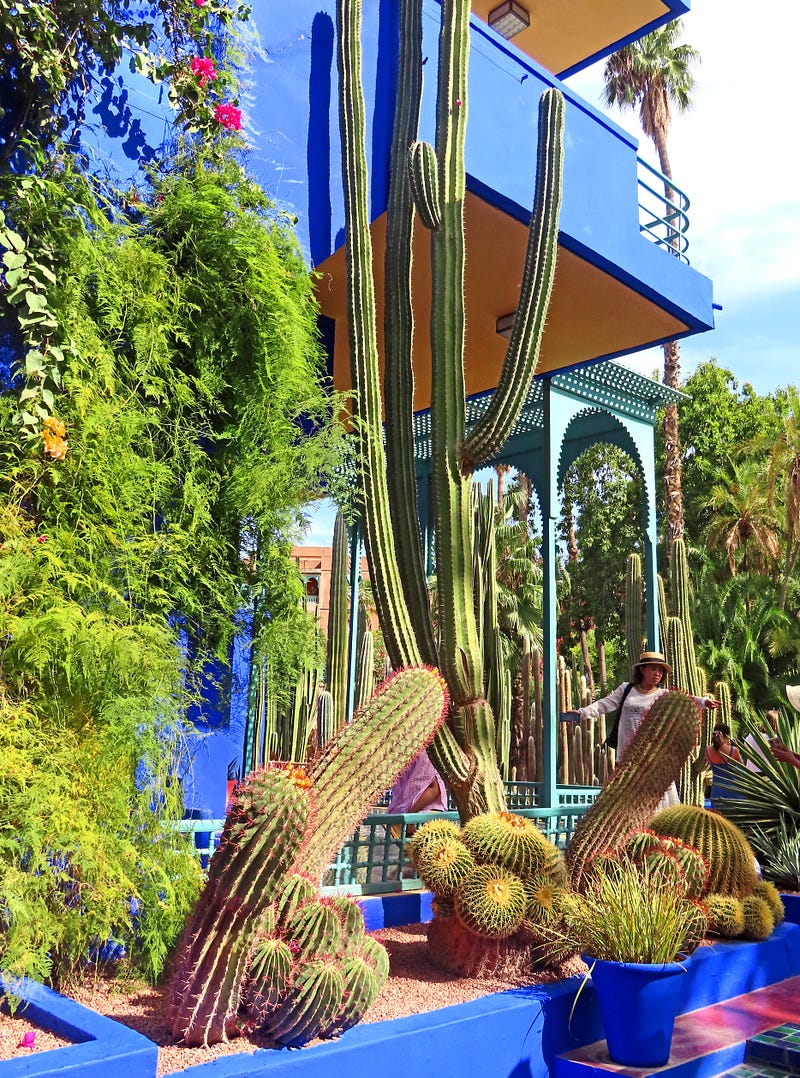
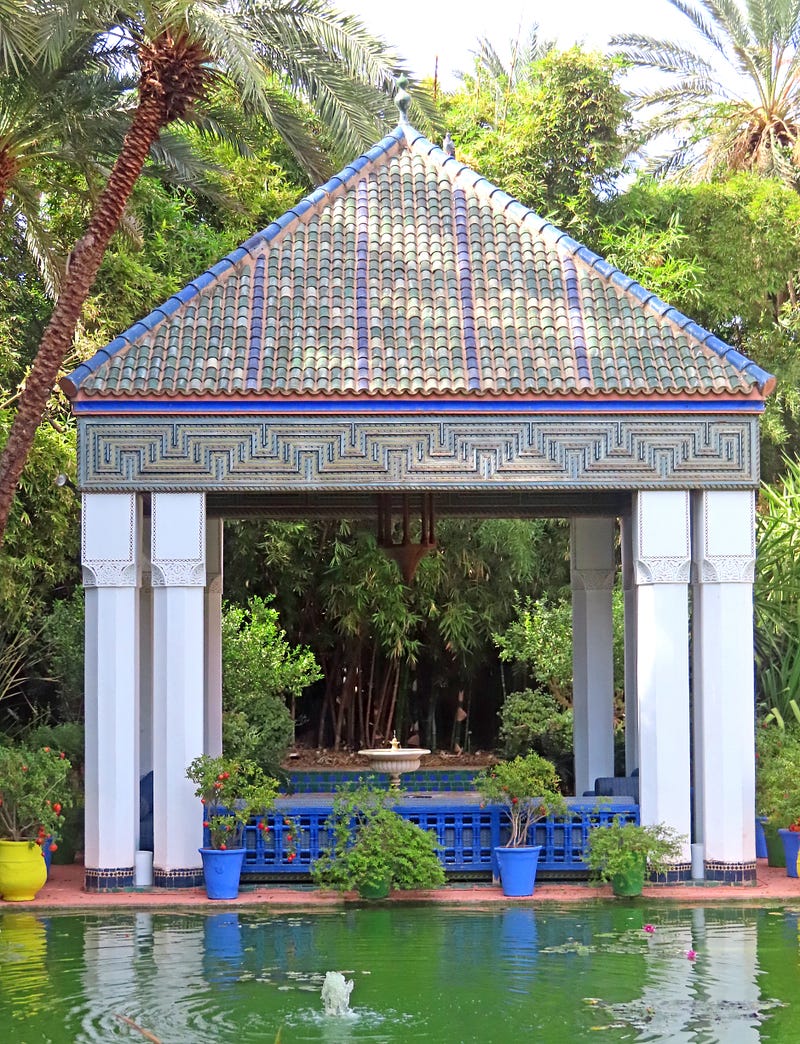
The property was sold in the 1980s to fashion design icon Yves Saint Laurent and his partner Pierre Bergé, who went about restoring the garden and opening it up to the public. When he died in 2008, Yves Saint Laurent’s ashes were scattered in the garden and there are memorial markers to the couple.
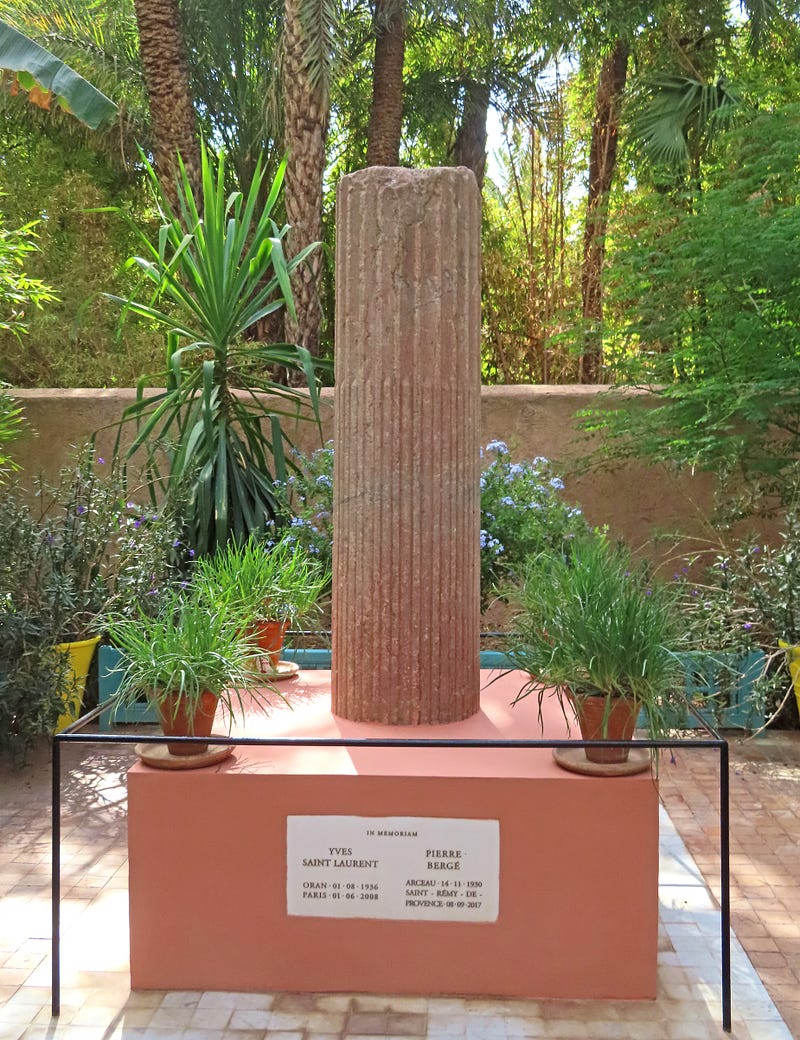
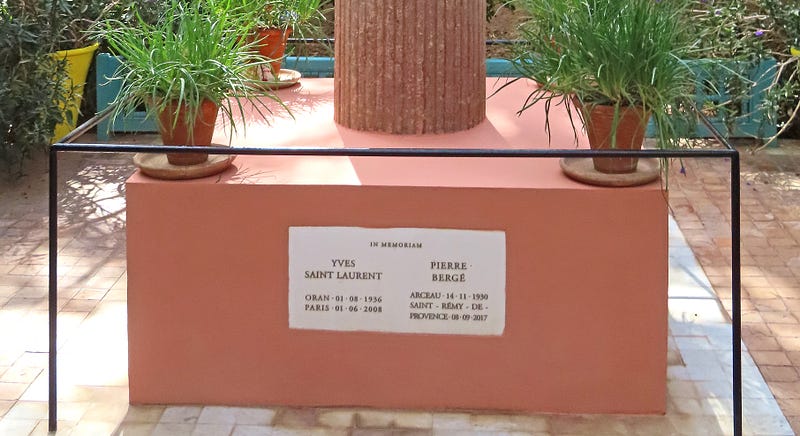
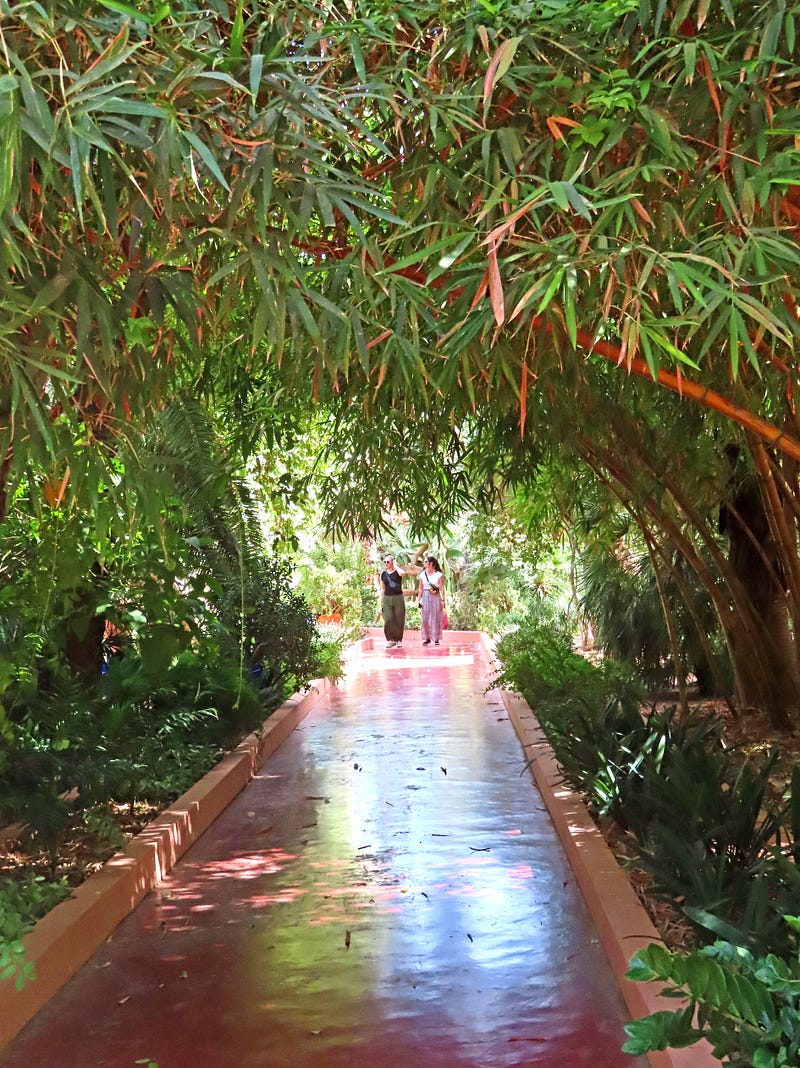
It is a large oasis in the sweltering city. Many of the garden’s features are set up as Instagrammable locations, with beautiful plants and colorful pots scattered throughout. That meant several Instagram model wannabes were posing wherever we looked. It made it hard to take photos as we all had to wait until they were finished posing before they would move out of the shot.
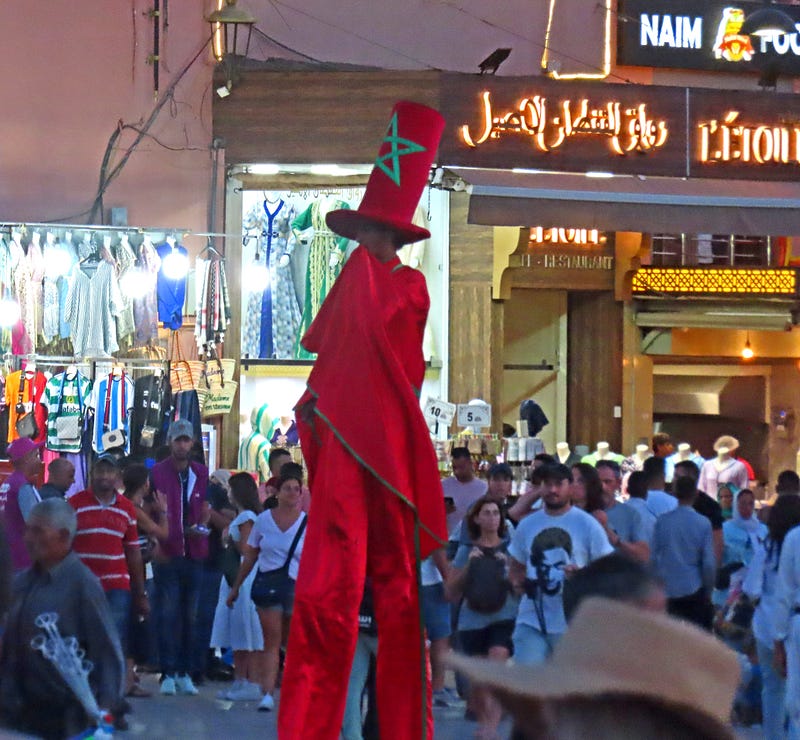
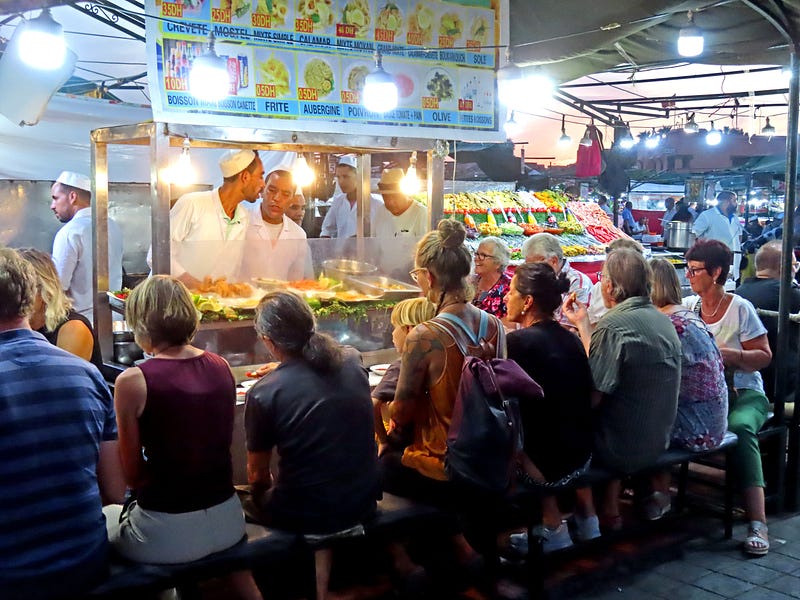
We headed back to the medina for dinner and to witness the transformation of Jemaa el-Fnaa after the sun went down. It was filled with crowds of locals and tourists, wandering among the stalls and stopping to take in the street performers, the fortune tellers, snake charmers, stilt walkers, and vendors selling everything from lanterns to lollipops. Some vendors had even set up shop on blankets around the square. There were also many more places set up for street food.
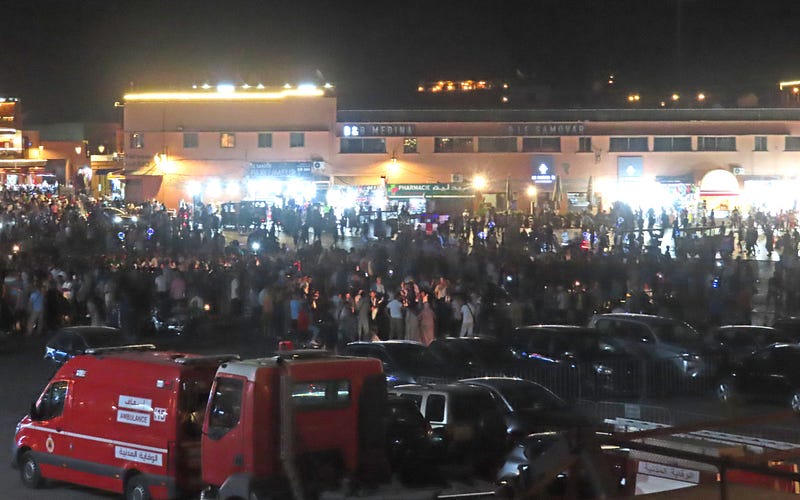
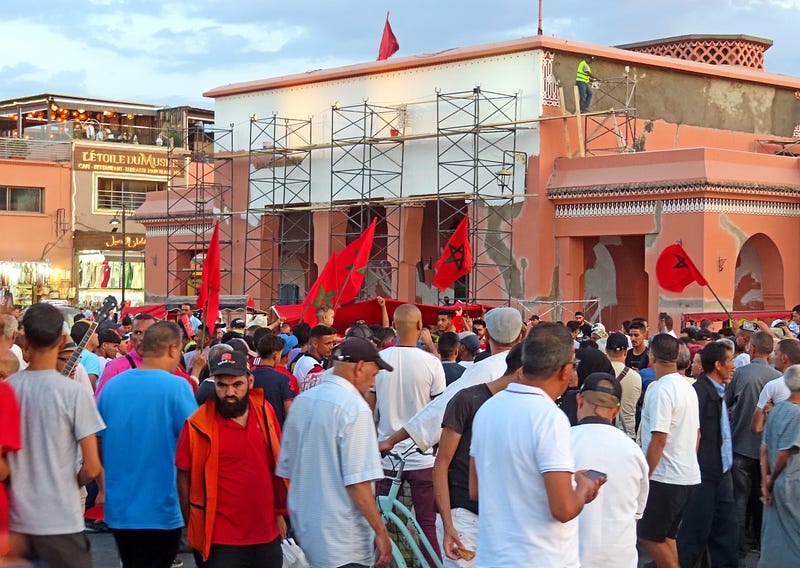
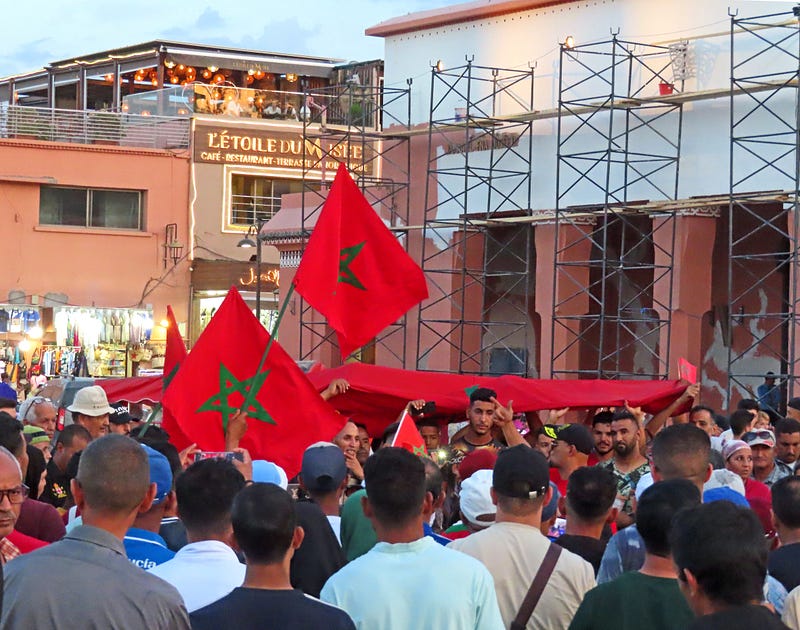
We stumbled across a protest demonstration but we were not clear what they were protesting. There were quite a few police to keep an eye on the group as well as to watch for pickpockets in the crowd. Like any busy tourist area in the world, you have to keep your wits about you. It can be overwhelming if you are not used to it.
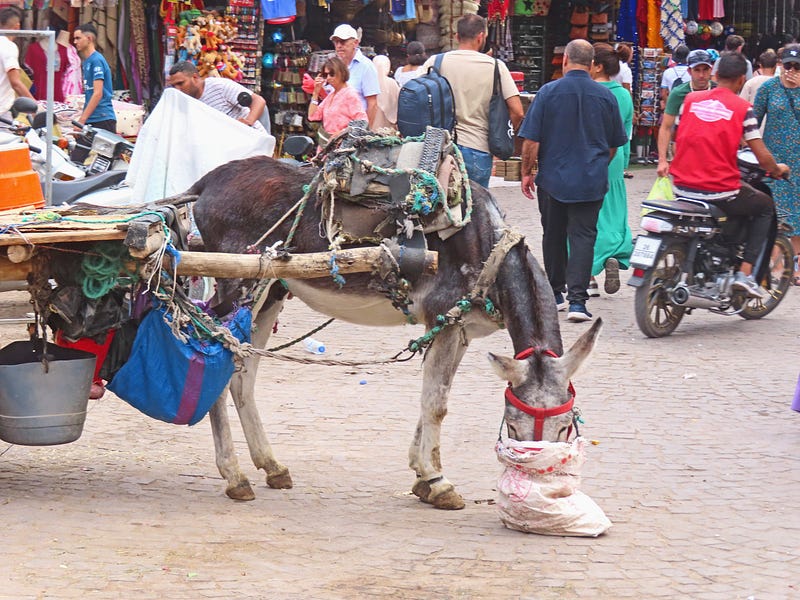
One thing I still wanted to do was to get lost in the medina. It sort of worked but I may have pushed the envelope a bit with my friend. As we wandered through the streets and alleyways around there were a few areas where it didn’t feel quite as safe as we wanted. It rattled the nerves a little but we still found our way back to our riad safely.
As we packed up the next morning, I hated to leave Marrakesh but I was anxious to find out what else Morocco had in store. And I made a silent promise to myself that I would return someday to spend more time in this beautiful North African city.
شكرا ً(Shukran) Thank you for reading.