avatarRoderick Balenda

Free AI web copilot to create summaries, insights and extended knowledge, download it at here

13799

Abstract

</p><p id="2b35"><b><i>There are many Coloreds, who identify, with Black people and see themselvres as Black people, but overall; Coloreds, who are racists toward Black people see us as Negroes, Kaffirs, and the other more racist version of the N-word. When I lived in South Africa, I heard some Coloreds referring to Black people as Kaffirs(the K-word), or the two versions of the N-word (Negro/Nigger). Those Coloreds who use racist words toward us, don’t like Black people, whether we’re talking about Black South Africans or Black people with melanin skin from other African countries or elsewhere. There are also racist Black South Africans, who call Colored South Africans “Coolies;” White right-wing extremist South Africans also do that. Please, I’m not trying to offend anyone; I just think it is important that you guys know this before considering going to South Africa. Black South Africans have strong ties to their tribes and respective languages such as Zulu, Sotho, Sepedi, Xhosa, Ndebele, and Venda. Coloreds speak Afrikaans and English in most cases, as their mother tongues, even though there are a few who speak the other named languages.</i></b></p><h2 id="f7a7">A Colored South African</h2><figure id="1fea"><img src="https://cdn-images-1.readmedium.com/v2/resize:fit:800/0*Ng9bDOJZLAz_4lKd"><figcaption>Photo by <a href="https://unsplash.com/@anonyops?utm_source=medium&amp;utm_medium=referral">Oosman Originals</a> on <a href="https://unsplash.com?utm_source=medium&amp;utm_medium=referral">Unsplash</a></figcaption></figure><h2 id="a8c0">Another example of how Colored South Africans look like</h2><figure id="da1c"><img src="https://cdn-images-1.readmedium.com/v2/resize:fit:800/0*66jhhBRGqxfffabr"><figcaption>Photo by <a href="https://unsplash.com/@andrrewphoto?utm_source=medium&amp;utm_medium=referral">Andrew Rivera</a> on <a href="https://unsplash.com?utm_source=medium&amp;utm_medium=referral">Unsplash</a></figcaption></figure> <figure id="b012"> <div> <div> <img class="ratio" src="http://placehold.it/16x9"> <iframe class="" src="https://cdn.embedly.com/widgets/media.html?src=https%3A%2F%2Fwww.youtube.com%2Fembed%2FlWfimRycQc8%3Ffeature%3Doembed&amp;display_name=YouTube&amp;url=https%3A%2F%2Fwww.youtube.com%2Fwatch%3Fv%3DlWfimRycQc8&amp;image=https%3A%2F%2Fi.ytimg.com%2Fvi%2FlWfimRycQc8%2Fhqdefault.jpg&amp;key=a19fcc184b9711e1b4764040d3dc5c07&amp;type=text%2Fhtml&amp;schema=youtube" allowfullscreen="" frameborder="0" height="480" width="854"> </div> </div> </figure></iframe></div></div></figure><h2 id="6731">An example of Indian(Southeast Asian) South African man</h2><figure id="aa32"><img src="https://cdn-images-1.readmedium.com/v2/resize:fit:800/0*9f4Oyn42LD7M3UqI"><figcaption>Photo by <a href="https://unsplash.com/@dollargill?utm_source=medium&amp;utm_medium=referral">Dollar Gill</a> on <a href="https://unsplash.com?utm_source=medium&amp;utm_medium=referral">Unsplash</a></figcaption></figure><p id="70ae">South Africa has a lengthy history of racial discrimination and segregation, which predates apartheid’s legal establishment in 1948. During this time, the white minority dominated property ownership, while non-white communities, such as Black South Africans, Coloreds, Indians, and other Asians, were subjected to systematic oppression.</p><p id="935d">The African National Congress (ANC) was established in 1912 to promote the rights and interests of Black South Africans and to resist racial injustice. Over time, the ANC emerged as a powerful anti-apartheid group, spearheading the battle against the apartheid state and advocating for justice and equality. Apartheid, which was legally established in 1948, exacerbated racial segregation and discrimination in South Africa. It enacted stringent rules requiring racial separation in all sectors of life, including housing, school, healthcare, and social relations. Intermarriage between various racial groups, such as Blacks and Coloreds, was strictly outlawed, contributing to society’s enforced divisions. Apartheid required individuals to live in segregated areas based on their race, with Whites, Blacks, Coloreds, Indians, and others living in separate designated territories.</p><figure id="fd70"><img src="https://cdn-images-1.readmedium.com/v2/resize:fit:800/0*L3uma0hb83uJlD8B"><figcaption>Photo by <a href="https://unsplash.com/@jphnry?utm_source=medium&amp;utm_medium=referral">John-Paul Henry</a> on <a href="https://unsplash.com?utm_source=medium&amp;utm_medium=referral">Unsplash</a></figcaption></figure><p id="5c5f">Criticizing white minority government and the structural racism it produced was illegal during apartheid. Apartheid also prohibited same-sex unions and transsexual identities. Violations of these laws resulted in severe penalties such as imprisonment, torture, or even the death penalty. Nelson Mandela and his ex-wife Winnie were key figures in the anti-apartheid movement. Mandela committed his life to fighting for justice and equality, and he suffered greatly as a result. Following his capture in Soweto, he was imprisoned for 27 years, most of which was spent on Robben Island. Mandela’s release in 1990 was hailed with delight and hope both within South Africa and around the world, representing a key turning point in, marking a watershed moment in the battle against apartheid. Nelson Mandela became South Africa’s first black president in 1994, and he led the country to reconciliation. He was instrumental in uniting South Africa’s varied communities, earning the country the nickname “Rainbow Nation.”</p><p id="a345">Nelson Mandela and Frederik W. de Klerk were jointly awarded the Nobel Peace Prize in 1993 for their efforts in dismantling apartheid and laying the foundation for a democratic South Africa. Their shared commitment to reconciliation and peaceful transition played a significant role in bringing an end to apartheid. <a href="https://en.wikipedia.org/wiki/Desmond_Tutu">Desmond Tutu</a>, a prominent South African Anglican bishop and social rights activist, also played a pivotal role in the anti-apartheid movement. He was a strong advocate for justice and human rights, and his tireless efforts earned him international recognition, including the Nobel Peace Prize in 1984.</p><p id="e581">Other famous personalities who made substantial contributions to the anti-apartheid struggle include Tokyo Sexwale, a former political prisoner and businessman, as well as influential artists and activists Miriam Makeba and Yvonne Chaka Chaka. They used their positions to highlight apartheid’s atrocities and push for reform. It is critical to recognize that the battle against apartheid was a collaborative effort including people from many racial and cultural origins. There were anti-apartheid activists in the White, Colored, and Indian communities who opposed the regime and advocated for a more just and inclusive South Africa. Their contributions and sacrifices were critical in opposing the oppressive dictatorship and preparing the path for a democratic society.</p><h2 id="ad6d">Pretoria</h2><figure id="9efc"><img src="https://cdn-images-1.readmedium.com/v2/resize:fit:800/0*ptpHy4M0NyTb_ZL2"><figcaption>Photo by <a href="https://unsplash.com/@siphokandebele?utm_source=medium&amp;utm_medium=referral">Sipho Ndebele</a> on <a href="https://unsplash.com?utm_source=medium&amp;utm_medium=referral">Unsplash</a></figcaption></figure><figure id="7527"><img src="https://cdn-images-1.readmedium.com/v2/resize:fit:800/0*R7ldHyOhtqC81fIr"><figcaption>Photo by <a href="https://unsplash.com/@kp_coulson?utm_source=medium&amp;utm_medium=referral">Kyle-Philip Coulson</a> on <a href="https://unsplash.com?utm_source=medium&amp;utm_medium=referral">Unsplash</a></figcaption></figure><figure id="16d6"><img src="https://cdn-images-1.readmedium.com/v2/resize:fit:800/0*_4KBdtuXvo7p5ck_"><figcaption>Photo by <a href="https://unsplash.com/@kp_coulson?utm_source=medium&amp;utm_medium=referral">Kyle-Philip Coulson</a> on <a href="https://unsplash.com?utm_source=medium&amp;utm_medium=referral">Unsplash</a></figcaption></figure><figure id="7cd8"><img src="https://cdn-images-1.readmedium.com/v2/resize:fit:800/0*X5ceoi_WOMPcN-gS"><figcaption>Photo by <a href="https://unsplash.com/@siphokandebele?utm_source=medium&amp;utm_medium=referral">Sipho Ndebele</a> on <a href="https://unsplash.com?utm_source=medium&amp;utm_medium=referral">Unsplash</a></figcaption></figure><h2 id="0a62">Durban</h2><figure id="3655"><img src="https://cdn-images-1.readmedium.com/v2/resize:fit:800/0*oclgwrQjIhgulLX2"><figcaption>Photo by <a href="https://unsplash.com/@oliviapedler?utm_source=medium&amp;utm_medium=referral">Olivia Pedler</a> on <a href="https://unsplash.com?utm_source=medium&amp;utm_medium=referral">Unsplash</a></figcaption></figure><figure id="fdc2"><img src="https://cdn-images-1.readmedium.com/v2/resize:fit:800/0*GmEaTXRB7dqEgvzR"><figcaption>Photo by <a href="https://unsplash.com/@nicosmit99?utm_source=medium&amp;utm_medium=referral">Nico Smit</a> on <a href="https://unsplash.com?utm_source=medium&amp;utm_medium=referral">Unsplash</a></figcaption></figure><figure id="6663"><img src="https://cdn-images-1.readmedium.com/v2/resize:fit:800/0*504X7NAI3Y6SE0Z0"><figcaption>Photo by <a href="https://unsplash.com/@hellosmith?utm_source=medium&amp;utm_medium=referral">Rowen Smith</a> on <a href="https://unsplash.com?utm_source=medium&amp;utm_medium=referral">Unsplash</a></figcaption></figure><h2 id="8567">South African landscape</h2><figure id="1f0a"><img src="https://cdn-images-1.readmedium.com/v2/resize:fit:800/0*77FJHdJtTSthwd-9"><figcaption>Photo by <a href="https://unsplash.com/@linaloos?utm_source=medium&amp;utm_medium=referral">Lina Loos</a> on <a href="https://unsplash.com?utm_source=medium&amp;utm_medium=referral">Unsplash</a></figcaption></figure><figure id="2b4b"><img src="https://cdn-images-1.readmedium.com/v2/resize:fit:800/0*kOh3BoD78touROqs"><figcaption>Photo by Red C<a href="https://unsplash.com/@redcharlie?utm_source=medium&amp;utm_medium=referral">harlie</a> on <a href="https://unsplash.com?utm_source=medium&amp;utm_medium=referral">Unsplash</a></figcaption></figure><figure id="0a18"><img src="https://cdn-images-1.readmedium.com/v2/resize:fit:800/0*bSTEo3VspnP86d54"><figcaption>Photo by <a href="https://unsplash.com/@harrycunningham?utm_source=medium&amp;utm_medium=referral">Harry Cunningham</a> on <a href="https://unsplash.com?utm_source=medium&amp;utm_medium=referral">Unsplash</a></figcaption></figure><figure id="34ea"><img src="https://cdn-images-1.readmedium.com/v2/resize:fit:800/0*xfrtMzmpFx3TeddV"><figcaption>Photo by <a href="https://unsplash.com/@kelarn?utm_source=medium&amp;utm_medium=referral">Kelly Arnold</a> on <a href="https://unsplash.com?utm_source=medium&amp;utm_medium=referral">Unsplash</a></figcaption></figure><figure id="3dd9"><img src="https://cdn-images-1.readmedium.com/v2/resize:fit:800/0*IvD5zLjeLXVskaWB"><figcaption>Photo by <a href="https://unsplash.com/@andreabrataas?utm_source=medium&amp;utm_medium=referral">Andrea Brataas</a> on <a href="https://unsplash.com?utm_source=medium&amp;utm_medium=referral">Unsplash</a></figcaption></figure><figure id="681a"><img src="https://cdn-images-1.readmedium.com/v2/resize:fit:800/0*C8Kin-aiD2ylMf6A"><figcaption>Photo by <a href="https://unsplash.com/@jsnbrsc?utm_source=medium&amp;utm_medium=referral">Jason Briscoe</a> on <a href="https://unsplash.com?utm_source=medium&amp;utm_medium=referral">Unsplash</a></figcaption></figure><figure id="3a22"><img src="https://cdn-images-1.readmedium.com/v2/resize:fit:800/0*9bNPw8cL2RDE1S3F"><figcaption>Photo by <a href="https://unsplash.com/@georgebrits_cableandgrain?utm_source=medium&amp;utm_medium=referral">George Brits</a> on <a href="https://unsplash.com?utm_source=medium&amp;utm_medium=referral">Unsplash</a></figcaption></figure><p id="979d">After Nelson Mandela became president of South Africa, the country saw an inflow of Black Americans and people from other African countries seeking opportunities in the newly democratic country. Mandela’s presidency was viewed as a symbol of hope and thanks to the international community for its support in the anti-apartheid campaign. While many Black South Africans appreciated the international help they received during the difficult moments of apartheid and racial segregation, transforming that support into practical benefits for all citizens posed obstacles.</p><p id="028f">The persistence of poverty in townships such as Soweto, Mamelodi, Shoshanguve, and others irritated some Black South Africans who believed they were not fully benefiting from the liberation for which they had fought. These situations, combined with economic differences and limited resources, have occasionally resulted in conflict between some Black South Africans and Black immigrants from other African countries. Nigerians, in particular, have been accused of engaging in criminal activity, drug trafficking, and prostitute exploitation in South Africa. These tensions and concerns have contributed to cases of xenophobia, in which immigrants from impoverished African nations have been targeted and subjected to prejudice, violence, and accusations of being illegal immigrants.</p><p id="7e1c">Some Colored South Africans have expressed feelings of marginalization and inadequate representation by the African National Congress (ANC). This view arises from the assumption that the ANC exclusively serves the interests of the black majority population. This might lead to a sense of exclusion among certain Colored South Africans. Colored populations in South Africa, particularly in cities such as Johannesburg and Cape Town, conf # Options ront substantial poverty and socioeconomic inequality. These communities frequently have restricted access to resources and opportunities, resulting in high rates of poverty and social suffering.</p><p id="651c">Tensions and disputes over resources can emerge between various communities in South Africa, especially Colored and Black South Africans. These disputes can be traced back to historical divisions, rivalry for limited resources, and socioeconomic inequities in the Western Cape. Under Apartheid, Coloreds were also marginalized by the White minority rule for not being White enough, but in the 1970s, or 1980s; if I remember correctly, Coloreds, Indians, and other Asians were given preferential treatment by the National Party, but not more so than Whites and Blacks were at the bottom of the hierarchy without rights. Some Coloreds cling to that past as their justification to hate Black people; those are the same Coloreds who wish that apartheid return to South Africa because they believe that their living conditions were better under the White minority rule. Some Coloreds have joined various gangs as a means to make a living.</p><p id="0749">Poverty has risen among certain white South Africans, and there have been reports of high crime rates in white communities, particularly rural areas. Violent crimes, including farm attacks, have been reported, and these instances should be taken seriously by law enforcement officials. I’m not trying to be racist, but the sad truth is that the majority of farm attack victims are White farmers, while the perpetrators are Black South African guys who have previously been known to the police for their violent crimes.</p><p id="6d23">This is not to say that all Black South Africans support hateful and racially motivated crimes and attempted atrocities: Most South Africans, whether Black, White, Colored, Indian, Chinese, Korean, Japanese, first- or second-generation immigrants, want to get along and create a better future for their country. Rhetorics like “Kill the Boer, Kill the Farmer,” promoted by the EFF, are hate speech, and we know from experience what happens when hate speech is turned into actions, throughout the history of man. Julius Malema’s speech does not give Black South Africans a bad name; rather, it gives all Black people throughout the world a bad name, leading others to assume that we are inept people who cannot build our various countries and that when we are in power, everything is chaos. People like Julius Malema may be to blame for the worsening of fascism in white-dominated countries.</p><p id="b523">Orania is a tiny town in South Africa populated primarily by Afrikaans-speaking White South Africans who want to maintain their language, culture, and heritage. While Orania’s activities may be protected by the South African constitution in terms of cultural and linguistic rights, it is vital to highlight that the ideals and concepts of inclusivity and non-discrimination are inherent to the constitution.</p><p id="168e">South Africa still faces racial inequities in wealth, income, and access to resources<a href="https://africacheck.org/fact-checks/factsheets/factsheet-south-africas-official-poverty-numbers">. Black South Africans, in particular, continue to face higher poverty rates than other racial groups: 64% of Black South Africans live in poverty, compared to 1% of White South Africans, 41% of Coloreds, and 5.1 percent of Indians and other Asians. Apartheid has had a long-term impact on South Africa’s socioeconomic structure, resulting in considerable inequities in property ownership, and access to decent education, heal</a>thcare, and employment prospects.</p><p id="5e41">But let us not forget that the ANC has governed the country for 30 years and, in most cases, has failed to implement poverty alleviation plans due to mismanagement by some leaders implicated in corruption. The ANC cannot continue to use Apartheid as an excuse to hide their incompetence; they have left South Africa in worse shape than the Nation Party, the political organization that launched Apartheid in 1948.</p><p id="6371">Is the ANC trying to tell us that they can’t outcompete those jerks? There are parts of the country where the infrastructure has been neglected, and the country no longer appears recognizable. The African National Congress is failing to provide basic services to its residents in South Africa. Led by corrupt, dishonest, and incompetent leaders, the party depends on past glory and fear-mongering falsehoods about the opposition to maintain control.</p><p id="5545">South Africa is a member of the BRICS association. The BRICS abbreviation stands for Brazil, Russia, India, China, and South Africa. It is an informal grouping of emerging economies that seeks to strengthen collaboration and promote economic development among its members. This year, the intergovernmental group expanded to include Egypt, Ethiopia, Iran, and the United Arab Emirates, with Saudi Arabia expected to join the bloc.</p><h2 id="f939">Port Elizabeth</h2><figure id="6a09"><img src="https://cdn-images-1.readmedium.com/v2/resize:fit:800/0*zvVVGSVBr9bV_s4v"><figcaption>Photo by <a href="https://unsplash.com/@lungile_tumelo?utm_source=medium&amp;utm_medium=referral">Tumelo Lungile</a> on <a href="https://unsplash.com?utm_source=medium&amp;utm_medium=referral">Unsplash</a></figcaption></figure><h2 id="6340">Bloemfontein</h2><figure id="9917"><img src="https://cdn-images-1.readmedium.com/v2/resize:fit:800/0*0OxCkZFh45psF9ji"><figcaption>Photo by <a href="https://unsplash.com/@iamleomoko?utm_source=medium&amp;utm_medium=referral">Leo Moko</a> on <a href="https://unsplash.com?utm_source=medium&amp;utm_medium=referral">Unsplash</a></figcaption></figure><figure id="bacd"><img src="https://cdn-images-1.readmedium.com/v2/resize:fit:800/0*oxAyLo77m15uv9aT"><figcaption>Photo by <a href="https://unsplash.com/@thomasbennie?utm_source=medium&amp;utm_medium=referral">Thomas Bennie</a> on <a href="https://unsplash.com?utm_source=medium&amp;utm_medium=referral">Unsplash</a></figcaption></figure><figure id="6685"><img src="https://cdn-images-1.readmedium.com/v2/resize:fit:800/0*MH2Xk14PPKBQatLa"><figcaption>Photo by <a href="https://unsplash.com/@jotaz?utm_source=medium&amp;utm_medium=referral">Juan Seta</a> on <a href="https://unsplash.com?utm_source=medium&amp;utm_medium=referral">Unsplash</a></figcaption></figure><p id="6067">South Africa, like any other sovereign nation, has the authority to make laws and policies that it deems necessary for the well-being and advancement of its citizens. Africa is truly a diverse continent, with 54 distinct countries, each with its own set of opportunities and difficulties. Individual African nations must invest in their development, handle important concerns such as sanitation, healthcare, political stability, and governance, and strive to improve their populations’ lives. Uniting Africa as a whole is a difficult endeavor that involves coordinated efforts from all African countries, international cooperation, and an emphasis on sustainable development.</p><p id="8c2d">By addressing the issues I have raised and working to improve the general well-being of its people, Africa may realize its immense potential and create a brighter future for its nations and people. However, governance based on Western democratic institutions and an activist state has resulted in failures on the continent since the majority of the countries we’ve ruled are backward, and some are failed states. We don’t challenge our ideas, values, practices, or cultures because we’re terrified of what others, within our various groups might say.</p><p id="2f1b">Africans will never be able to stand with dignity in the world unless they reach economic development comparable to the West. Nothing will change in Africa unless we acknowledge this difficult truth. As long as we are too busy feeding Black-on-Black bigotry and tribalism within our countries, we will fail to acknowledge our involvement in enslaving other Black Africans, particularly pygmies, and offer healing and peace. As long as some of our ordinary melanin Black African brothers and sisters refuse to acknowledge how we have oppressed Black albinos on the continent, we will be regarded as people with no dignity around the world and devalued by others who do not look alike.</p><p id="ce24">What have we done over the last 60+ years to challenge this perspective about Africa? Nothing! We not only accepted this viewpoint, but we continue to live by it to this day because we would rather die than change our mindset and ways of thinking. We would rather live in horrible conditions than make the difficult effort required to better our level of living and lift ourselves out of poverty. South Africa, with its rich history, cultural diversity, and natural beauty, is an extraordinary country. It has achieved great progress since the end of apartheid and continues to work on tackling the remaining difficulties. By recognizing its assets and fostering its potential, South Africa can be an inspiration to the African continent’s general development and advancement, despite also dealing with reverse discrimination toward minority groups.</p><h2 id="8949">More info:</h2><div id="77c1" class="link-block"> <a href="https://en.wikipedia.org/wiki/BRICS"> <div> <div> <h2>BRICS - Wikipedia</h2> <div><h3>BRICS is an intergovernmental organization comprising Brazil, Russia, India, China, South Africa, Egypt, Ethiopia, and Iran…</h3></div> <div><p>en.wikipedia.org</p></div> </div> <div> <div style="background-image: url(https://miro.readmedium.com/v2/resize:fit:320/0*0vhzI6zF2ZtXv38I)"></div> </div> </div> </a> </div><div id="adda" class="link-block"> <a href="https://en.wikipedia.org/wiki/South_Africa"> <div> <div> <h2>South Africa - Wikipedia</h2> <div><h3>South Africa, officially the Republic of South Africa, is the southernmost country in Africa. It is bounded to the…</h3></div> <div><p>en.wikipedia.org</p></div> </div> <div> <div style="background-image: url(https://miro.readmedium.com/v2/resize:fit:320/0*FPjubTjo377ewCga)"></div> </div> </div> </a> </div><div id="5c2e" class="link-block"> <a href="https://www.southafrica.net/fr/fr/"> <div> <div> <h2>Bienvenue en Afrique du Sud (FR)</h2> <div><h3>Vivez une surprise sauvage, intense, époustouflante, captivante, infinie et trépidante à chaque instant.</h3></div> <div><p>www.southafrica.net</p></div> </div> <div> <div style="background-image: url(https://miro.readmedium.com/v2/resize:fit:320/0*Mu22ChfYosdRlpr6)"></div> </div> </div> </a> </div><div id="c09c" class="link-block"> <a href="https://en.wikipedia.org/wiki/History_of_South_Africa"> <div> <div> <h2>History of South Africa - Wikipedia</h2> <div><h3>Design The flag of the Republic of South Africa was adopted on 26 April 1994. It replaced the flag that had been used since…</h3></div> <div><p>en.wikipedia.org</p></div> </div> <div> <div style="background-image: url(https://miro.readmedium.com/v2/resize:fit:320/0*YdP0TBgsHxSJ_ELt)"></div> </div> </div> </a> </div> <figure id="8633"> <div> <div> <img class="ratio" src="http://placehold.it/16x9"> <iframe class="" src="https://drive.google.com/viewerng/viewer?url=https%3A//core.ac.uk/download/pdf/46721944.pdf&amp;embedded=true" allowfullscreen="" frameborder="0" height="780" width="600"> </div> </div> </figure></iframe></div></div></figure><div id="4a50" class="link-block"> <a href="https://en.wikipedia.org/wiki/Cape_independence"> <div> <div> <h2>Cape Independence - Wikipedia</h2> <div><h3>Cape independence ( Afrikaans: Kaapse onafhanklikheid; isiXhosa: inkululeko yaseKapa), also known by the portmanteau…</h3></div> <div><p>en.wikipedia.org</p></div> </div> <div> <div style="background-image: url(https://miro.readmedium.com/v2/resize:fit:320/0*-aF6lZfuQKb7Qu0N)"></div> </div> </div> </a> </div><p id="9907"><a href="https://en.wikipedia.org/wiki/Apartheid#:~:text=%22separateness%22%2C%20lit.,1948%20to%20the%20early%201990s">https://en.wikipedia.org/wiki/Apartheid#:~:text=%22separateness%22%2C%20lit.,1948%20to%20the%20early%201990s</a>.</p><div id="f1a8" class="link-block"> <a href="https://www.britannica.com/topic/apartheid"> <div> <div> <h2>Apartheid | South Africa, Definition, Facts, Beginning, &amp; End</h2> <div><h3>Apartheid was a policy in South Africa that governed relations between the white minority and nonwhite majority during…</h3></div> <div><p>www.britannica.com</p></div> </div> <div> <div style="background-image: url(https://miro.readmedium.com/v2/resize:fit:320/0*k8tgwAhp_5aK5pgx)"></div> </div> </div> </a> </div></article></body>

Discovering Africa: It’s South Africa’s Time

Exploring the Rainbow Nation: Stories and Insights from South Africa.

Sun City is a premium resort and casino located in the North West Province of South Africa. The resort is about 90 miles, or 14 kilometers, from Johannesburg. Image credits: parcours-voyage.fr.

In today’s blog, I’ll discuss South Africa, the third Sub-Saharan African country after the Republic of the Congo and the Democratic Republic of the Congo, which I have discussed previously on this platform. The goal of this blog, like others in Africa, is to share stories about all 54 countries on the continent in a way that is manageable and describes both the good and the issues that each African country faces. As you read my blog, you will see me discussing South Africa’s past, present, and future. I will also not shy away from pointing out that South Africa, despite being the most industrialized country on the continent, has had to deal with one of the highest homicide, rape, and other violent crime rates in the world for long decades since the fall of Apartheid. In addition, I plan to confront xenophobia and its core causes in the country. Please bear with me while I create a blog on the Rambow Nation.

I will also not shy away from stating that the ANC has managed the country for three decades, yet they have failed to transform a country that was once a First-World country, allowing some conditions and infrastructure to collapse. The fact that African National Congress (ANC) and the Economic Freedom Fighters, or the ECC, led by Julius Malema, have failed to recognize that their mentality, communication style, and actions are the problem, rather than blaming all of their shortcomings on Apartheid, irritates me. As a Black man, I am not suggesting that Apartheid was right; it was wicked, unjust, and cruel.

That being said, Black South Africans and the ANC might have utilized the oppression they experienced at the hands of the White minority rule and the suffering of Nelson Mandela as a galvanizing tool to put in twice as much work to develop the country and reduce crime, improve the banking infrastructure, and create a far more capitalistic, consumerized society that would look better than what the National Party did when Whites built the country.

It’s about time that someone tells my fellow Black brothers the truth; I intend to perform this job, even if it means losing millions of Black readers on this platform; it’s about time that we tell ourselves some uncomfortable truths: We must stop focusing on how magnificent we were when we reached high levels of civilization; for example, the Nubians and Ethiopians were contemporaries of the ancient Greeks and Romans, with the Nubians even conquering Egypt and expanding their empire as far as modern-day Lebanon in the past, thousans of years ago.

We must cease focusing on how Ethiopians, too, had powerful civilizations that conquered vast swaths of the Arabian Peninsula, including modern-day Yemen. The sad truth is that lingering on these stories will not improve the current conditions in which most Black-majority countries, including South Africa, are dealing; such as sanitation problems, poverty, corruption, poor governance, dictatorships, human rights violations, cultural culpability, and tolerance for wrongdoings. The challenge that Black Africans face is that we lack a fervent desire to improve our countries and the entire continent. African politicians have ruined their economies by purposefully rejecting international investment. If the ANC administration and other politicians in charge of most Black-majority countries want South Africa and other Black-majority countries to develop, developing our own countries must be prioritized above all else.

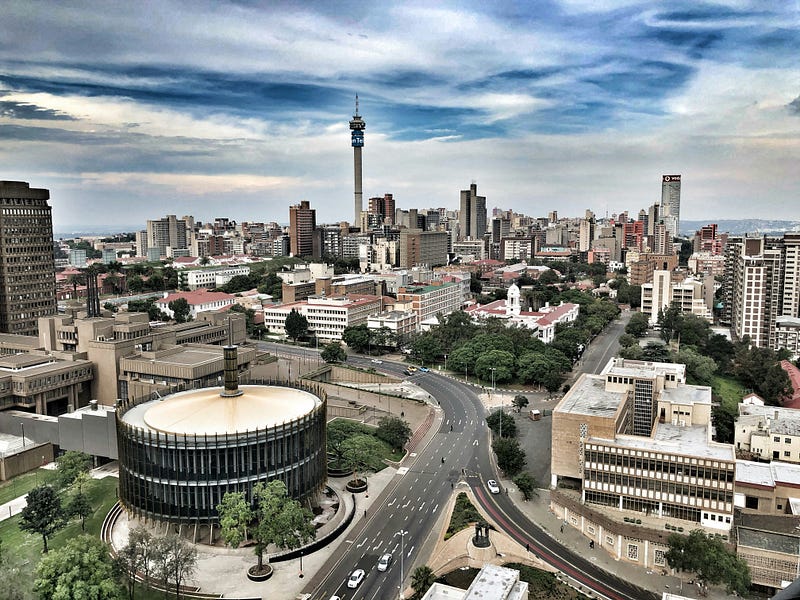
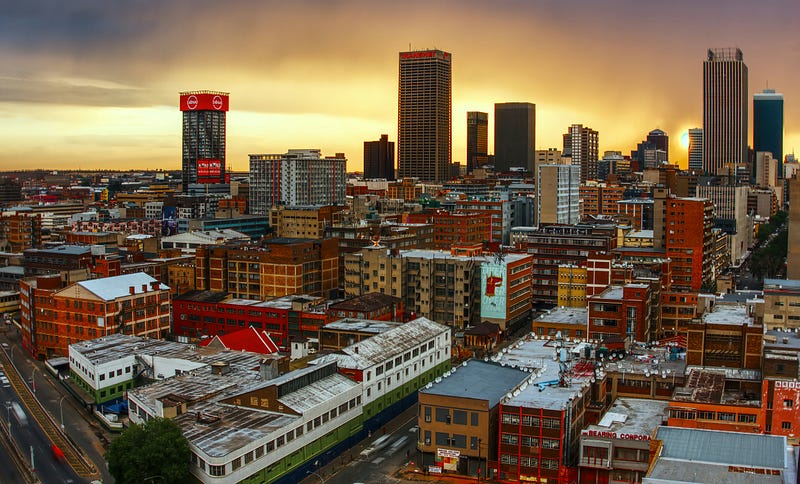
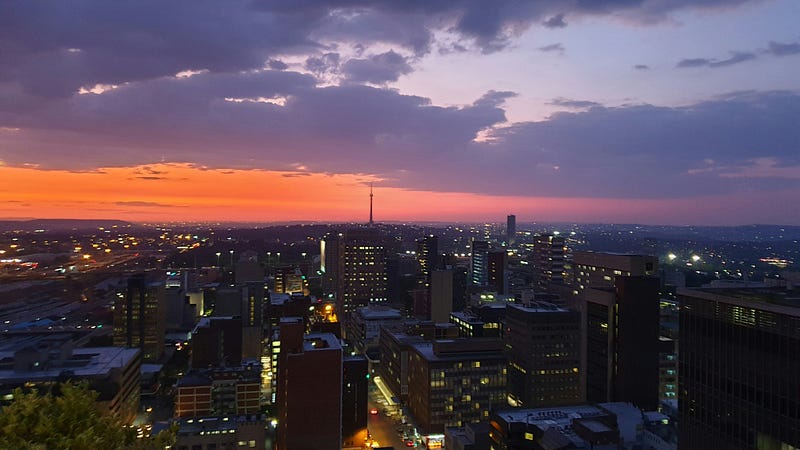
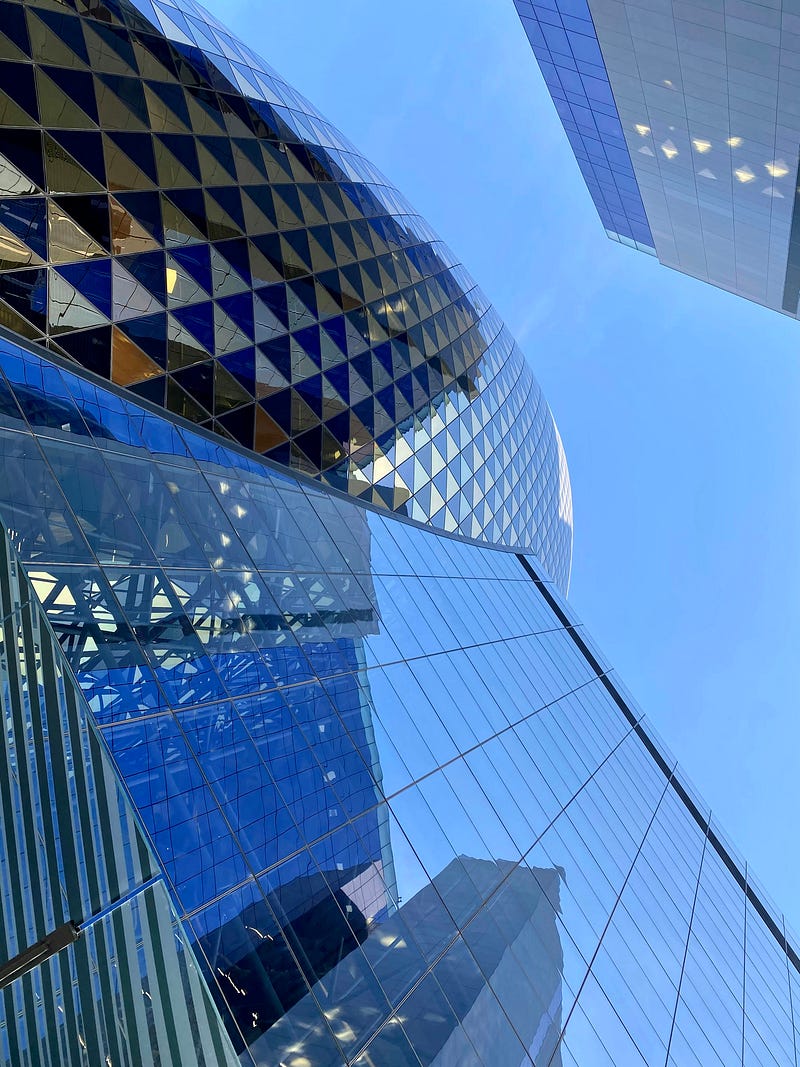
Johannesburg
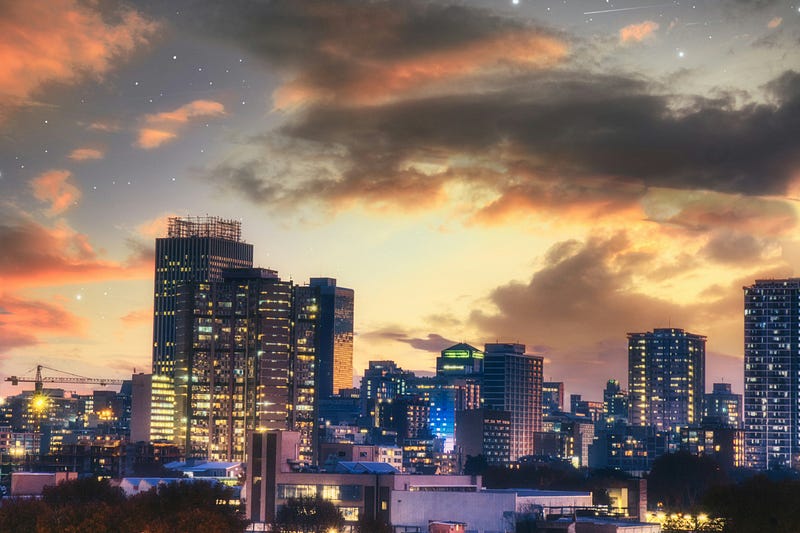
Photo by Thomas Bennie on Unsplash
Photo by Clodagh Da Paixao on Unsplash
Photo by Simon Hurry on Unsplash
Photo by Tania Melnyczuk on Unsplash
Photo by Ahmed Khan on Unsplash

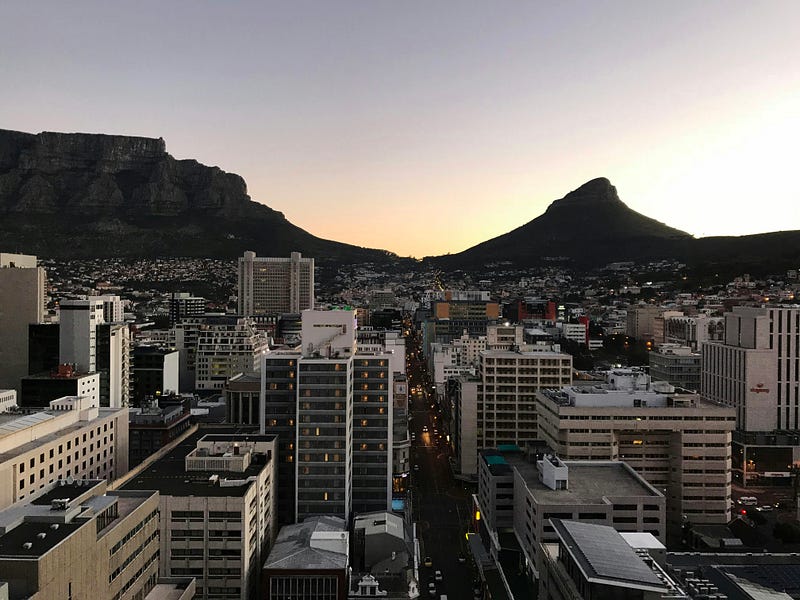
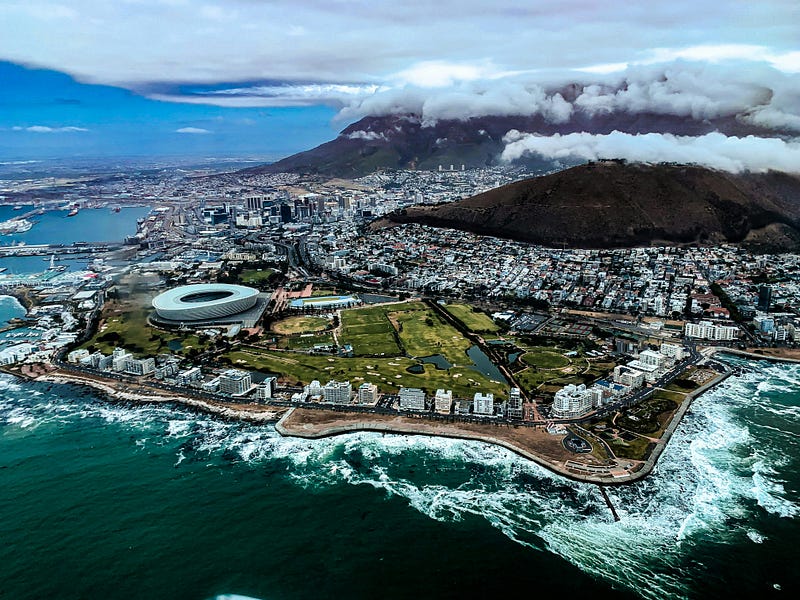
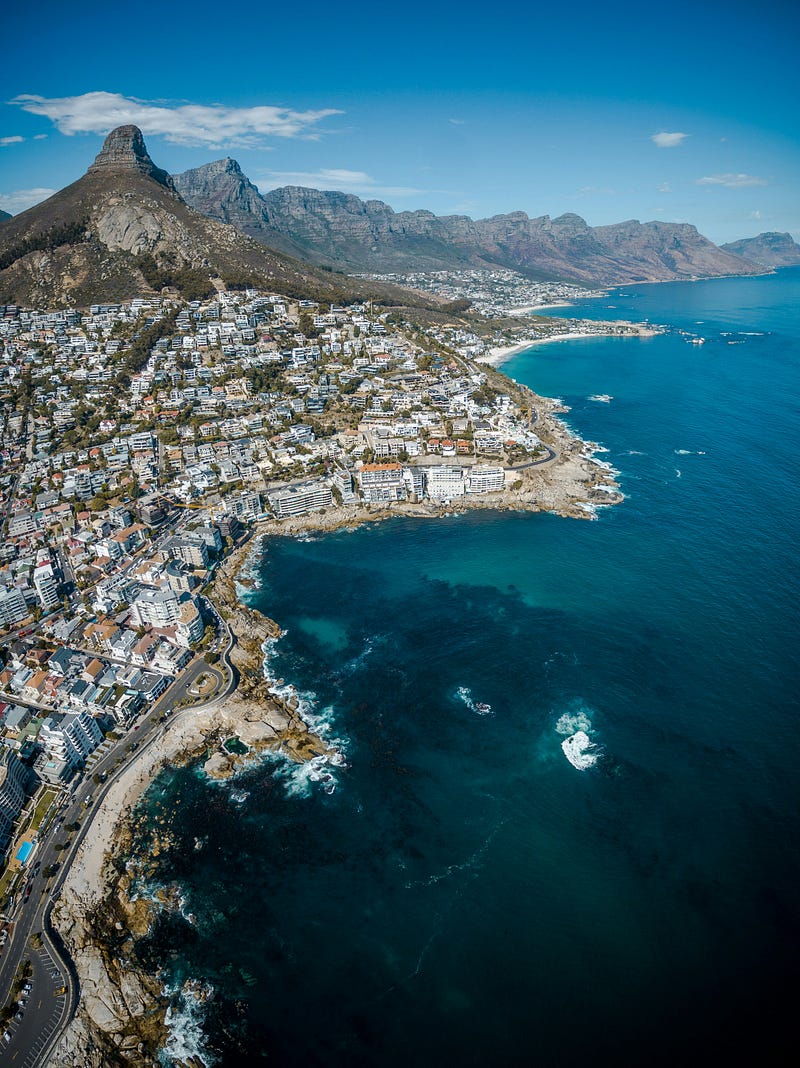
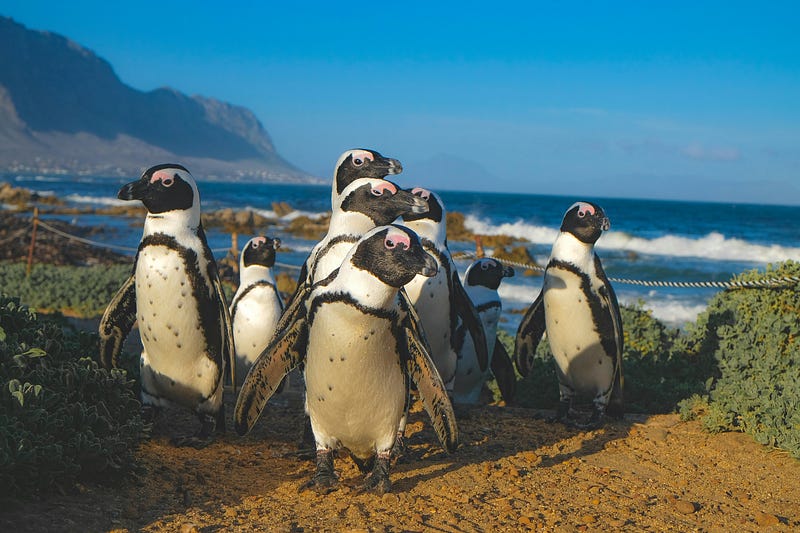
Cape Town

Photo by Zoë Reeve on Unsplash
Photo by Sharaan Muruvan on Unsplash
Photo by Finding Dan | Dan Grinwis on Unsplash

I’m not a South African and have no desire to be one, but I have Congolese-South African nephews and nieces in Pretoria and elsewhere in the country; I lived in the country for four years, from 1995 to 1999, while my parents were diplomats at the Republic of the Congo-Brazzaville embassy in Pretoria. Before relocating to South Africa, I lived in the Republic of Congo-Brazzaville, and I occasionally traveled to the Democratic Republic of Congo, popularly known as Congo Kinshasa, to see my maternal extended family members with my parents and siblings. I was born in France and lived there until I moved to the Congo. South Africa is the only African country that has reminded me of the ideals and principles my birth country and other Western countries uphold. South Africa’s infrastructure is comparable to that of my birth country, France, Australia, New Zealand, the United Kingdom, the United States, and other wealthy countries; in all honesty, I wish the Republic of the Congo and the Democratic Republic of the Congo looked like this.

South Africa, located at the southernmost tip of Africa, shares borders with Botswana and Zimbabwe to the north. To the east, it is bordered by Mozambique, while Namibia lies to the northwest. The country’s western border is formed by the vast Atlantic Ocean, while the South Atlantic Ocean lies to the south, and the Indian Ocean to the east. With its expansive land area, South Africa is one of the largest countries in Africa. This diverse nation is rich in natural resources, including gold, diamonds, silver, and platinum. Known as the most developed country on the continent, South Africa boasts well-maintained infrastructure, advanced healthcare systems, and modernization. Additionally, Lesotho and Swaziland are enclaved within the borders of South Africa. Please note that Lesotho and Eswatini (formerly Swaziland) are the current names of the countries I mentioned as Lesotho and Swaziland within its core.

South Africa, with a population of over 60 million people, is a diverse country that encompasses more than just Black and White communities. The nation is home to various ethnic groups, including the Coloreds, who are a mixed-race group of people with origins in Malay and Arab communities. South Africa also has a significant number of Southeast Asian (Indian) South Africans and other members of the Asian community. Black South Africans constitute approximately 80% of the population, while Whites make up around 8%. The Colored community accounts for about 8%, and Indians and other Asians comprise 2% of the population.

South Africa’s history dates back to the 1600s when Jan van Riebeeck discovered the area. Many of his people followed, and they subjugated the indigenous Khoisan and other Black populations in the region. The country experienced two Anglo-Boer Wars. The Boers, who were Afrikaans-speaking White people, have roots in countries such as Holland, Italy, France, and Germany, with some having Nordic origins.

Even before the era of Apartheid, various racial and ethnic groups in South Africa faced subjugation. It’s important to note the distinction between Black South Africans and Colored South Africans. Black South Africans have a melanin-rich skin tone and African first and last names. Colored South Africans, on the other hand, typically have European first and last names and possess a lighter skin tone that aligns more closely with their own community.

This message is particularly directed to African Americans reading this blog: It is essential to avoid confusing Black South Africans and Colored South Africans. Recognizing and respecting the distinctions between these groups is crucial, as they each have their unique identities and experiences.

A Black South African man
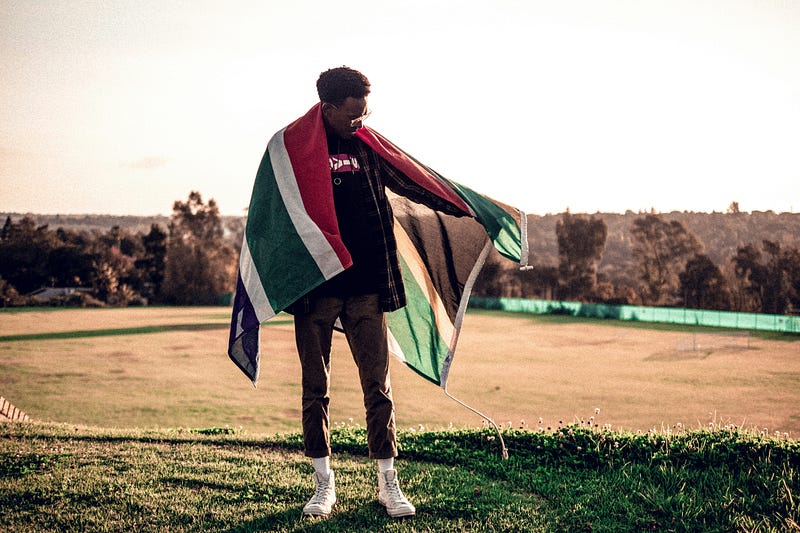
Photo by Karabo Mdluli on Unsplash

White South Africans

Photo by Sincerely Media on Unsplash

Black South Africans

Photo by Steward Masweneng on Unsplash
Photo by Bonnie Musweswe on Unsplash

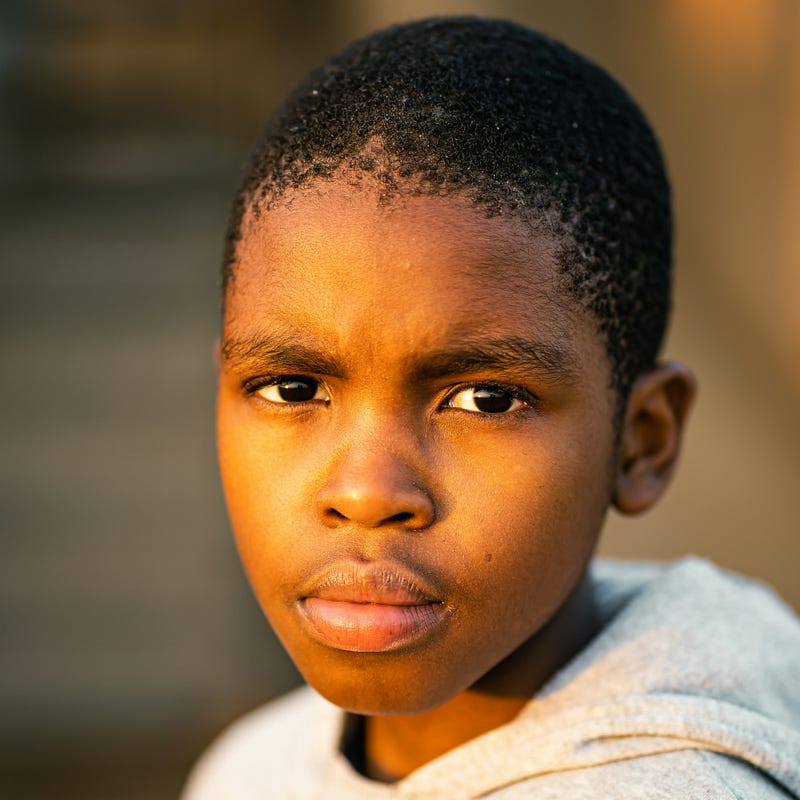
Note: the boy above this paragraph is a Black South African; do not confuse him with a Colored South African; please, don’t. To those from the United States, who are reading this blog: I understand that the words Colored or Colored people are offensive and derogatory words that White Americans use to denigrate Black people and other communities of color in America, but in South Africa, the word Colored, also spelled Coloured is a race, and a culture of a specific group of people, who don’t identify with Black people — please, respect their desire not to do so. Some of you might say that in Europe the United States, and elsewhere, Coloreds would be classified or seen as Black people. Although you’re not wrong, in Britain, France, Germany, the Netherlands, Belgium, Spain, Italy, Sweden, Portugal, Ecuador, Colombia, Bolivia, Mexico, Brazil, Argentina, etc., Coloreds would be seen as mixed-raced people or Mulatoes; excuse my language. The United States is the only country in the world that has the one-blood-drop rule, but it doesn’t mean that other countries have similar racial classifications.

There are many Coloreds, who identify, with Black people and see themselvres as Black people, but overall; Coloreds, who are racists toward Black people see us as Negroes, Kaffirs, and the other more racist version of the N-word. When I lived in South Africa, I heard some Coloreds referring to Black people as Kaffirs(the K-word), or the two versions of the N-word (Negro/Nigger). Those Coloreds who use racist words toward us, don’t like Black people, whether we’re talking about Black South Africans or Black people with melanin skin from other African countries or elsewhere. There are also racist Black South Africans, who call Colored South Africans “Coolies;” White right-wing extremist South Africans also do that. Please, I’m not trying to offend anyone; I just think it is important that you guys know this before considering going to South Africa. Black South Africans have strong ties to their tribes and respective languages such as Zulu, Sotho, Sepedi, Xhosa, Ndebele, and Venda. Coloreds speak Afrikaans and English in most cases, as their mother tongues, even though there are a few who speak the other named languages.

A Colored South African
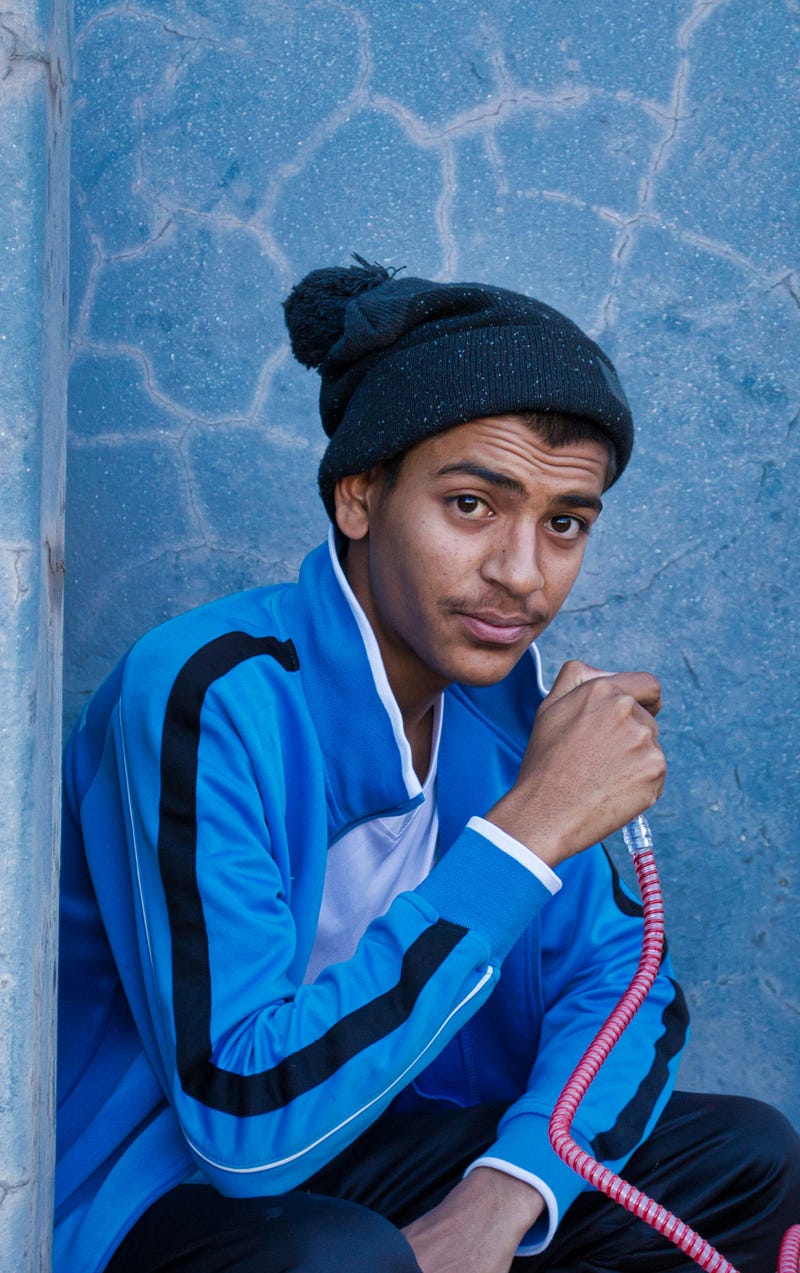
Photo by Oosman Originals on Unsplash

Another example of how Colored South Africans look like
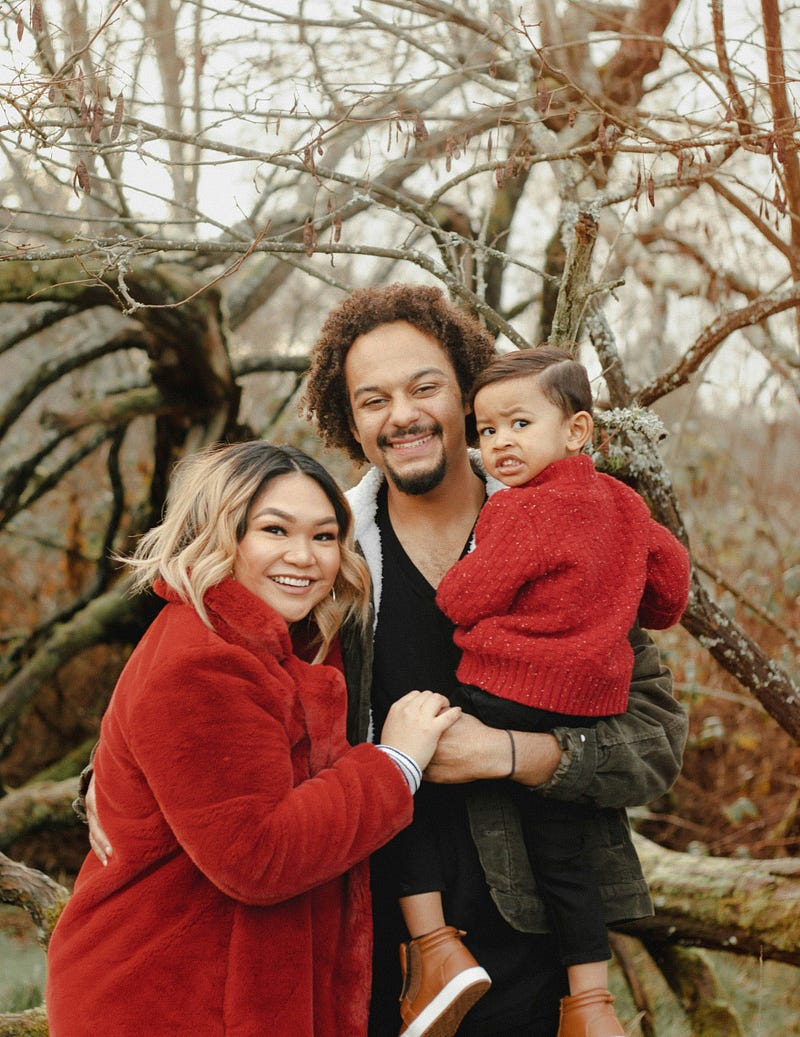
Photo by Andrew Rivera on Unsplash

An example of Indian(Southeast Asian) South African man

Photo by Dollar Gill on Unsplash

South Africa has a lengthy history of racial discrimination and segregation, which predates apartheid’s legal establishment in 1948. During this time, the white minority dominated property ownership, while non-white communities, such as Black South Africans, Coloreds, Indians, and other Asians, were subjected to systematic oppression.

The African National Congress (ANC) was established in 1912 to promote the rights and interests of Black South Africans and to resist racial injustice. Over time, the ANC emerged as a powerful anti-apartheid group, spearheading the battle against the apartheid state and advocating for justice and equality. Apartheid, which was legally established in 1948, exacerbated racial segregation and discrimination in South Africa. It enacted stringent rules requiring racial separation in all sectors of life, including housing, school, healthcare, and social relations. Intermarriage between various racial groups, such as Blacks and Coloreds, was strictly outlawed, contributing to society’s enforced divisions. Apartheid required individuals to live in segregated areas based on their race, with Whites, Blacks, Coloreds, Indians, and others living in separate designated territories.
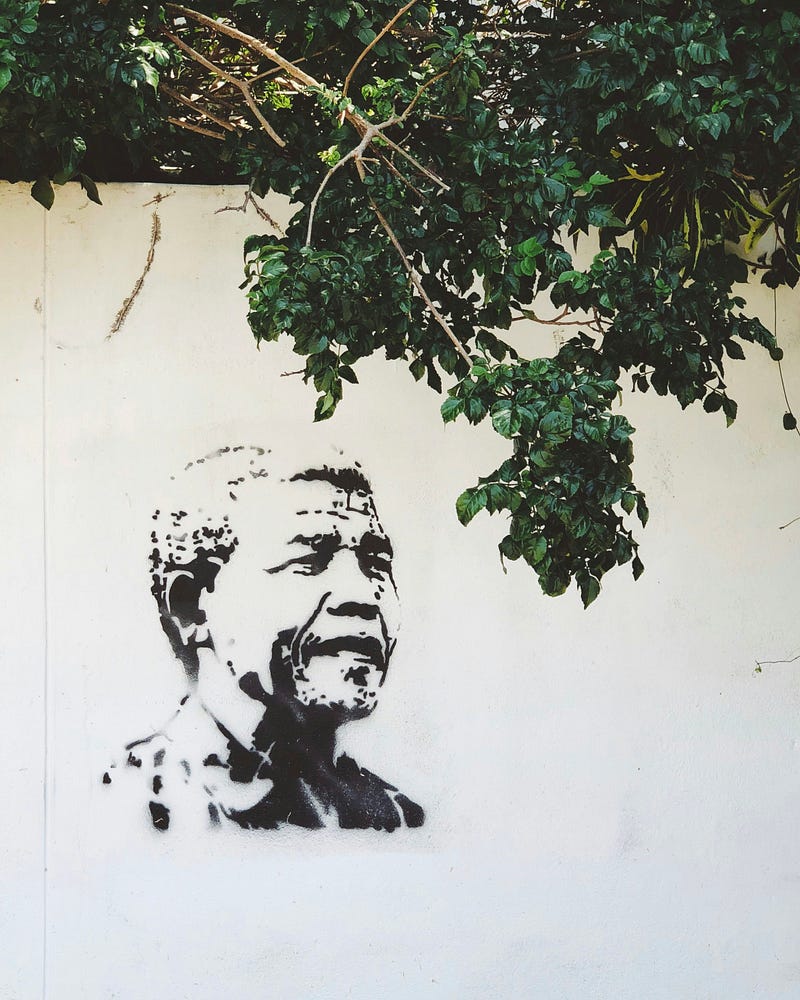
Photo by John-Paul Henry on Unsplash

Criticizing white minority government and the structural racism it produced was illegal during apartheid. Apartheid also prohibited same-sex unions and transsexual identities. Violations of these laws resulted in severe penalties such as imprisonment, torture, or even the death penalty. Nelson Mandela and his ex-wife Winnie were key figures in the anti-apartheid movement. Mandela committed his life to fighting for justice and equality, and he suffered greatly as a result. Following his capture in Soweto, he was imprisoned for 27 years, most of which was spent on Robben Island. Mandela’s release in 1990 was hailed with delight and hope both within South Africa and around the world, representing a key turning point in, marking a watershed moment in the battle against apartheid. Nelson Mandela became South Africa’s first black president in 1994, and he led the country to reconciliation. He was instrumental in uniting South Africa’s varied communities, earning the country the nickname “Rainbow Nation.”

Nelson Mandela and Frederik W. de Klerk were jointly awarded the Nobel Peace Prize in 1993 for their efforts in dismantling apartheid and laying the foundation for a democratic South Africa. Their shared commitment to reconciliation and peaceful transition played a significant role in bringing an end to apartheid. Desmond Tutu, a prominent South African Anglican bishop and social rights activist, also played a pivotal role in the anti-apartheid movement. He was a strong advocate for justice and human rights, and his tireless efforts earned him international recognition, including the Nobel Peace Prize in 1984.

Other famous personalities who made substantial contributions to the anti-apartheid struggle include Tokyo Sexwale, a former political prisoner and businessman, as well as influential artists and activists Miriam Makeba and Yvonne Chaka Chaka. They used their positions to highlight apartheid’s atrocities and push for reform. It is critical to recognize that the battle against apartheid was a collaborative effort including people from many racial and cultural origins. There were anti-apartheid activists in the White, Colored, and Indian communities who opposed the regime and advocated for a more just and inclusive South Africa. Their contributions and sacrifices were critical in opposing the oppressive dictatorship and preparing the path for a democratic society.

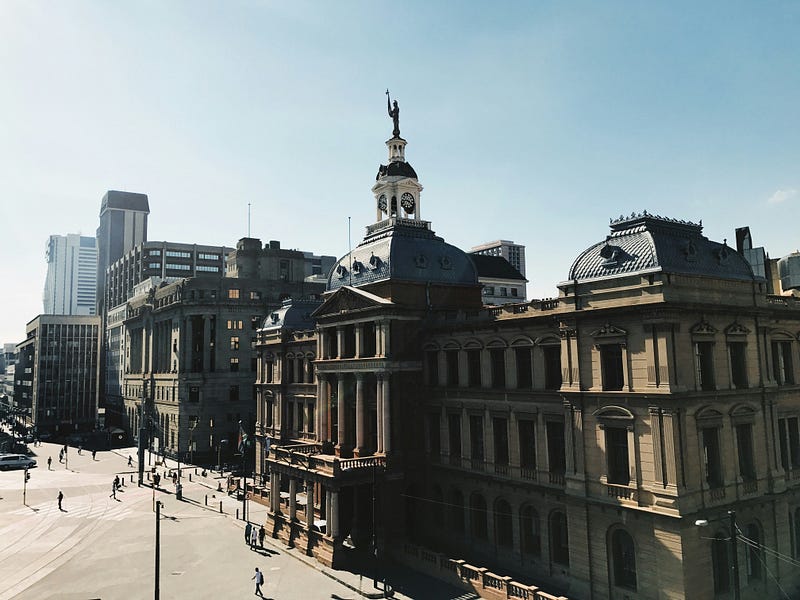
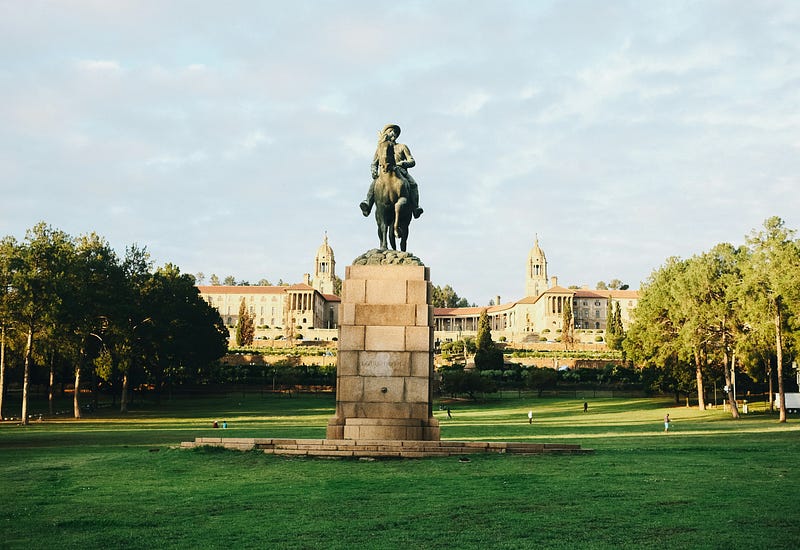
Pretoria
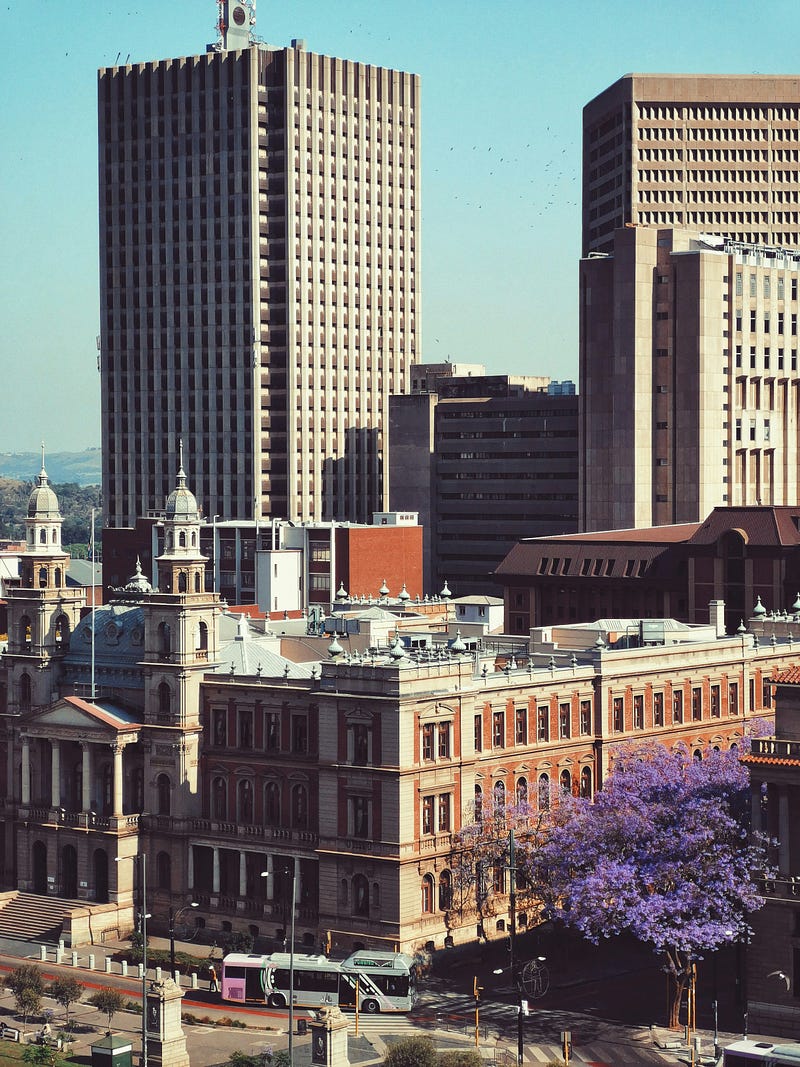
Photo by Sipho Ndebele on Unsplash
Photo by Kyle-Philip Coulson on Unsplash
Photo by Sipho Ndebele on Unsplash

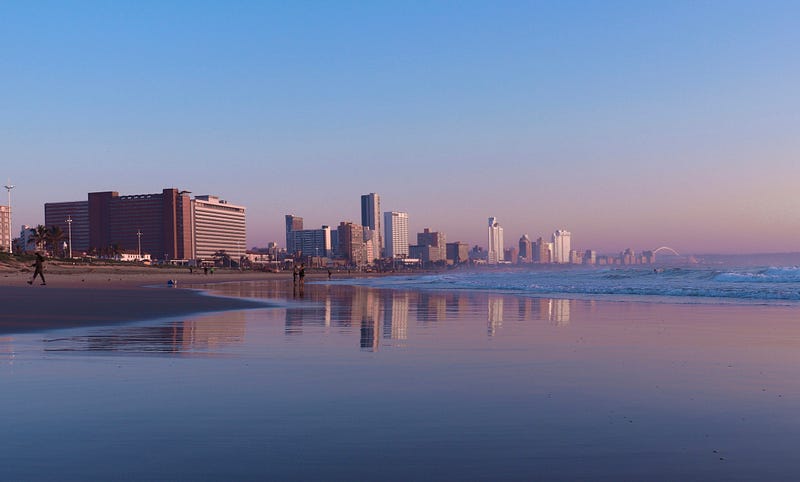
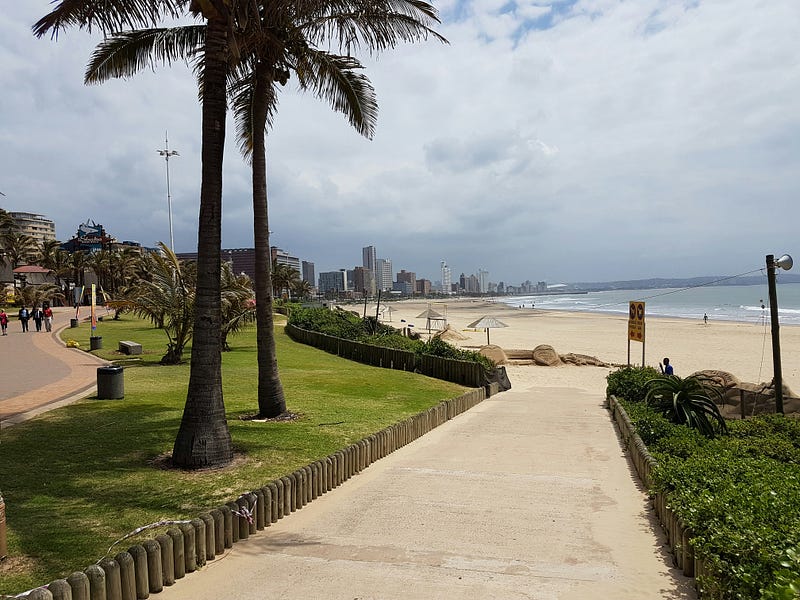
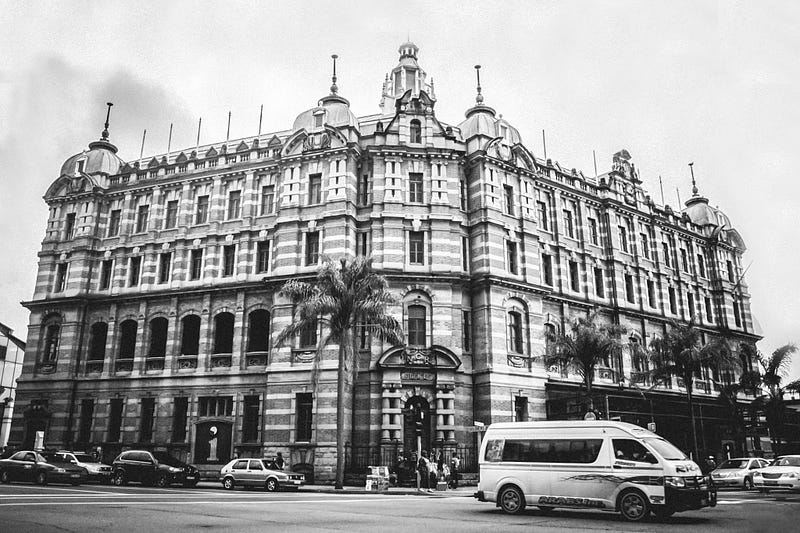
Durban

Photo by Olivia Pedler on Unsplash
Photo by Nico Smit on Unsplash
Photo by Rowen Smith on Unsplash

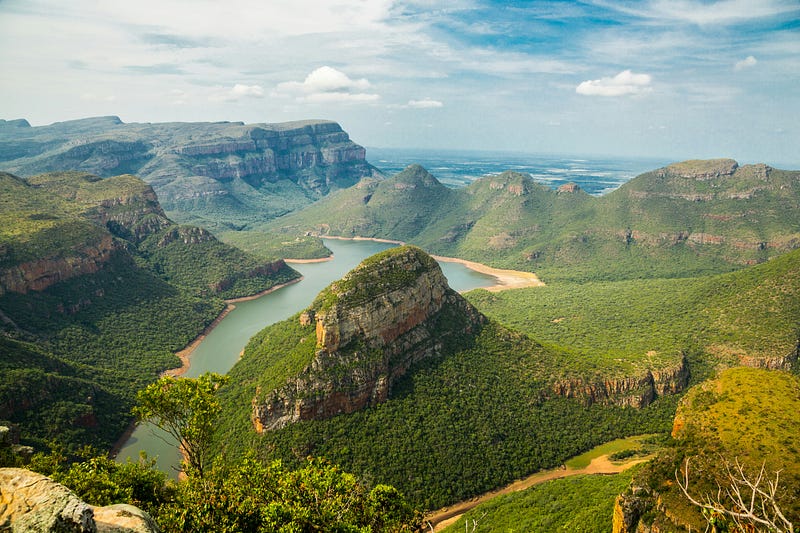
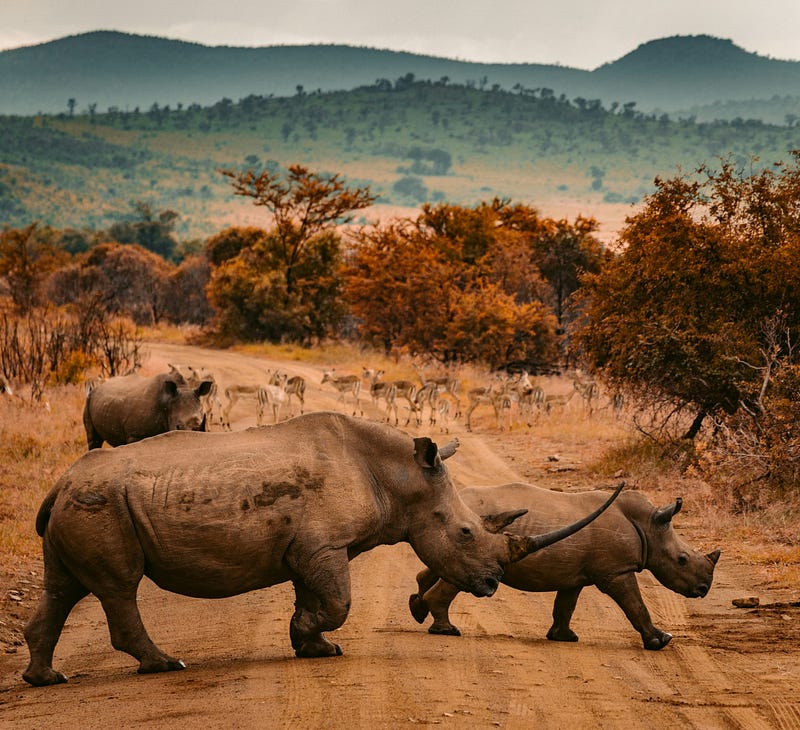
South African landscape

Photo by Lina Loos on Unsplash
Photo by Red Charlie on Unsplash
Photo by Harry Cunningham on Unsplash
Photo by Kelly Arnold on Unsplash
Photo by Andrea Brataas on Unsplash
Photo by Jason Briscoe on Unsplash
Photo by George Brits on Unsplash

After Nelson Mandela became president of South Africa, the country saw an inflow of Black Americans and people from other African countries seeking opportunities in the newly democratic country. Mandela’s presidency was viewed as a symbol of hope and thanks to the international community for its support in the anti-apartheid campaign. While many Black South Africans appreciated the international help they received during the difficult moments of apartheid and racial segregation, transforming that support into practical benefits for all citizens posed obstacles.

The persistence of poverty in townships such as Soweto, Mamelodi, Shoshanguve, and others irritated some Black South Africans who believed they were not fully benefiting from the liberation for which they had fought. These situations, combined with economic differences and limited resources, have occasionally resulted in conflict between some Black South Africans and Black immigrants from other African countries. Nigerians, in particular, have been accused of engaging in criminal activity, drug trafficking, and prostitute exploitation in South Africa. These tensions and concerns have contributed to cases of xenophobia, in which immigrants from impoverished African nations have been targeted and subjected to prejudice, violence, and accusations of being illegal immigrants.

Some Colored South Africans have expressed feelings of marginalization and inadequate representation by the African National Congress (ANC). This view arises from the assumption that the ANC exclusively serves the interests of the black majority population. This might lead to a sense of exclusion among certain Colored South Africans. Colored populations in South Africa, particularly in cities such as Johannesburg and Cape Town, confront substantial poverty and socioeconomic inequality. These communities frequently have restricted access to resources and opportunities, resulting in high rates of poverty and social suffering.

Tensions and disputes over resources can emerge between various communities in South Africa, especially Colored and Black South Africans. These disputes can be traced back to historical divisions, rivalry for limited resources, and socioeconomic inequities in the Western Cape. Under Apartheid, Coloreds were also marginalized by the White minority rule for not being White enough, but in the 1970s, or 1980s; if I remember correctly, Coloreds, Indians, and other Asians were given preferential treatment by the National Party, but not more so than Whites and Blacks were at the bottom of the hierarchy without rights. Some Coloreds cling to that past as their justification to hate Black people; those are the same Coloreds who wish that apartheid return to South Africa because they believe that their living conditions were better under the White minority rule. Some Coloreds have joined various gangs as a means to make a living.

Poverty has risen among certain white South Africans, and there have been reports of high crime rates in white communities, particularly rural areas. Violent crimes, including farm attacks, have been reported, and these instances should be taken seriously by law enforcement officials. I’m not trying to be racist, but the sad truth is that the majority of farm attack victims are White farmers, while the perpetrators are Black South African guys who have previously been known to the police for their violent crimes.

This is not to say that all Black South Africans support hateful and racially motivated crimes and attempted atrocities: Most South Africans, whether Black, White, Colored, Indian, Chinese, Korean, Japanese, first- or second-generation immigrants, want to get along and create a better future for their country. Rhetorics like “Kill the Boer, Kill the Farmer,” promoted by the EFF, are hate speech, and we know from experience what happens when hate speech is turned into actions, throughout the history of man. Julius Malema’s speech does not give Black South Africans a bad name; rather, it gives all Black people throughout the world a bad name, leading others to assume that we are inept people who cannot build our various countries and that when we are in power, everything is chaos. People like Julius Malema may be to blame for the worsening of fascism in white-dominated countries.

Orania is a tiny town in South Africa populated primarily by Afrikaans-speaking White South Africans who want to maintain their language, culture, and heritage. While Orania’s activities may be protected by the South African constitution in terms of cultural and linguistic rights, it is vital to highlight that the ideals and concepts of inclusivity and non-discrimination are inherent to the constitution.

South Africa still faces racial inequities in wealth, income, and access to resources. Black South Africans, in particular, continue to face higher poverty rates than other racial groups: 64% of Black South Africans live in poverty, compared to 1% of White South Africans, 41% of Coloreds, and 5.1 percent of Indians and other Asians. Apartheid has had a long-term impact on South Africa’s socioeconomic structure, resulting in considerable inequities in property ownership, and access to decent education, healthcare, and employment prospects.

But let us not forget that the ANC has governed the country for 30 years and, in most cases, has failed to implement poverty alleviation plans due to mismanagement by some leaders implicated in corruption. The ANC cannot continue to use Apartheid as an excuse to hide their incompetence; they have left South Africa in worse shape than the Nation Party, the political organization that launched Apartheid in 1948.

Is the ANC trying to tell us that they can’t outcompete those jerks? There are parts of the country where the infrastructure has been neglected, and the country no longer appears recognizable. The African National Congress is failing to provide basic services to its residents in South Africa. Led by corrupt, dishonest, and incompetent leaders, the party depends on past glory and fear-mongering falsehoods about the opposition to maintain control.

South Africa is a member of the BRICS association. The BRICS abbreviation stands for Brazil, Russia, India, China, and South Africa. It is an informal grouping of emerging economies that seeks to strengthen collaboration and promote economic development among its members. This year, the intergovernmental group expanded to include Egypt, Ethiopia, Iran, and the United Arab Emirates, with Saudi Arabia expected to join the bloc.

Port Elizabeth
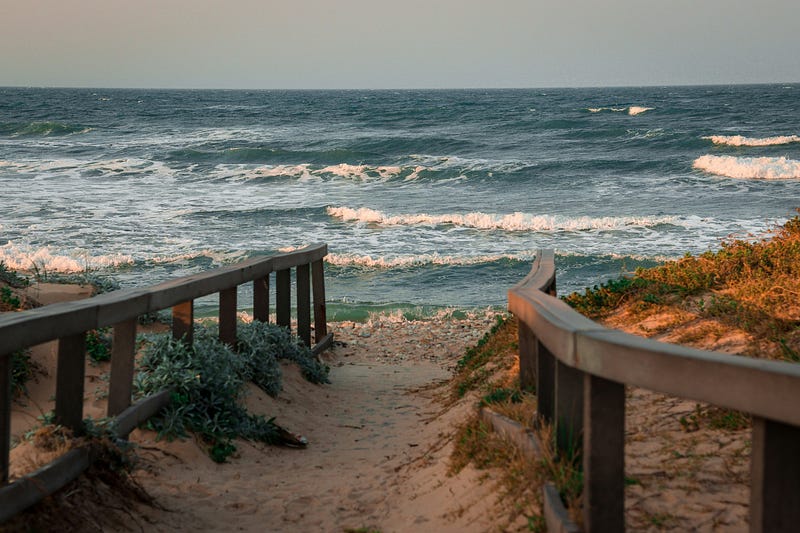
Photo by Tumelo Lungile on Unsplash

Bloemfontein

Photo by Leo Moko on Unsplash
Photo by Thomas Bennie on Unsplash
Photo by Juan Seta on Unsplash

South Africa, like any other sovereign nation, has the authority to make laws and policies that it deems necessary for the well-being and advancement of its citizens. Africa is truly a diverse continent, with 54 distinct countries, each with its own set of opportunities and difficulties. Individual African nations must invest in their development, handle important concerns such as sanitation, healthcare, political stability, and governance, and strive to improve their populations’ lives. Uniting Africa as a whole is a difficult endeavor that involves coordinated efforts from all African countries, international cooperation, and an emphasis on sustainable development.

By addressing the issues I have raised and working to improve the general well-being of its people, Africa may realize its immense potential and create a brighter future for its nations and people. However, governance based on Western democratic institutions and an activist state has resulted in failures on the continent since the majority of the countries we’ve ruled are backward, and some are failed states. We don’t challenge our ideas, values, practices, or cultures because we’re terrified of what others, within our various groups might say.

Africans will never be able to stand with dignity in the world unless they reach economic development comparable to the West. Nothing will change in Africa unless we acknowledge this difficult truth. As long as we are too busy feeding Black-on-Black bigotry and tribalism within our countries, we will fail to acknowledge our involvement in enslaving other Black Africans, particularly pygmies, and offer healing and peace. As long as some of our ordinary melanin Black African brothers and sisters refuse to acknowledge how we have oppressed Black albinos on the continent, we will be regarded as people with no dignity around the world and devalued by others who do not look alike.

What have we done over the last 60+ years to challenge this perspective about Africa? Nothing! We not only accepted this viewpoint, but we continue to live by it to this day because we would rather die than change our mindset and ways of thinking. We would rather live in horrible conditions than make the difficult effort required to better our level of living and lift ourselves out of poverty. South Africa, with its rich history, cultural diversity, and natural beauty, is an extraordinary country. It has achieved great progress since the end of apartheid and continues to work on tackling the remaining difficulties. By recognizing its assets and fostering its potential, South Africa can be an inspiration to the African continent’s general development and advancement, despite also dealing with reverse discrimination toward minority groups.

More info:

https://en.wikipedia.org/wiki/Apartheid#:~:text=%22separateness%22%2C%20lit.,1948%20to%20the%20early%201990s.

South Africa
Apartheid
History
Nelson Mandela
Racism
Recommended from ReadMedium