
Discover the World of Aboriginal Australian Astronomy
The skies have always been a source of fascination for humans throughout history

Aboriginal Astronomy: History and Culture
Aboriginal Australian Astronomy is an intricate study of the celestial objects, their movements and the role they play in the culture of the Australian Aborigines. The indigenous people have been observing and interpreting the night sky for over 60,000 years. Stargazing and astrology have always been an important part of their culture and have aided them in navigation, agriculture, and understanding the world around them.
- Aboriginal Astronomy and Dreamtime Stories: Dreamtime is a fundamental concept in Aboriginal culture that explains the origins of the world and the laws of human behavior. It is believed that celestial objects were formed during the Dreamtime and their movements tell the stories of creation. Every star, constellation, and planet has a meaning attached to it, making Aboriginal Astronomy more than just a study of the night sky.
- Traditional Knowledge: Navigation and Skylore: Aboriginal Australians have always used the stars to navigate, as they have a deep understanding of the celestial objects and their movements. The stars that are visible in their sky depend on their location in relation to the equator and the position of the observer. They have also used the stars to keep track of their seasonal calendars, which have been essential for their agricultural practices.
- Stunning Celestial Objects in the Southern Hemisphere: The southern hemisphere offers a wide range of celestial objects that are not visible from the northern hemisphere. The Milky Way, which is visible throughout the year, holds special significance in Aboriginal Astronomy. They believe that the dark patches in the Milky Way are the footsteps of the creator spirit, who taught them how to navigate.
- Aboriginal Art and Astronomy Tours: Aboriginal art always tells a story, and astronomy is no exception. Indigenous artists incorporate their celestial knowledge and stories into their artworks. Visitors can immerse themselves in the rich culture and history of Aboriginal Astronomy through guided tours and observing sessions. These tours usually take place in dark sky locations that offer an unobstructed view of the night sky.
- Discovering the Cosmos through Aboriginal Eyes: Aboriginal Astronomy offers a unique perspective on the study of celestial objects and their movements. Observers can gain an understanding of traditional astronomy, sky folklore, celestial navigation, and indigenous cosmology. The Stellarium software provides an interactive visualization of the night sky as seen by the Aboriginal people, giving enthusiasts a chance to explore the sky stories and astronomical traditions of the Australian Aborigines.
Aboriginal Astronomy is an essential part of the culture and heritage of the Australian Aborigines. It provides a glimpse into their mythology, their ways of living, and their relationship with the sky. With increasing interest in astro-tourism and preservation of Indigenous knowledge, Aboriginal Astronomy is gaining recognition on the global stage.

Aboriginal Astronomy and Dreamtime Stories
The ancient Aboriginal Australians had a deep understanding of the night sky and its celestial objects. Their traditions and cultural practices were rooted in the stars and planets, and they used this knowledge for navigation, agriculture, and spiritual purposes. To the Australian Aborigines, the sky is a vast canvas that tells stories of their ancestors and unlocks the secrets of the universe.
Dreamtime stories and astronomy were closely intertwined in Aboriginal culture. The term ‘Dreamtime’ is commonly used to describe the sacred stories and spiritual beliefs of the indigenous population of Australia. These stories are passed down from generation to generation orally or through sculptures, paintings, and other art forms.
One of the most important Dreamtime stories related to astronomy is the story of the Seven Sisters. The story talks about a group of sisters who traveled across the sky and how they came to be the constellation the Pleiades. The constellation is essential to the calendar of the Aboriginal Australians as it marks the beginning of their new year.
Another Dreamtime story is the tale of how the Sun and the Moon were born. According to the story, the Sun is a woman who wakes up in the morning and crosses the sky to a meeting place in the west with the Moon, a man. They embrace and start the night journey together.
Apart from these stories, the Aborigines had precise knowledge about the movements of the sun, moon, and stars. They used this knowledge for daily tasks and marking seasons. For example, they knew that when the Emu in the Sky constellation rose before the sun, it was the breeding season of the flightless bird.
Today, many people still observe the skylore of Aboriginal Australians. Astronomy tours and astro-archaeological sites are numerous throughout the country. Visitors can experience the traditional astronomy of the Aboriginal Australians and learn about their astronomical traditions and cosmology.
Overall, the Aboriginal Australians’ understanding of the night sky was much more than just observing celestial objects. Astronomy, for them, was a way of life, an inseparable part of their culture, and Dreamtime stories. It is an essential reminder that astronomy is more than just skill — there is a sense of beauty, magic, and wonder beyond the science of it.
Traditional Knowledge: Navigation and Skylore
Aboriginal Australian Astronomy is deeply rooted in the culture of indigenous Australian communities. For thousands of years, the stars and sky have held significant cultural importance and profound spiritual significance in Aboriginal culture. Embedded in ancient Dreamtime stories, Aboriginal Australian Astronomy was used for navigation, time-keeping, and as a means to pass along cultural traditions and stories from generation to generation.
Aboriginal Australians were expert navigators who depended heavily on celestial navigation to travel vast distances across the continent. Traditional navigation techniques involved using the stars and the positions of celestial objects to find their way. The position of the sun and the moon was also used to determine the time of day and year. For example, the movements of the sun were used to signal the beginning and end of seasonal cycles, and the appearance of the constellation Arrernte signaled the start of the dry season.
Aside from navigation, the sky played an integral role in Aboriginal culture. Skylore involved recognizing patterns in the movements of stars and other celestial objects to make observations about natural phenomena on earth. For example, the appearance of certain constellations indicated that it was time for dingoes to breed or for emus to lay eggs. The phases of the moon were also important, as they were used to determine when to fish and hunt.
Throughout history, many indigenous cultures were known to predict eclipses and other astronomical events. Aboriginal Australians were no exception. They were able to predict eclipses using the phases of the moon as a guide and the appearance of a certain star. Like many ancient cultures, the Aboriginals believed that solar and lunar eclipses represented important symbolic events, often linked to the balance or conflict between spiritual and physical worlds.
Today, there are many ways to explore the Aboriginal Australian Astronomy and traditional knowledge. Astro-archaeology offers an exciting way to uncover ancient star signs, while cultural tours provide an opportunity to learn more about Dreamtime stories and how they’ve influenced Aboriginal culture. Indigenous knowledge is particularly valuable for anyone interested in learning about southern hemisphere astronomy or who is considering a trip to this part of the world.
Some popular observing sites in Australia include Ayers Rock and Alice Springs, where it is possible to see the fascinating southern hemisphere constellation patterns. Visitors can also explore some of the most magical dark skies around the world and soak in celestial vistas filled with the stars, galaxies, and the Milky Way. To top it off, tourism companies offer astronomy tours where visitors can experience the ancient and rich traditions of indigenous cosmology firsthand.
In closing, Aboriginal Australian Astronomy and traditional knowledge are fascinating and deeply rooted in indigenous culture. From celestial navigation and skylore to stargazing and cultural tours, there are many ways to discover this hidden gem of knowledge and gain a new perspective of the cosmos.
Stunning Celestial Objects in the Southern Hemisphere
The southern hemisphere offers a dazzling view of the sky that is very different from what we see in the northern hemisphere. With limited light pollution and optimal observing conditions, the region boasts some of the brightest and most beautiful celestial objects in the world. Aboriginal Australian Astronomy has played a significant role in identifying many of these objects and attributing symbolic meaning to them.
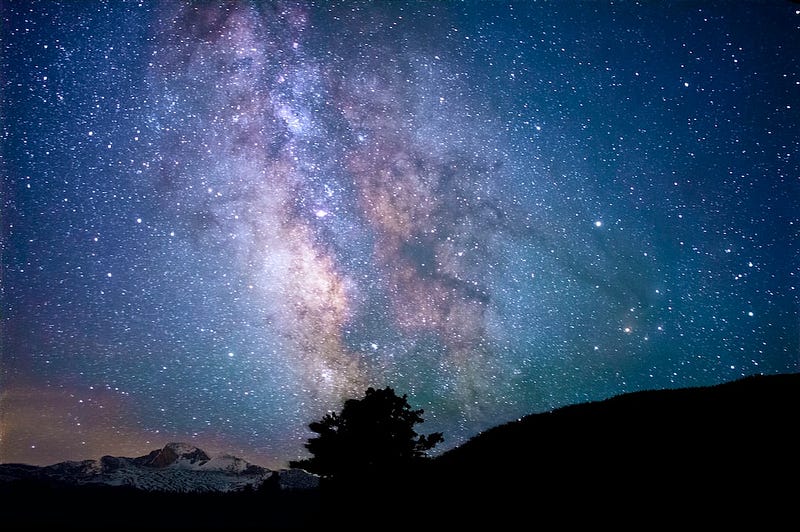
One of the most famous celestial objects visible in the southern hemisphere is the Milky Way. It has been a crucial part of the Aboriginal skylore for thousands of years and is regarded as the “River of Life.” Aboriginal culture considers it a sacred pathway that “connects the past, present, and future,” representing the connection between all living things. There are multiple Dreamtime stories associated with the Milky Way, and Aboriginal people have created many artworks that feature this spectacular object.
Apart from the Milky Way, the southern hemisphere sky has several other noteworthy celestial objects. One such object is the Southern Cross, a constellation that is visible throughout the year. The Southern Cross symbolizes the spirit of the ancestors and is used as a navigational guide. It has been an essential tool for many ages, including seafaring, exploration, and even during wartime when soldiers used it to determine their location at night.
Another significant celestial object is the Magellanic Clouds, which are visible to the naked eye on dark, clear nights. These are two dwarf galaxies that orbit the Milky Way, and their sighting is unique to the southern hemisphere, making them an excellent target for astrophotography. The Magellanic Clouds hold significant importance in Aboriginal culture, with various stories and myths connected to them.
The southern hemisphere is also home to the Omega Centauri, the largest globular cluster in the Milky Way. It consists of over ten million stars and is visible to the naked eye in dark observing sites. Aboriginal people believe it to be a source of great mystery and wonder.
In addition to these celestial objects, there are different sun and moon phases, constellations, and eclipses that Aboriginal Australians have identified and added to their astronomical traditions. Exploring these stunning objects is a unique and memorable experience that every skywatcher should have at least once in their lifetime.
There are several observing sites in Australia that provide optimal conditions for stargazing, making it an ideal destination for astro-tourism. Visitors can learn more about indigenous cosmology, astro-navigation, and traditional astronomy practices and even participate in guided tours to observe the sky through Aboriginal eyes. Travelers can also gain insight and appreciation into the ancient and profound connection between the Southern Hemisphere’s stunning celestial objects and indigenous culture.
Aboriginal Art and Astronomy Tours
Aboriginal Australian art is cherished worldwide for its stunning beauty and intricate details. But did you know that some of these artworks hold secrets of the celestial world? Aboriginal art is often used to communicate stories of traditional astronomy, sky-gods, and seasonal changes. Thus, to fully appreciate and understand this ancient art form, it is essential to delve into the world of Aboriginal astronomy.
Astronomy tours in Australia take visitors to remote locations, away from the city lights, to witness the majesty of the Milky Way and Southern Cross in the night sky. These tours often include visits to significant observing sites, where indigenous communities have observed the skies for thousands of years. One such site is Karlu Karlu (The Devil’s Marbles), a grouping of massive boulders in the red desert landscape. The site is not just a sacred place for the Warumungu people but is also a site where the sun aligns with the rocks during the summer solstice.
Another famous site for stargazing and observing astronomical traditions is Uluru. The iconic red rock formation has been a cultural and spiritual center for indigenous communities for over 10,000 years. Uluru is known for its changing colors at both sunrise and sunset, as well as its connection to the stars and the Dreamtime stories of the Milky Way.
Guided tours also offer a glimpse into Aboriginal star maps and sky stories, passed down through generations. It is impressive to see how the indigenous people used the stars for navigation and tracking seasonal changes. For instance, the Wardaman people believe that the position of a particular star during the wet season relates to yellow-spotted lizards coming out of hibernation.
Many astronomy tours also offer a chance to learn directly from the indigenous people and their traditional knowledge of the stars, planets, and constellations. Through storytelling and firsthand experiences, visitors can gain a deeper appreciation for indigenous cosmology and astro-navigation techniques.
Furthermore, these experiences often provide an opportunity to learn about astro-archaeology and explore ancient sites that reveal how indigenous people have incorporated astronomy into their cultural practices. For instance, one such site is the Wurdi Youang stone arrangement in Victoria, which is believed to be one of the world’s oldest astronomical observatories.
Exploring Aboriginal art and astronomy through immersive tours not only broadens one’s understanding of indigenous culture but also provides a sense of wonder and awe of the natural world. By experiencing the night sky and its connection to culture, visitors can return home with a newfound appreciation for the land, stars, and the people who have lived in harmony with them for tens of thousands of years.
In summary, Aboriginal art and astronomy tours offer a unique perspective on Australia’s rich indigenous heritage. From learning about astro-navigation techniques to exploring ancient observatories, these tours offer a complete experience for those interested in the intersection of culture and science.
Discovering the Cosmos through Aboriginal Eyes
Aboriginal Australian Astronomy is an intricate and fascinating window into the cosmos through the eyes of Indigenous people. From dreaming stories to astro-archaeology, Aboriginal Astronomy offers insights into a rich and vibrant tapestry of cultures, traditions, and knowledge.
One of the most unique attributes of Aboriginal cosmology is its focus on the southern hemisphere. The Milky Way is a prominent feature, and many constellations take on different shapes and meanings than their counterparts in the northern hemisphere.
Indigenous peoples developed sophisticated astronomical traditions to navigate the night sky, with skylore and celestial navigation remaining essential to their cultures to this day. The sun, moon, and stars all play integral roles in Indigenous cosmology, encompassing not only the scientific understanding of celestial objects but also their cultural significance.
Aboriginal Astronomy offers an alternative perspective to how we understand the universe. It sheds light on how Indigenous peoples use the stars and celestial objects for practical purposes, such as tracking seasonal changes and predicting weather patterns.
In recent years, Aboriginal Astronomy has gained popularity, especially in the form of astro-tourism. Travelers are now embarking on trips to remote areas in Australia to experience the dark skies and hear firsthand about the astronomical traditions passed down through generations.
Observing sites throughout Australia, such as at Warrumbungle National Park in New South Wales and the Hermannsburg Historic Precinct in the Northern Territory, offer opportunities to explore the night sky with Aboriginal guides. Visitors can learn how to identify constellations, hear sky stories, and observe celestial objects through traditional telescopes.
Aboriginal art is also an essential aspect of understanding Aboriginal Astronomy. Traditional artwork features stories of celestial objects, such as when Jupiter and Venus met, and interweaves the cultural significance of the stars into everyday life.
So, Aboriginal Astronomy provides a refreshing and diverse perspective on the cosmos. Its focus on Indigenous knowledge, traditional astronomy, and celestial objects unique to the southern hemisphere is enriching to explore. Astronomy enthusiasts, travelers, and curious minds can discover the cosmos through the lens of Aboriginal eyes and gain a better understanding of the rich tapestry of cultures that make up Australia.