
Discover the Secret Foods that Melt Away Stress Hormones! 💥🍏
Your Ultimate Guide to Lowering Cortisol Naturally

Stress management is a crucial aspect of maintaining a healthy lifestyle.
It involves various components like work-life balance, setting boundaries, ensuring proper sleep, and regular exercise.
However, what you eat can also play a significant role in managing stress.
In this article, I’ll explore how certain foods can naturally decrease cortisol, the stress hormone, and contribute to better physical and mental health.
Understanding Cortisol
Cortisol is known as the stress hormone.
It's part of the activating energizing response in your body, and it triggers the fight or flight response, but it plays a lot of other important roles in your body too.
Cortisol helps regulate everything from sleep cycles and inflammation to blood pressure and blood sugar levels.
The adrenal gland releases cortisol in response to a physical threat, such as an injury, or a mental threat, such as a deadline.
Cortisol is not inherently bad; it is beneficial in the short term, but prolonged exposure to it can cause a chronic stress response, which can increase anxiety, depression, fatigue, inflammation, weight gain, higher blood pressure, a weakened immune system, and a higher risk of diabetes and heart disease.
So, you can see how decreasing cortisol can have a big impact on both physical and mental health.
The Impact of Diet on Cortisol
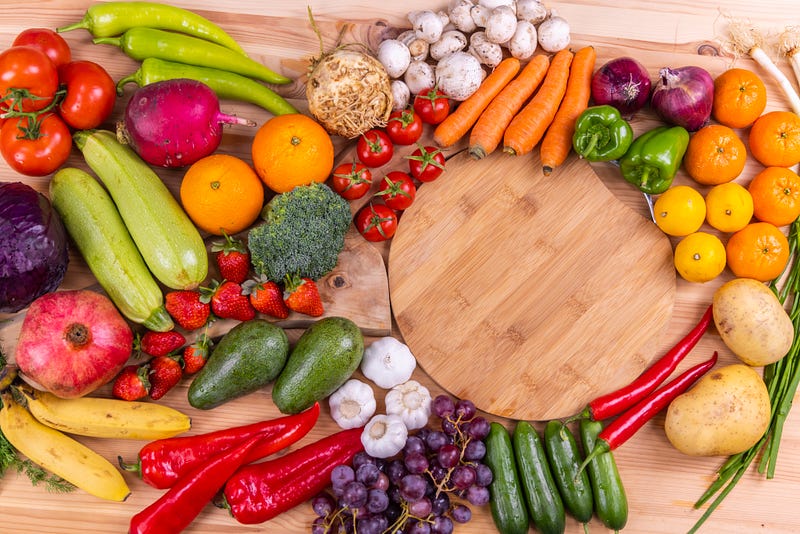
When researchers explored how diet impacts cortisol, they found that people on a traditional American diet of high-fat sugar and carbs had much higher cortisol levels than people who were eating more fruits, vegetables, whole grains, and polyunsaturated fats.
So an anti-inflammatory diet can counteract the impact of cortisol inflammation, which is essentially a low-level stress response in the body.
To eradicate infections, your immune system releases macrophages and cytokines; however, this also causes harm to healthy tissue and results in ongoing stress for the body.
Furthermore, inflammation raises the permeability of the intestines, which is known as a "leaky gut." This can let bacteria into the bloodstream, which can cause even more inflammation to fight it.
So when we eat foods that make our bodies inflamed, we basically set off the stress response. But you can choose foods that lower cortisol, soreness, and stress.
As we go through this list of foods, you may recognize it as having a lot in common with the Mediterranean diet. The Mediterranean diet has been found to be quite effective at decreasing inflammation, and it’s been shown to improve mental health.
Anti-Inflammatory Diet
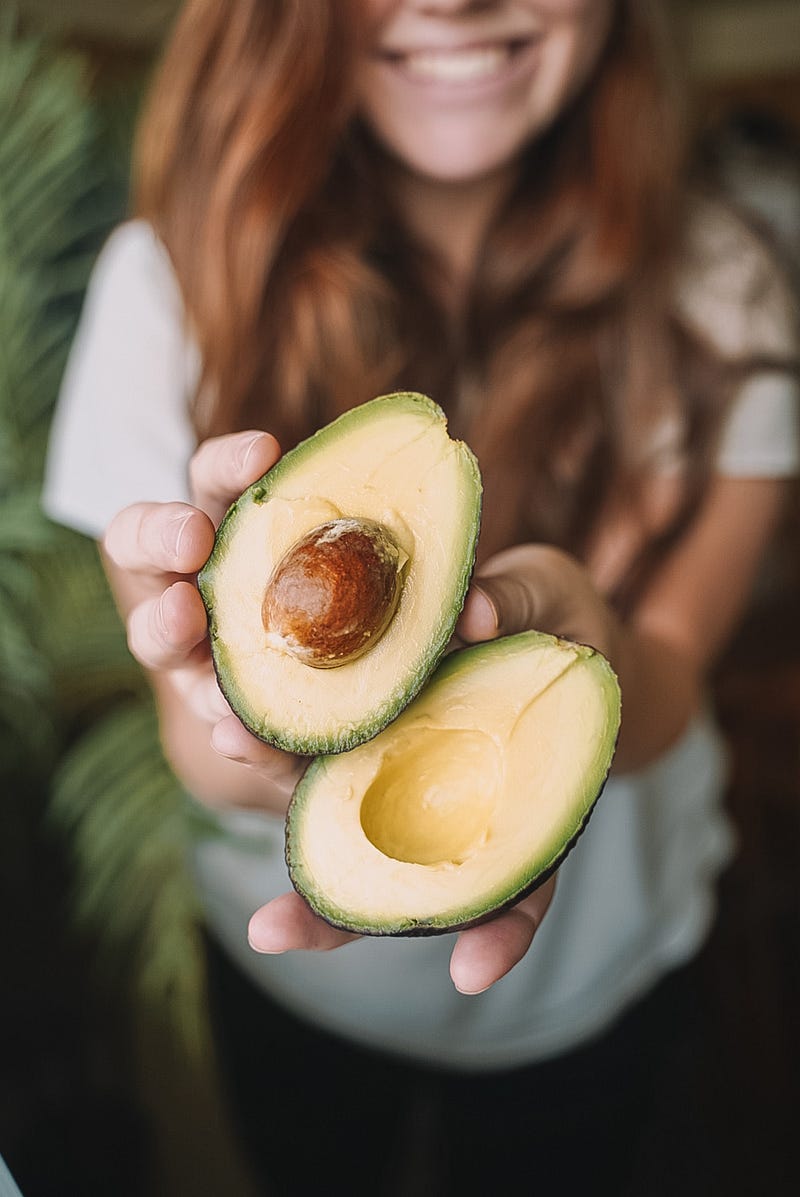
An anti-inflammatory diet aligns with the principles of the Mediterranean diet, known for its effectiveness in reducing inflammation and improving mental health.
1. Foods High in B Vitamins
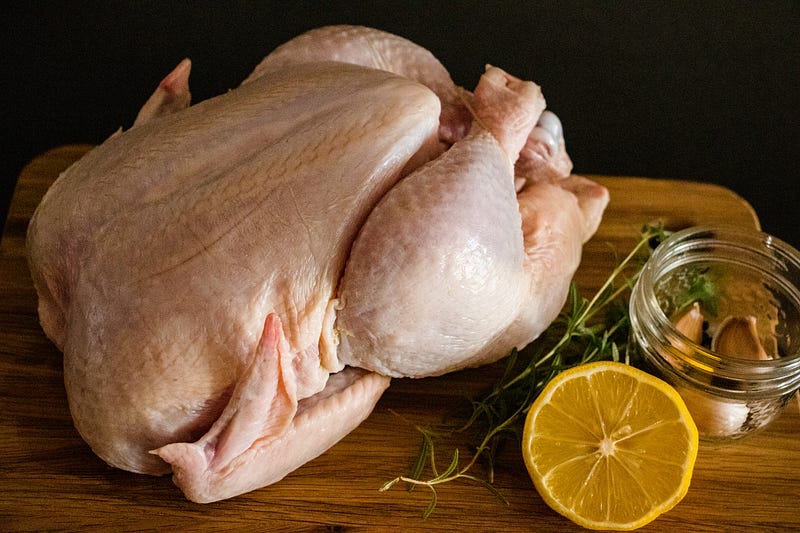
Foods rich in B vitamins, particularly B12, aid in metabolizing cortisol. You can find B12 in organ meats, beef, chicken, eggs, nutritional yeast, and fortified cereals.
2. Omega-3 Rich Foods
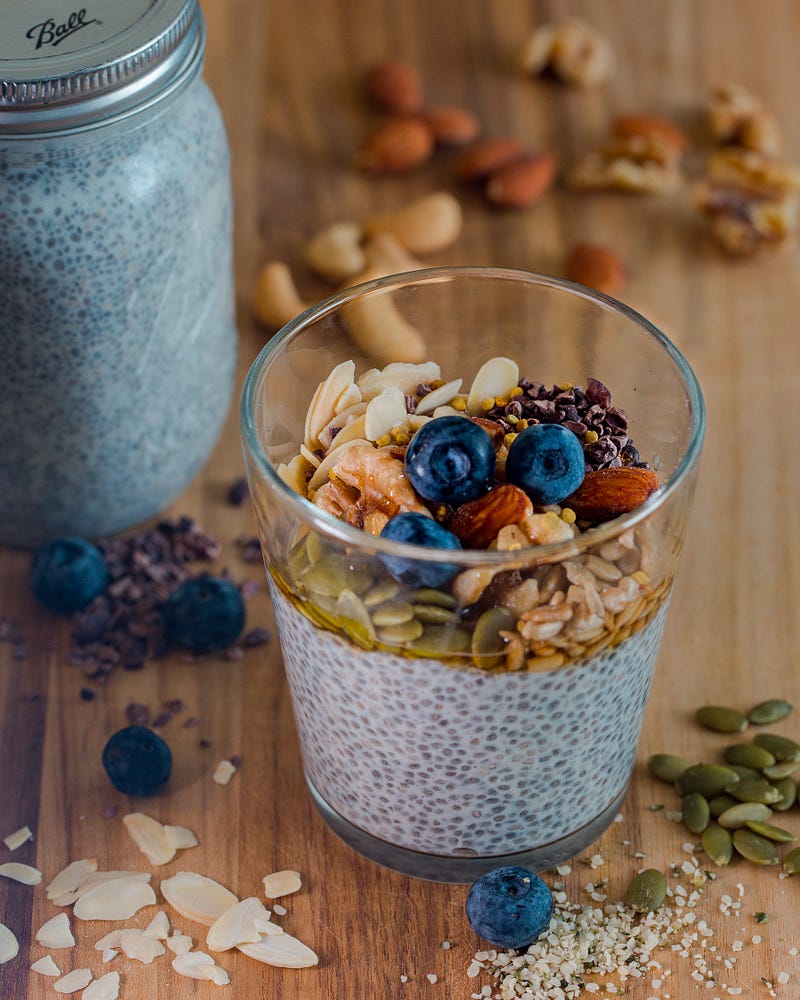
Omega-3 fatty acids are known to reduce inflammation. While fish is a prime source, you can also obtain omega-3s from plant-based sources like walnuts, avocados, chia seeds, flaxseeds, olive oil, and various fish varieties.
3. Magnesium-Rich Foods
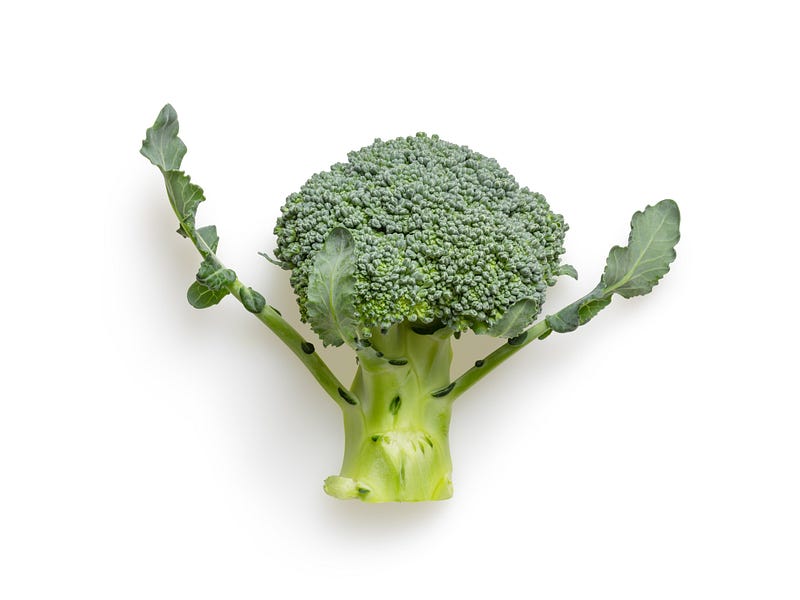
Magnesium is essential for muscle relaxation, inflammation reduction, and cortisol metabolism. It also plays a role in regulating the heartbeat and lowering blood pressure. Foods like pumpkin seeds, almonds, pistachios, broccoli, bananas, avocados, artichokes, spinach, and even dark chocolate are excellent sources of magnesium.
4. Regulating Blood Sugar
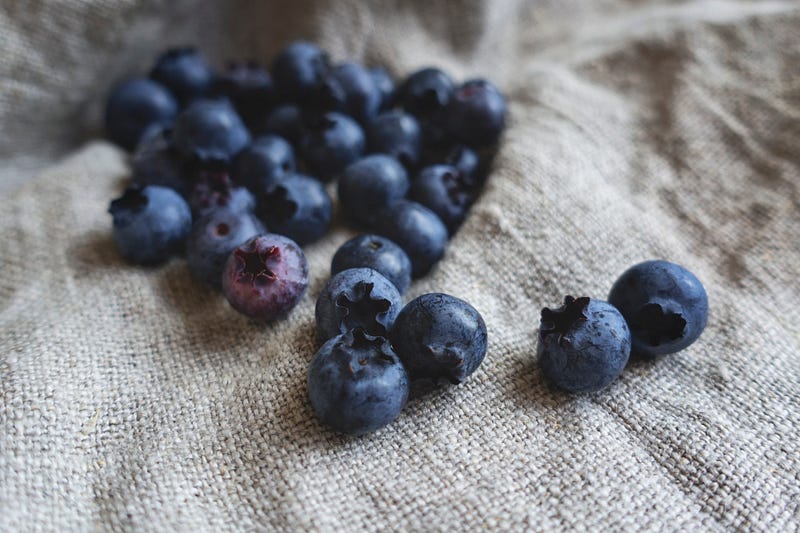
Maintaining stable blood sugar levels is crucial to decreasing cortisol. Consume regular meals and prioritize protein-rich foods, particularly beans and legumes with antioxidant properties.
5. Promoting a Healthy Gut Microbiome
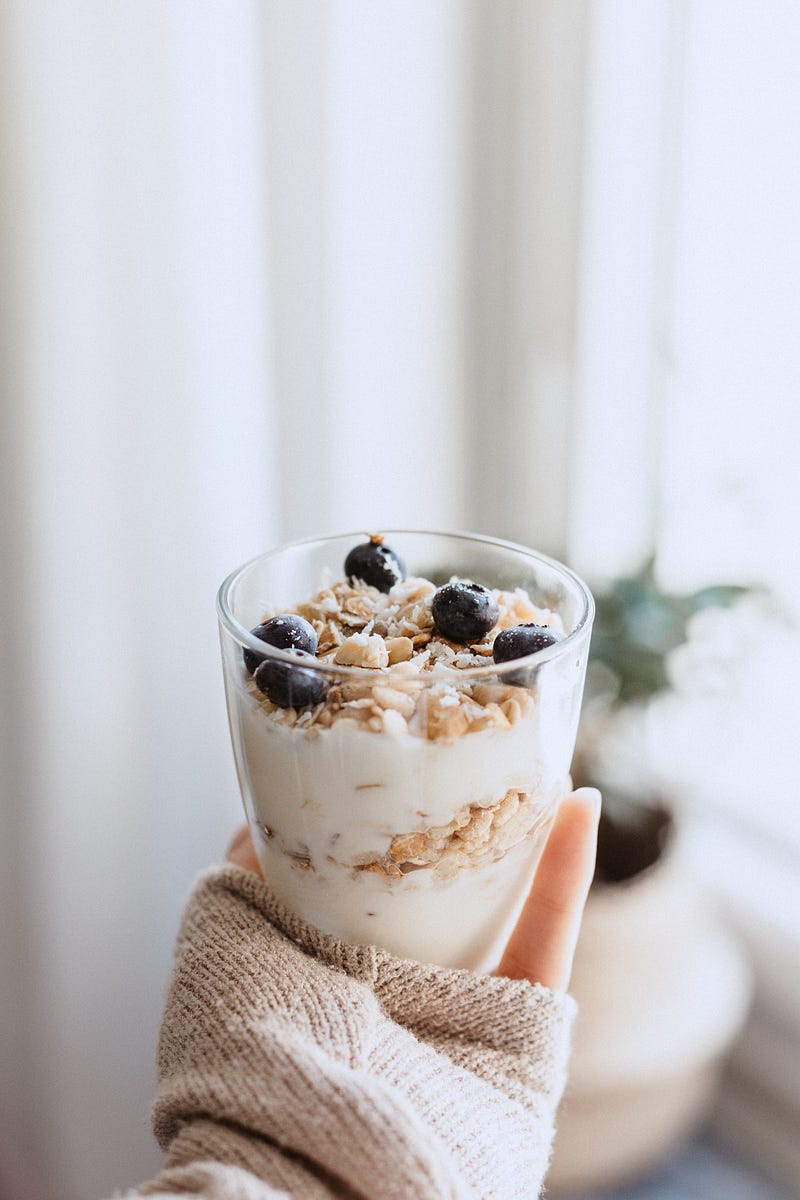
The gut microbiome influences mental health, as a significant portion of serotonin is located in the gut. A diet high in fiber, derived from fruits and vegetables, promotes a healthy gut by providing prebiotics. Additionally, incorporating probiotics from sources like live yogurt, kimchi, kombucha, kefir, and sauerkraut can enhance gut health.
6. Staying Hydrated
Dehydration is a source of stress for the body. Adequate hydration is essential to maintaining healthy cortisol levels.

Foods to Avoid
While focusing on foods that reduce cortisol, it’s also important to be mindful of items that can increase it. Foods to avoid include alcohol, caffeine, saturated fats, simple sugars (sodas and candy), and simple carbs (white bread). However, not all carbohydrates or sugars are detrimental; moderation is key.
In conclusion, a holistic approach to stress management is ideal, but understanding the role of specific foods in decreasing cortisol levels can significantly contribute to better physical and mental health.
By incorporating these anti-inflammatory foods into your diet and being mindful of your nutritional choices, you can work towards a more balanced and stress-free lifestyle.
Remember, whole foods rich in nutrients are often more beneficial than supplements for overall well-being.


