
Disassembly Required
An introspective look into the construction of ourselves
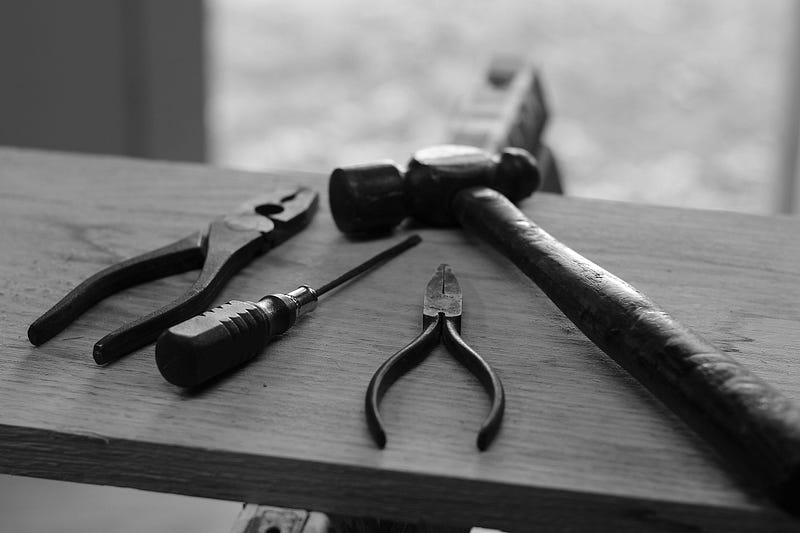
We are born as a pile of raw materials without an instruction manual. We have no name, no identity, and no beliefs. In the beginning, we are an assortment of pieces waiting to be assembled.
Piece-by-piece, we are slowly put together by our families, our environments, and our experiences. Through both verbal and non-verbal communication, our parents teach us how we deserve to be treated. They tell us who we are and who they are. They assign us an identity and then inform us of how people with this identity should behave in the world.
Everything that we have been taught is then tested through our experiences. Each experience of interacting with the world either challenges or confirms our initial beliefs. Like a skilled sculptor creating a masterpiece, experience is the maestro that slowly shapes us into who we are today. Far more influential than what we were told as children, our own experiences cement our base assumptions about the world we live in. And a majority of these experiences are dependent on the environment we are born into.
The town we grow up in, the schools we attend, the people who surround us — these are all indicative of the types of experiences we will encounter. Our environments determine the frequency of unique and challenging experiences we will have to face, and our formative years literally build us into the people we are today. It’s the combination of our families, our environments, and our experiences that assemble who we are. But what if we have been assembled incorrectly?
This single question is why we must begin to take ourselves apart. It’s the disassembly of ourselves that will allow us to determine the pieces that may have been installed backwards or upside down. We may even realize that we are missing critical components entirely. It’s taking this introspective look at our beliefs and opinions that will shed light on how we have been influenced. We must sift through each segment of our identity and ask ourselves if these ingrained convictions are truly our own, or if they were inconspicuously planted there by another person.
Only through the meticulous inspection of each aspect of ourselves, will we be able to identify the conditioned beliefs that no longer serve us. And once we begin to remove these, we can start re-building ourselves into the people we wish to become.
Want to learn more? Check out my website to listen to my podcast, read about my coaching, and join my Weekly Wonderings to receive an update on what I’m reading, writing, thinking about, and experimenting with!