
Dirty Money
Could Coronavirus Be the End of Cash?
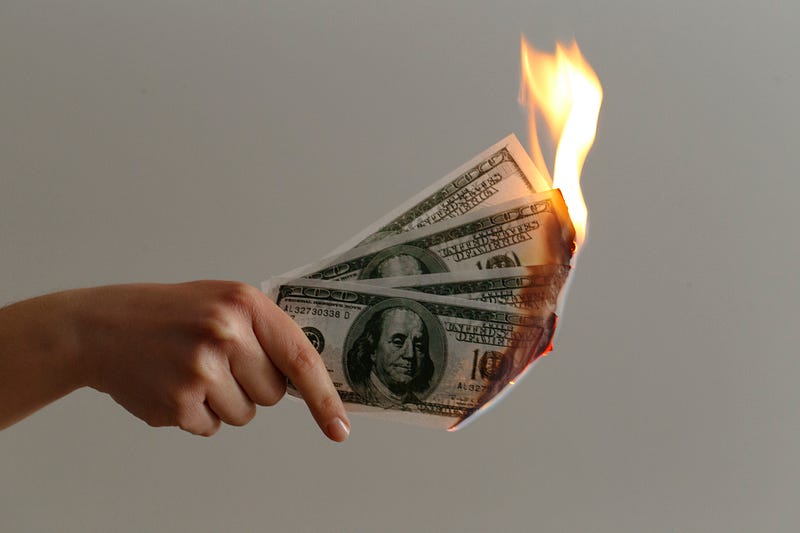
The other day I found a £20 note in my wallet. I have no recollection of how it got there, no clue on who gave it to me, and when. It must have been sitting there, Patiently, for months. I have been shopping, almost daily, buying food and sweets (lots of sweets) and yet I didn’t notice it until now. All of this time I haven't needed, haven’t even thought, of using cash.
When Coronavirus started to spread it was clear that social distancing is in order. Unprecedented restrictions and steps were taken in order to stop people from spreading the virus from one to the other. The notion of giving or receiving a piece of paper touched by someone else made no sense. The WHO itself said so, warned that notes could help the spread as they can potentially carry the virus for days. China and South-Korea initiated a major operation in which they disinfected and isolated used notes. This was a lot of work, even for such a sum of money. All medical organizations made a very clear recommendation to use cash as little as possible and instead move to contactless and electronic payments. The revolution that has been slowly moving forward for years suddenly received a massive boost.
It is, as mentioned, not a new phenomenon. Cash use has been declining for a few years, in the UK we saw debit card payments overtaking cash for the first time in 2018. A trend that was seen in many other places as well. Sweden is the most progressed country in that aspect and was planning to turn cash-free in 2023. An official report shows that Sweden is using less cash than any other European country, with credit card payments as the dominating method of purchase. It also has one of the lowest rates of card fraud in the continent, managing to keep a very high level of security. This has many advantages. Other than the hygiene factor, removing cash is cheaper as notes and coins have manufacturing and distributing costs. It can reduce the risk of a violent robbery, especially with technological advancements and higher cybersecurity capabilities. Also, with cash gone, it will be a lot harder, near impossible maybe, to act in a fraudulent way as to launder money, evade tax, or engage in other illegal activity.
There are, however, many downsides as well. Firstly psychological as many might not be too keen holding an invisible fortune. The move to digital money can also cause those who have less of a handle of expenses to lose track of spending. Cyber money is, of course, not 100% secure and the risk might be greater than a robber snatching your purse. There is also the question of regulation. An always trackable transaction means one would not be able to spend any amount on anything without this being known, cataloged, and stored. Who will hold this information? The government? The bank? A private tech company? This could cause problems. Lastly, we need to face the fact that whereas millennials all hold smartphones and are naturally tapping them in front of card readers, many elderly, and other less tech-savvy people, will find it hard to adapt. This all meant that a true transformation would take time, a generation maybe, but then came the Coronavirus.
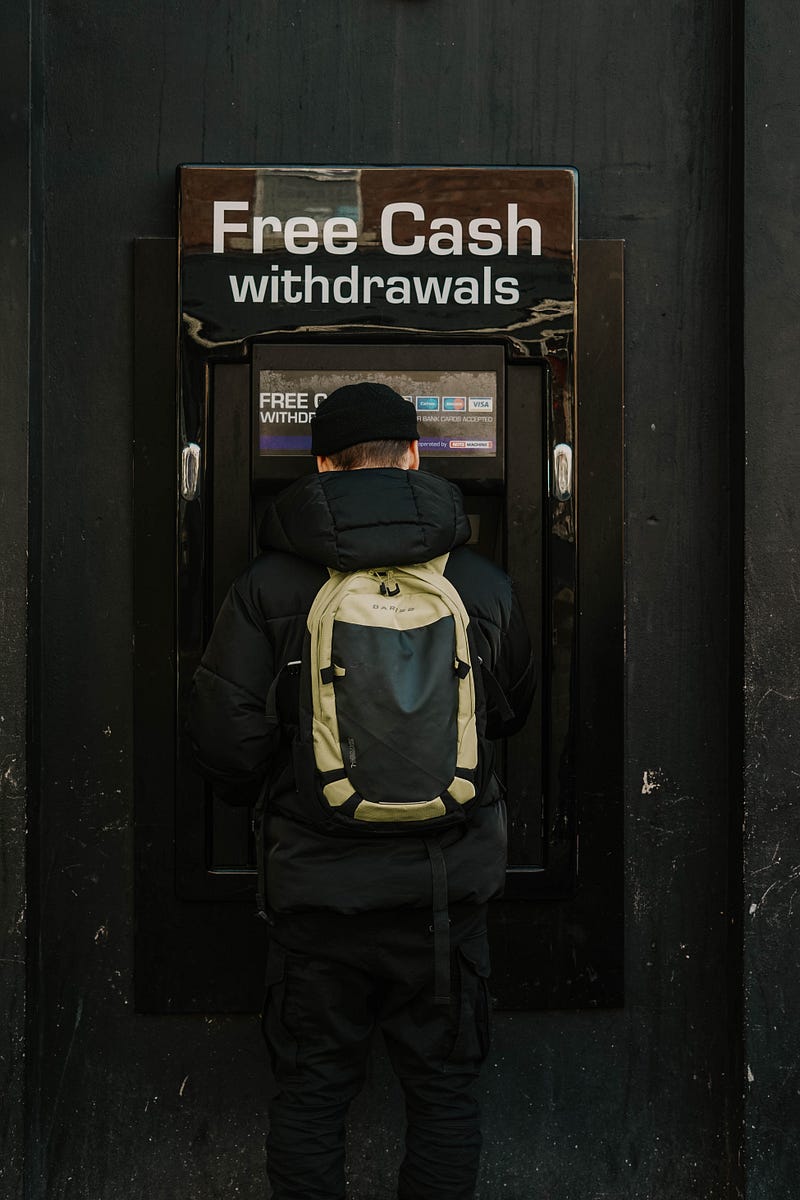
With the introduction of lockdown, things changed rapidly. In the US the giant grocery store chain Publix allowed using apple pay for the first time. In the UK The number of withdrawals from cash machines fell by 60%. The contactless payment limit was raised from £30 to £45 and made this method dominate the daily spending more than ever. The changes in over 65s were even greater. The online spending for the older age groups doubled to 40%, there was a 63% jump in over 65s signing to online banking and their usage of contactless has risen to 62% (info: Halifax). The shift is happening so fast that some experts warn the long-term future of cash could be at risk before the UK is ready to cope with the change.
How will the new monetary system look? No one knows. Researchers claim that First-generation cryptocurrencies do not work well as money and it might be better waiting for the second-generation. In their paper “Coronavirus: Case for Digital Money?” the authors predict that cash will disappear in the next few years and offer a 3 part policy:
- Adopting a framework of a mobile device (such as a mobile phone) as an easy to use digital wallet.
- A sovereign digital currency that would be regulated by governmental agencies with restrictions on how they can use the data.
- Digital monetary linkages across countries that would be facilitated by a supranational digital iCurrency issued by a consortium of sovereign governments.
This is an ambitious task. Not so much of a technological endeavor as a political one.
In any case, it seems like the wheels are turning at full speed. The process has progressed so much in the past few months that it seems highly likely for cash to be the biggest victim of the coronavirus.