avatarNayanika Saikia

Free AI web copilot to create summaries, insights and extended knowledge, download it at here

1256

Abstract

with a til on the underside.</p></blockquote><blockquote id="eeb4"><p>it is the phoolwalon ki sair</p></blockquote><blockquote id="1dd1"><p>and Dilli is all decked up</p></blockquote><blockquote id="32ed"><p>like a bride on her wedding night.</p></blockquote><blockquote id="c3f0"><p>marigolds and jasmine garlands</p></blockquote><blockquote id="3c65"><p>stark against black hair in buns and braids,</p></blockquote><blockquote id="702f"><p>and a whiff of attar, arousing passion</p></blockquote><blockquote id="5ba3"><p>in the Shahzada who passes by.</p></blockquote><blockquote id="0485"><p>the nosepin that falls on your lips is a temptation.</p></blockquote><blockquote id="c50f"><p>a sight to behold.</p></blockquote><blockquote id="cd98"><p>and you are a queen holding court.</p></blockquote><blockquote id="4393"><p>amidst jewels and flowers.</p></blockquote><p id="ca8e">A Brief Historical Note:</p><p id="4fad"><b><i>Dilli</i></b><i></i>a colloquial pronunciation of Delhi</p><p id="5c06"><b><i>Anarkalis </i></b>— a type of traditional attire for women in which the top is a flowing frock-like garment</p><p id="1a69"><b><i>Mang tikas — </i></b>a type of jewelry worn on the forehead</p><p id="526f"><b><i>Bindi </i></b>— a circle of colour

Options

paint drawn on the forehead for decorative purposes</p><p id="b8fc"><b><i>Shahzada </i></b>— a prince</p><p id="9c11"><b><i>Anaaj </i></b>— pomegranate</p><p id="d124"><b><i>Til </i></b>— a mole</p><p id="bbc2"><b><i>Phoolwalon ki sair</i></b> — literally the ‘procession of the florists’, this is an age-old secular festival (from the days of the Mughal Emperors until today), where Muslim and Hindu florists alike led a procession to Yogmaya Temple, and then to the Dargah of Sufi saint, Khwaja Bakhtiyar Kaki. Spanning over three days, these flower sellers pray for a better flower season in the coming year. It is held in September.</p><p id="9caa"><b><i>Attar </i></b>— non-alcoholic perfumes in oil form, attar is sourced from botanical oils of flowers, herbs, and spices.</p><p id="39fa"><i>Nayanika Saikia graduated summa cum laude with a Bachelor’s degree in English Literature and was also a Dean’s List student. She is currently pursuing her Master’s degree. At the moment, she is working as a Booktuber, blogger, and reviewer with various national and international publishers. She can often be found on her Instagram account <a href="https://www.instagram.com/pretty_little_bibliophile/">Pretty Little Bibliophile</a>.</i></p></article></body>

Dilli of My Heart

A dream in Mughal-era Delhi

A prequel to ‘On Reading

By the author

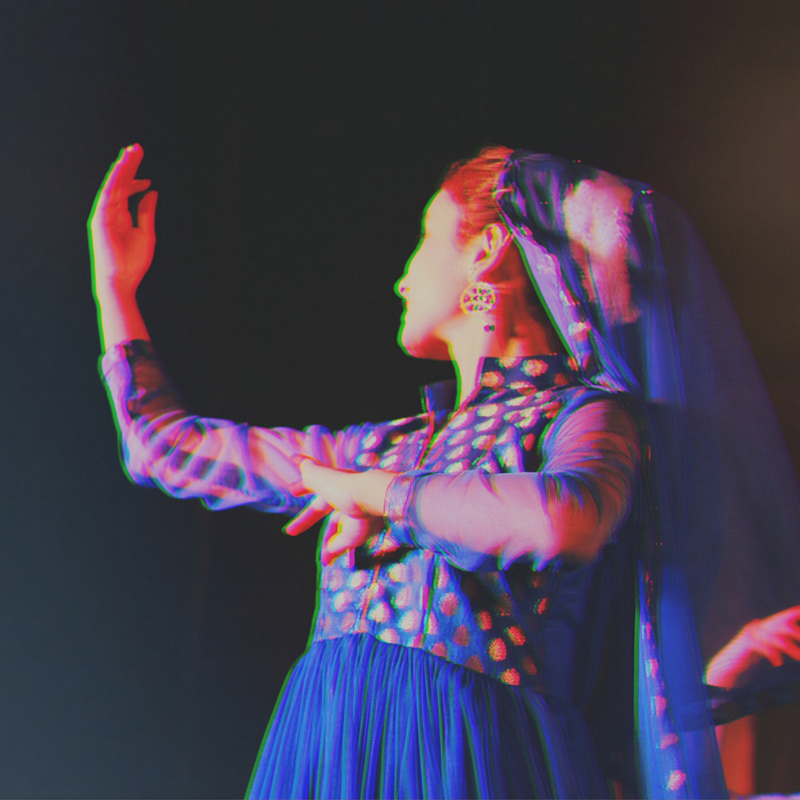
royal blue anarkalis with golden brocade work,

heirloom gold jewelry softly kissing the swan-like necks and dainty wrists,

fingers laden with antique rings that were once the pride of a queen’s dowry,

mang tikas glittering just above the bindi,

on the center of a soft brown forehead.

dark eyebrows, kohl-rimmed coffee-black eyes,

cheeks softly blushing because of the eye contact

with the Shahzada standing across the room.

lips wine-red from the anaaj sharbat,

full with a til on the underside.

it is the phoolwalon ki sair

and Dilli is all decked up

like a bride on her wedding night.

marigolds and jasmine garlands

stark against black hair in buns and braids,

and a whiff of attar, arousing passion

in the Shahzada who passes by.

the nosepin that falls on your lips is a temptation.

a sight to behold.

and you are a queen holding court.

amidst jewels and flowers.

A Brief Historical Note:

Dillia colloquial pronunciation of Delhi

Anarkalis — a type of traditional attire for women in which the top is a flowing frock-like garment

Mang tikas — a type of jewelry worn on the forehead

Bindi — a circle of colour paint drawn on the forehead for decorative purposes

Shahzada — a prince

Anaaj — pomegranate

Til — a mole

Phoolwalon ki sair — literally the ‘procession of the florists’, this is an age-old secular festival (from the days of the Mughal Emperors until today), where Muslim and Hindu florists alike led a procession to Yogmaya Temple, and then to the Dargah of Sufi saint, Khwaja Bakhtiyar Kaki. Spanning over three days, these flower sellers pray for a better flower season in the coming year. It is held in September.

Attar — non-alcoholic perfumes in oil form, attar is sourced from botanical oils of flowers, herbs, and spices.

Nayanika Saikia graduated summa cum laude with a Bachelor’s degree in English Literature and was also a Dean’s List student. She is currently pursuing her Master’s degree. At the moment, she is working as a Booktuber, blogger, and reviewer with various national and international publishers. She can often be found on her Instagram account Pretty Little Bibliophile.

Fiction
Indian
Imagination
Poetry
Creative Nonfiction
Recommended from ReadMedium