
OPINION | AI & SOCIETY
Digital Marylin: The Rise of Virtual Immortality and the Avatar Collective
From Soul Machines to the digital beyond, the creation of ‘Digital Marilyn’ ignites a global conversation on the future of memory, ethics, and the potential for a digital hereafter.
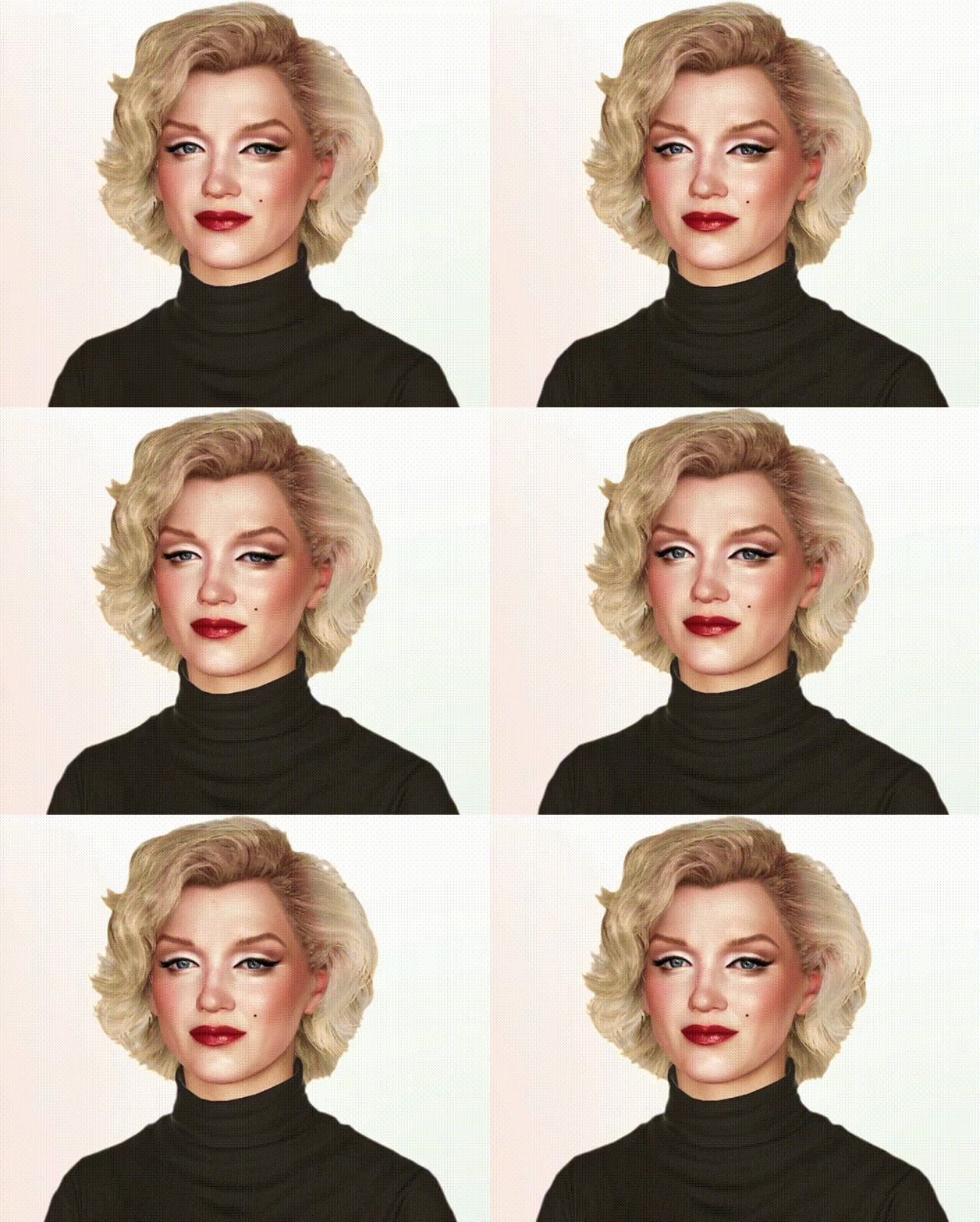
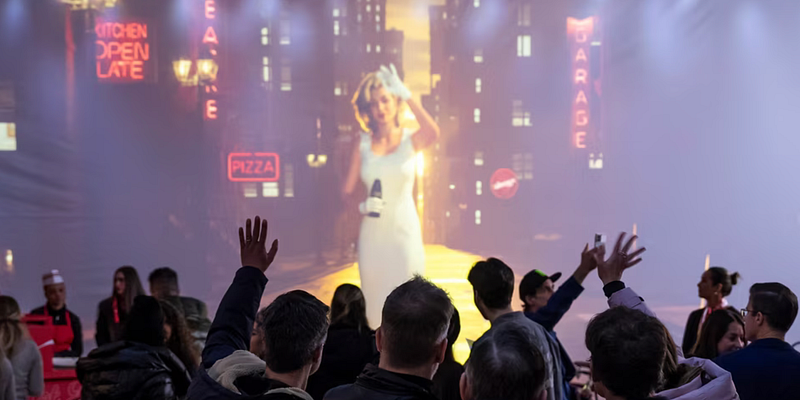
The recent debut of a digital double of Marilyn Monroe, referred to as “Digital Marilyn,” has generated considerable attention and debate. This digital double has been created by Soul Machines in partnership with Authentic Brands Group, which owns the rights to Monroe’s likeness. Digital Marilyn was unveiled at the South by Southwest (SXSW) tech conference 2024 in Austin, Texas, offering fans a new way to interact posthumously with the iconic actress who passed away over 60 years ago[1][3][4][5].
Digital Marilyn can read users’ emotions and respond accordingly via Soul Machine’s proprietary camera and microphone technology, the company said. “Every interaction is unique. Digital Marilyn analyses your preferences and tailors her responses accordingly, fostering a genuine connection that resonates with you on an individual level,” according to Soul Machines, which says the average conversation length with its digital double is 20 minutes[2].
According to the Soul Machines, Digital Marilyn’s AI capabilities enable her “to engage in natural, fluid dialogue, adapting to your questions and interests in real-time… Mimicking the human nervous system, this technology allows Digital Marilyn to respond with realistic emotions and nuanced expressions, creating a deeply personal and memorable experience.”
The Birth of the Digital Clone
Digital Marilyn utilizes advanced natural language processing, deep learning, and GPT 3.5 to interact with fans in real-time, delivering responses in Digital Monroe’s voice and style[3][4]. The project aims to showcase, how the transformative power of AI can connect brands and consumers, bringing iconic personalities to life through engaging live dialogues and certain concepts of emotional intelligence[3][6].
But, the initiative has also raised a wave of ethical concerns regarding the digital resurrection of deceased celebrities without their explicit consent[4]. Critics argue that such practices, while preceding any potentially necessary legal framework, capitalize on a human’s digital likenesses, by historical data usage, training and inference, without definitive permission. This usage pattern raises questions in an entirely new dimension, about the exploitation of a person’s legacy[4].
Despite these concerns about such unprecedented posthumous marketing, proponents see Digital Marilyn as a step forward in extending the ability to monetize celebrities even after their death. They argue fostering a deeper connection and appreciation for their enduring spirit and legacy[6].
Following this trajectory, it will be soon conceivable that individuals could create digital doubles or clones of themselves to posthumously interact with real others. This concept, often referred to as “digital resurrection” or in its extensive form “digital immortality,” involves creating a digital clone synthesized and inferred from both digital and non-digital personal historical data corpora[7]. Companies like former Eternime, “You, Only Virtual” (YOV), and Project December have already offered services that allow individuals to create chatbots or digital personas, also called versonas, based on their digital footprint, text messages, emails, and voice conversations[7][8][9][10][11].
However, there are significant ethical, legal, and particularly psycho-social and emotional considerations associated with posthumous digital cloning. Issues of consent, privacy, and the potential for misuse of a deceased person’s likeness are complex and not appropriately and in their entirety addressed by current laws[7][8][9].
For instance, the data used for clone creation might incorporate copyrighted materials or expose directly or indirectly, through training-based inference, private information[7]. Furthermore, it is absolutely unclear how posthumously AI-inferred audiovisual data on humans can be protected by any law. The digital clone could, in fact, make statements or engage in actions that are incompatible with the deceased's values or morals, both during life and projected onto the global scene after death[7]: How would Marylin, after 60 years, think or feel about this and that if she were alive and had passed sixty years more of experience and development? Nobody knows, but AI infers nonetheless a unique manipulative scenario, which would fit branding, marketing, or other fixed objectives best, and convincing the fans to believe into a subjective probability.
To mitigate some of these concerns, in a rather trivial first instance, it has been suggested that individuals could freely express their intentions regarding digital resurrection in their wills. However, honestly, the effectiveness of such directives varies by legal jurisdiction and is not yet fully supported by empirical evidence[7][9]. Furthermore, there does not exist an adequate and comprehensive legal framework that would capture the entirety of the complexity of such cases and its potential risks. Nevertheless, it has been indicated that the societal acceptability of digital resurrection appears to be higher when at least the deceased has given explicit consent[9].
The Rise of Virtual Animism
The posthumous creation and interaction with digital doubles or clones could have profound effects on relatives and society at large. It can influence dramatically societal norms, psychological well-being, and raise vast ethical considerations.
For relatives, or maybe fans of celebrities, interacting with the digital version of a deceased loved one could be a way to deal with grief. It might serve as a comforting bridge for those struggling with loss, providing a sense of continuity and presence. However, there are potential psychological risks, such as prolonging the grieving process or creating an unhealthy or even obsessive attachment to the digital persona. This in turn might hinder the natural course of grief and acceptance of the physical reality and finality of death.[13][14][15]. This could be a result of a process wherein fervent desires would replace reality with a digital illusion. We know from fan communities that psychologies of fans can deviate from an extreme during the lifetime of their idols, which could be further created and expanded posthumously through AI digital doubles. Artificial intelligence in the form of avatars could significantly enhance psychological effectiveness, comparable to synthetic versions of psychoactive substances. In other words, the process resembles a drug design with target effects on individual and mass psychology. It can be precisely designed and applied for specific purposes and tasks in branding, marketing, or any target objectives, including personal, business, or even political aims.
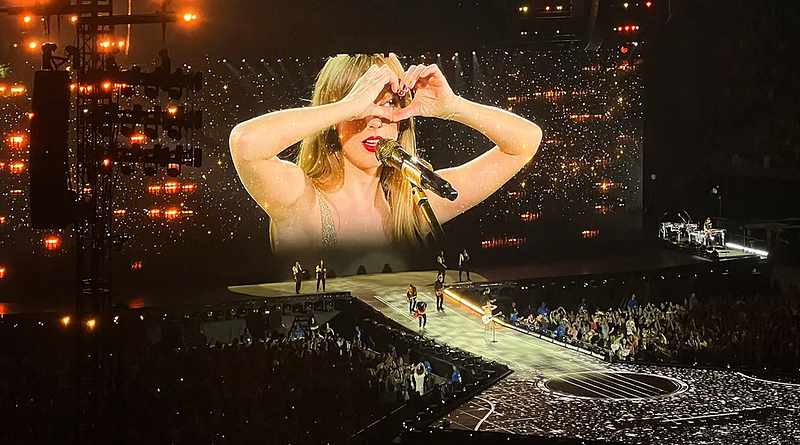
On a societal level, the widespread adoption of posthumous digital doubles could critically challenge current norms and myths around death and remembrance. It might lead to new forms of memorialization and change how society and future generations would deal with loss and memory, while projecting aspects of the real past into a virtual present. This may result in a kind of blurring between reality and “virtuality”, engaging the evolutionary distinguished motivation of human’s blueprint of myth building capabilities, through manifestation of societal group consensus. The blending of digital and physical realities could affect how individuals perceive and engage with the world around them, both as individual and society, in the future[17][18].
Indeed, we can elaborate on a new era which I call “virtual animism” accompanied by new forms of digital mysticism, cult, and faith by Sapiens. Natural animism, which manifests through pure imaginative powers of the psyche embedded in real objects, symbols, and rituals. Virtual animism, in contrast, constitutes virtual avatars and virtual spaces, which can be experienced physically through human senses, for instance audiovisually or by augmenting reality.
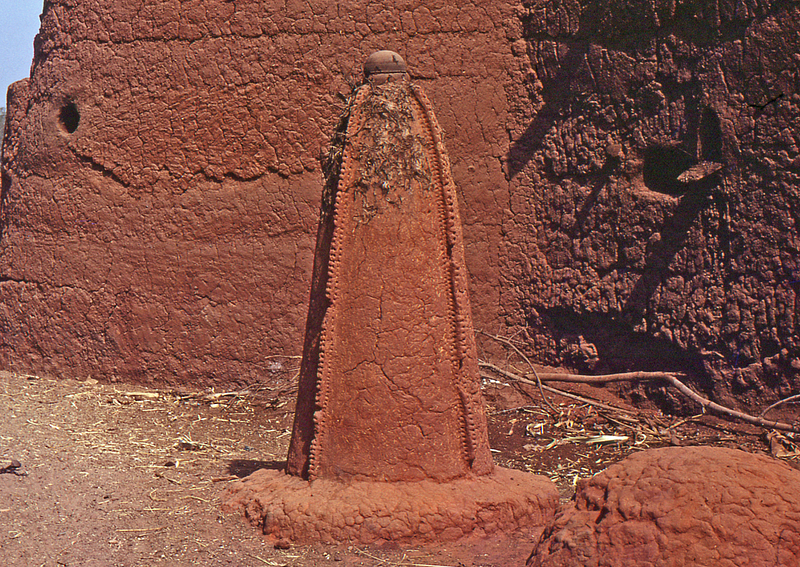
⚡️“Animism: belief in innumerable spiritual beings concerned with human affairs and capable of helping or harming human interests. Animistic beliefs were first competently surveyed by Sir Edward Burnett Tylor in his work “Primitive Culture” (1871), to which is owed the continued currency of the term. — Britannica

Ethically, this phenomenon not only raises serious questions about primary legal aspects such as consent, privacy, and the dignity of the deceased[12][14][7], but it also challenges an entire spectrum of societal norms and morals. This can be abstracted as a living society in coexisting with its own immortal memento. Indeed, in a potential future scenario where digital doubles of individuals can interact and create digital representations of their relationships and society across multiple generations, the effects on relatives and society could be significant and extremely complex.
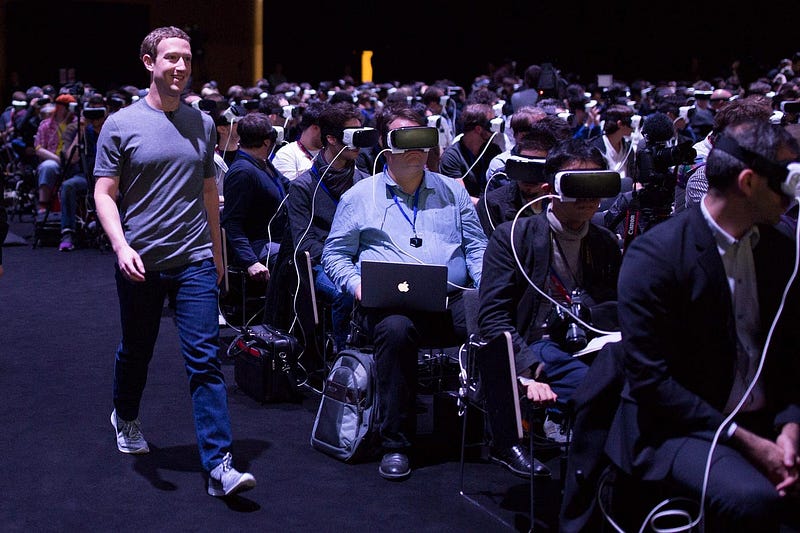
The concept of a virtual network society suggests that digital technologies change how society is organized and how social interactions will develop and occur[16]. The presence of digital doubles could influence human behaviour entirely, as people adapt to interacting with AI entities that represent individuals with strong relation to them[17][18]. Effectively designed digital doubles could also be applied to manipulate and control by enhancing or hindering relationships, depending on how they are dynamically integrated into social practices and patterns[16][19]. Practically, posthumous doubles might interact with each other, similar autonomous agents, at some stage of development, and continue to evolute and persist. Practically speaking, Marylin may have the opportunity to establish a virtual network and assume a role in a novel film or video game one day.
The interaction of digital doubles could lead to new forms of social dynamics, where digital personas continue to influence societal trends and norms[16]. Not only, there may be shifts in cultural practices related to remembrance and legacy, with digital doubles becoming a new form of heritage. New social behaviours, practices, and traditions can arise, nurtured by hybrid cultural drivers in the society.
But digital doubles could also become a new form of cultural heritage, with digital representations of societal interactions preserved over generations. The networked interactions of digital doubles could serve as a dynamic historical record of societal changes and relationships[16].
However, the future developments might be, the emergence of posthumous digital doubles does require new regulations and laws to address two classes of concerns. On one hand, the rights of the deceased and their families, data protection, and the ethical use of AI in creating these digital entities must be considered[12][7]. On the other hand, there’s an urgent need for frameworks that balance the risks and benefits of digital doubles regarding their interaction with and effects on the entire society and human psychology[14][7].
The Avenue of a Parallel Avatar Collective
Digital doubles interacting and building a digital representation of relationships and society over generations could indeed lead to a parallel avatar collective. I consciously call it a collective, to emphasise that at a certain developmental stage the AI-generated doubles can gain certain autonomy as avatars combined with the capacity to interact with other avatars, similar autonomous interactive agents. This virtual development, particularly if combined with augmented reality capacities, would have profound implications for how we understand social interaction, identity, and community.
Interacting with digital doubles could alter our perception of relationships and community, potentially blurring our collective consensus and lines between digital and physical realities. This could affect our perception of relationships and community. For some individuals, this might offer new ways to explore identity and social dynamics with fewer constraints than of a physical world[21][23]. However, it could also lead to challenges in distinguishing genuine emotional connections from those formed with digital entities, impacting mental health and our understanding of human relationships[24].
The continuous interaction with digital doubles and a parallel avatar collective could influence human psychology and behaviour significantly, potentially altering our sense of self and how we relate to others[24][25]. The distinction between self and avatar might become increasingly blurred, which could impact on self-perception and our social behaviour[25]. Consequently, the formation of a parallel avatar collective could lead to significant shifts in how we conceive of community, identity, and even governance[21][23]. Associated digital spaces could become arenas for political and social engagement, challenging traditional notions of citizenship and public space[23].
The possible emergence of a parallel avatar collective, however, raises significant ethical questions, particularly around data privacy, consent, and the representation of individuals and their relationships[20][22]. There would be serious concerns about who controls these digital spaces and the narratives within them, potentially leading to issues of digital inequality and manipulation[26].
Despite such concerns, a parallel avatar collective could revolutionize social interaction, offering immersive experiences that transcend physical limitations[21][23]. This could foster a new form of global community, where geographical and physical barriers get less relevant, and social interactions can be facilitated or mediated by digital doubles or avatars and environments[23].
Final Thoughts
The technology behind posthumous digital clones advances, but its wider implications for society and its acceptance remain uncertain. With the legal and regulatory frameworks lagging, a concerted effort is needed to address the ethical, privacy, and consent challenges head-on.
The launch of Digital Marilyn showcases the dual-edged sword of AI in resurrecting famous personalities. It serves as a case study for the ethical debates surrounding digital resurrection, particularly in the entertainment sector, highlighting the urgent need for a balanced discourse. The notion of digital immortality elicits significant apprehensions regarding the security and privacy of information and the potential for data exploitation. It is of paramount importance to safeguard the information that breathes life into these digital personas, prompting us to question who oversees the deceased's digital legacy and the mechanisms in place for its protection.
These advances could fundamentally transform our approaches to memory, grief, and concepts of the afterlife, providing new avenues for coping with loss and preserving heritage. However, to deal with the ethical, psychological, and legal dilemmas they cause, we need to think carefully and work together.
In a hypothetical future, the creation of digital duplicates could result in the creation of a comprehensive digital representation of our society, thereby signalling the emergence of a parallel realm of collective avatars over generations. This development invites us to reimagine the fabric of social interaction, identity, and community in the new digital age.◼︎
Sources
[1] Some Like It Bot: Realistic digital Marilyn Monroe to make debut at tech conference https://www.ctvnews.ca/sci-tech/some-like-it-bot-realistic-digital-marilyn-monroe-to-make-debut-at-tech-conference-1.6799870 [2] AI-Generated Marilyn Monroe Chatbot Can Hold an Extended Conversation With ‘Realistic Emotions’ and Expressions, Company Claims https://ca.movies.yahoo.com/ai-generated-marilyn-monroe-chatbot-170556628.html [3] AI Version of Marilyn Monroe Unveiled at SXSW https://www.hollywoodreporter.com/news/general-news/marilyn-monroe-ai-backlash-digital-marilyn-1235846845/ [4] AI Marilyn Monroe adds to the list of dead celebrities digitally resurrected without consent https://ca.news.yahoo.com/ai-marilyn-monroe-adds-to-the-list-of-dead-celebrities-digitally-resurrected-without-consent-184554216.html?guccounter=1 [5] Some like it bot: Realistic Marilyn Monroe Al image to makes debut at tech conference https://tech.hindustantimes.com/tech/news/some-like-it-bot-realistic-marilyn-monroe-ai-image-to-make-debut-at-tech-conference-71709956632740.html [6] AI Marilyn Monroe Marks Another Step Forward In Extending Celebrity Brand Value Beyond The Grave https://ca.movies.yahoo.com/movies/ai-marilyn-monroe-marks-another-003415402.html [7] Iwasaki, Masaki. “Digital Cloning of the Dead: Exploring the Optimal Default Rule” Asian Journal of Law and Economics, vol. 15, no. 1, 2024, pp. 1–29. https://doi.org/10.1515/ajle-2023-0125 [8] The Emerging Reality of Digital Resurrection: An In-depth Examination https://www.freeastroscience.com/2024/01/the-emerging-reality-of-digital.html?m=1 [9] Resurrection consent: New study on attitudes to digital cloning of the dead https://www.eurekalert.org/news-releases/1030295 [10] Staying Alive in the AI Death Tech Industry https://www.linkedin.com/pulse/staying-alive-ai-death-tech-industry-ginger-liu-m-f-a-?trk=public_post [11] You Can Now Create a Digital Clone of Yourself with Eternity.AC, an AI Startup Paving a Path to Immortality https://www.techpowerup.com/315831/you-can-now-create-a-digital-clone-of-yourself-with-eternity-ac-an-ai-startup-paving-a-path-to-immortality [12] Buitelaar, J.C. Post-mortem privacy and informational self-determination. Ethics Inf Technol 19, 129–142 (2017). https://doi.org/10.1007/s10676-017-9421-9 [13] The Ethics and Impact of Digital Immortality https://core.ac.uk/download/pdf/158977994.pdf [14] The Digital Afterlife: The Ethical Conundrum of Immortalizing the Dead as Virtual Avatars https://www.linkedin.com/pulse/digital-afterlife-ethical-conundrum-immortalizing-dead-mark-laurence [15] Digital Immortality: An Afterlife in Digital Clouds https://www.humanityredefined.com/p/digital-immortality [16] Social Relationships in the Network Society https://www.im.uu.se/research/projects/socia-relationships-in-the-network-society/ [17] S Shyam Sundar, Rise of Machine Agency: A Framework for Studying the Psychology of Human–AI Interaction (HAII), Journal of Computer-Mediated Communication, Volume 25, Issue 1, January 2020, Pages 74–88, https://doi.org/10.1093/jcmc/zmz026 [18] The Effects of Technology on Human Interaction: How Digital Advances Shape Our Relationships https://www.linkedin.com/pulse/effects-technology-human-interaction-how-digital-advances-dilbar [19] The Impact of New Media Technologies on Social Interaction in the Household https://www.maynoothuniversity.ie/sites/default/files/assets/document/SiobhanMcGrath.pdf [20] BlockNet: Beyond reliable spatial Digital Twins to Parallel Metaverse https://www.diva-portal.org/smash/get/diva2:1662535/FULLTEXT01.pdf [21] Novak, R. (2022). The Rise of the ‘Immersive Virtual Online Avatar Society’: Does an Online Community Established in the Virtual Space Constitute a ‘Real’ Society?: Visual Technologies as a Panacea for Social Isolation. Video Journal of Education and Pedagogy, 6(1), 1–19. https://doi.org/10.1163/23644583-bja10023 [22] Zhihan Lv, Liang Qiao, Yuxi Li, Yong Yuan, Fei-Yue Wang, BlockNet: Beyond reliable spatial Digital Twins to Parallel Metaverse, Patterns, Volume 3, Issue 5, 2022, 100468, ISSN 2666–3899, https://doi.org/10.1016/j.patter.2022.100468. see also [20] full text access https://www.diva-portal.org/smash/get/diva2:1662535/FULLTEXT01.pdf [23] Virtual community https://en.wikipedia.org/wiki/Virtual_community [24] Digital doubles: In the future, virtual versions of ourselves could predict our behaviour https://theconversation.com/digital-doubles-in-the-future-virtual-versions-of-ourselves-could-predict-our-behaviour-186627 [25] Kai Tai Chan, Emergence of the ‘Digitalized Self’ in the Age of Digitalization, Computers in Human Behavior Reports, Volume 6, 2022, 100191, ISSN 2451–9588, https://doi.org/10.1016/j.chbr.2022.100191. [26] (3.) Themes: The most harmful or menacing changes in digital life that are likely by 2035 https://www.pewresearch.org/internet/2023/06/21/themes-the-most-harmful-or-menacing-changes-in-digital-life-that-are-likely-by-2035/


