
Digital Eating Disorders: Is it Possible to Have a Balanced Social Media Diet?
7 consequences of consuming too much social media in our lives and society
Can’t read the full story? Read it here.
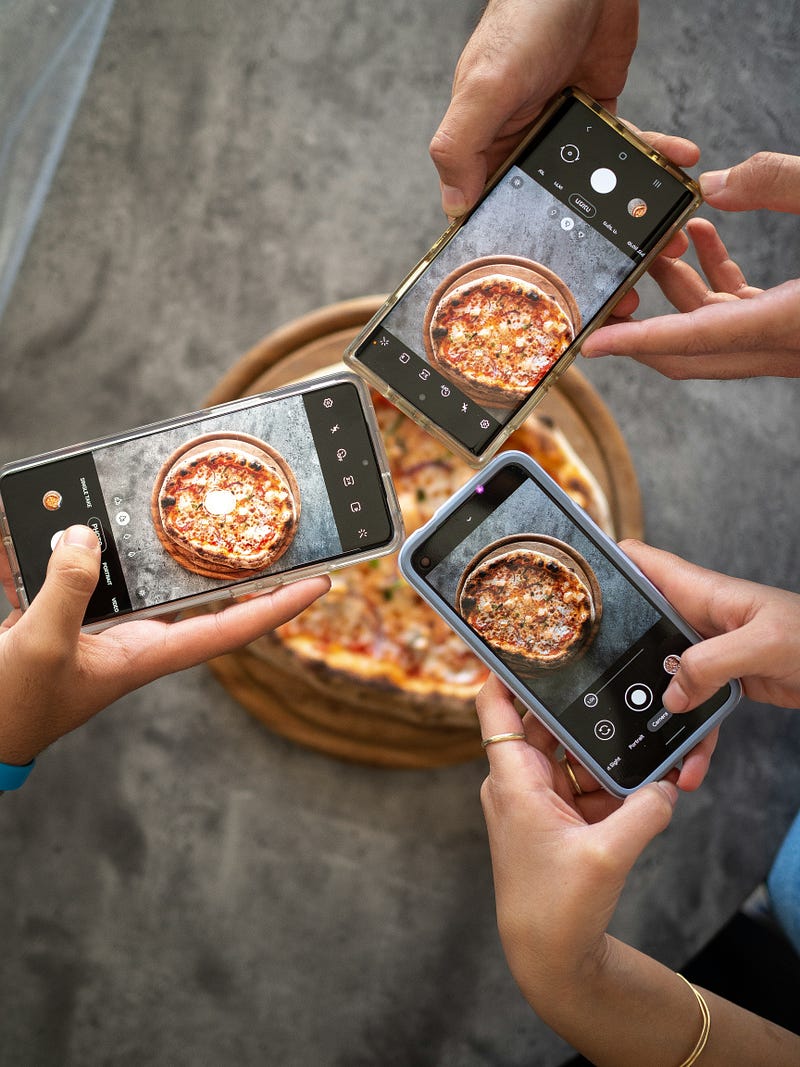
In an era where digital connections have become the norm, the art of face-to-face communication is facing a silent retreat. The temptation of social media, with its convenience and wide reach, is undeniable.
However, this shift towards virtual interactions carries profound implications for our social skills, emotional intelligence, and the quality of our relationships.
As we navigate the complexities of our digital lives, it’s imperative to have awareness of the multifaceted impact of social media.
By engaging in meaningful discussions and advocating for a balanced digital diet, we can harness the benefits of connectivity.
And we can do it without losing sight of what makes us human: our ability to connect, empathize, and engage with each other in the real world.
It’s clear that social media is a double-edged sword within modern society.
On one hand, it has revolutionized the way we connect, share, and access information, knitting the global community closer than ever before.
Yet, on the flip side, we’re faced with a myriad of challenges that stem directly from our online engagements.
These challenges, ranging from cyberbullying and the erosion of self-esteem to the nuances of addiction and the erosion of privacy, cast long shadows over the digital realm.

1. The Hidden Cost of Convenience
As social media cements its role in our daily lives, a noticeable decline in direct human interactions emerges.
This reduction not only hampers the development of deep, meaningful connections but also erodes our social and emotional faculties.
The question arises: Are we replacing the depth of our relationships with enticing feasts of our favorite digital networks?
2. The Chains of Digital Addiction
The grip of social media addiction is tightening around the global populace.
The constant barrage of notifications and the endless scroll through feeds have created a digital vortex that’s hard to escape.
This compulsion often sidelines real-life responsibilities, creating a ripple effect of decreased productivity. And just like a food addiction, it can lead to heightened feelings of depression and anxiety.

3. The Dark Alleys of Cyberspace: Bullying and Harassment
Cyberbullying and harassment have found a fertile ground on social media platforms.
Shielded by anonymity, individuals inflict harm without immediate repercussions.
And they leave behind a trail of emotional devastation.
Victims often grapple with severe stress, plummeting self-esteem, and, tragically, in some cases, consider suicide.
4. The Comparison Trap
Social media is a double-edged sword that not only connects but also compares. It can feel like the wounds we open when we compare ourselves to the fit movie star or fitness personality.
The relentless showcase of curated lives fuels envy and dissatisfaction, chipping away at our mental health.
This constant comparison can spiral into deep-seated issues like depression and anxiety, highlighting the need for a balanced approach to digital consumption.
5. Cyberstalking: A Shadowy Pursuit
The veil of anonymity on social media also facilitates cyberstalking and harassment, casting a long shadow over the lives of victims.
These actions not only cause psychological trauma but also bring about severe legal consequences for the perpetrators, underscoring the dark side of digital anonymity.

6. The Paradox of Social Connectivity
Ironically, while social media bridges distances, it also fosters social isolation.
The more time we spend locked in our digital worlds, the more we drift apart from genuine human connections, leading to a pervasive sense of loneliness and disconnection.
7. The Quest for Digital Approval
In the quest for likes and followers, social media often presents a polished, unrealistic view of life, leaving many feeling inadequate and dissatisfied.
It’s similar to that sweet dessert that looks so tempting, but rarely leaves us fulfilled or satisfied.
This skewed perception can severely impact self-esteem and mental health, sparking a crucial conversation about the influence of digital validation on our self-worth.

The decline in face-to-face interactions, burgeoning self-esteem issues, and rising social isolation are not just side effects; they’re stark realities of the digital age.
Additionally, cyberstalking, harassment, and the incessant comparison fueled by meticulously curated online personas further exacerbate the situation, underscoring the pressing need for a critical evaluation of our digital diets.
Acknowledging these issues is the first step towards cultivating a healthier, more balanced consumption of social media.
It’s imperative that we embark on a collective journey to mitigate these adverse effects.
By fostering an environment that prioritizes mental health and well-being, we can transform social media into a tool that not only connects us but also supports a safe, healthy, and uplifting society.
As we forge ahead, let’s commit to use social media with intention and purpose.
And let’s champion digital spaces that encourage positive interactions and authentic connections.
Together, we can navigate the complexities of the digital age, ensuring that social media serves as a bridge to a healthier community.
Thanks for reading! I welcome your feedback.
Hold on a second! You should get my stories in your inbox. Subscribe here.
And don’t forget to grab your FREE copy of my NEW eBook — 3 Simple Steps to Write Great Headlines & Hooks
Connect with me on X (Twitter) @BrettDoesWrite


