
Data Driven Art
Digital artists are against AI art
Machines are reshaping the world of art
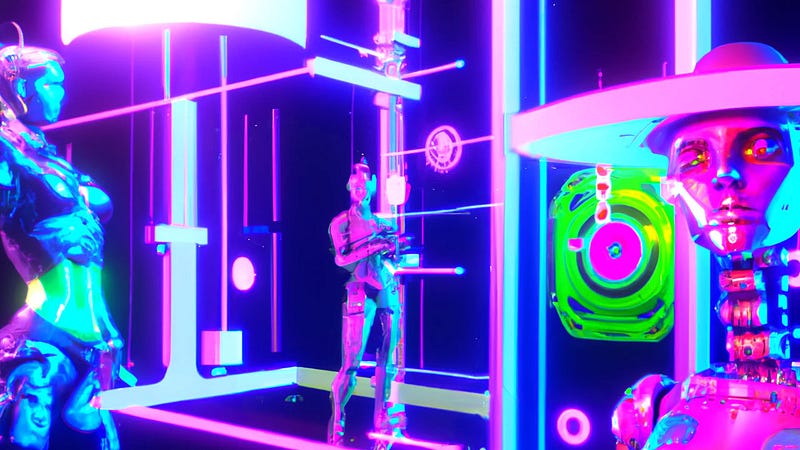
With machines like AI art generators getting increasingly sophisticated, the “traditional” way of doing things is looking to be left behind. This creative new trend in the art world has been met with no shortage of controversy from digital artists who are worried that they won’t be able to compete against this new technology. Still, some artists see it as an opportunity for experimentation and innovation.
But how did this all begin? And why haven’t we seen this before?
A Tool To Explore A Possible Future
The impact of Machine on Creative Practices
Nearly 200 years ago, photography began its influence on the creative process. Many consider 1839, when Louis-Jacques-Mandé Daguerre first appeared, to be the year of its inception. However, technology changes processes over decades like photography or in a matter of months like AI generators.
AI canvas that goes on forever
Machine Learning and creativity have much in common. The trend is clearly visible in the world of digital art. Adding AI to the traditional toolkit has enabled a new kind of fluid and adjustable creativity. It can also be used by artists without requiring much technical background knowledge. This blend of technical and creative roles is valuable for any artist or designer who wants to try something innovative and ground-breaking.
The influence of AI tools on Artists
It will take years for art critics to see the effects of AI art generators. Human creativity drives history. This is the reason we have seen so many different styles and movements in art. All of them have their own stories and reasons for being created.
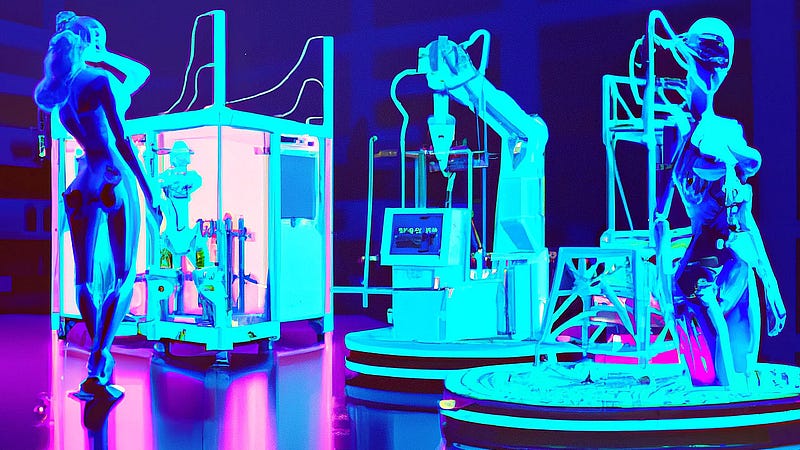
The “traditional “art
AI art generators can challenge traditional artists who work with tools like paint, gold leaf, or even charcoal on paper. One of the main issues bothering the creative community is that it does not require artists to understand how Machine Learning works.
No one uploaded their work to the internet with the expectation that it would be used to train AI. That’s it. It’s that simple. Logan Preshaw
Amazingly, the biggest opponents of art generators are digital artists. It is a similar phenomenon to the IT departments in companies. They are the ones who see all machine learning solutions as a threat to the status quo. On the other hand, it can be a way to reach elite status for artists who do not use technology.
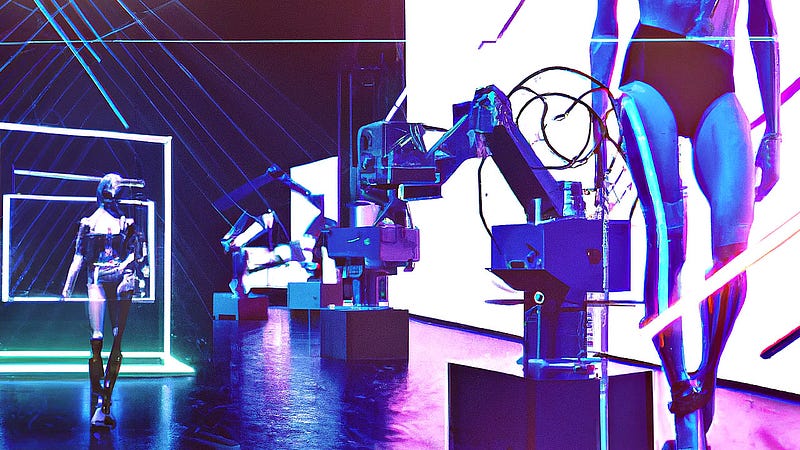
The future of art
Creativity, in the end, is most valuable when it’s impossible to predict. The rise of the next quantum AI art generators will certainly not be something we expect. That makes the excitement of anticipation even more significant. This new trend in the art world may result in a fusion between technology and talent. What AI art will get us, we will surely see soon. It will certainly not be something we predicted.