avatarJameses Tech

Free AI web copilot to create summaries, insights and extended knowledge, download it at here

4220

Abstract

medium.com/v2/resize:fit:800/1*athFT8eeXzq23VrvsIeQQg.jpeg"><figcaption><i>Image taken from<a href="https://videoandfilmmaker.com/wp/index.php/tutorials/director-prepares-visual-script-breakdown/"> Video & Filmmaker</a></i></figcaption></figure><p id="2a43">Meanwhile, the producer’s job is to provide support to the director, by assembling a team and finding resources that fits their vision best. This includes compiling an ideal list of possible casts and crew, raising sufficient funds and all in all, managing the logistics of the entire production, and the details in between. For example, in a film like Parasite where the story progresses largely in the house, producers have to find the right people to design or find a place that matches what the director is looking for best, as well as to provide relevant information and options of the location that would contribute to what the director might want to convey.</p><p id="7d8c">Many a time, unlike the director who often has the team working around him, doing their jobs based on the artistic direction he has, the producer works around the team instead, leading them and providing help and support to achieve the best of everyone’s effort for the best outcome of the final product.</p><p id="ad4e"><b>Stage 2: Production </b>(aka Principal Photography)</p><figure id="c458"><img src="https://cdn-images-1.readmedium.com/v2/resize:fit:800/1*bvT-Tgb-Ye5Rw0yFZ9RtRA.jpeg"><figcaption><i>Image taken from <a href="https://www.studiobinder.com/blog/8-production-hacks-for-2nd-ads-on-a-film-set/">StudioBinder</a></i></figcaption></figure><p id="0647">3,2,1….Action!</p><p id="9eae">If there is a thrilling part of the shooting of an advertisement or film, it will definitely be this one. This is when all the preparation is done, and all the materials to craft the final product are all readily laid out and to be used to achieve the mood and storytelling of the film project.</p><figure id="863b"><img src="https://cdn-images-1.readmedium.com/v2/resize:fit:800/1*[email protected]"><figcaption><i>Director <a href="https://www.google.com/search?rlz=1C1CHBF_enSG810SG810&amp;sxsrf=ALeKk03leTMwzdViiMKiruGLp2BfHklRAw:1593505621361&amp;q=Colin+Trevorrow&amp;stick=H4sIAAAAAAAAAONgVuLSz9U3SK_ILS_OfsRoyi3w8sc9YSmdSWtOXmNU4-IKzsgvd80rySypFJLgYoOy-KR4uJC08Sxi5XfOz8nMUwgpSi3LLyrKLwcAE-fvXVgAAAA"><b>Colin Trevorrow</b></a><b> </b>for Jurassic World (Image taken from Collider)</i></figcaption></figure><p id="973b">Arguably, the director is the key figure here — having to communicate with his team and cast to convey what he has prepared and briefed them on before. Other than simply shouting “Cut!”, this is the time he has to experiment and pull out different ways to ensure what he has envisioned during the pre-production stage will come to life.</p><figure id="cc92"><img src="https://cdn-images-1.readmedium.com/v2/resize:fit:800/1*RqVzNcl6Y-zzg7DNRP6j1Q.jpeg"><figcaption><i>Image taken from <a href="https://nofilmschool.com/2015/12/short-or-not-to-short-3-things-think-about">No Film School</a></i></figcaption></figure><h1 id="6c63">Keeping things in order</h1><p id="8496">In the stage from pre-production to production, the producer’s job is to communicate with clients, stake-holders, crew and the director to make sure the requirements of the boundaries and materials are met. In situations where restrictions or requirements of content are laid by clients or sponsorship, the producer has to step in to convey the message to the crew and director, so as to ensure the funding and screening is made possible after the filming is completed.</p><p id="33bc">One great example of this is how films sponsored by the electronics brand “Apple”, require only the good characters to use their products — in which producers have to ensure no on-screen villain comes in possession of their sponsor’s gadgets when the cameras are rolling.</p><p id="df62">At the same time, the producer also has to ensure the welfare of the entire team is met, and for the set to run as smoothly as possible.</p><p id="779c">As a whole, this is the phase where the director runs the story and execution, while the producer runs the set in areas of logistic and welf

Options

are.</p><p id="5112"><b>Phase 3: Post-Production</b></p><figure id="95bc"><img src="https://cdn-images-1.readmedium.com/v2/resize:fit:800/1*0YA91orZIi-m2H6mufQcLw.jpeg"><figcaption><i>Image taken from <a href="https://movingimage.my/post-production-steps-a-must-know/">Moving Image</a></i></figcaption></figure><p id="444e">Far from a breather, the period of time after the principal photography is as significant as it is exhausting. With footages available and resources attained made to its full use, what’s left to complete is the final product’s editing and distribution.</p><p id="4db6">The director overlooks the edits and quality of the final product, working closely with the video editor to manage the creative outcome of the piece. The director works very closely with the editor to ensure that film reaches its greatest potential of both the script and the vision that he has set in the pre-production stage.</p><h1 id="45a1">A Game Changer</h1><p id="0e19">As I got into filming projects and was involved very much in this post-production process, the biggest game-changer for me when I realized how much scripts are can actually be rewritten or overhauled in the post-production lab.</p><p id="1767">Just like a pirate on a ship, editing allows the usage of effects, music, and sound effects to give emphasis or steer the film piece to another direction through the editing.</p><p id="eeaa">Just imaging playing music while picturing a person running. If you insert tense music, it might feel like a chase, while having joyous music would feel like it is leading to a happy ending.</p><figure id="0393"><img src="https://cdn-images-1.readmedium.com/v2/resize:fit:800/1*K8thrJYAJ-QvhrbXtiGOnw.jpeg"><figcaption><i>Image taken from <a href="https://en.blog.kkday.com/29586/youtube-is-holding-a-free-online-film-festival-featuring-more-than-20-partners-including-cannes-sundance-and-tribeca">Kkday</a></i></figcaption></figure><p id="093a"><b>Outside the Editing Studio</b></p><p id="95f3">The producer, in turn, looks after the distribution, and in general, to make sure that all the hard work that is done will go somewhere where it can achieve its greatest potential. This includes screenings, festivals, and competitions, where its openings and entries are often made possible through a producer’s networking and contacts.</p><figure id="3193"><img src="https://cdn-images-1.readmedium.com/v2/resize:fit:800/1*4hcmYDmEz8PJ1BLUXYK7sQ.png"><figcaption><i>Producer <b>Howard Rosenman </b>(<a href="http://www.nyfa.edu">www.nyfa.edu</a>)</i></figcaption></figure><p id="cde0">Clearly seen in Call Me By Your Name, a film that gained its fame and accolades after being recognized due to the decision of producers, Peter Spears and Howard Rosenman to release it in the Sundance Film Festival, a producer’s work put into distribution is the pivot point to the future of both completed films, videos or TV shows.</p><p id="2f75">While the director is piecing together footage for the final outcome, the producer is piecing the final outcome to be ready for the public.</p><p id="a00c"><b><i>Let the Credits Roll.</i></b></p><figure id="397f"><img src="https://cdn-images-1.readmedium.com/v2/resize:fit:800/1*OBT0qSQ0GG9xXQbHfmfffQ.jpeg"><figcaption><i>Image taken from <a href="https://www.latimes.com/entertainment/envelope/la-et-mn-oscars-2017-gold-standard-20170226-story.html">Los Angeles Times</a></i></figcaption></figure><p id="1064">In the film industry, there are a million things that producers and directors have to do differently but they are indispensable to a film project. Just like building a house, the producer buys the land and resources while the director builds the house.</p><p id="6040">Writing this article has certainly given me great clarity of the roles and has reminded me of a clear difference between the roles of the two and I hope it has done the same for you. They are indeed important and indispensable to one another in the process of creating a film.</p><p id="1af6"><i>(If you are interested, we will be creating a separate article for those aspiring to be a producer or director so stay tuned….)</i></p><p id="a43f"><a href="undefined">Tree Langdon ♾️</a></p></article></body>

Key Differences between a Director and a Producer

Ever since I was a child, I have always enjoyed watching film and TV award shows. It was the time I was able to see celebrities out of their acting roles and cheering for each other, like a crossover among every actor or actress I have admired.

However, as someone who has walked out of the cinema during the credits roll, I never understood why the ceremonial segment of the “Best Director” received as much applause as the cast did, and why the person receiving the “Best Film” award was never the main cast but a person known as the ‘’Executive Producer’’.
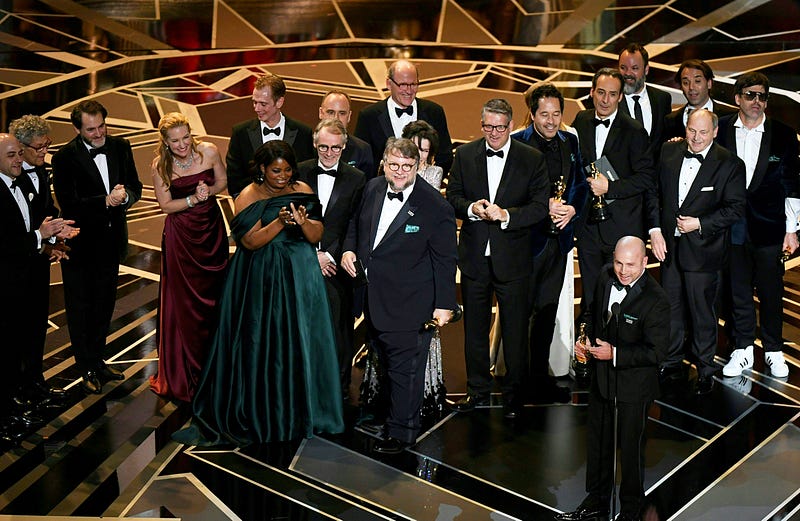
Image by Mark Ralston/AFP/Getty Images

Perhaps it was my constant love for the cinema, or simply because of the bugging thought of these questions I have had as a child, I find myself in film school a few years down the road. There, I found the answers lingering from my childhood to who these two roles are and what was their role in the film.

So who or what is a Producer and Director?

To answer in the most straightforward way: the producer is the one to handle the logistics and business side of the production, while the director controls the creative decision with his or her vision for the final product, so as to turn the script or storyboard into a moving picture. Simply put, if the director makes the film, the producer makes the film happen.

Now here is where it all gets juicy, let’s run through a few key phases of the film making process where their roles diverge

Pre-script
Image is taken from PremiumBeat

Every production starts off with the foundation of a script or an idea. This can come from adaptations from books or news, in regards to making a film, or a business deal from a client’s request to shoot an advertisement.

This is usually a producer’s starting point and solo stage, sourcing and eliminating ideas to kick-start their next project. Often, they also have to evaluate their resources to determine its scale, in terms of budgeting and medium. For example, an epic book series like “Game of Thrones” would be best adapted as a TV series while a simple family script like “Little Miss Sunshine” might be filmed most ideally as a low-budget indie film.

Many a time, most directors only come into the picture here if they have an idea or script they want to pitch. For example, Japanese animation Studio Ghibli’s creator, Hayao Miyazaki often pitches to his producer, Toshio Suzuki, whenever he has a new story, which often jumpstarts their next film project.

Ultimately, as much as it is a story or piece created by the director, it is the producer who ensures these creations can start in the first place.

Stage 1: Pre-production
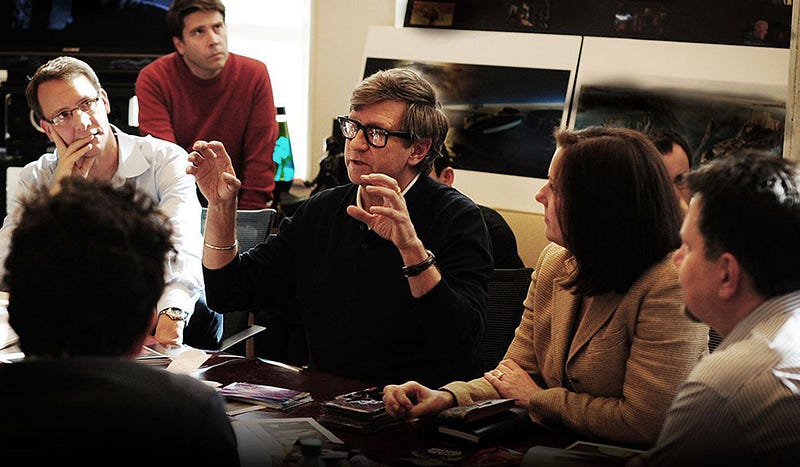
Image is taken from PremiumBeat

After a script is chosen, the production commences. This is typically the most arduous stage, where everything — including the team, the cast, the funding — is started from scratch.

The director’s job here is solely to focus on preparing the creative decisions they want to execute and to translate the script into a moving picture on screen. “How would this character laugh here?”, “How should the room look to best portray the story” These are all similar questions directors might ask themselves when it comes to planning their directions and executions.
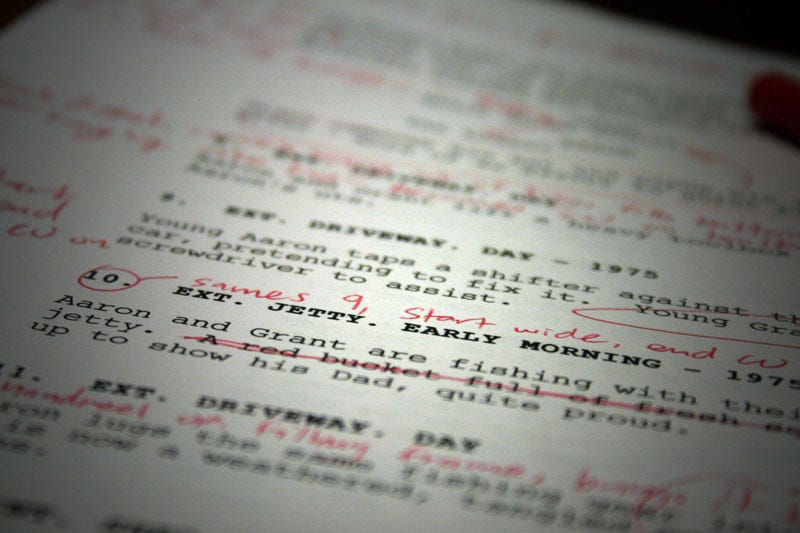
Image taken from Video & Filmmaker

Meanwhile, the producer’s job is to provide support to the director, by assembling a team and finding resources that fits their vision best. This includes compiling an ideal list of possible casts and crew, raising sufficient funds and all in all, managing the logistics of the entire production, and the details in between. For example, in a film like Parasite where the story progresses largely in the house, producers have to find the right people to design or find a place that matches what the director is looking for best, as well as to provide relevant information and options of the location that would contribute to what the director might want to convey.

Many a time, unlike the director who often has the team working around him, doing their jobs based on the artistic direction he has, the producer works around the team instead, leading them and providing help and support to achieve the best of everyone’s effort for the best outcome of the final product.

Stage 2: Production (aka Principal Photography)
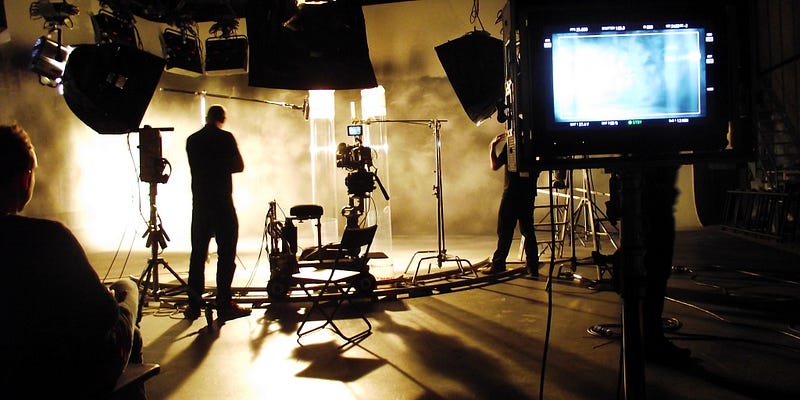
Image taken from StudioBinder

3,2,1….Action!

If there is a thrilling part of the shooting of an advertisement or film, it will definitely be this one. This is when all the preparation is done, and all the materials to craft the final product are all readily laid out and to be used to achieve the mood and storytelling of the film project.
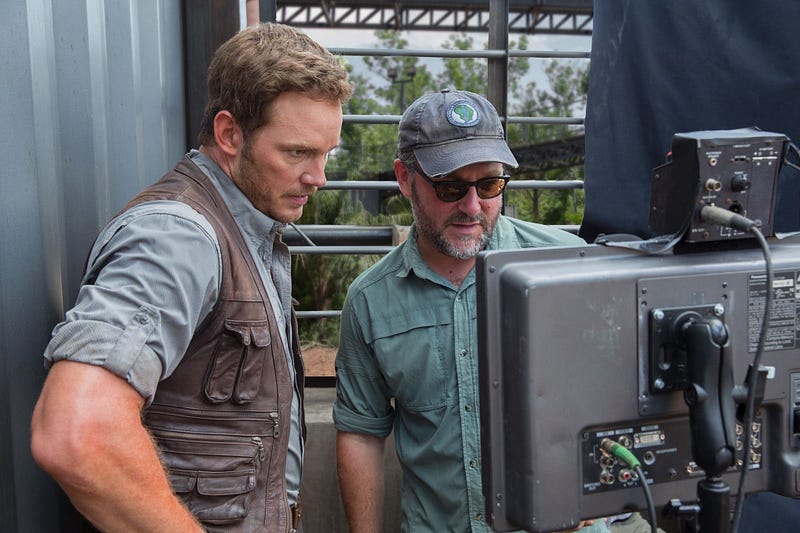
Director Colin Trevorrow for Jurassic World (Image taken from Collider)

Arguably, the director is the key figure here — having to communicate with his team and cast to convey what he has prepared and briefed them on before. Other than simply shouting “Cut!”, this is the time he has to experiment and pull out different ways to ensure what he has envisioned during the pre-production stage will come to life.
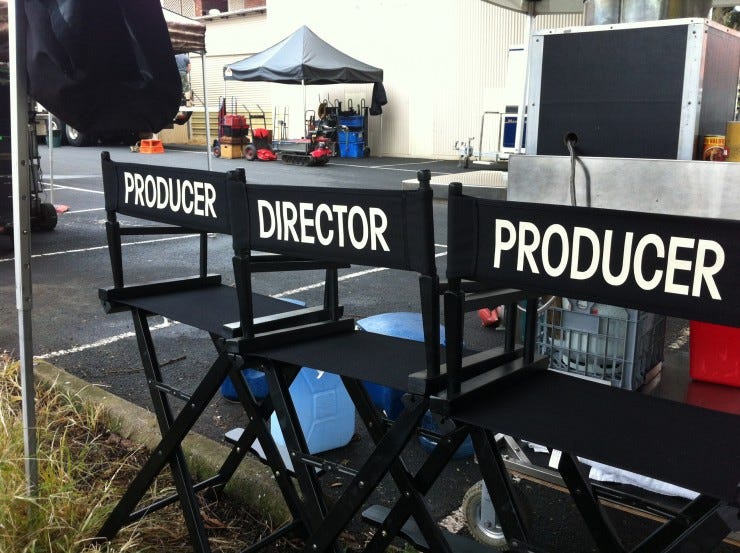
Image taken from No Film School

Keeping things in order

In the stage from pre-production to production, the producer’s job is to communicate with clients, stake-holders, crew and the director to make sure the requirements of the boundaries and materials are met. In situations where restrictions or requirements of content are laid by clients or sponsorship, the producer has to step in to convey the message to the crew and director, so as to ensure the funding and screening is made possible after the filming is completed.

One great example of this is how films sponsored by the electronics brand “Apple”, require only the good characters to use their products — in which producers have to ensure no on-screen villain comes in possession of their sponsor’s gadgets when the cameras are rolling.

At the same time, the producer also has to ensure the welfare of the entire team is met, and for the set to run as smoothly as possible.

As a whole, this is the phase where the director runs the story and execution, while the producer runs the set in areas of logistic and welfare.

Phase 3: Post-Production
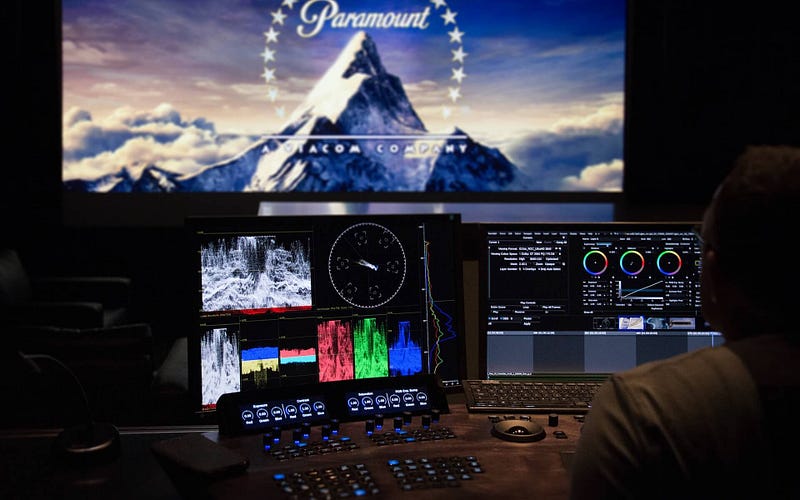
Image taken from Moving Image

Far from a breather, the period of time after the principal photography is as significant as it is exhausting. With footages available and resources attained made to its full use, what’s left to complete is the final product’s editing and distribution.

The director overlooks the edits and quality of the final product, working closely with the video editor to manage the creative outcome of the piece. The director works very closely with the editor to ensure that film reaches its greatest potential of both the script and the vision that he has set in the pre-production stage.

A Game Changer

As I got into filming projects and was involved very much in this post-production process, the biggest game-changer for me when I realized how much scripts are can actually be rewritten or overhauled in the post-production lab.

Just like a pirate on a ship, editing allows the usage of effects, music, and sound effects to give emphasis or steer the film piece to another direction through the editing.

Just imaging playing music while picturing a person running. If you insert tense music, it might feel like a chase, while having joyous music would feel like it is leading to a happy ending.
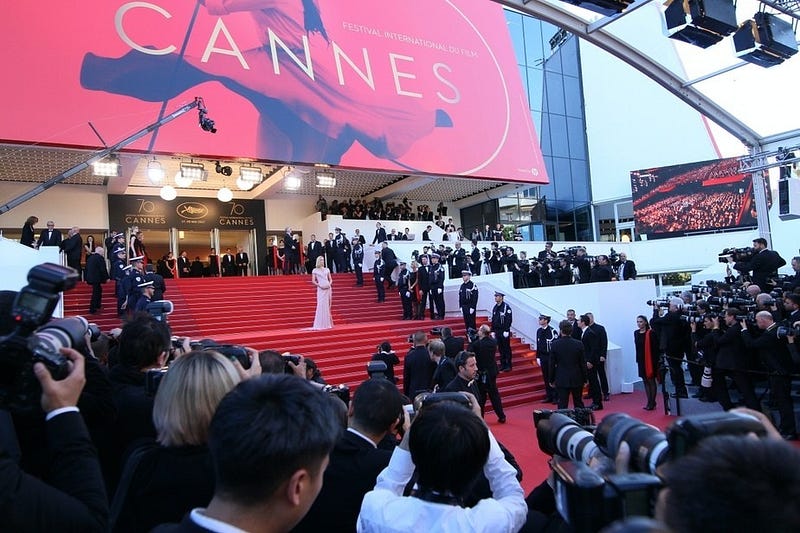
Image taken from Kkday

Outside the Editing Studio

The producer, in turn, looks after the distribution, and in general, to make sure that all the hard work that is done will go somewhere where it can achieve its greatest potential. This includes screenings, festivals, and competitions, where its openings and entries are often made possible through a producer’s networking and contacts.
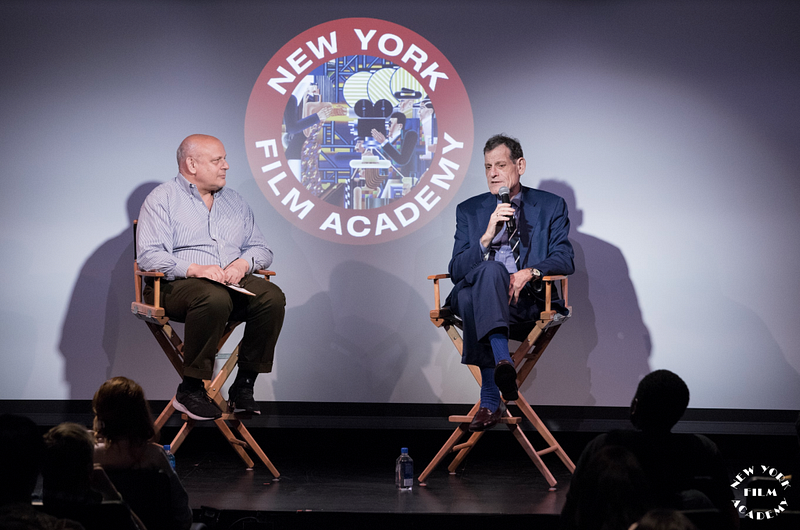
Producer Howard Rosenman (www.nyfa.edu)

Clearly seen in Call Me By Your Name, a film that gained its fame and accolades after being recognized due to the decision of producers, Peter Spears and Howard Rosenman to release it in the Sundance Film Festival, a producer’s work put into distribution is the pivot point to the future of both completed films, videos or TV shows.

While the director is piecing together footage for the final outcome, the producer is piecing the final outcome to be ready for the public.

Let the Credits Roll.
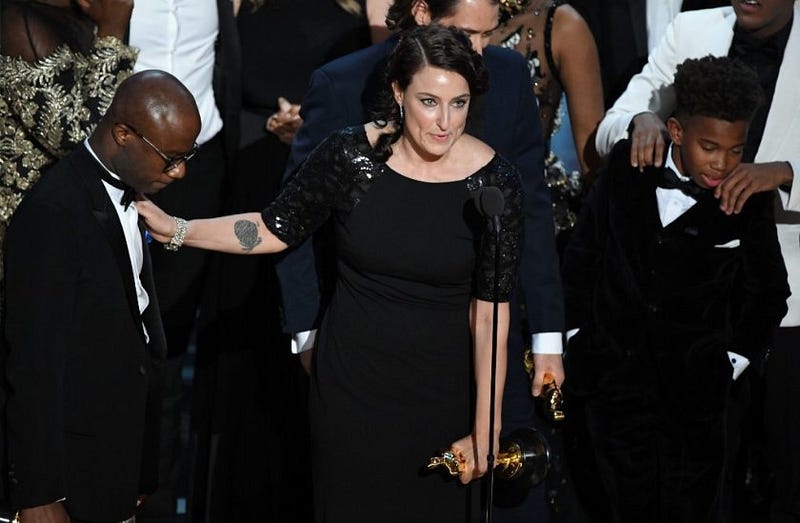
Image taken from Los Angeles Times

In the film industry, there are a million things that producers and directors have to do differently but they are indispensable to a film project. Just like building a house, the producer buys the land and resources while the director builds the house.

Writing this article has certainly given me great clarity of the roles and has reminded me of a clear difference between the roles of the two and I hope it has done the same for you. They are indeed important and indispensable to one another in the process of creating a film.

(If you are interested, we will be creating a separate article for those aspiring to be a producer or director so stay tuned….)

Tree Langdon ♾️

Film
Filmmaking
Directing
Video Production
TV Shows
Recommended from ReadMedium