
Dog Lover
Dieting: The Good, the Bad, and the Worse
Lesson 50: A dog’s guide to surviving the post-Thanksgiving purge

Thanksgiving is over, and for many dogs, it was a day to be thankful. In the U.S., it’s a holiday focused on eating — something we dogs are experts at. The trouble is, when humans wake up the next day with that overindulgence hangover, their thoughts drift to unhappy places.
Yes, folks, I’m talking about the dreaded ‘d’-word: dieting.
Recognizing impending disaster

Nowadays, there are more diets than Kylie Jenner Instagram videos, so it behooves you to recognize the telltale signs of a forthcoming diet in the house.
Here are a few early warning signs to watch for in your human:
- They pull the box labeled “skinny clothes” down from the top shelf of the closet.
- They pull the box labeled “fat clothes” from the bottom shelf of the closet.
- They stand sideways in front of a mirror with stomach sucked in, uttering growls of discontent.
- They try on bathing suits.
- They start paying keen attention to ads offering liposuction and plastic surgery.
These are often immediately followed by trips to “big and tall” clothing stores or ones with a “maternity” section, or excursions to “wholesome” food stores. Whether they buy anything or walk out in disgust, prepare for changes in the dinner menu.
Even if you luck out and the menu remains unchanged, they may start “portion control.” This can be a good thing as they may eat less, leaving more leftovers for you. But be prepared: it’s only a temporary change. So you need to read on.
In the best scenario, things may return to normal the next day as the “bloated” feelings subside. Or perhaps they adjust their food portions but leave leftovers unchanged.
This is rare, however.
More commonly, things take a turn for the worse in the following days. For instance, reduced human portions can lead to the elimination of leftovers because they are starving and adopt a “nothing dined left behind” rule.
Or worse, they may shortly start on a “formal diet.” This can easily suck you into the blast radius and make you the innocent victim of a change in menu.
Types of diets

Understanding the types of diets can help you cope with them. Following are a few of the more common approaches and my suggestions for coping.
Weight Watchers: This consists of eating prepared foods that lack taste, smell, or interesting texture. Prepare for a life of boredom.
Vegan: Prepare for a life of slow starvation.
Eating smaller portions more often: In this case, you can hope the dieter snacks throughout the day and shares it with you — unfortunately, that’s rare. And even if they do offer to share, it might be the dreaded “healthy food” like carrot sticks, fruit slices, and rice cakes. This one rarely lasts long: just wait it out.
Keto: Now, this is where things get more interesting. A high-fat, low-carb diet means more meat and less filler. Consider yourself lucky.
Carnivore: If your human takes up this diet, forget Willy Wonka; this is the real golden ticket. Like a meat lover’s pizza without the crust!
These are just a few examples, good and bad. Trust me, it can get worse. Much worse.
If all else fails, do what humans do: cheat.
The most gluttonous animals
Let’s look at some extreme cases of animal eating behavior in hopes of gaining inspiration from them.
Blue Whale: This mammoth of the ocean consumes up to 4 tons of krill a day. I might find this interesting, except “krill” sounds like a hideous alien from The Orville.
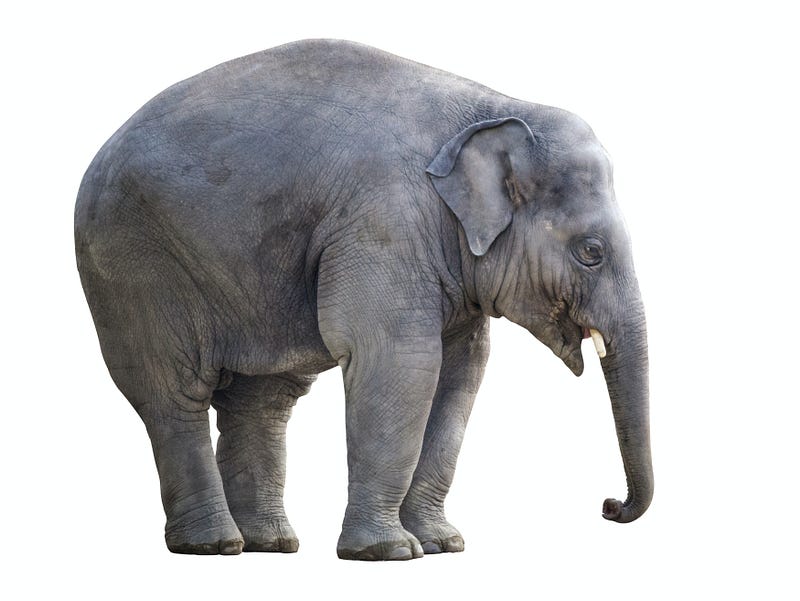
African Elephant: This largest of land mammals eats about one percent of its body weight daily — up to 500 pounds. The trouble is, they’re vegetarians, and they don’t sleep much because they’re always hunting for their next meal. No positive lessons here.
Pygmy Shrew: This tiny mammal’s heart races at more than 1000 beats per minute, and to maintain that metabolism, it consumes more than its body weight every day. They’re hungry every 15 minutes, which I can identify with. But if they go an hour without food, they die. That means never sleeping. Count me out.
Hummingbird: This is another high-energy animal that can eat up to twice its weight in nectar daily. Unlike the shrew, however, it doesn’t need to be constant, and they get to sleep. Has potential, but menu too limited.
Star-nosed Mole: This underground mammal eats a varied diet of earthworms, snails, crayfish, small amphibians, and fish. And they eat faster than any other mammal, finding and swallowing food in under a quarter of a second.
Now, that’s what I call an inspiring role model. So, how does this translate into a diet plan?
Eat a carnivore diet in the style of a star-nosed mole.
Sometimes, staying out of the line of fire means being happy with dog food for a while. More on that in a future post.
Tagging some of my favorite authors on Medium: Lu Skerdoo, Freya V. Locke, Zubair Writes, Dawn Ulmer
Your continued support is greatly appreciated, and it would mean the world to me if you could engage with me further: Clap up to 50 times if you liked it, share your sentiments by highlighting and commenting, and follow me on Medium. And if you like it, tell a friend! Thank you!