
Didn’t we say “Nunca mas”?
The Argentinian elections and the amnesia of a country
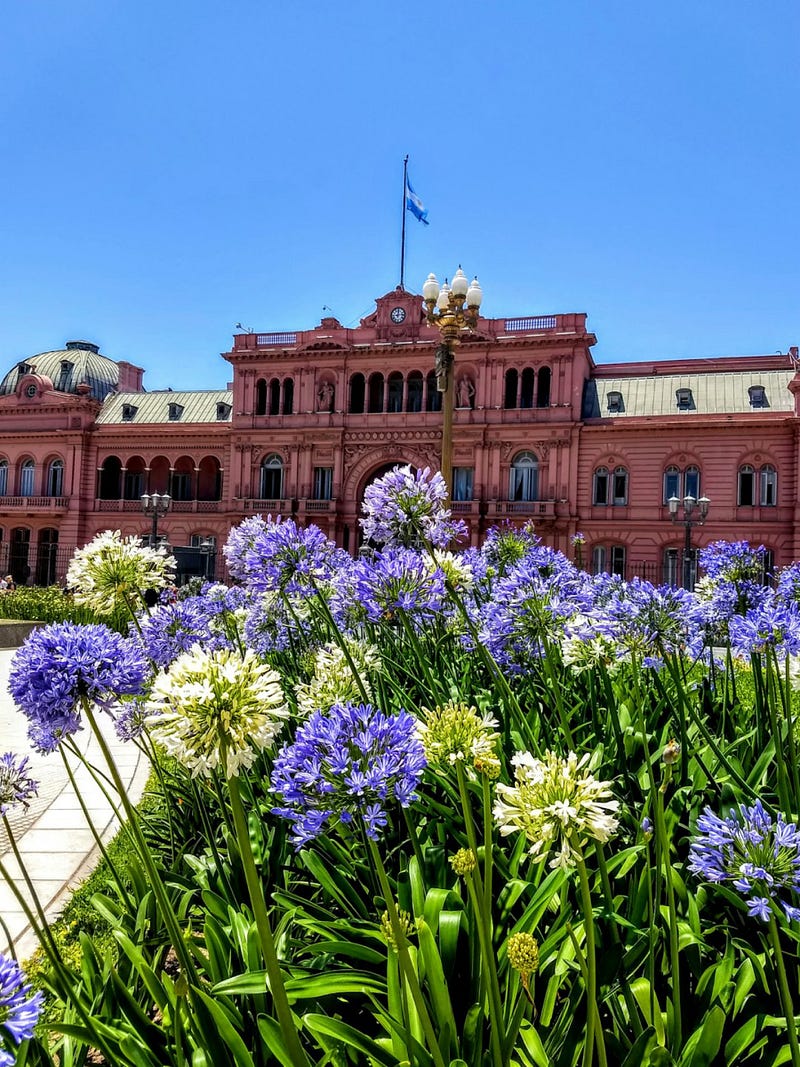
With 56% of the votes, Javier Milei won the Argentinian presidential election, ending almost twenty years of Kirchnerism (with the interlude of Macri’s presidency) and opening up an era of uncertainty and scepticism for the future of one of the South American giants. A stormy debate ensued after election day, with people divided like the fans in a football stadium, where common ground and reason are not an option and only love for your team and hate for the opponent.
The arguments from both sides are relatively simple: on the one hand, those who worry about a leader having an undemocratic discourse; on the other hand, those who state that he has been elected in a democratic process, got the majority of votes, and therefore, is legitimate and there is nothing to worry about. However, understanding how the country got to this result is a bit more complex than this, and ultimately it might indicate that there are reasons to worry.
How did we get to this result
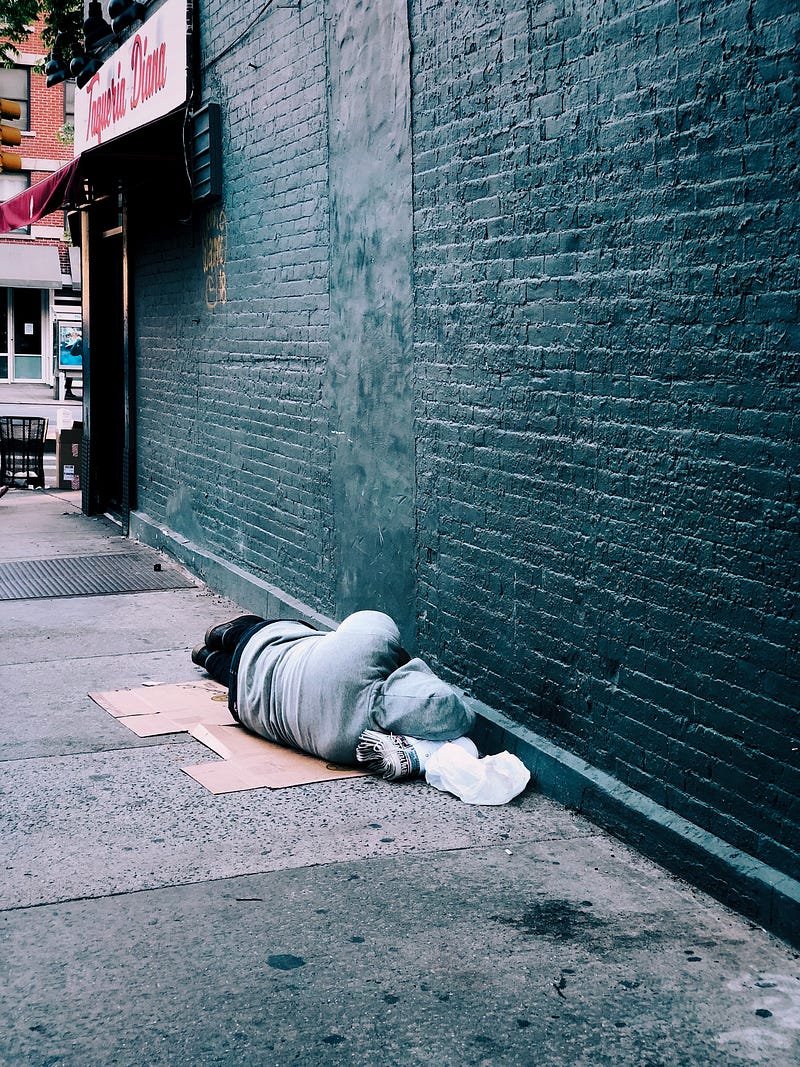
Over decades, Argentina has suffered recurring economic crises, culminating in the 2001 default, a period of recovery, and a subsequent slow plunge into recession and inflation. Argentina has always been a country that epitomized what is wrong with the world economic model, with a minority of wealthy people and a vast majority of very poor ones. Inequalities are rampant and always on the rise. Since the end of the dictatorship, it has almost always been governed by the same political class, sometimes with different names at the helm, most of the time with the same people coming back in positions of power all over again (outgoing President and VP are a perfect example of it). The Peronist party is a strange animal, often expressing the leadership of the country and yet representing so many different, when not antithetic, political views: the common trait of the various Peronist leaders has always been clinging to power, possibly enriching themselves and always claiming to incarnate the true inheritance of Juan Domingo Peron’s vision. Luckily for them, the General cannot be asked if he agrees…
The bottom line is that the country went to the last election in a dramatic situation. Hyperinflation, with the peso losing value almost hourly, businesses closing, over 40% of the population living below the poverty line (that is, with less than one dollar a day), and slums bigger and more crowded than many cities in Europe. With this grim scenario as a backdrop, here comes the saviour with his bag of promises to turn the country upside down, get rid of the politicians that have caused so much grief and despair and, paraphrasing a former US president, make “Argentina great again” (the paraphrase is mine). Desperation is a nasty thing, and it pushes people who have nothing more to lose to do whatever in the hope it works. If it doesn’t, it will not matter to them; they will be in the exact situation they were in before, so why not try? Is, therefore, this new President a chance for Argentina? In light of the country's current situation, are the worries misplaced? Finally, as many observers have said, shouldn’t we hold judgment until the new President can prove himself?
Tangoing with the devil?
While the context explains the results and the majority of the voters have indeed chosen, this does not make the situation right or positive. We have historical evidence of democratic elections bringing to power evil leaders that caused havoc in their country and beyond; Nazi Germany comes to mind, and sadly it is not the only example, as recently we have had Trump and Bolsonaro, not to mention the far right, populist government in many European countries. Democracy is beautiful, but it is not only a right, it is also an obligation and a responsibility. The obligation and responsibility to know and to understand so as not to be fooled into following the next pied piper of Hamelin that comes around.
Majority of votes or not, I cannot but be scared at the policies invoked and the people surrounding the new president. Ultra-liberalism has failed to promote the well-being of people around the world. Carpet privatisation, pretty much like carpet bombing, only destroys the social tissue by attacking and ultimately denying the value of social systems and their safety net function, increasing inequalities and marginalising large portions of the population. Dollarising the economy collapsed the country in 2001, an economic recipe introduced years before by President Menem that virtually brought internal production to a halt. The political discourse of the new president has sounded, more often than not, unhinged, violent, and only based on a simple tenet: let’s get rid of everything and everybody that has been governing until now. But if the political strategy raises more than an eyebrow, the people Milei has chosen as his team represent the real danger. One in particular carries the ghosts of a recent, bloody and terrifying past.
Victoria Villaruel, the daughter of a high-ranking Army officer during the military dictatorship, is the new Vice President. Among various questionable political positions, one sticks out: her negationism of the crimes committed by the military junta during the dictatorship. From the mid-60s to the mid-80s, almost the entire South America (Brazil, Chile, Argentina, among others) experienced years of military dictatorship, brutal repression, tortures, and tens of thousands of unlawful killings, all with the direct support of the USA in their Cold War quest to “defeat” communism. To this day, family members of the “desaparecidos”, the vanquished, are trying to find out what happened to their loved ones. Thousands of people are today discovering, through DNA testing, that who they thought to be their parents are actually not: these are the babies of the political prisoners yanked away from their parents and illegally given in adoption to members of the ruling military. All this, and much more, is now coming back to haunt Argentinians through the person of the new Vice President, a staunch denier of any wrongdoing perpetrated by the military junta and who goes as far as accusing the victims of being the real criminals.
It is disconcerting to witness a country falling victim to a sort of collective amnesia, entrusting its future to the very people who have wrecked its very recent past. Accepting the leadership of persons who openly support and praise a dictatorship that has caused so much suffering for the Argentinians at a time when the search for the truth about the fate of the 30,000+ desaparecidos is still ongoing, represents a sort of social schizophrenia that does not bode well for the future of one of South America giants. When the military rule ended and the horror of that period became more and more evident, the slogan bouncing worldwide was “Nunca Mas”, Never Again. I do not know and cannot tell, right now, whether Argentina will descend again into the abyss of tyranny, or whether the population has acquired enough antibodies in the past forty years of democracy to avoid such a catastrophic event. What I do know is that this election has moved the country from “never again” a few steps closer to “maybe again”, giving once more a voice to those we thought democracy had silenced forever. It is a terrifying prospect.