
Did You Write this Crap?
Please remove yourself from the human race at your earliest convenience
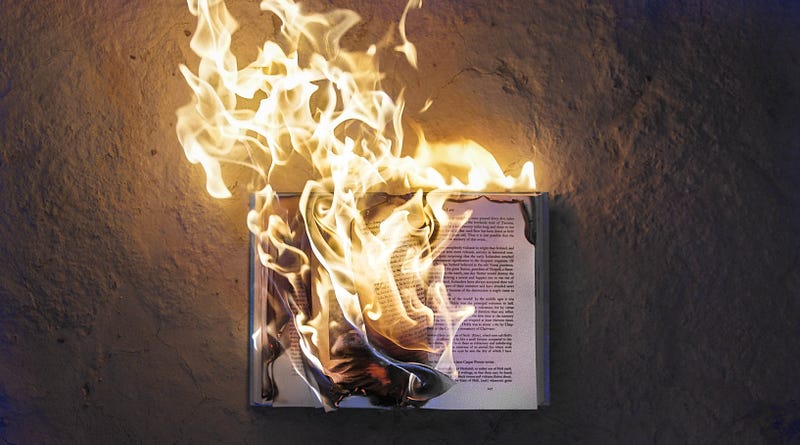
I’m in an online book club and one person asked for recommendations on books NOT to read. Oh boy, did people pile on!
Everyone had a book they hated. Mostly books I’d enjoyed, which may say a bit about the variations in taste. I enjoyed Eat, Pray, Love even though some very nasty things were flung at it.
I’m one of those who swoon over Bridges of Madison County, but readers queued for a couple of online blocks so that they could kick that sweet little book in the nuts.
Someone mentioned Wild Animus, which was given away by the thousands when I was at university and is a textbook example of how not to write a novel. I was one with the reviewer who said they went into the outback and buried their copy under a rock. It was truly awful.
Another response in the book club discussion was along the lines of how sad the premise of the question was: we were being asked to denigrate authors who had put a lot of effort into their work.
I like to think that a person is not their actions. We all change over time, and I suspect that if people were able to review their actions as toddlers, they would probably disassociate themselves from the embarrassing moments. Or as teenagers. Or (in my case) what we did last week. Running around pre-dawn streets in my pajamas trying to catch a rare Pokemon. “Aren’t you a bit old for that?” the cop asked, which didn’t help the situation.
Authors are allowed bad books. It is part of the learning process. Even the most successful writer of bestsellers has a bad day. You can generally pick the moment, because they start producing fat, indulgent tomes that sell well from the name, but might as well put a picture of Fonzie jumping the shark on the cover.
Fifty Shades was a quoted example. I know I would trip over piles of the things in shops when I was young, and it sold a squillion copies, but nobody ever said that they enjoyed every page. I thumbed through a copy once, read a few pages, but decided that this was Wild Animus with knobs on, and my time was better spent doing other things. Like mowing the lawn.
I think that literary criticism is a valid pursuit, and if it means posting a warning to readers contemplating wiping a few more numbers off their credit card, then that’s all to the good, surely? Who wants to spend money on dreck when a good friend could have advised on a wiser purchase?
Where are my megabucks?
In all my time on Medium, I’ve had one good article that earned me a couple of thousand dollars.
The rest, not so much. People say nice things, but do they think I’m fabulous and go out and buy all my stuff? They do not, in huge crowds. According to Amazon, who tells me that millions of other books are better than my very best.
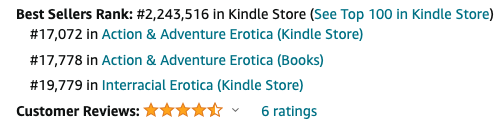
I had a lot of fun writing that slender book, and it still makes me hot and steamy when I re-read it. A few others loved it, but the movie offers have failed to come rolling in. It would make a great movie, Peter Jackson; nobody cares about hobbits anymore.
On that subject, John Tolkien had his amazingly fabulous stories rejected for one reason or another, and the history of literature is one of the great books that nobody wanted to print. (The history of publishing is one of the horrid books that got printed; just browse through any airport bookshop.)
Here’s how to write right
I read my work, I love it because I wrote for an audience of one: me.
But I’m not paying actual money to read my stuff. So I’m no good as a critic of my writing’s commercial worth.
Those who are worth listening to are those who love reading, spend money they can’t afford books, and resent having to spend a cent on writing they dislike. Find those people and find out what they think. You can give them a copy for free, and if they are annoyed because it resulted in time spent away from writing that made them happy, they will vent their frustration on you.
And you learn from the harsh words. Get rid of the text they hated, put in more of the stuff they loved.
The best reviewers are rarely friends and family. They tell you things that will make you smile, regardless of whether they liked the book or hated it.
I’ll exempt a close partner if you are lucky enough to have one who knows how your mind works. If you have a husband who is also an editor and has an interest in your commercial success, you are onto a good thing. (I’m looking for that guy, send pictures of your work please.)
For the most part, however, your best critics are strangers. There are websites that will hook you up with impartial reviewers. Scribophile.com is one. The views of people you will never meet are your ladder to success. Open your ears and listen closely.
Then again, if you write crap and there are piles of it in bookshops around the world, then that’s not a bad thing, is it?
Britni


