
Did the Use of Drugs Influence Hitler’s Decision-Making Power?
The Genocidal Junkie: Adolf Hitler’s Sickening Drug Addiction
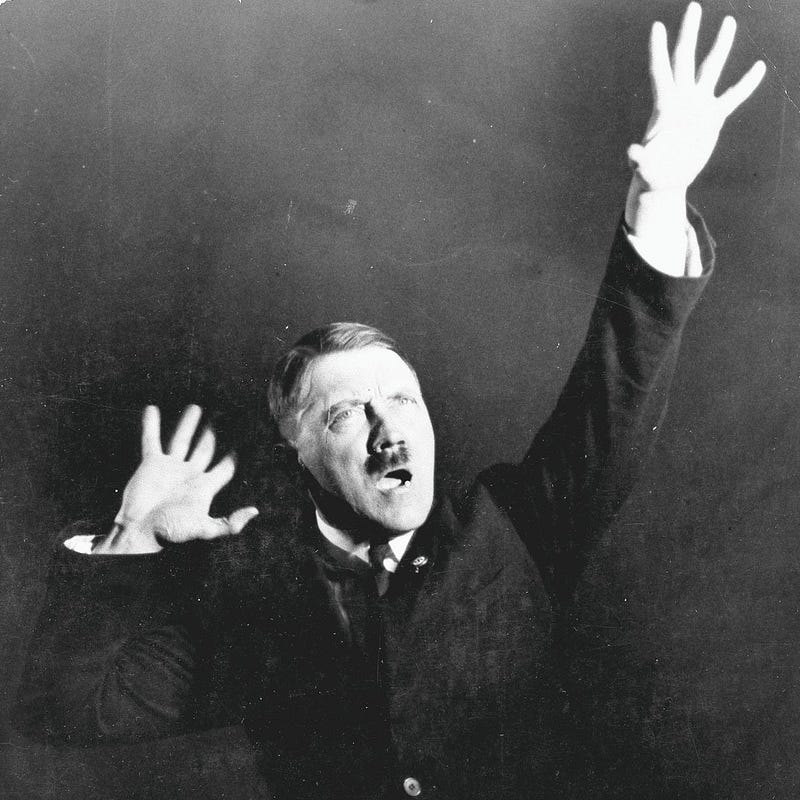

When we think of Hitler, drug addiction is not the first thing that comes to mind.
Surprisingly, recent investigative works suggest that perhaps drug abuse should be one of the things Hitler reminds us of.
The idea that the Third Reich’s conception was solely due to drug abuse is problematic and likely untrue.
However, it is undeniable that drugs played a significant role in the Fuhrer’s life and the lives of German soldiers and civilians.
Let’s explore the usage of drugs in Hitler’s life.
The Fuhrer of Drugs
In the years since WW2, there have been many speculations regarding the personal deviances and interests of the Fuhrer.
There have been theories that claimed Hitler was homosexual or that he had only one testicle.
However, few theories have as much credible evidence as to the theory that Hitler had a debilitating drug addiction.
Much of the empirical evidence for this idea comes from Hitler’s physician, Theodor Morell.
Hitler’s doctor kept meticulous notes of the drugs he gave him, numerous and expansive in their reasons and functions.
Furthermore, many of these drugs were highly addictive, a fact known by Morell as he prescribed them.
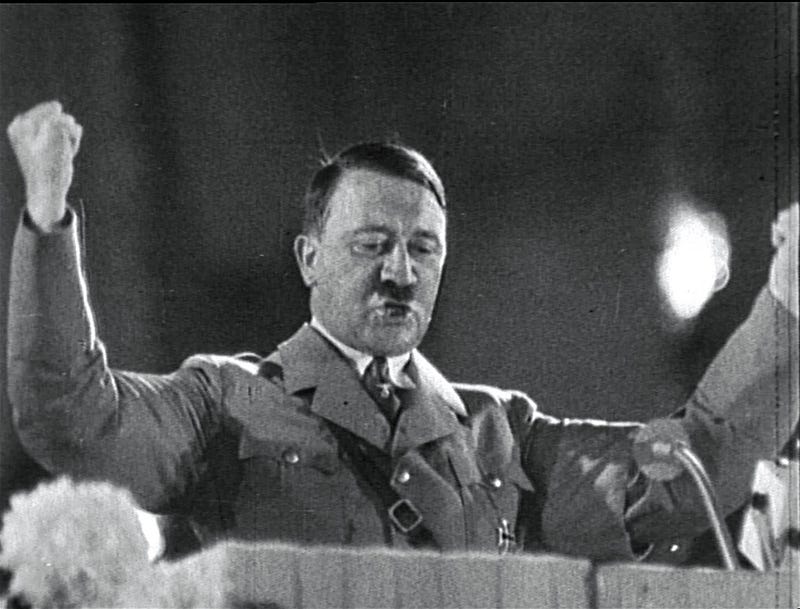
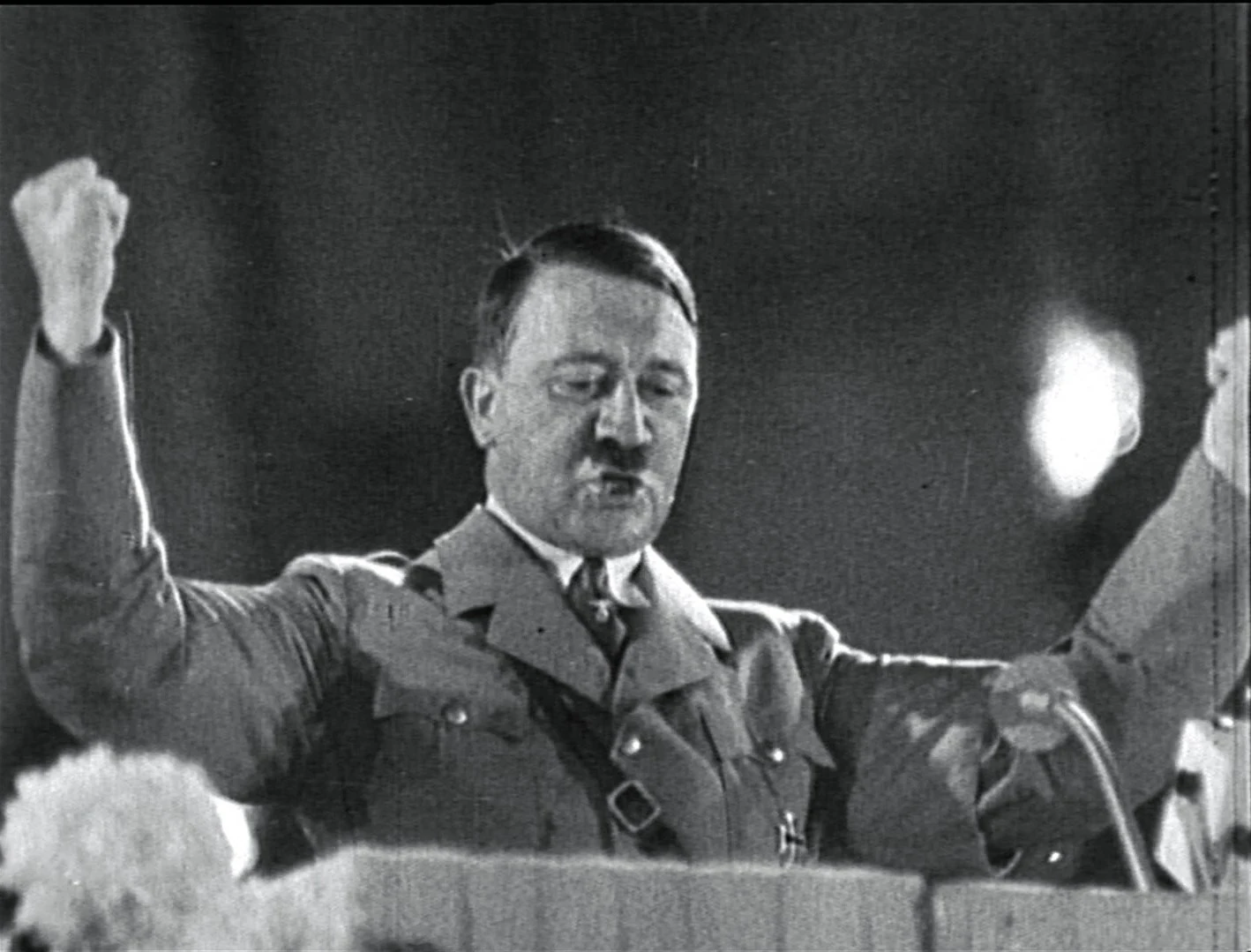
By 1945, Hitler was on a veritable cocktail of drugs, the most serious of which included an oxycodone derivative called Eukodal, a particularly addictive opioid.
Opioids were not the only addictive drug within Hitler’s plethora of prescribed substances, with barbituates such as methamphetamine and stimulants such as cocaine also playing a central role.
During his final hours, Hitler is reported to have been in immense pain and discomfort.
It was likely due to his withdrawals from these drugs and his impending defeat.
By the end of WW2, Hitler had become intensely dependent on these drugs.
What was the reason for their prescription then?
Why would Morell prescribe such dangerous medicines to the Fuhrer?
The answer is likely two-fold.
Firstly, Morell was not a very popular man.
Most within the Nazi Party did not hold him in high regard, with some even thinking he was grossly incompetent.
The Fuhrer was the only person that defended Morell and would often favor him over others.
Hence, it was in Morell’s interest to continue this relationship.
He could do this by developing co-dependency with Hitler, a feat which could be achieved by prescribing him addictive drugs that only Morell could be trusted to administer.
Secondly, back then, many of these drugs, such as cocaine, were often used in treatments.
Therefore, their use was not as unconventional as it may be considered today.
Hopeful in the Face of Certain Defeat
As WW2 progressed, things became increasingly irremediable for the Nazis.
Having lost decisive battles in Stalingrad, Britain, and Kursk, hope was all but lost for the Nazi War Machine.
Despite his apparent defeat on the horizon, Hitler continued to hold out hope for some miracle to occur.
Confident in the power of the Aryan Master Race, he maintained that the tides would soon turn.
It is likely that Hitler’s regular drug use supplemented this delusion and that while his ideological fervor was intense, the speed he was taking definitely helped.
This usage of drugs to escape the bleak reality of their eventual defeat was not uncommon; even soldiers resorted to this method and meant that the attitude of the High Command was largely optimistic.
An apt illustration of this practice was when Hitler had his final meeting with Mussolini.
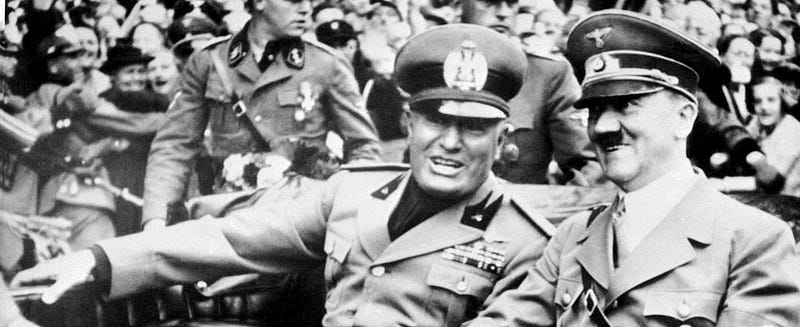
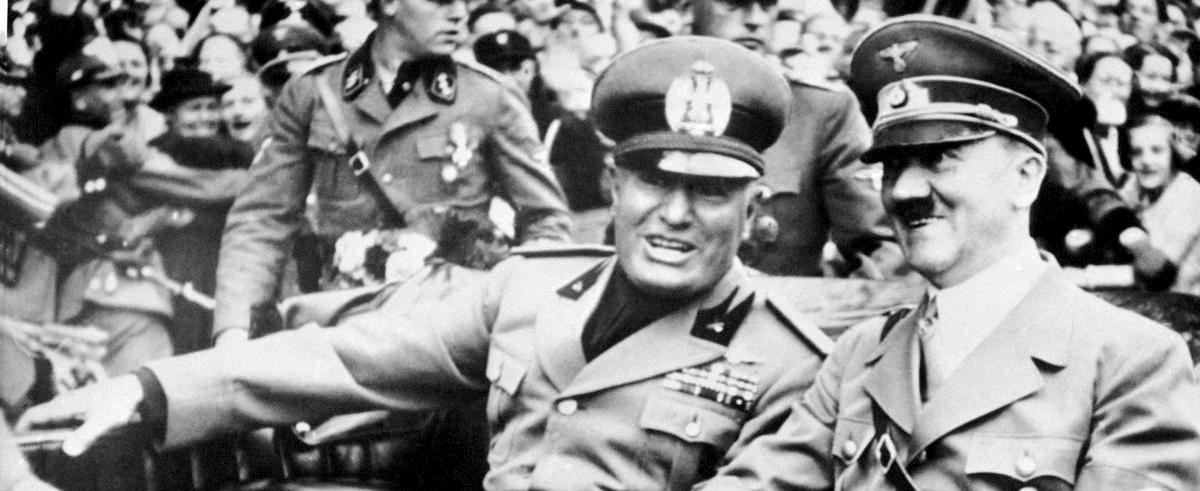
Mussolini had acquired some serious cold feet and wanted to abandon the war effort.
When Hitler had first received news of Mussolini’s possible surrender, he had been furious.
Morell had then decided to give Hitler his routine drugs, upon which his mood was uplifted significantly.
Hitler’s joy was so acute that it had become contagious by the time he had his meeting with Mussolini.
Seeing such a cheerful and optimistic Hitler, Mussolini was convinced to continue in the war.
The Dangers of Mono-Causality
While it is clear that drugs played a significant role in Hitler’s life and his associated war efforts, it is inaccurate and even dangerous to assert that drugs were the real reason the numerous atrocities of WW2 occurred.
Importantly, we must realize that the Nazis were above and beyond motivated by ideology.
Hitler was not just drugged up to the point of insanity; his actions were malicious and calculated.
Drugs always functioned to facilitate his existing nefarious plans, not to conjure them.
Separating Hitler from humanity is dangerous as it allows us to pretend that WW2 was all a bad dream, a misguided side plot to an otherwise happy and wholesome story.
Drugs did not kill the Jews at Auschwitz; Nazi Germany did.
Six million Jews were not slaughtered because of speed; they were gassed and tortured and maimed and raped because of hatred, because of what we are capable of.
We must remember that the Nazis were humans, rational, thinking humans.
We must remember that this is possible, that humans are capable of such cruelty, of such hatred, of such evil.
Acknowledging that Hitler was a human, and recognizing his inhumanity through that lens, is the only way we can avoid another.