
Did Someone Just Ask For More Salmon?
How you can change your family’s feeling towards this fish
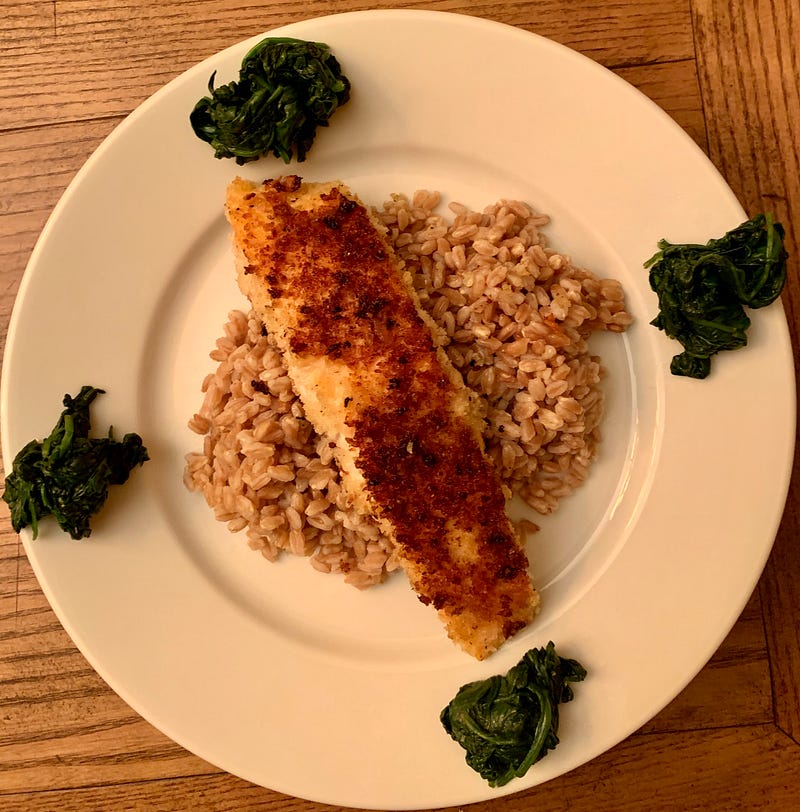
I get it. Salmon is an acquired taste. Even I didn’t start eating it until about 10 years ago. For most of my life, I was a little turned off by the rich, buttery taste, but, with all its touted health benefits, I wanted to incorporate it into my diet.
According to Web MD https://www.webmd.com/food-recipes/benefits-salmon#1 salmon is low in calories and a great source of protein. More importantly, it is rich in Omega -3 fatty acids which helps lower your risk of heart attack, stroke, some forms of cancer, Alzheimer’s and dementia.
After I made the conscious decision to include salmon in my diet, I started making it once in a while. My husband liked it already, so that was not a problem, but my kids were not fans. On the nights I would make it, I would make them something different. Eventually, my son came around and would have it with us, but it definitely was not his favorite. My daughter flat-out refused…until recently.
Here is why.
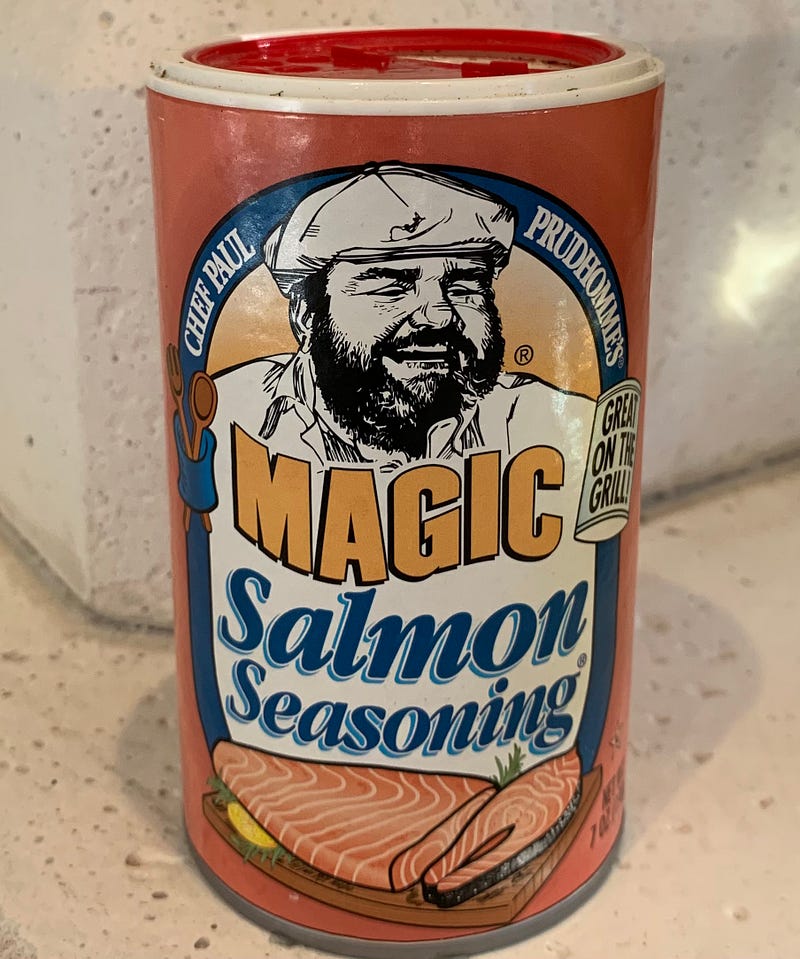
Usually, when I made salmon I would just brush it with olive oil and some Chef Paul Prudhommes’s Magic Salmon Seasoning.
Then, I would grill it and it would be nice, flaky and have some delicious charred pieces that were my favorite part of the whole preparation.
Sometime last year, I wanted to see if I could change my daughter’s mind about salmon. Although not her preference, she would eat tilapia or flounder if I breaded and sautéed it. So, I thought, if I used the same method on the salmon, maybe I could get her to reconsider.
My plan was a little sneaky - I didn’t want to force it on her, but I wanted to see if I could subtlety get her to try it on her own volition. So one night I made this new salmon recipe but made her something different. When we all sat down to eat, my husband and son RAVED about it. They said it was literally the best salmon I had ever made. I did not put them up to it. It was their immediate natural reaction.
As suspected, my daughter was curious and asked for a tiny bite. I cut off a forkful of mine and let her try. Well, I am sure you know what I am about to say…she LOVED it. And, then, of course, she asked if she could have her own piece. Fully hoping for this moment, I had made extra. I was thrilled! I no longer had to prepare a separate dinner on salmon nights and she too could enjoy all the health benefits of this superfood for the rest of her life.
I am well aware that the recipe I am about to share is not as healthy as just grilling it with a bit of olive oil and seasonings, but, if it makes my daughter eat salmon, I can get past that.
Mom, Can I Have Some More Salmon, Please?
This is not an exact recipe — I just eyeball everything but I will give you the measurements and method to the best of my ability.
Ingredients:
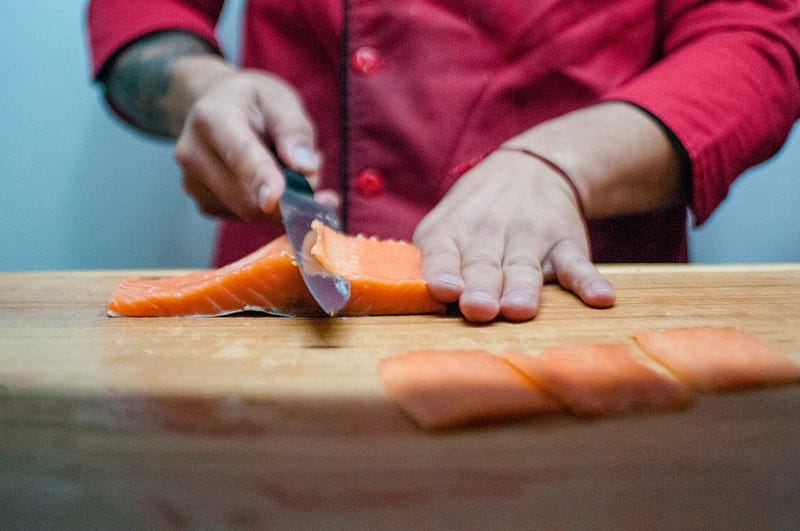
4 pieces of salmon (I use Costco’s Fresh Farmed Atlantic Salmon, which is found in the refrigerated section near all the fish. It comes in one huge strip and you can cut it into about 7–8 smaller pieces, depending on the weight of package)
Chef Paul Prudhomme’s Magic Salmon Seasoning(Approximately a palm-full. You can find this in the supermarket or on Amazon. If you can’t find it, use whatever salmon seasoning you prefer)
Panko breadcrumbs (approximately 2 cups)
Dijon Mustard (approximately 1/3 cup)
Olive Oil
Salt and pepper, to taste.
Instructions:
- Rinse and pat dry salmon
2. Heat about 2 tablespoons of olive oil in pan. Cast iron is best.
3. On a dinner plate, mix Panko breadcrumbs with salmon seasoning, salt and pepper to taste. You can add a little more or a little less salmon seasoning depending on your taste. If you add more, don’t add too much salt as it is salty by itself.
4. Brush each piece of salmon with Dijon mustard and coat on both sides with Panko mixture.
5. Make sure oil is hot (stand away from pan and flick a drop or two of water into pan and if it sizzles, it is ready) Sauté in pan for about 4 minutes and then flip over for another 4 minutes (this timing may vary according to how thick your pieces are). You may have to add a little more oil at this point and shake the pan so that oil gets underneath each piece.
6. Test to see if they are done. You will know they are done when you can easily cut through them with your fish turner and fish breaks in half instantly. The inside should be a translucent pink. If you are still not sure, check the temperature. Correctly cooked salmon should be 110 degrees — 140 degrees on the inside.
7. Let rest for a minute or two and serve. YUM!!!
So, now instead of just tolerating his salmon, my son regularly requests this recipe. And, my daughter is actually happy when I make it. I have to admit, my husband and I prefer it this way too.
Times have changed for the better. My family now shares a love for this healthy protein. I swear, on the nights when we have this on the menu, somehow the mood at the table seems a little happier.
And the best part for me is I no longer have to make two different dinners. In fact, I always make a double batch, because without fail, I know I will get the question, “Mom, can I have some more salmon, please?”


