
Did RBI India kill Paytm?
How can stability be ensured through robust institutions, checks and balances, regulation enforcement, and fair play?
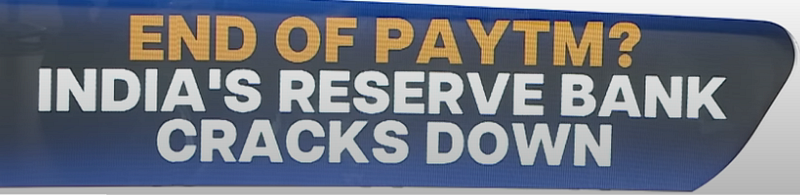
We have seen an example of this in the RBI’s order on Paytm. The RBI is India’s central bank that has dealt a significant blow to Paytm — a digital payments giant in India that controls about 13% of market share. Starting March, digital payments on Paytm will come to a halt as customers using its wallets won’t be able to top them up. Essentially, if you see a Paytm QR code anywhere, chances are it won’t work because the RBI has killed it.
To clarify matters further, while PTM still has permission to operate in India under a license from the regulator (RBI), its operations have been severely constrained by this sweeping order. Come March, PTM won’t process most payments, posing problems for over 500 million Indian users with more than 300 million digital wallets and thirty million bank accounts.
The Reserve Bank of India had reasons for such drastic action against PTM since they were not playing by their rules, according to official sources, who punished them for persistent non-compliances and material supervisory concerns without getting into details. This issue centers around KYC rules, or “know your customer” regulations, governing how much information banks should know about their clients before opening any account or providing services like loans, etcetera.
PTM was granted permission back in 2015 when they received their license from the RBI but failed to comply with KYC requirements, leading regulators into scrutiny over how PM shares personal information along with other associates’ information among themselves without consent from customers whose privacy rights need protection just like everyone else’s under-law mandates obligating financial institutions everywhere globally.
undertaken authorities charge responsibility thereof across jurisdictions sectors domains areas expertise fields knowledge experience skills required dealing complex multifaceted challenges facing modern society today tomorrow beyond