
Diabetes, Neuropathy, and My Big Ugly Toe
The nerve damage feels like one thousand bees stinging my feet.
I hate diabetes. I have it… or does it have me? I know one thing, though: I was diagnosed in 1999 when I had an appendectomy.
From that time forward, I managed my diabetes with pills, then insulin, then pills plus insulin. Now, after 23 years, I have severe neuropathy in my feet.
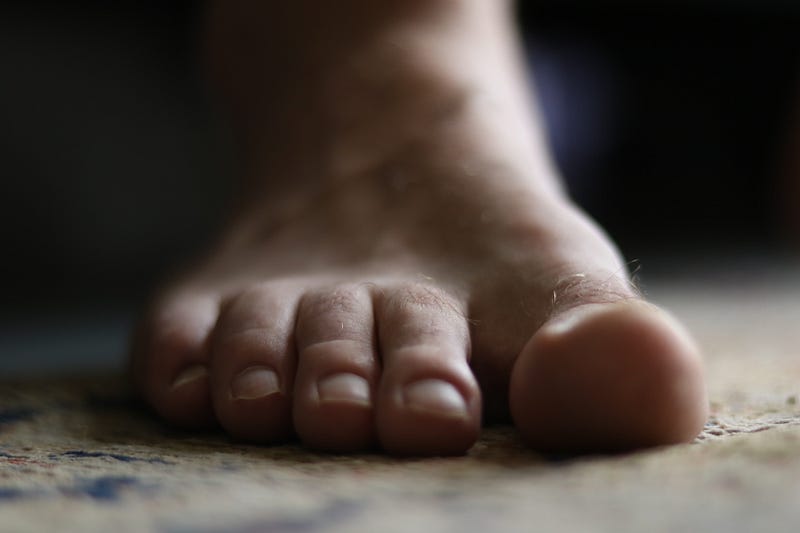
But through it all, my big right toe has taken on the brunt of this disease. My ulcer started as a crack in the dry skin and quickly broke open and got deep. And it’s ugly. Very ugly.
Especially now that it’s infected and widened to about one-half inch at the tip.
How did my big toe get in this shape? Let’s take a tippy-toe through the diabetic tulips while I wait on the ER doc to take a peek.
Diabetes Epidemic
Did you know this country is in the throes of a diabetic epidemic? Here are a few fast facts about this dreaded disease according to a CDC report:
Diabetes
- Total: 37.3 million people have diabetes (11.3% of the US population)
- Diagnosed: 28.7 million people, including 28.5 million adults
- Undiagnosed: 8.5 million people (23.0% of adults are undiagnosed)
Prediabetes
- Total: 96 million people aged 18 years or older have prediabetes (38.0% of the adult US population)
- 65 years or older: 26.4 million people aged 65 years or older (48.8%) have prediabetes
Over the years, I’ve been aware of my sugar levels, always trying to maintain a healthy A1C between 6–7. An A1C test is a blood test that reflects your average blood glucose levels over the past 3 months. The average A1C is 5.7. However, my doctor is happy with the levels I’ve maintained.
Originally, I had gestational diabetes during all five of my pregnancies. My OB doctor told me I’ll have diabetes when I get older since I had it during pregnancy. I prayed that would never happen. Then her prophecy came true.
Here I am 23 years later with the co-morbidity of neuropathy and cardiovascular disease. It is in the sinister nature of diabetes to damage other organs.
Diabetic Neuropathy
The most common form of neuropathy is diabetic neuropathy. It is a type of nerve damage that can occur in 50% of those who have diabetes. High blood sugar (glucose) can injure nerves throughout your body. Diabetic neuropathy most often damages nerves in your legs and feet.
Depending on the affected nerves, diabetic neuropathy symptoms can range from pain and numbness in your extremities to problems with your digestive system, urinary tract, blood vessels, and heart. Some people have mild symptoms. But for others, diabetic neuropathy can be quite painful and disabling.
But diabetic neuropathy can be prevented or slowed down with consistent blood sugar management, medication, and a healthy lifestyle.
Crazy Nerves
The best way I can describe the nerve damage I feel is like one thousand bees stinging my feet. It’s worse at night. I can’t feel if you touch my big toe, but I can feel intense numbness and pressure.
I take medication for the symptoms, but the nerves in my feet have gone crazy. If I didn’t have my meds, I’d be rocking in a fetal position, crying. The nerve damage cannot send the correct signal to the brain and pain ensues.
Just imagine an extension cord. Your nerves are the wires encased by the rubber cord. Diabetes comes along and wears through the rubber, leaving exposed wires that spark and burn.
My blood sugar levels impact the severity of pain I feel in my feet. For instance, I can estimate my blood glucose by how much pain I experience before I prick my finger. If I have shooting pains, the meter can register at 200. 100 is the average blood glucose.
What can I do to help ease the symptoms?
The Diabetic Plate
If you’re looking for an easy place to start, then try following the Diabetes Plate Method. This simple guide offers a stress-free way to plan your portions with no counting, calculating, or measuring.
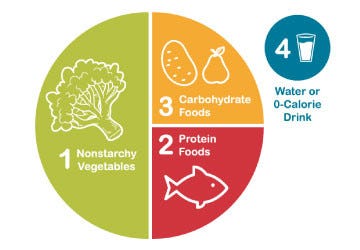
First, grab a 9-inch plate. You want to fill half your plate with non-starchy vegetables, one-quarter of the plate with protein foods, and the last quarter of the plate with carbohydrate foods. Top it off with a glass of water or another zero-calorie drink and you’ve got yourself a well-balanced plate! This helps take the guesswork out of meal planning so you can spend more time doing the things you love.
My biggest concern is the starchy veggies. The reason being–I love them! My doc told me years ago, if it’s white, it’s not right or if in doubt, it’s out! Potatoes, peas, corn, etc. are not allowed. That includes bread. I love bread–garlic, sourdough, everything, poppy seed, you name it.
I’ve compiled a short list of good veggies you can enjoy:
- Artichoke
- Brussels sprouts
- Broccoli
- Cabbage (green, bok choy, Chinese)
- Carrots
- Greens (collard, kale, mustard, turnip)
- Mushrooms
- Okra
- Onions
- Salad greens (chicory, endive, escarole, lettuce, romaine, spinach, arugula, radicchio, watercress)
- Squash (cushaw, summer, crookneck, spaghetti, zucchini)
- Tomato
My Big Toe
My big toe was never a pretty, petite toe. I have big feet and the big toe that comes attached. My family jokes that I have prehistoric feet–ugly but not hairy.
But I always thought of it as a solid foundation. I can plant my feet and take a stand. It’s pretty hard to knock me off my feet, and my big toe is the anchor.
Yes, it is a real thing.
Anatomically speaking, the big toe is called the hallux toe. It helps us to balance. If we didn’t have big toes, we’d be falling all over ourselves.
The big toe carries the most weight of all the toes, bearing about 40 percent of the load. It is also the last part of the foot to push off the ground before taking the next step.
Then the thought jumps in my head, what if I have to get my toe amputated?
Nooo!
I’d have to learn how to walk again. I couldn’t ever wear sandals again. Wait! What about a prosthetic toe?
Fake toes have been around since the Egyptians made wooden ones to fit those who were ashamed of their toe loss. I don’t think I’ll go that far.
ER
The doc’s back. He said there is no infection in the bone, thank goodness! But I have to go to a podiatrist and a bone surgeon. I grabbed my referral and watched as the nurse attempted to put a dressing on my toe.
I sighed as I told her it won’t stay; the dressing will slip off as soon as I start walking. And it did.
The moral of this story?
Eat healthy, and never, ever take for granted your only big right toe.
Here’s my secret weapon to help women in the middle.
Debbie Walker is a great-grandmother, writer, blogger, and the creator of Middle-Pause & Forward Motion, the podcast STOMP!, MPM Publishing, and is editing a four-book anthology of Middle-Pause writers. Stay in touch at [email protected]; follow her on Facebook; Twitter; Pinterest; & listen to STOMP!


