Develop Your Evidence for These Top 10 Employability Skills
This is the best way to prepare yourself for the job market and the interview

This article is written for students and young individuals who are just about to enter the job market. It will also appeal to more mature professionals who are thinking of changing jobs and careers.
Employability skills are the umbrella set of skills that make you an attractive candidate for a job. When you are applying for jobs, you need to give rigorous and specific evidence for your employability skills. You need to be able to give examples of these skills on your CV or cover letter or during the job interview.
Employability Skills are Your Passport for Jobs
Developing your employability skills through a lot of practice will give you an edge in the job market. These are transferable skills as you can take them with you as your career progresses. Think of them as “passports for jobs”.
STEM Learning has developed this poster or handout that highlights the 10 top employability skills required by employers. Please look at the skills, definitions, and examples carefully (below):
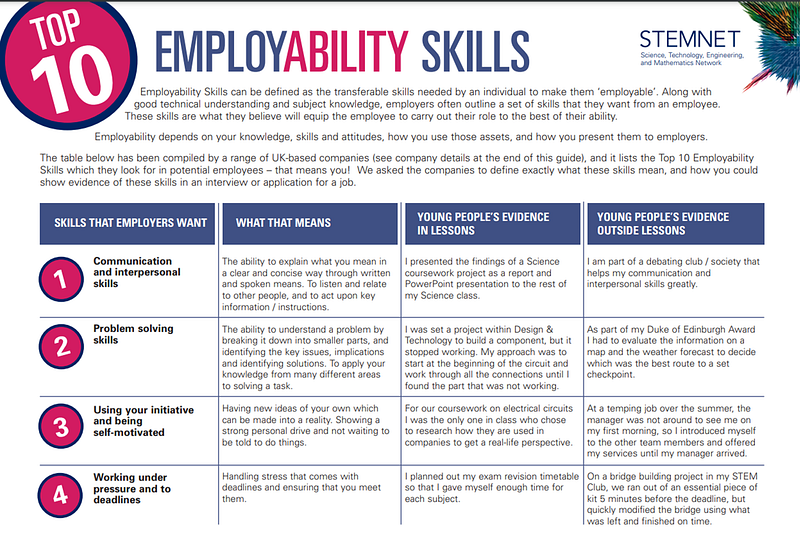
Although this handout was developed by STEM Learning, it is equally applicable to all fields and jobs. You see that interpersonal and soft skills are perceived as significant by all employers.
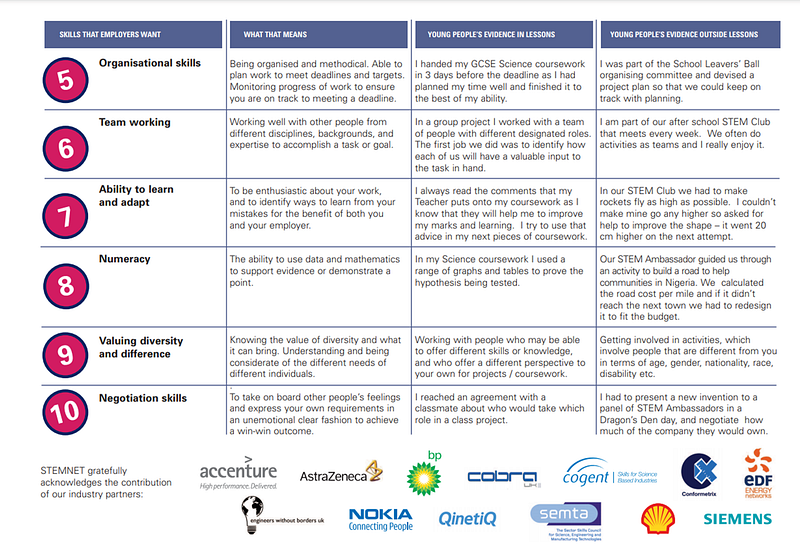
We no longer have the option of a career for life. We will need to change multiple jobs and organizations (perhaps even industries), which means we need to stay flexible and demonstrate evidence of our competences we can easily transfer to new jobs.
Since employers are looking for these employable skills, it would be very useful to create our own evidence regarding each of these skills. In the seminars I teach at UEA, I ask my students to fill out the following worksheet to identify their own evidence about each set of skills.
You can also create your own evidence table, as this will enable you to think about your own stories and experiences in each domain. These experiences can be related to your academic studies (such as, coursework, assignments, teamwork, projects, etc.) or related to your professional work (including internships, part-time employment, volunteering, online work, etc.).
Exercise: Create evidence for your employability skills
Doing this exercise will help you to systematically think about your employable skills and document your strengths. You will also be able to better prepare yourself for your job applications and interviews by creating relevant evidence, examples, and stories on how you used soft skills.
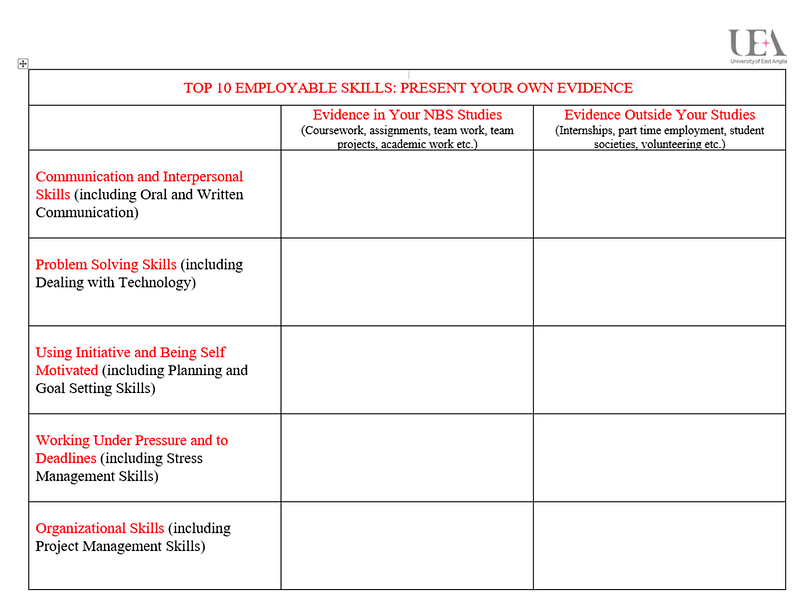
To do the exercise, please come up with your own evidence for each skill. You will think of specific examples and cases for the skills you have used. These examples might be related to your academic studies or not. Try to make your evidence rigorous and specific. Incorporate the numbers and describe the context in detail.
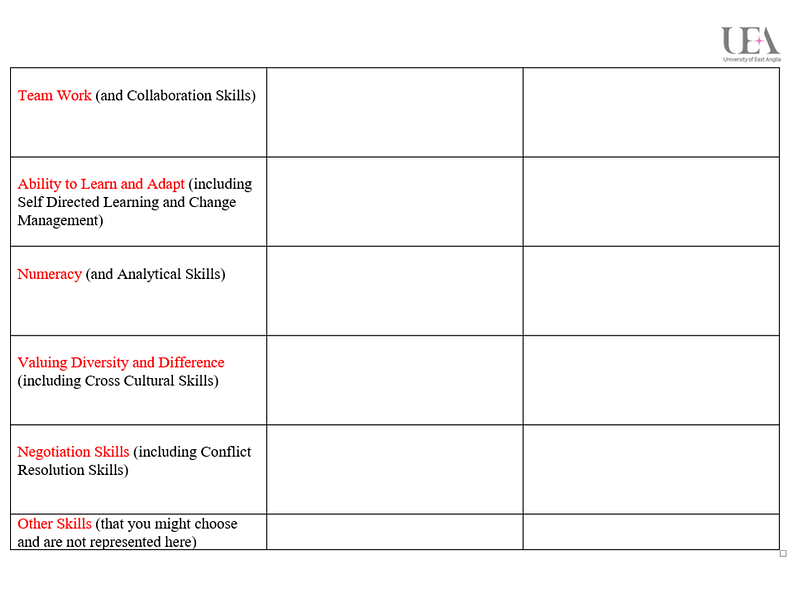
Write down about your roles, responsibilities, and contributions. How did you save the day? How did you win back a customer? How did you contribute to teamwork? Please write down your story. You can take notes quickly or write in bullet form. Make your stories compelling and interesting to capture the interest of your readers or interviewers.
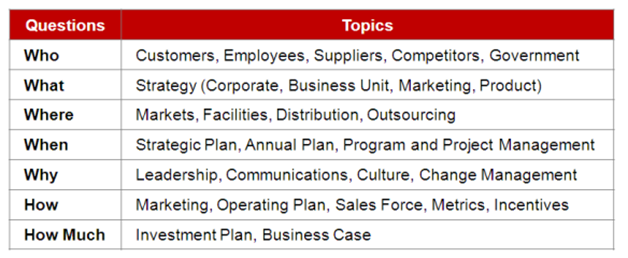
Make sure that your evidence is credible, rigorous, and specific. For instance, you can describe situations where you have worked as part of a team, or solved a problem, or resolved a conflict. Ensure that your evidence addresses the context and the specifics; such as questions of who, what, where, when, why, how, and how much.
Employability skills are the building blocks of your career. One of the best investments you can make is to invest in your employability skills. Think about the actions you can take to improve and practice your employability skills. How can you add these skills to your CV and to your repertoire?
Below are some actions or ideas to start with. Please choose which ones you will be applying starting today:
- Improve your body language and tone of voice by better observing what works really well and what works not so well,
- Develop your emotional intelligence by improving your ability to recognize, understand, and manage your own and others’ emotions,
- Improve your negotiation and persuasion skills by finding mutually agreeable solutions to pressing problems or situations,
- Use your initiative to identify where high priority work needs to be done, remove the obstacles, and complete the tasks required,
- Develop a willingness to learn by being open to new ideas and experiences, and deepening your skills and knowledge every day,
- Develop your resilience, flexibility, and adaptability by navigating uncharted waters and taking risks,
- Get involved in extracurricular activities and projects to develop a well-rounded set of skills,
- Improve your problem-solving skills by trying out different solutions, asking for guidance, looking for patterns, adopting a growth mindset, and increasing your experimentation,
- Improve your writing skills through clarity, focus, flow, conciseness, and engaging storytelling,
- Polish your presentation skills by practicing, asking for feedback, striking up conversations, using humor, and capturing attention,
- Embrace change by setting new challenges for yourself, such as acquiring new skills, hobbies, languages, sports, or arts,
- Keep learning and improving yourself 1% every day — which means you will achieve an improvement of 37 times over the course of just one year.
I hope this exercise helped you to think systematically about your employability skills.
The key here is to come up with your own evidence about each skill that matters.
Go back to your life and remember all the times that you have used these skills to solve an issue. How did you save the day? How did you make a positive change?
It is important that you tell your stories clearly, passionately, and confidently. It is this kind of authenticity and competence that will enable you to get the job. Best luck!


