
Develop a Leadership Style Like Lincoln’s and Gain Respect From Your Enemies And Rivals
A man’s true-to-life tortoise and the hare story
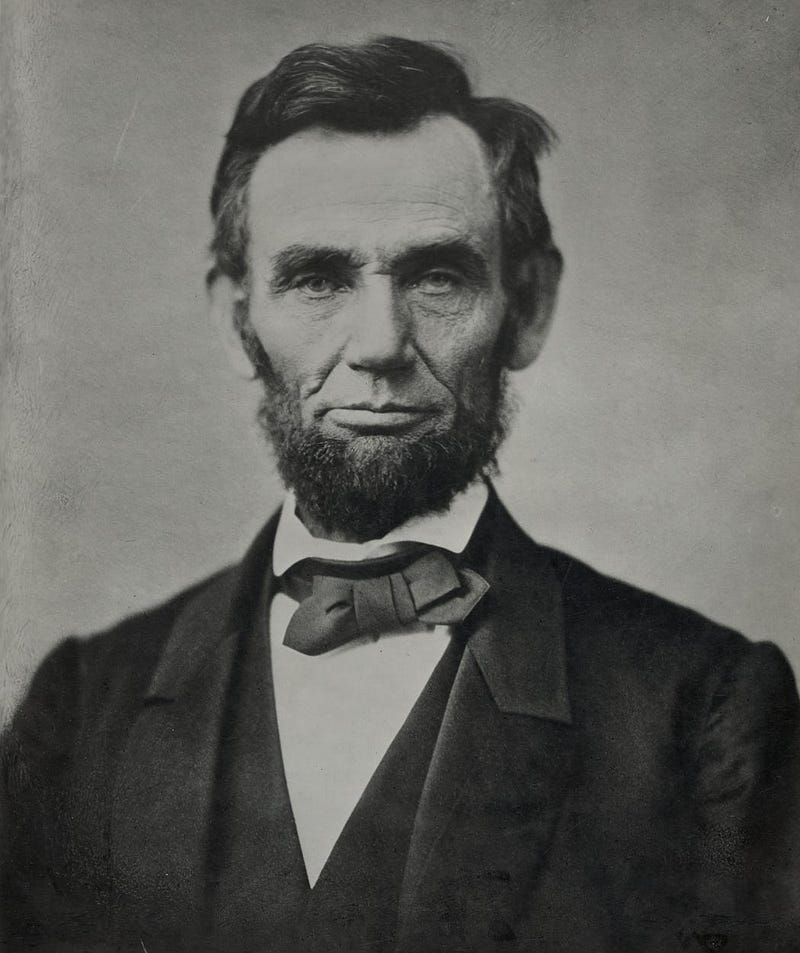
Lincoln’s ability to retain his emotional balance in such difficult situations was rooted in acute self-awareness and an enormous capacity to dispel anxiety in constructive ways.” ― Doris Kearns Goodwin
Have you ever gone through a rough patch in your life and later realized the experience prepared you for some future success?
Few people knew more about the benefits of hardships than Abraham Lincoln. At a young age, he endured the loss of family members and suffered a strained relationship with his father. However, these experiences only strengthened Lincoln’s resolve and ambitions.
In the 1840s, after Lincoln’s party, the Whigs split over the slavery issue, he joined the Republican Party. The outspoken statesman Salmon Chase, New York Senator William Henry Seward, and prominent St. Louis statesman Edward Bates were among the party’s high-profile members. These men all became rivals in the 1860 race for the presidency.
Lincoln quickly built momentum while his rivals rested on their laurels, thinking him to be no threat. After becoming president, however, Lincoln brought these disgruntled opponents together to create the most unusual cabinet in American history. He built a Team Of Rivals.
Lincoln’s many childhood hardships shaped his ambitions and strengthened his resolve to succeed as an adult. Due to his brief track record in politics, Lincoln was the most unlikely choice as a presidential candidate. After his assassination, both the North and South felt the country had suffered a tragic loss since his leadership was extraordinary.
Lincoln was born in a tough time, but his personal hardships ran much deeper
As soon as his father determined Abe was capable, he put him to hard labor on the farm, where he chopped down trees, dug wells, and plowed fields.
Lincoln’s father didn’t care that Abe wanted to educate himself. Being illiterate himself, he couldn’t see the benefits of learning. He thought it would only distract Abe from chores. He opposed his son’s reading so much that he even burned Lincoln’s books.
One trait he did pass down to his son was his love of storytelling. Abraham always entertained his audience with pointed anecdotes, humorous tales, and inspiring parables.
We don’t know much about his mother, Nancy Hanks; she was a warm and loving soul who taught Abraham to read and write. Sadly, Lincoln would only experience her loving encouragement until age nine, when she died after eating a contaminated dairy product. Less than ten years later, his sister Sarah died during childbirth. He even lost the love of his life, Ann Rutledge, in 1835.
These difficulties didn’t break Lincoln’s spirit but hardened him and spurred him to make something great of himself. The lesson is to let our challenges make us better, not bitter. In 1837, he moved to Springfield, Illinois, where he worked relentlessly on his career in law and politics.
Despite being far from the top choice as the Republican nominee, Lincoln won in a true-to-life tortoise and the hare story
Lincoln’s career in politics was relatively brief compared to the other candidates. So, who were these “rivals,” and what superpowers did they possess?
William Henry Seward was an expert in the political arena, with his rousing senate speeches making headlines nationwide. He had an exuberant and charismatic personality. This made an excellent recipe for success.
Salmon Chase was the great “trailblazer” for the anti-slavery cause. He made a name for himself by defending escaped slaves and fighting against the Fugitive Slave Law.
Edward Bates was one of the most esteemed candidates for nomination with an impressive track record. He was a veteran of the War of 1812 and one of the men responsible for drafting the Constitution of Missouri.
In contrast, all Lincoln had to offer was a humble career in law and two failed bids at the Illinois State Senate. Unsurprisingly, he initially wasn’t a front-runner for the Republican nomination. It was one David against three Goliaths.
However, while his rivals were overly confident and made some enemies within their own party, Lincoln remained clear and consistent in his anti-slavery stance. Instead of antagonizing people throughout his career, he made friends wherever he went. His persistence and decisiveness eventually led him to victory.
Because of his unusual yet effective leadership style, even Southerners felt Lincoln’s death was a tragic blow to the reconstruction of the United States
Lincoln’s victory in the election was a great testimony to his genius and intelligence as a politician. When it was time for him to choose the members of his presidential cabinet, he was equally as thoughtful and strategic.
Lincoln’s strategy was simple yet unprecedented regarding how a leader might make these choices. Most people in a leadership position will surround themselves with a like-minded company. Lincoln, however, picked the most qualified people, regardless of their former party affiliation. This meant turning to his former rivals: Seward, Chase, and Bates.
Lincoln surrounded himself with ambitious thinkers, not friends and allies, who would unquestioningly support his opinion. He created a powerful group of superheroes, a kind of 19th-century justice league — a team of rivals.
After four years of bloody battles between the North and South, the South finally surrendered on April 9, 1865, ending the war. Just five days later, John Wilkes Booth fired a shot into the back of Lincoln’s head. After Lincoln died the following day, the entire nation, including the South, lost a valuable friend.
Southern-born Montgomery Blair, a founding member of the new Republican party, commented:
Those of Southern sympathies know they have lost a friend, willing and more powerful to protect and serve them than they can now ever hope to find again.
Source: Team of Rivals: The Political Genius of Abraham Lincoln by Doris Kearns Goodwin