Destination Shropshire
The ONLY UK destination on ABTA’s Destinations to Watch 2024 List
ABTA (the Association of British Travel Agents) has just released its top ten list of worldwide destinations report that it believes will offer travellers the best inspiration on their worldwide travels this year. Some of those destinations include:
- Albania,
- Crete,
- Mauritius,
- Vietnam,
- and Zambia.
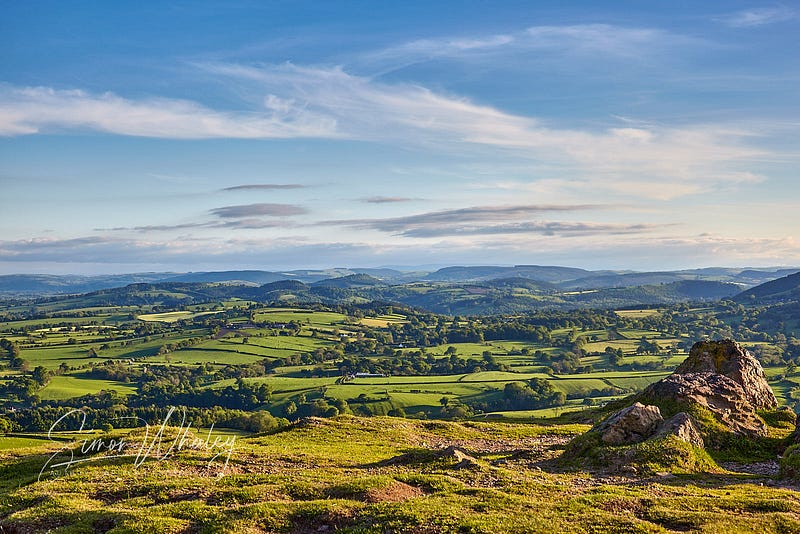
There’s only one British destination in the top ten. Is it London? Nah. Manchester, perhaps? Nope. Edinburgh? Of course not. The only British destination to make it to this prestigious list is my home county of Shropshire.
Where is Shropshire?
I wouldn’t be surprised if ABTA included the gorgeous county of Shropshire on their list because it might as well be abroad for some Brits. That’s because many of them struggle to pinpoint this stunningly beautiful area on the map. When I moved here twenty-seven years ago, I told my London-based friends to take the M1 motorway from London, turn left onto the M6 motorway, head past Coventry, continue through Birmingham, and when you find yourself trundling around Wolverhampton, turn left again onto the M54. This peters out after Telford and becomes the A5 to reach Shrewsbury, the county town.
Here’s a link to Google Maps for those keen to pinpoint Shropshire on the Globe.
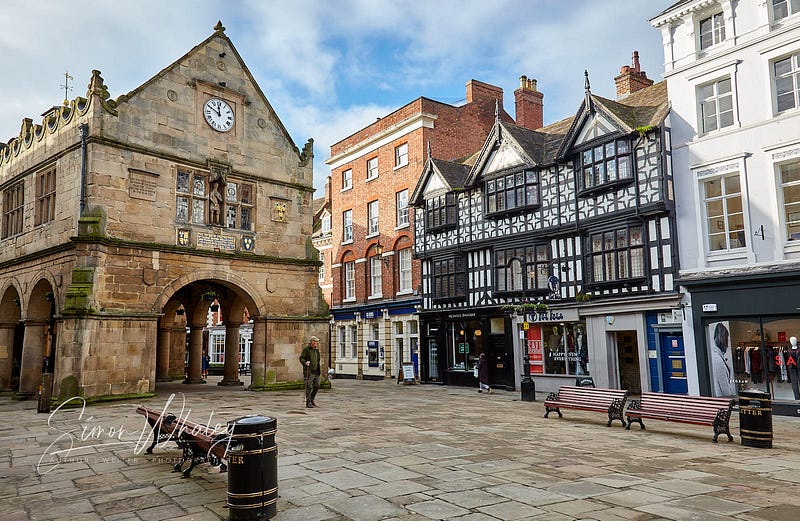
Shrewsbury
One of the reasons people never knew where Shropshire was could have been down to poor rail connections. Don’t get me wrong, Shropshire is on the railway network, but for many years the county’s claim to fame was that it was the only English county without a direct train service to the capital city. That has now changed, although don’t expect an hourly service. We have two — a day! (Those of us travelling from Shrewsbury to London have two options: 06:14 service and the 11:12 service. Well,m who wants to go to London in the afternoon, anyway?)
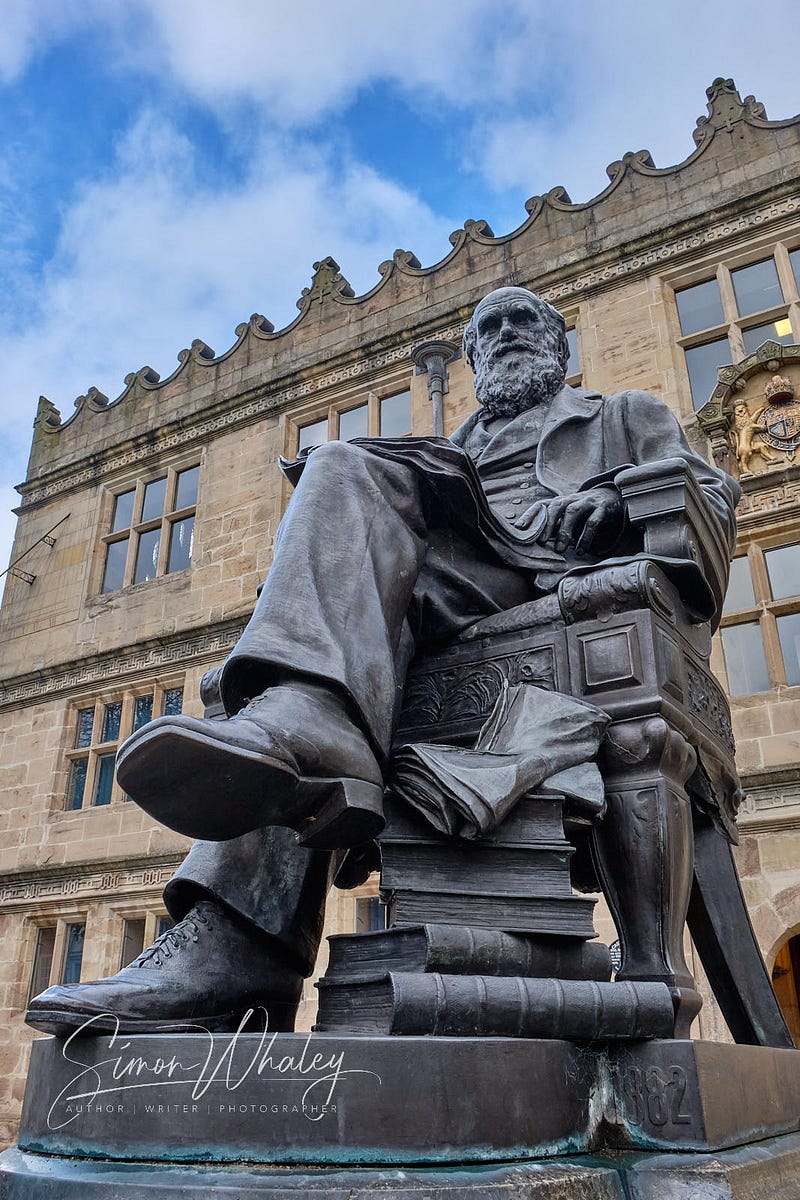
So what makes Shrewsbury special? Well, it’s where Charles Darwin was born. There’s a statue to him outside the county library, which is where Darwin went to school.
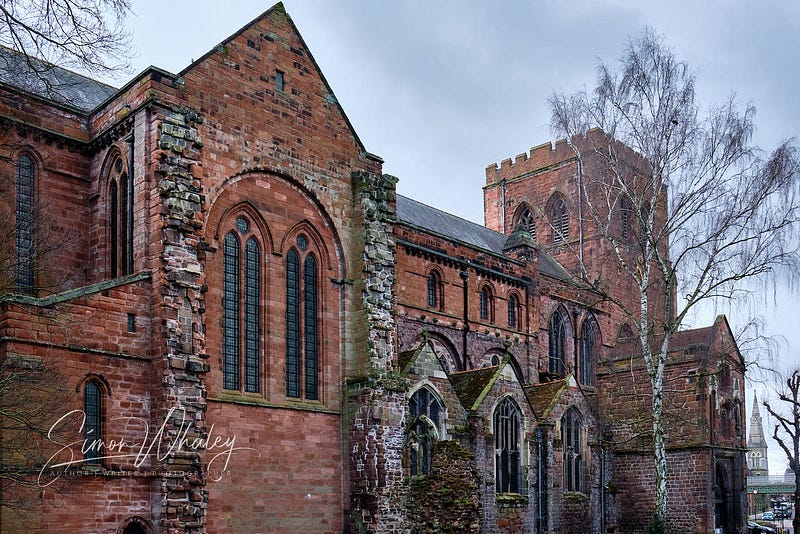
Shrewsbury Abbey is where the novelist Ellis Peters set her bestselling Brother Cadfael crime novels.
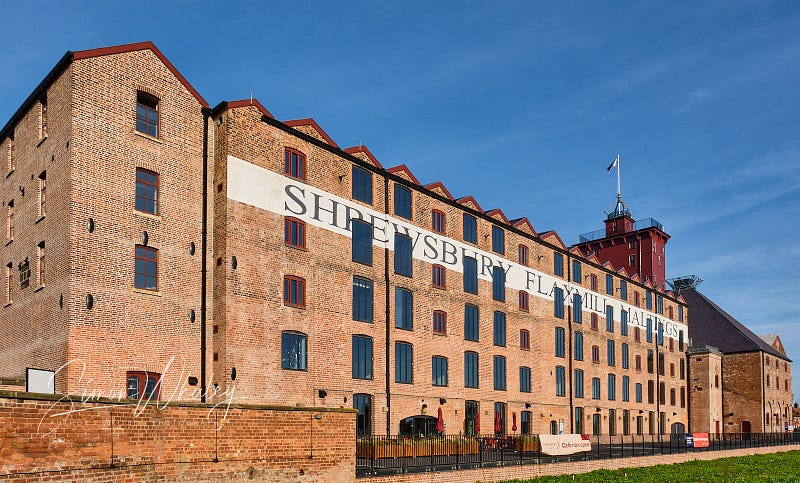
Shrewsbury is also home to the Flaxmill Maltings, the world’s oldest iron-frame building. This is known as the Grandfather of all Skyscrapers, because without the knowledge that went into creating this building in 1797, the world wouldn’t have known how to build skyscrapers. (Just think — with no Shropshire, there wouldn’t be a New York skyline, a Shanghai Tower, or a Burj Khalifa. It’s okay, you can thank us later.)
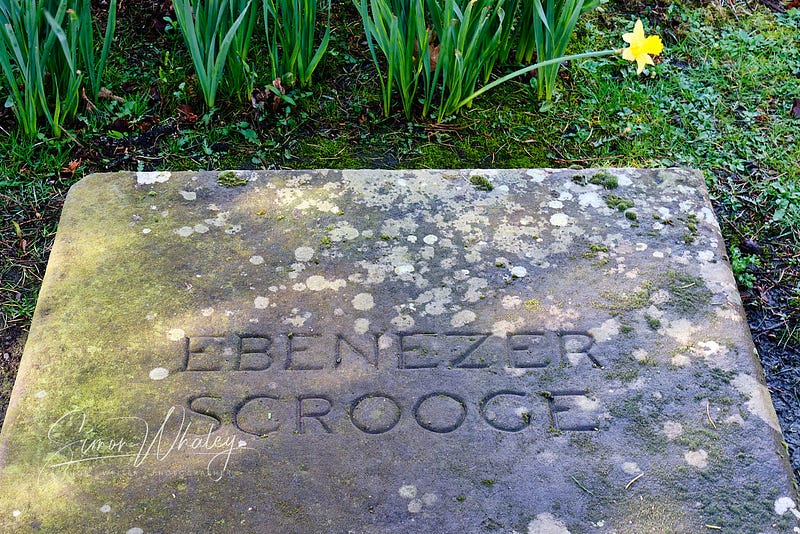
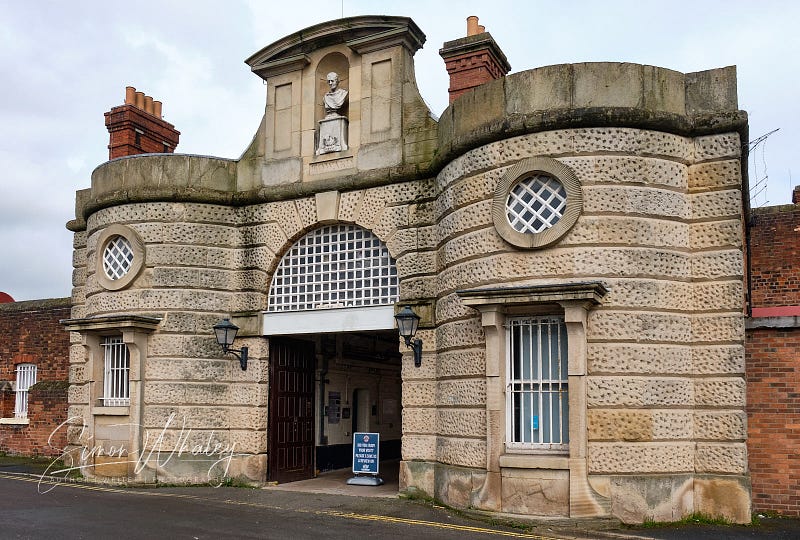
When you wander around Shrewsbury, you might get a feeling of deja vu. That’s because it has been on television and film a bit. Shrewsbury Prison is often used as a television set, and the 1984 screen adaptation of A Christmas Carol was filmed here, with George C Scott as Scrooge. Don’t believe me? Well, go and visit Scrooge’s gravestone, a leftover from filming, in St Chad’s churchyard.
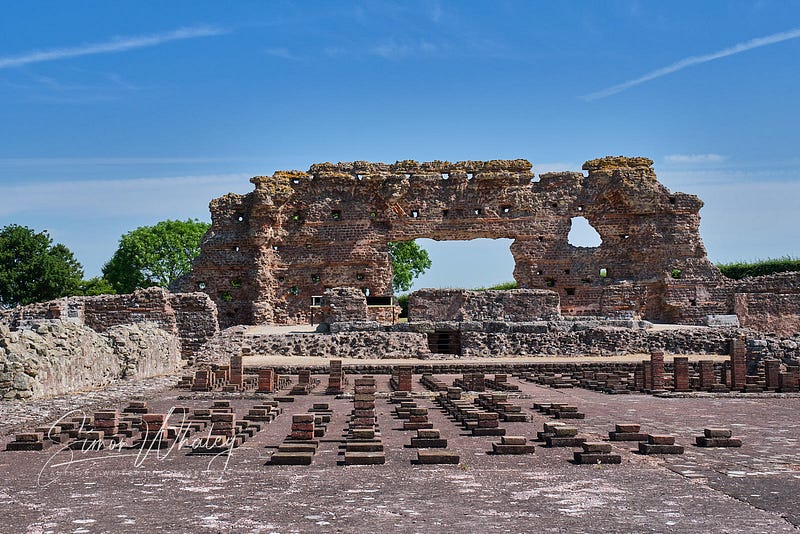
Just outside Shrewsbury is Wroxeter Roman City, which has the remains of the highest free-standing Roman wall in Britain. Yeah, yeah, yeah, I know, you’ve probably heard that Chester’s got some Roman walls, and York has, too, but none of them are as freestanding, and as tall as Wroxeter’s. That might also have something to do with the fact that, at its height, Wroxeter as a Roman city was even bigger than Pompeii, so if I’m honest, you’re just wasting your time going to Italy. Just come to Shropshire.
Ironbridge
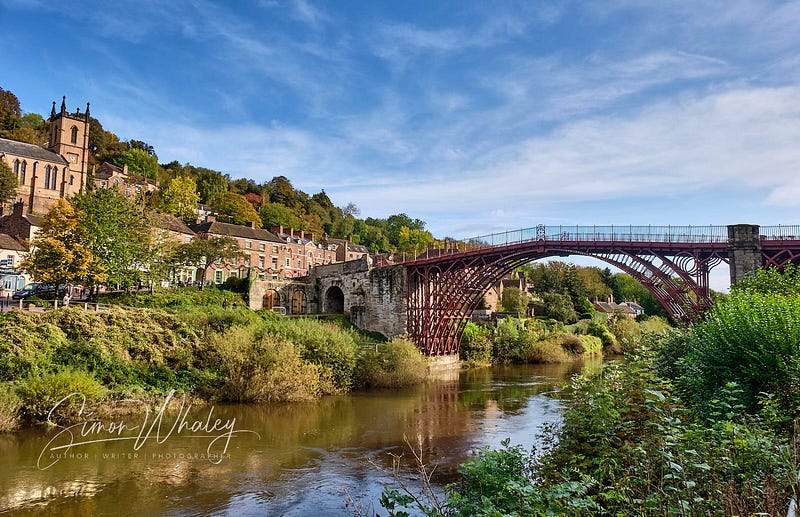
Remember the skyscraper claim to fame? Well, part of that is because a few miles downstream of the River Severn from Shrewsbury, is Ironbridge. This World Heritage Site is known as the birthplace of the Industrial Revolution, for it’s here that they worked out how to produce iron cheaply. So confident were they of their superior iron, that they built the world’s first iron bridge (okay, I admit, we might be world leaders when it comes to making stuff, but when it comes to naming places, we clearly can’t be naffed to put too much effort into that).
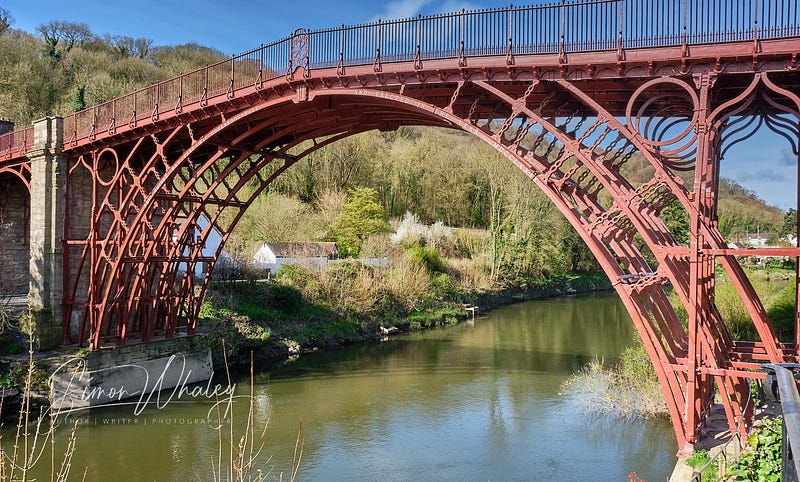
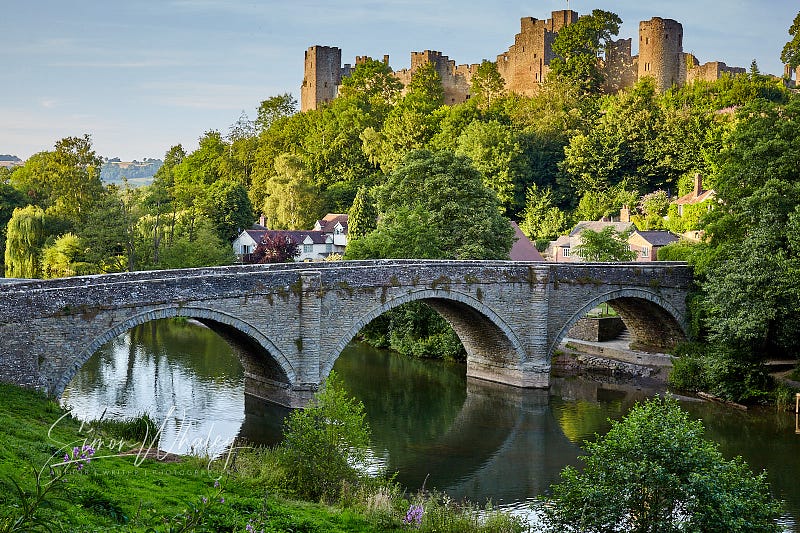
Of course, the irony is, that while some people call it the birthplace of the Industrial Revolution, in the light of the impact industrialisation has had on the planet, some now call it the birthplace of global warming. How apt then, that as I write this, excessive rainfall means the current river level is about halfway up the side of the bridge you see in the photo above, and much of the valley and the houses within it are experiencing horrific flooding issues. Still, you have to admit, it does look pretty on a sunny day.
The South Shropshire Hills
A large swathe of the southern half of the county is a National Landscape, known as the South Shropshire Hills. In the UK, National Landscapes are like National Parks, but less busy.
I’m not sure how anyone measures ‘scene quality’ but the landscape in a National Landscape is just as scenically beautiful as that found in a national park. The only difference between a National Landscape and a National Park is that in the UK a National Park authority has extra planning regulations and it has to promote the area as an outdoor playground. This means that the UK National Parks like the Lake District, the Yorkshire Dales, the Peak District, and the South Downs are busy promoting themselves to visitors (and clogging up their roads and footpaths) and here in Shropshire, we’re just enjoying the views.
Church Stretton
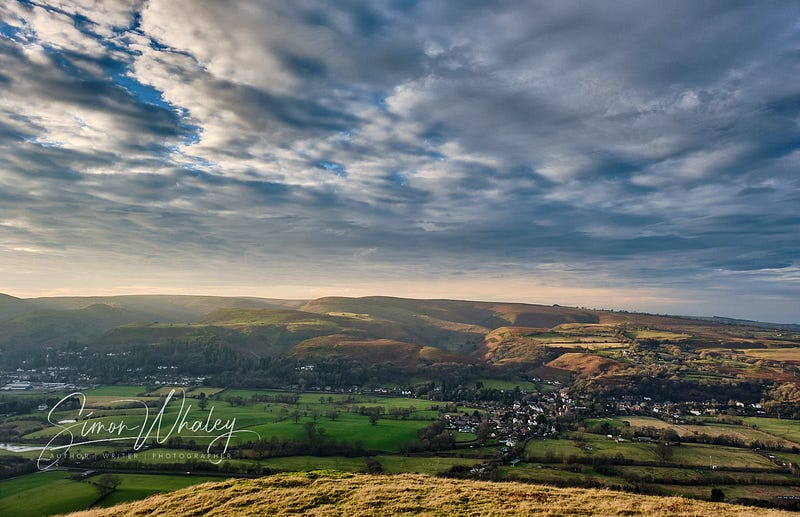
Within the South Shropshire National Landscape are some fascinating places, but Church Stretton is the only town within the National Landscape boundary. It’s also my home town, so I’m a bit biased about the place.
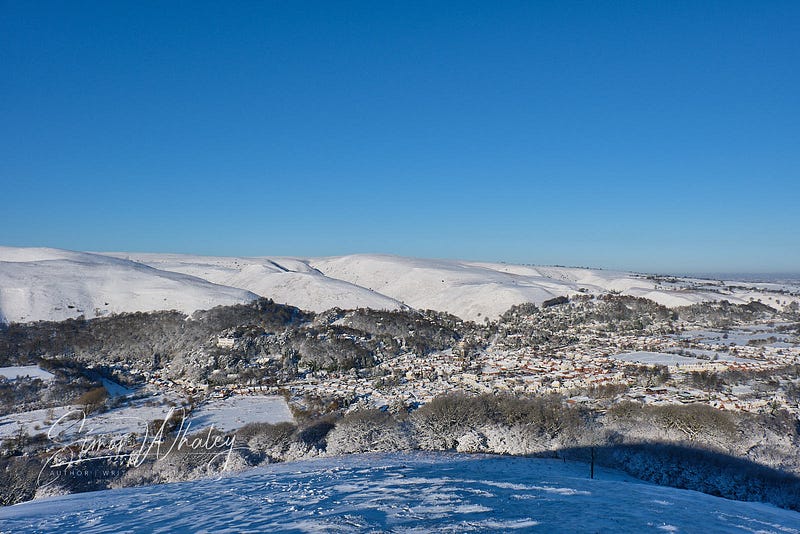
Because of the hilly landscape, it does mean that if anywhere in Shropshire is due to get any of the white stuff, then snow will fall in Church Stretton. It’s one of the reasons the town is sometimes referred to as Little Switzerland. So, why bother going to Switzerland (which has a reputation of being expensive) when you can come to Little Switzerland in Shropshire?
Ludlow
South Shropshire’s biggest town is Ludlow, often referred to as a ‘foodie’ town, because it has a couple of Michelin-starred restaurants and is home to a food festival every September.
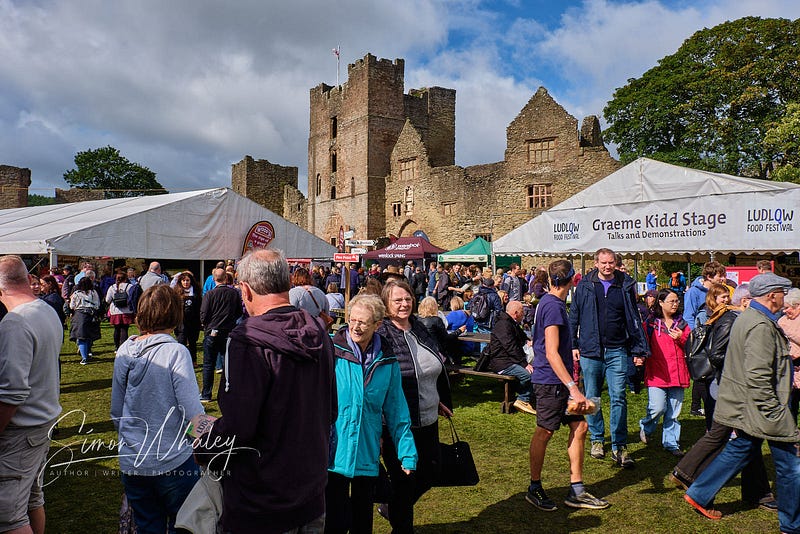
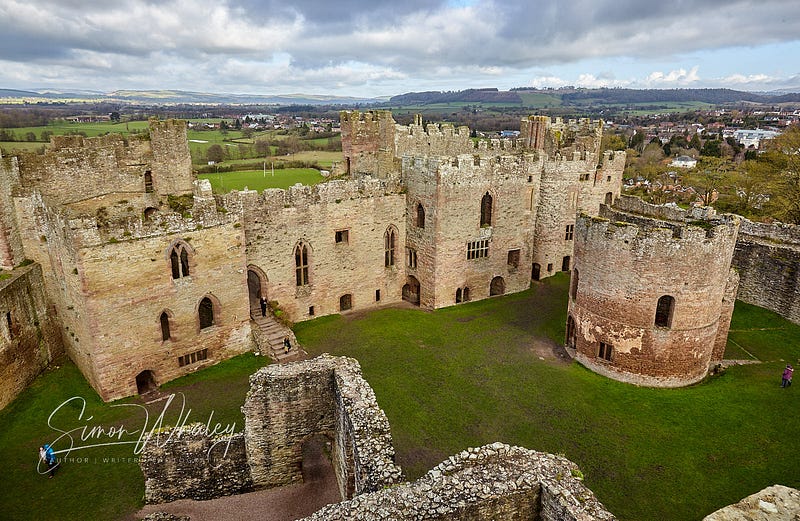
The event is housed in Ludlow Castle, one of the finest Norman castle remains to be found in the UK. After that French bloke invaded about a thousand years ago and stuck an arrow in our King’s eye, he gave his supporters huge swathes of land and encouraged some of them to build castles in some particularly troublesome areas — Ludlow being one of them.
You see, Shropshire is in England but borders Wales, which in those days was fighting to keep the pesky English out of its equally beautiful country. Irrespective of whose side you’re on today, Ludlow Castle is well worth a visit to explore its ruins, its unusual circular stone keep, and its amazing views.
Castles Galore
Being part of the Welsh Border means it’s not just Ludlow Castle to be found among the county’s confines. You could spend an entire week visiting all the county’s castles and still not visit them all. (If you want stats, then the county has 32 castles and 25 hillforts.) By the way, Prince Arthur’s heart is buried under Ludlow Castle. (He was Henry VIII’s older brother.)
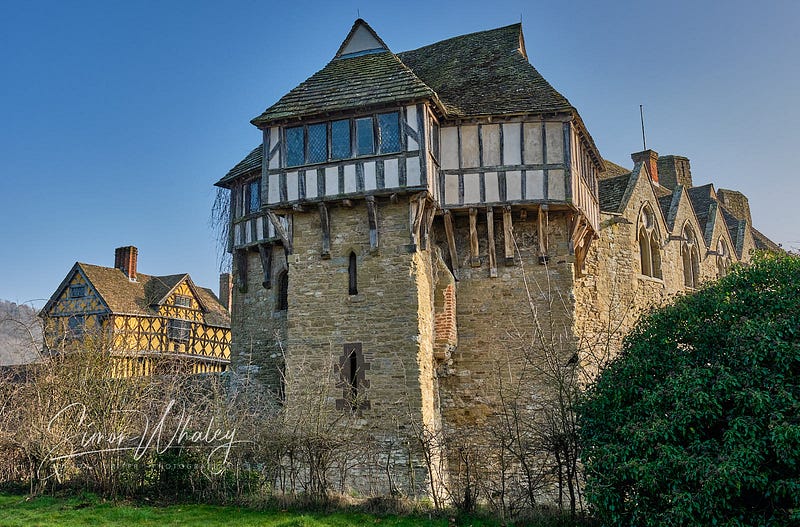
There’s Stokesay Castle at Craven Arms (more of a fortified manor house than a castle, if we’re being really picky …)
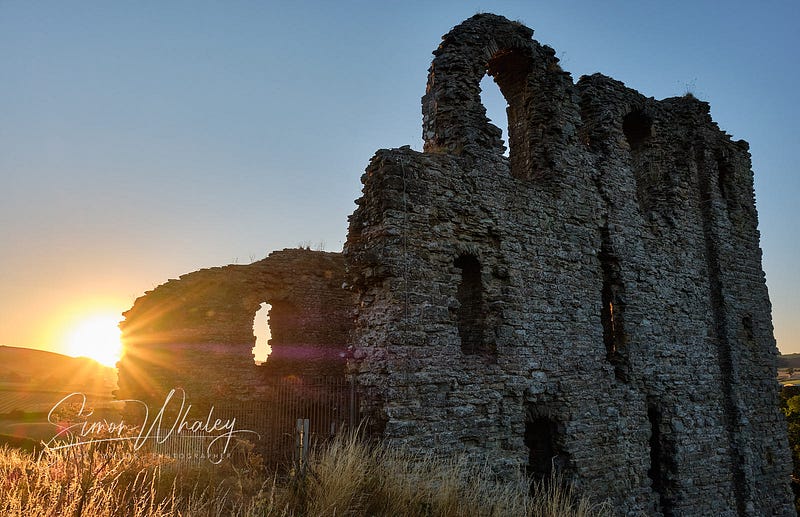
And the remains of Clun Castle …
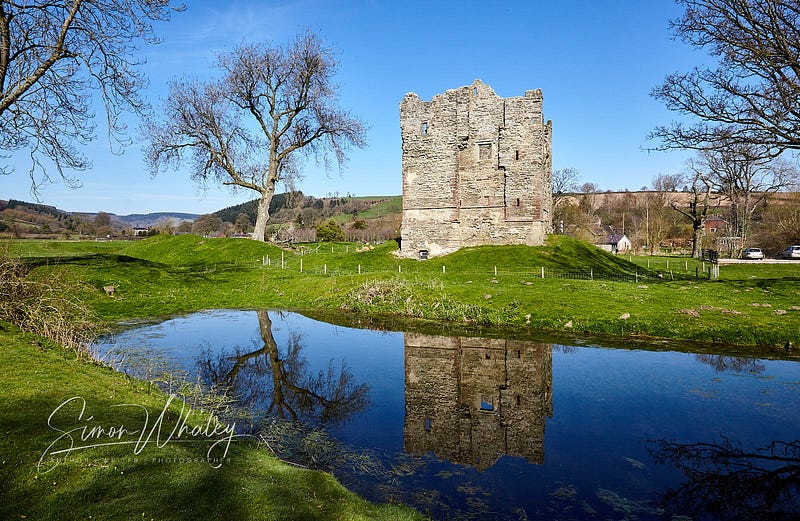
And Hopton Castle, which didn’t do well during the Civil War.
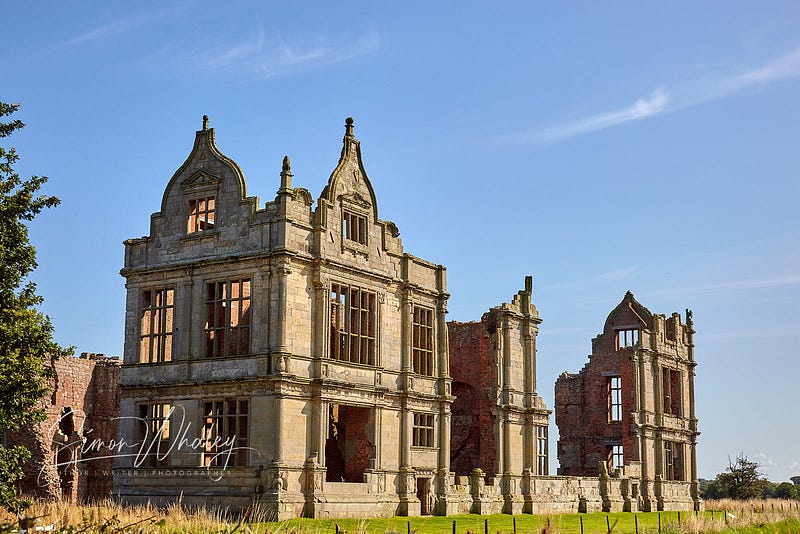
And Moreton Corbet Castle is not what it used to be …
Oh, and while you’re here, did you know that most castles in the UK are either owned by preservation societies like the National Trust, English Heritage, CADW, Historic Scotland, or private individuals? But there is only one castle in the whole of the UK owned by the local community, and that’s Whittington Castle in Shropshire.
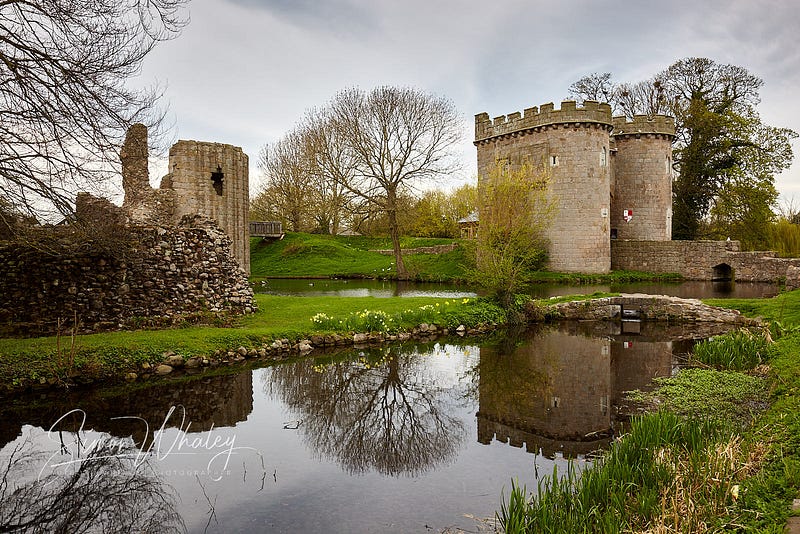
Have you heard of Dick Whittington, London’s most famous mayor (he was Mayor of London three times)? Guess where he came from? (Actually, there’s some dispute over this, but if you were going to London to make your fortune taking the name of the village you came from makes perfect sense, doesn’t it?)
Shropshire Rocks
You’ll have gathered by now, that there’s a lot going on in one of the UK’s most sparsely populated counties, and so you’ll know what I mean when I say that Shropshire rocks. But it does, literally. We may not be on the San Andreas fault line, but the county has experienced a few earthquakes from time to time. The most recent large tremor was on 2nd April 1990 when the Bishop’s Castle quake registered a magnitude of 5.1.
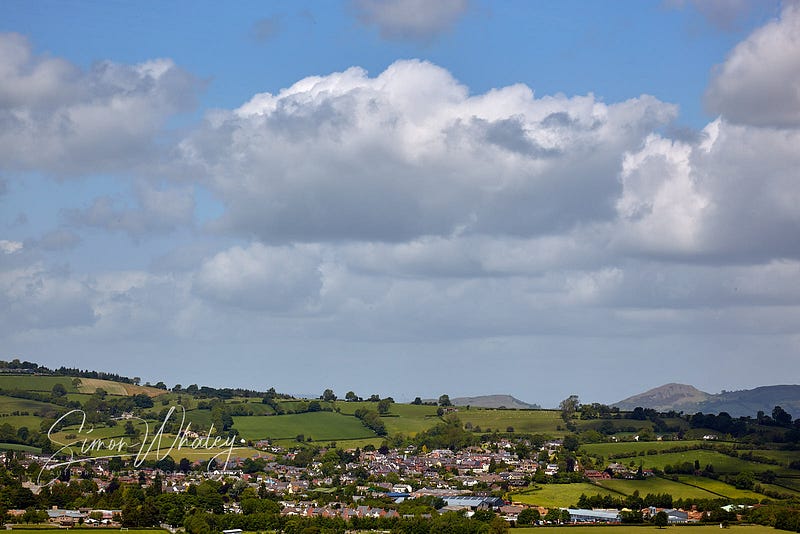
Now I might live thirteen miles from Bishop’s Castle, but when we bought the property I now live in, the structural survey mentioned some of the bricks were cracked during the Bishop’s Castle quake!
Which is rather ironic when my home town of Church Stretton lies on a fault line too. Spot the line of hills denoting the geological faultline!
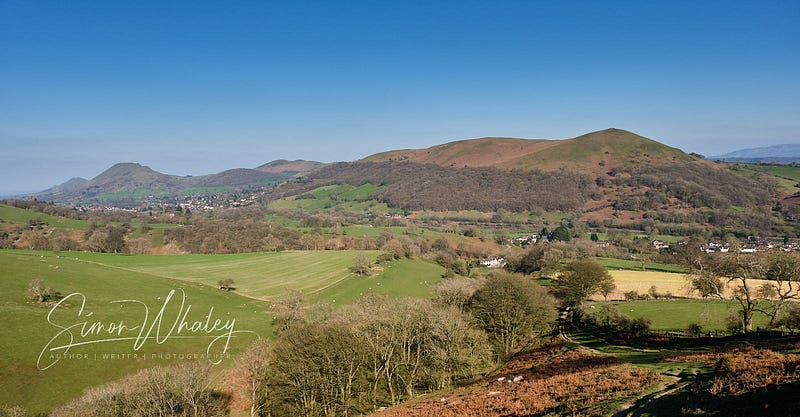
Shropshire rocks in other ways, too. So diverse is the geological makeup of the county that Shropshire contains rocks from 11 of the 13 recognised geological periods. So why even bother travelling the world to look all those different rocks when you can see most of them here?
More Reasons to Visit Shropshire
The trouble is, I haven’t even begun to scratch the surface of what to see and do here, because Shropshire just outshines the rest of the world in so many ways.
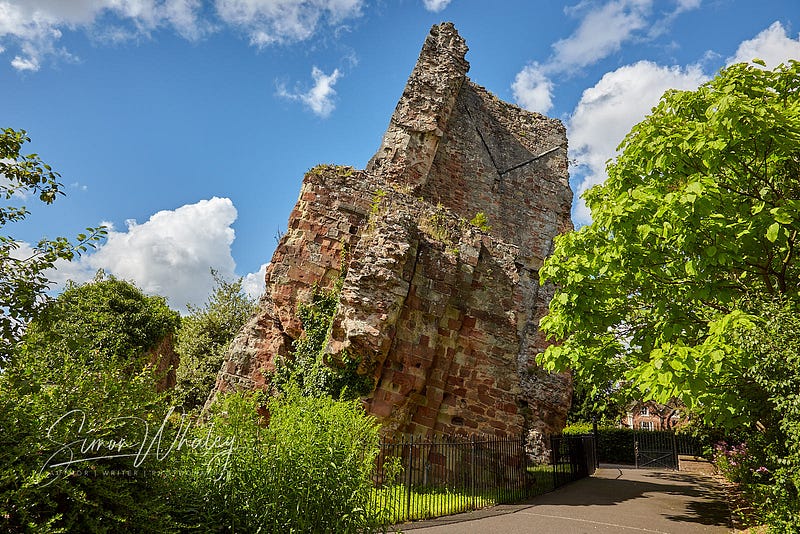
Take Italy’s Leaning Tower of Pisa, for example. That leans at an angle of nearly four degrees. Four degrees? Is that all? Visit Bridgnorth and you’ll see Bridgnorth Castle leans at seventeen degrees!
And think the Olympic Games are Greek? WRONG! Okay, let’s be technical here, the Olympic Games originated in Greece, but the modern Olympic Games movement only began in 1896. And that was down to a local GP from the Shropshire market town of Much Wenlock called Dr William Penny Brookes, who created the Wenlock Olympic Games, and dreamed of turning it into a worldwide event. He joined forces with Pierre Coubertin, and together they pushed for the creation of the modern Olympic Games.
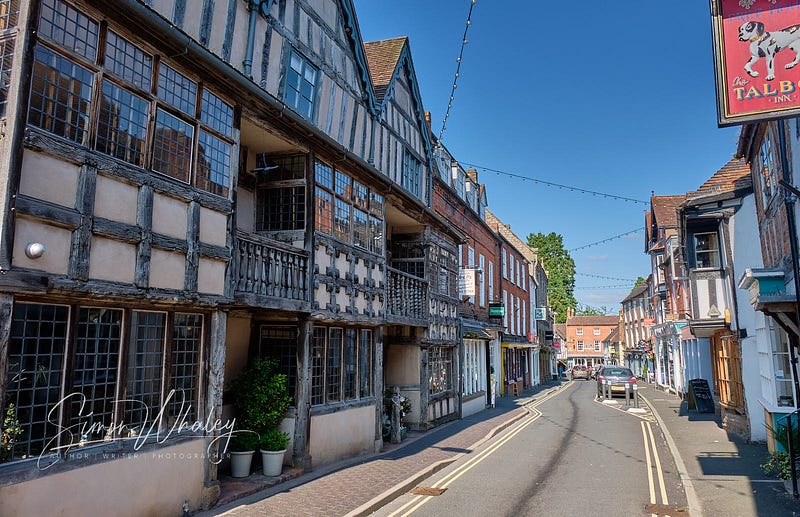
If you ever visit Much Wenlock, check out the town’s Olympic Trail, which takes you on a tour of the quaint town, passing key venues for the town’s games (which also had an opening and closing ceremony — which the modern movement adopted).
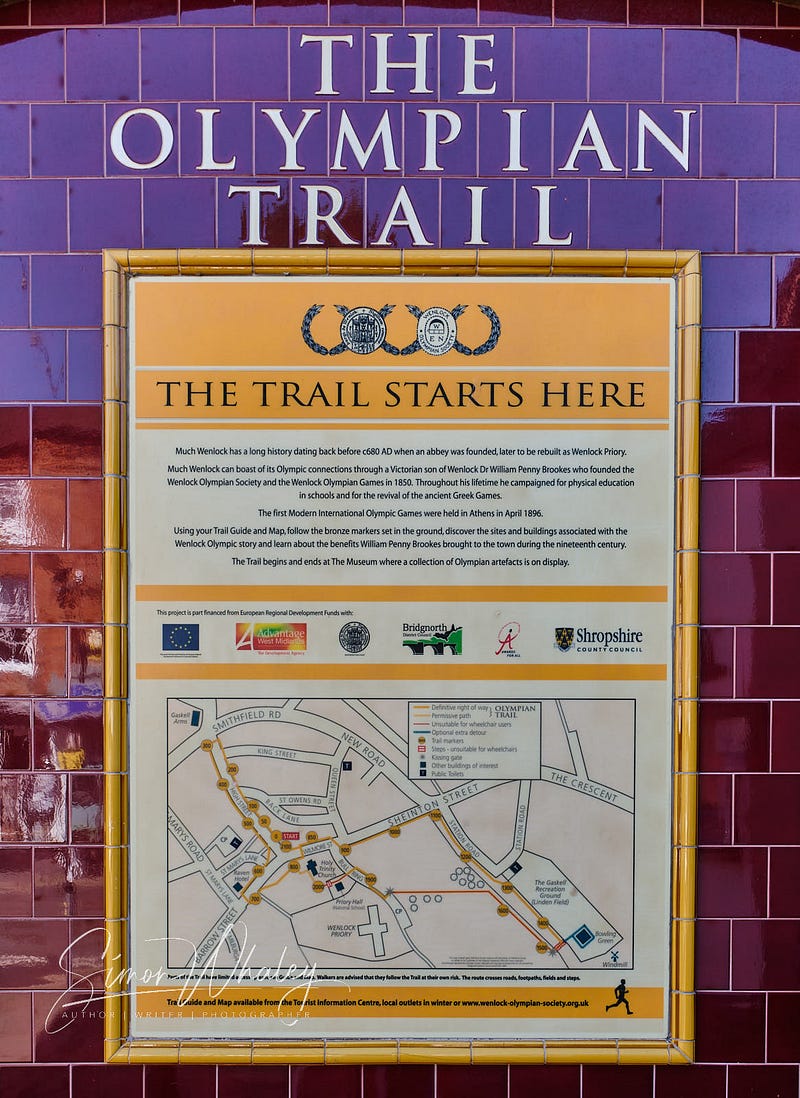
So when you sit down to watch the Olympic Games in Paris this year, just remember, they wouldn’t be happening if it wasn’t for a sleepy little town in Shropshire!
And then there’s … No. I’m going to have to stop. I can’t mention everything, otherwise, we’d be here for another few hundred years!
So next time you sit down to plan where you fancy going, perhaps consider adding Shropshire to your list. I only have one request though … please don’t all come at once. We’ve got a short motorway (and it’s only two lanes each way), and no airports, although the main train line connects with Cardiff (the Welsh capital) and Manchester.
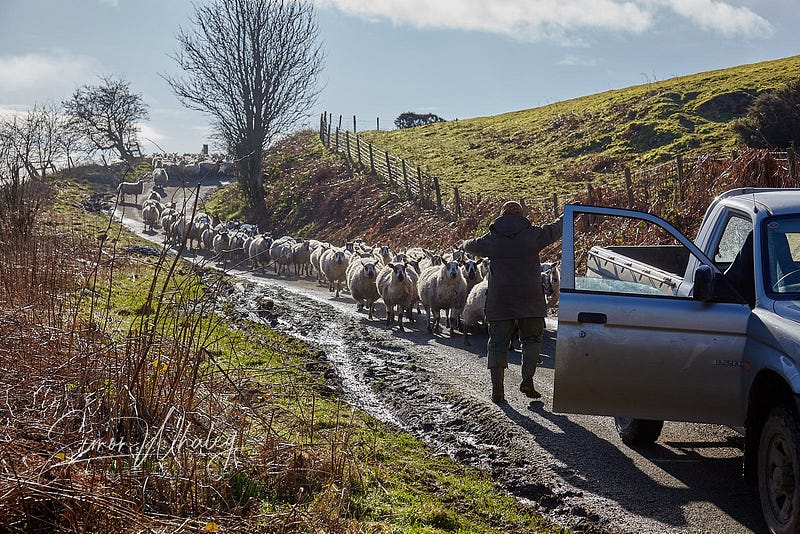
Oh and if you want to know what rush hour looks like …