avatarMartin Lostak

Free AI web copilot to create summaries, insights and extended knowledge, download it at here

1280

Abstract

ing users the latest and greatest, but not more than they can handle.</b></p><h2 id="f9ce">The Apple Story: Applying MAYA:</h2><p id="2467">Let’s talk iPod and iPhone. Apple didn’t introduce the iPhone as the first-ever smartphone.</p><p id="a2ba">They had their users’ skills and mindset in mind. <b>The gradual shift from the iPod to the iPhone was the secret sauce.</b></p><h2 id="2a92">The Art of Gradual Progress:</h2><p id="2345"><b>Don’t shock your users with a total makeover.</b> Loewy and Apple both show us the importance of making changes in baby steps.</p><p id="8118">Balancing the known and the new is an art. When Loewy designed, he danced on that tightrope to make products that users loved.</p><h2 id="4a6f">How to Apply MAYA in Your Designs:</h2><p id="a037">You don’t have to be a tech giant to apply the MAYA Principle. Whether you’re designing products or interfaces, find that sweet spot between familiar and innovative.</p><h2 id="269a">The ZPD: Your Design Compass:</h2><p id="ddbe">Lev Vygotsky’s Zone of Proximal Development (ZPD) is a tool you can use. It’s like a map of what users can easily learn and what might need a little guidance.</p><p id="3d9c"><b>To succeed, you must decide: lower ZPD (what users can learn independently) or upper ZPD (with

Options

a little help).</b></p><h2 id="3a59">The Ultimate Rule:</h2><p id="ccd7">Simplicity is Key: If you need a manual to understand a product, it’s too complex. Users should grasp your design instantly, and that’s the goal.</p><h2 id="7b92">Lessons from Psychology and Philosophy:</h2><p id="956f">Kierkegaard and Vygotsky have wisdom to offer. They taught us that learning is all about finding what’s “acceptable” to the learner.</p><figure id="b509"><img src="https://cdn-images-1.readmedium.com/v2/resize:fit:800/1*0wFjjrEJDxz97OCdqTqjhg.jpeg"><figcaption>Photo by <a href="https://unsplash.com/es/fotos/6Lf1kzL4AfY">Hayley Murray </a>on <a href="https://unsplash.com/es/fotos/6Lf1kzL4AfY">Unsplash</a></figcaption></figure><p id="ae27">Designing for the Future, Gradually: The MAYA Principle is your design compass. Loewy and Apple mastered it. You can too. Keep your users in mind, find that perfect balance, and let your designs shine.</p><p id="0f44">If you enjoy reading stories like these and want to support me as a writer, <a href="https://medium.com/@martin.lostak/membership">consider signing up to become a Medium member.</a> It’s $5 a month, giving you unlimited access to stories on Medium. I’ll earn a small commission if you sign up using my link.</p></article></body>

“Designing the Future: The MAYA Principle That Makes Users Love Your Products”

Ever wondered how your favorite products find that sweet spot between innovation and user-friendliness? It’s all thanks to the MAYA Principle, and it’s the magic wand behind products like the iPhone.

The Power of MAYA:

You know that feeling when you see a shiny new gadget, and you can’t wait to get your hands on it? The MAYA Principle is what makes that magic happen.
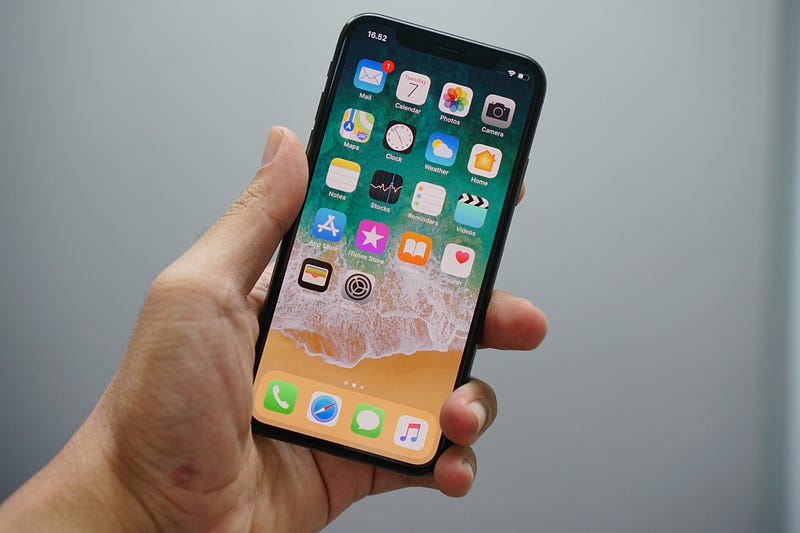
Photo by Bagus Hernawan on Unsplash

Meet the Mastermind: Raymond Loewy:

Imagine designing Air Force One, the Coca-Cola bottle, and the Shell Oil logo. Raymond Loewy did, and these iconic designs are still with us today. He was the guru of design, and we have much to learn from his wisdom.

The MAYA Principle Unveiled:

What’s MAYA? It stands for “Most Advanced. Yet Acceptable.” In a nutshell, it means giving users the latest and greatest, but not more than they can handle.

The Apple Story: Applying MAYA:

Let’s talk iPod and iPhone. Apple didn’t introduce the iPhone as the first-ever smartphone.

They had their users’ skills and mindset in mind. The gradual shift from the iPod to the iPhone was the secret sauce.

The Art of Gradual Progress:

Don’t shock your users with a total makeover. Loewy and Apple both show us the importance of making changes in baby steps.

Balancing the known and the new is an art. When Loewy designed, he danced on that tightrope to make products that users loved.

How to Apply MAYA in Your Designs:

You don’t have to be a tech giant to apply the MAYA Principle. Whether you’re designing products or interfaces, find that sweet spot between familiar and innovative.

The ZPD: Your Design Compass:

Lev Vygotsky’s Zone of Proximal Development (ZPD) is a tool you can use. It’s like a map of what users can easily learn and what might need a little guidance.

To succeed, you must decide: lower ZPD (what users can learn independently) or upper ZPD (with a little help).

The Ultimate Rule:

Simplicity is Key: If you need a manual to understand a product, it’s too complex. Users should grasp your design instantly, and that’s the goal.

Lessons from Psychology and Philosophy:

Kierkegaard and Vygotsky have wisdom to offer. They taught us that learning is all about finding what’s “acceptable” to the learner.
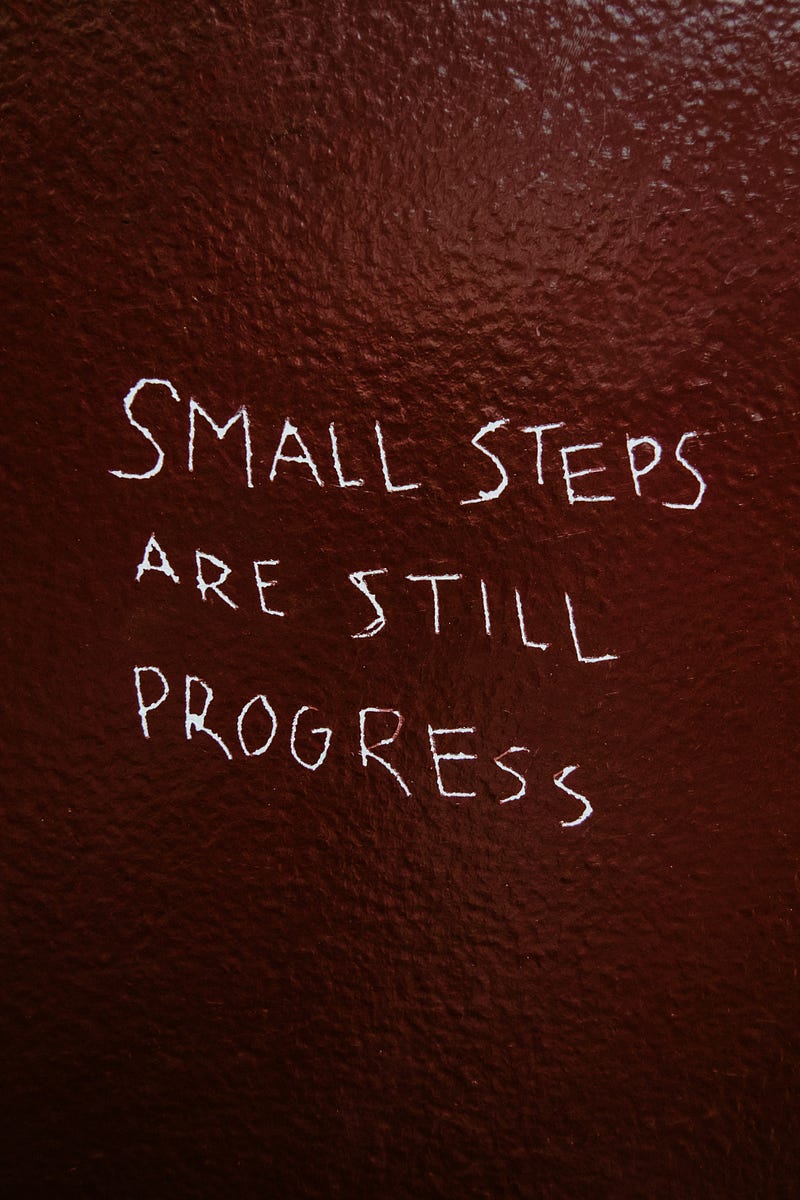
Photo by Hayley Murray on Unsplash

Designing for the Future, Gradually: The MAYA Principle is your design compass. Loewy and Apple mastered it. You can too. Keep your users in mind, find that perfect balance, and let your designs shine.

If you enjoy reading stories like these and want to support me as a writer, consider signing up to become a Medium member. It’s $5 a month, giving you unlimited access to stories on Medium. I’ll earn a small commission if you sign up using my link.

Process
Progress
Marketing
Product
Selling
Recommended from ReadMedium