
Designing For Mobile: Best Practices For Creating A Seamless Mobile Experience
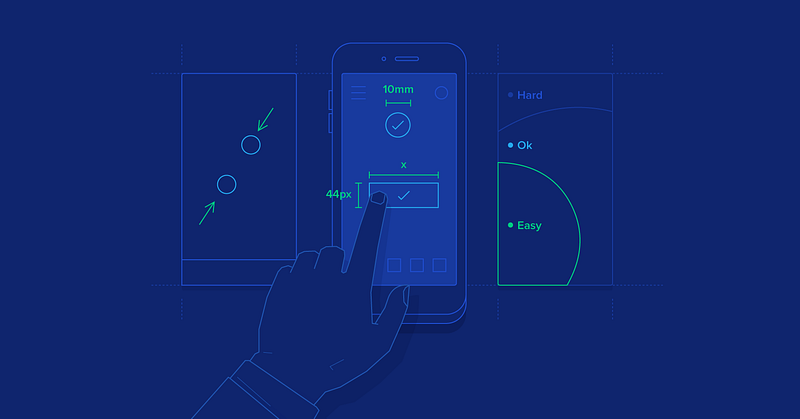
Designing for mobile is a critical aspect of creating a seamless user experience for your customers. With the increasing use of mobile devices to access the internet, it’s essential to ensure that your mobile website or application is optimized for both usability and accessibility. In this blog post, we will explore some of the best practices for creating a seamless mobile experience, drawing on insights from industry experts.
First and foremost, it’s essential to understand the user’s goals and remove any obstacles that may prevent them from achieving them. This means breaking large tasks into smaller, meaningful chunks, making it easier for users to quickly accomplish their core functions within your mobile app. Adobe highlights this in their blog post on mobile design best practices, stating that:
“Clear and Seamless User Flow reduces the effort users have to put in to get what they want” [1].
This can be achieved through careful user research and testing to understand the user’s needs and pain points.
Another critical aspect of designing for mobile is responsiveness. Neil Patel, in his blog post on mobile design best practices, states that:
“If you were around during the advent and uprise of the mobile web, you might recall that most websites actually built entirely new layouts for mobile that would work for the smaller screens of the pre-iPhone era” [2].
With the wide range of mobile devices available today, it’s essential to ensure that your mobile website or application adapts to the screen size and resolution of the user’s device, providing a consistent and optimal experience across devices.
Another important aspect of designing for mobile is to blend useful and intuitive experiences. ThoughtSpot, in their blog post on mobile app design best practices, states that “Reduce the effort users have to put in to get what they want” [3]. This means that the design of your mobile application should be intuitive and easy to use, with an emphasis on simplifying the user’s experience. This can be achieved through careful user research and testing, as well as through the use of design patterns and guidelines that have been proven to be effective.
Another important aspect of designing for mobile is accessibility. With the increasing use of mobile devices by people with disabilities, it’s essential to ensure that your mobile website or application is accessible to all users. This includes providing alternatives for non-text content, such as descriptive text for images, and ensuring that the design of your mobile application is usable by people with a wide range of abilities and disabilities.
Finally, it’s essential to keep up-to-date with the latest trends and technologies in mobile design. With the growing use of emerging technologies such as AR/VR, it’s essential to ensure that your mobile website or application is optimized for these technologies, providing a more engaging and immersive experience for your users.
In conclusion, designing for mobile is a critical aspect of creating a seamless user experience for your customers. By understanding the user’s goals, ensuring responsiveness, blending useful and intuitive experiences, focusing on accessibility, and keeping up-to-date with the latest trends and technologies, you can create a mobile website or application that is optimized for usability and accessibility.