
Desert Is More Than Just Sand
The story about the diversity of the Namib Desert
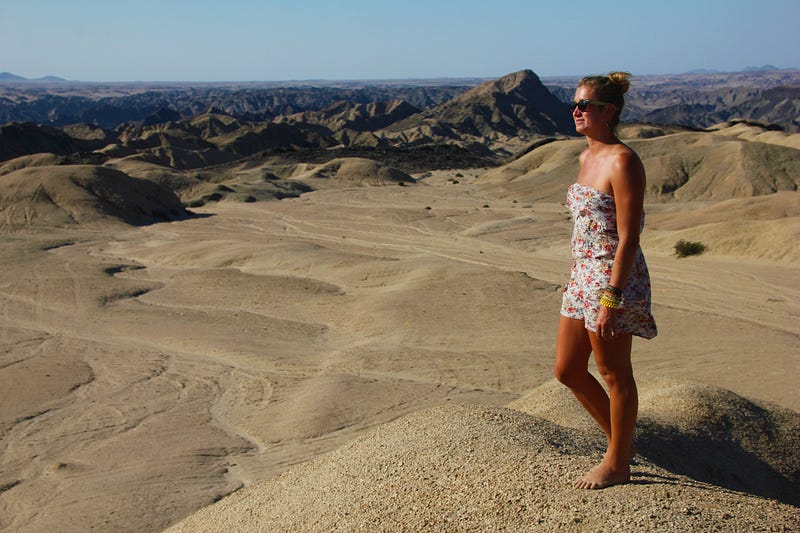
When someone mentions the word „desert“ you will think immediately of sand. Dunes. Kilometers of nothing but sand. No life. Meanwhile a desert is way more than that.
A desert can be hot and cold. And she can be made of ice, rock, salt or sand. A desert can also be moist but still dry. National Geographic divides the deserts that exist on our planet into five different categories. We do have subtropical, coastal, rain shadow, interior, and polar deserts.
“Deserts are areas that receive very little precipitation.” — National Geographic
The Namib Desert
But I am talking about a desert that they describe as a coastal desert. The Namib Desert gets influenced by the cold Benguela Current coming up from the Antarctic (which is another desert). Fog appears on a (almost) daily basis and brings moisture to the land. Apart from the fog the Namib Desert receives very little rain fall.
Living for four years in a desert taught me so much. It taught me a lot about the variety of the desert. And about it’s beauty. It taught me happiness.
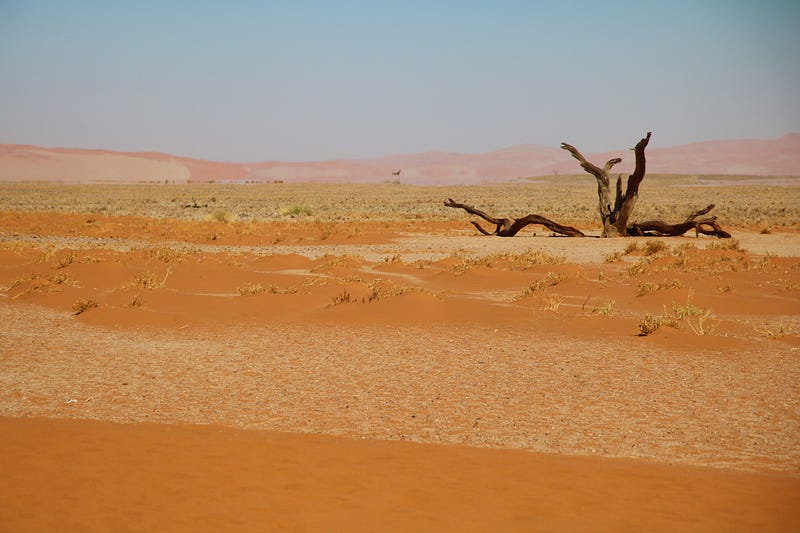
The biodiversity
A desert can be beautiful. As long as you have the right perspective onto it. Otherwise you might see nothing when looking at the desert. You can just see emptiness.
In order to get the right perspective onto it, you should experience the desert. Be prepared before going out there. Otherwise you won’t enjoy it. You’ll burn during the day and freeze at night.
You might get surprised by wildlife which you wouldn’t expect out here. There is actually a lot of life in the desert. Not only when it rains. Certain plants live all year around in these harsh conditions. They can survive years without rain.
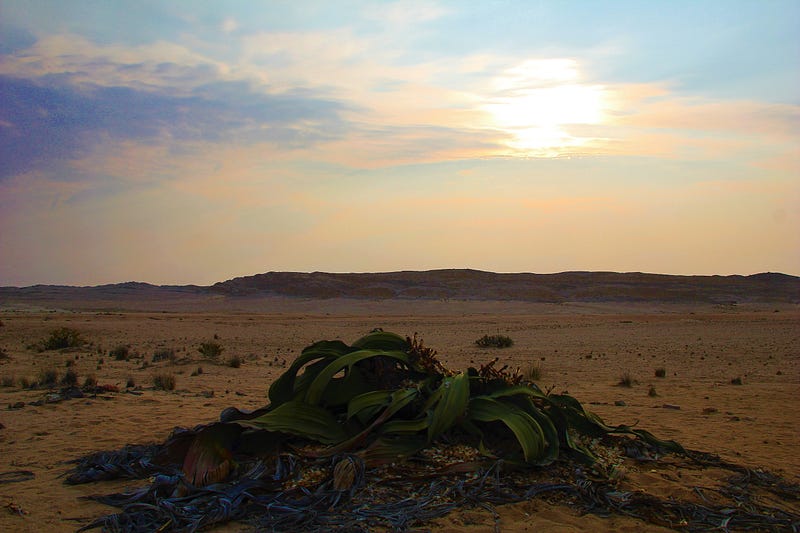
Due to adaptations we can only remain stunned about. Like the Welwitschia Mirabilis. It might not be the prettiest plant if you look at it the first time. But if you are trying to get the right perspective onto the Welwitschia (by reading up or taking a guided tour) you will find out that one plant can get up to 1500 years old. One single plant.
The Welwitschia has many other interesting features like two different types of roots in order to reach water during long droughts. To achieve such an age in this harsh environment it is a skill that I describe as beautiful.
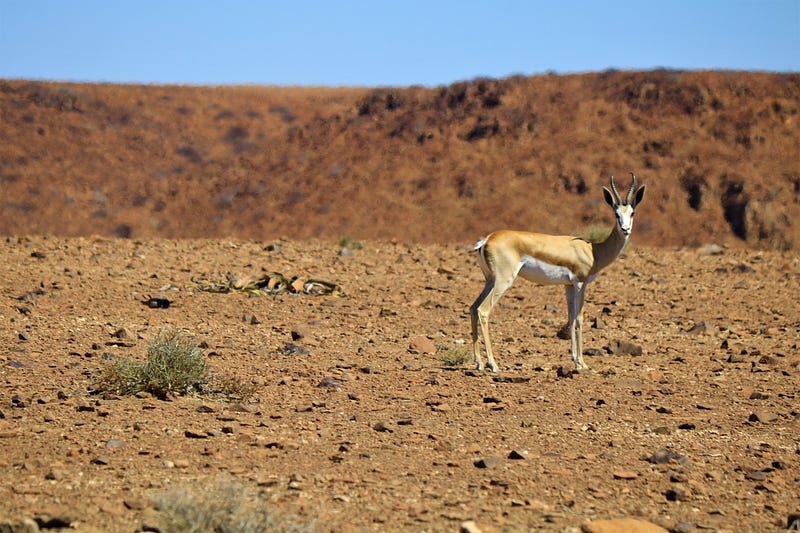
The wildlife
The same counts for the wildlife. Animals have learned over the years how to survive and even thrive in these conditions. The springboks for example can bring their body temperatures up to 41 degrees Celsius. With that ability they can survive in extreme heats without loosing water through the process of sweating.
Other animals like the camel for example can survive days without water. There are plenty of examples.
Human development
But also humans learned to survive in deserts. A lot of indigenous people are living in the various deserts on earth. Not only have they proven that humans can survive out there. They also inspired the rest of us of this environment.
A lot of civilized cities evolved in various places. Developed and high tech urban settlements have been build out of these harsh environments.
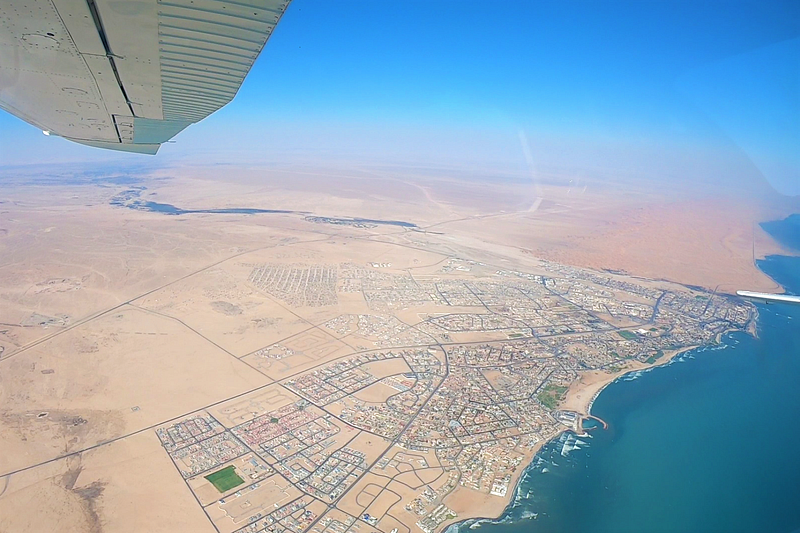
I have actually lived in one of these cities. Even tough it is a city located at the ocean. It is at the same time inside a desert. It’s a fascinating city that can show you how many activities can be done in a desert.
A desert that has sand dunes. A desert that contains a landscape looking like the surface of the moon. But also landscapes that are dominated by its vastness. A vastness of nothing aside from sand, dust, and rocks.
The process of change
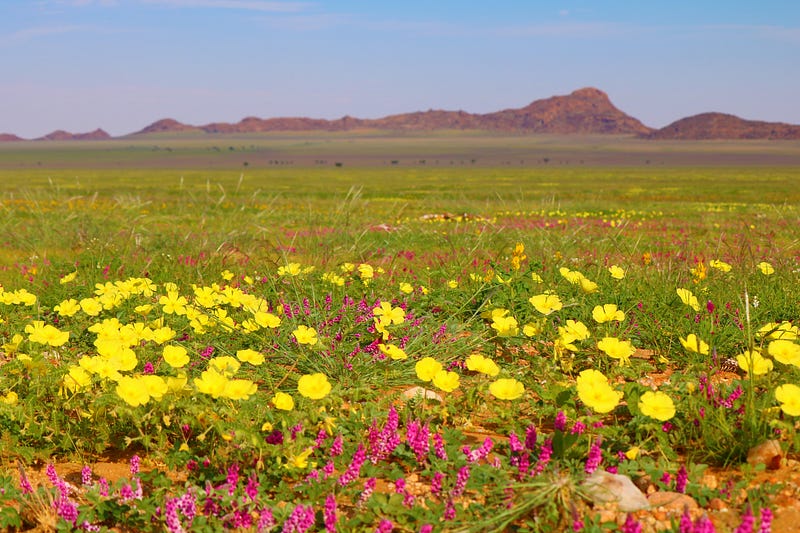
But what inspired me the most is how these landscapes can change. How they come alive when they receive a bit of rain. I’ve witnessed it with my own eyes and I have to say it is unbelievable.
Unbelievable how a place of nothing but sand can turn into a field of grass and flowers. Covered with antelopes jumping around. A landscape now filled with happiness. Seeing this made me happy. Walking through this field of flowers made me jump for joy.
Rivers
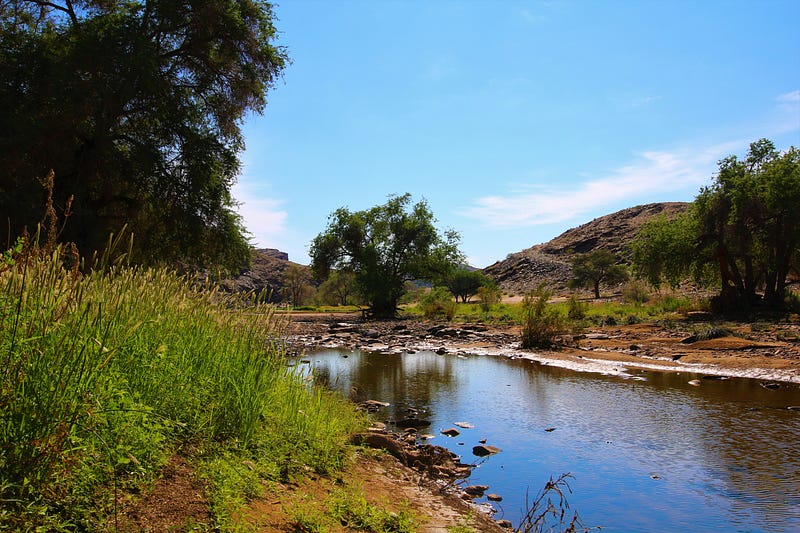
Rivers running through a desert are most days of the year dry. But when it rains at their origin and the water comes down it changes everything. It changes the emotions of the people living close to it. They get excited. They are all of a sudden happy. And so am I. They run to the river and celebrate it. They go swimming, wash their clothes in it, or simply play in the mud.
When the river dries out again it leaves a soil filled with water behind it. But since it also brought down lots of seeds the river will start blooming now. Bushes, trees, flowers and other plants start shooting out of the ground. Creating a real river of life. Animals come visit and live in it. Use it as their source of life.
After a while most of these plants and flowers will die and the river will dry out again. Leaving behind the seeds. The seeds which will wait for the next rain. They will be conserved by the heat and dry air surrounding it. Keeping the seeds hidden in its soil.
What the desert does to me (and you)
And if you’ve witnessed this phenomenon once in your life it will leave you speechless. Speechless for the beauty you experienced. And it will keep a small piece of excitement inside of you.
A small piece that is waiting for the next rain. Just like the seeds in the soil. Because you want to experience it again. Because it is just so special. So beautiful.
The desert also teaches you how little you need in life. How little you need to be happy. Because the desert itself doesn’t need much to live. It feeds its habitant with very few natural resources.
And it feeds us with an endless beauty. The beauty of the deserts on earth. Deserts that change. Deserts that are alive. Deserts that will make you happy. At least they did make me happy. And they will make you happy too. I’m pretty sure about it.
If you ever have the chance to experience it - do not hesitate!
Connect with me on Instagram or YouTube.
If you would like to read more about the Namib desert or the country of Namibia, please read these articles.


