Depression — You Are Not Alone In The Darkness
Sad people love the rain because they are no longer crying alone

There has been a change in your friend. You have noticed he looks emaciated and exhausted. As a result, he is canceling more and more joint ventures. Even the things he used to enjoy to a significant extent, such as photography, no longer interest him at all.
His withdrawal is becoming more and more pronounced. He may be expressing thoughts of helplessness, hopelessness, or guilt towards you. It’s possible that he sleeps poorly, lays brooding in bed at night, and seems constantly tense during the day. Your friend seems to be showing typical signs of depression…
— First things first
We all have days when we feel sad or disappointed, but depression has more to do with feeling sad than feeling blue.
When a person is depressed, normal activities such as work, school, and socializing can become very challenging.
This can even cause the person to lose interest in activities they once enjoyed. It can be nerve-wracking and intimidating to seek help with depression or contact a loved one about behavior changes (and if you are suffering from depression it may seem too challenging for you), but this type of mood disorder can be treated.
Families are generally eager to be there for each other. When a loved one is depressed, they often ask how they can help. I think the first thing they need to do is learn more about the disease! A person who does not understand what causes depression tends to misinterpret the changed behavior of those who are suffering from it.
Many mistakenly interpret an increasingly withdrawn loved one as being selfish or unloving. The lack of motivation of sick people may appear to be convenient at first glance. It can lead to frustration, anger, and disappointment and make the situation even more difficult for the depressed person and their family members.
— Let’s draw the profile of depression
A serious illness such as depression is very common nowadays. Every one of us probably knows someone who is currently suffering from depression — even if they remain hidden from the rest of us. It is largely due to the stigma surrounding mental illness. In the case of those affected, this often translates into feeling guilty, hiding their complaints, and finding it difficult to seek professional assistance.
The main feature of the syndrome is its depressive character, exhaustion, and loss of any joy or interest.
However, there are other symptoms as well in addition to these core symptoms. Furthermore, those suffering from depression often complain of physical complaints as well, such as back pain, ringing in the ears, and digestive problems.
It may have been rather irritating before the illness, but they may have found it tolerable before the illness. Those affected by the depressive episode suddenly feel as if they are experiencing a tremendous amount of agony. It is not unusual for them to have reported their physical and mental ailments to their general practitioners.
However, not every depressive mood is something that needs to be treated. When a person grieves for a loved one, they are also often depressed, sad and listless for a while. It is possible for a person who feels overwhelmed, or currently is going through family problems, to appear depressed to an observer. According to those who are affected, depression is different from difficult phases in life such as a divorce, separation, or even a death in the family.
It is common for people with depression to suffer from exaggerated feelings of guilt and to feel permanently tense inside, like just before an exam. It is said that when the course is severe, it is as if you were dead inside. No longer are you able to feel anything; not even grief. Psychiatrists are usually able to recognize depression based on these and other characteristics, and they can distinguish it from a reaction to difficult conditions occurring in life.
The symptoms of depression often come in flares. As they emerge — slowly, over a few weeks, less often within a couple of days or overnight — they often last for months without treatment if ignored. In some cases, they may fade away spontaneously. Many people experiencing such an illness feel healthy again between phases of the illness.
When a person has had a depressive episode, they have a higher risk of becoming ill again later in life.
If the depression progresses via several phases, one speaks of a recurrent or recurring form of depression, i.e. an illness that occurs repeatedly. It is still not fully understood how the disease develops. It is, however, currently possible to treat the condition with antidepressants and psychotherapy.
— Learning to live in such a situation
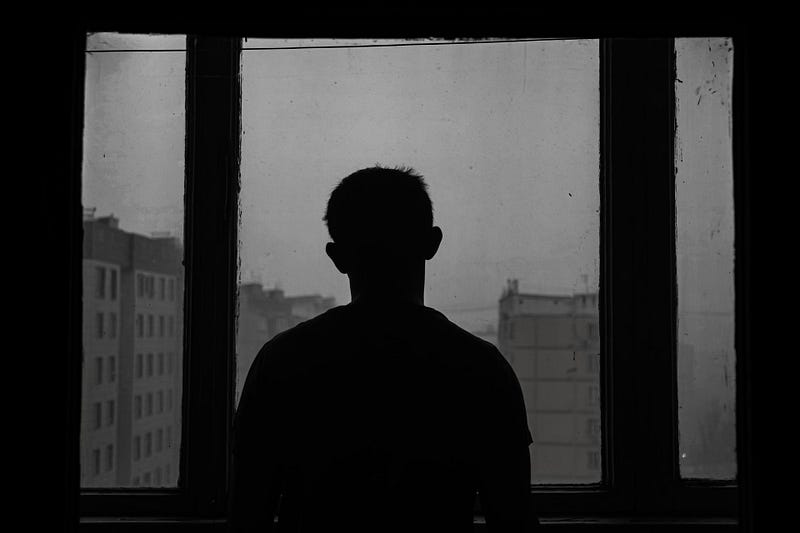
Depressive disorders have many causes and can affect anyone. There is no one to blame for the illness, not you, nor the person who is sick. It is not only stressful for those affected, but also for people in the immediate vicinity — mainly family and friends.
Depression is, without a doubt, a very serious illness and should be taken very seriously. Having a difficult time, such as losing a loved one or ending a relationship, can leave one feeling sad for a considerable period, but it’s important to note that sadness is not the same as depression.
Another misconception is that depression is caused by a sad event that has happened in the past. In addition to the chemicals in the brain, genetics, personality, and exposure to violence, neglect, abuse, or poverty, numerous other factors can also make people more prone to depression. It is not necessary that something awful had to happen to make people feel this way.
— How relatives can help
“I found that with depression, one of the most important things you could realize is that you’re not alone” — Dwayne Johnson
A well-informed person will be able to comprehend why a sick person thinks and acts the way they do. Furthermore, they also recognize that depression cannot be overcome solely by the power of willpower alone. In this regard, it is not helpful to tell those affected to simply relax, switch off, or take a vacation to solve the problem.
It is often the case that the sick person finds it even more painful when they are in a strange environment. You can encourage your relatives to become more active again. It is, unfortunately, true that some demands — such as “pull yourself together” or “hold your head up” — are simply not able to be fulfilled by a person suffering from depression.
You might feel frustrated, anxious, or even helpless as you watch a loved one cope with difficult feelings while suffering from depression. You may feel confused or overwhelmed by a loved one’s depression, but there are steps you can take to support them while also caring for your well-being.
- Be there to Listen without Judgment — Acknowledging that someone is depressed and letting them know that you are there for them can make all the difference in the world. Please help them through this. You need to make sure they know you understand that depression isn’t their fault.
- Educate Yourself — Even though you cannot prevent someone else from being depressed, you can effectively tackle their condition by educating yourself, confronting stigma, and providing valuable information and resource.
- You should be patient — after experiencing depression, some people are more likely to experience it again in the future. Keep in mind that a person who appears to be doing well or has appeared to get over a mental illness does not mean that they will never be able to return to their previous state.
- Encourage activities — For people with depression, there is nothing more essential than a strong social support network. Make sure you respect the boundaries of your loved ones, but also invite them to join you in daily activities like walks, game nights, or trips to the cafe so that they can feel comfortable and know that you are available if they need you.
- Another easy way for you to help someone with depression is to take some of the burdens off their shoulders by taking care of their everyday chores. It could be something as simple as taking care of their dog or doing their dishes once in a while. For someone who has a hard time even getting out of bed on some days, even doing the everyday chores can be a challenge. This is why small gestures of support can mean the most to them.
- Establishing healthy boundaries — Being a caregiver for someone suffering from a mood disorder can be exhausting at times. Make sure you take some time out to meet your mental health and wellbeing needs.
- It is always a good idea to seek professional help — Psychiatrists such as therapists, counselors, and peer specialists can offer a wide range of treatments because they can help you meet your specific needs. Make sure that your loved one seeks professional help if they are experiencing many signs of depression.
Your family doctor is often the first point of contact in this regard. The doctor can confirm whether or not there is a mental illness or not. The important thing is that during a conversation with him, not only physical symptoms such as pain, sleep disorders, and digestive problems are discussed, but also psychological ones such as guilt, hopelessness, or thoughts of suicide.
There are times when a family doctor can prescribe medications such as antidepressants if necessary. In many cases, going directly to a specialist in mental illness, such as a psychiatrist or neurologist, is the right thing to do. Children and adolescents under the age of 18 should consult a child and adolescent psychiatrist as an appropriate specialist.
Psychotherapy is also one of the most effective treatment options for depression, along with medication. These treatments are provided by specialist doctors as well as psychological psychotherapists. During the initial consultation with the patient, the therapist determines whether psychotherapy is appropriate for the patient. Similar to doctors, psychological psychotherapists can bill their patients’ health insurance companies for their treatment. Referrals from a family doctor are not required in this regard.
Because depression is accompanied by feelings of exhaustion and hopelessness, some people who are affected feel unable to seek help themselves. It is not uncommon for them to mistakenly blame themselves for how they feel. The result is that they view a visit to the doctor as pointless, or they feel ashamed to do so. A relative or friend can lend a hand in this situation. Help arrange appointments with a health care professional and a psychotherapist and encourage the patient to attend these appointments. Later on, they will be able to carry out the treatment consistently with your support.
— Friends and foes
“Why am I feeling bad and how did it come to this?”
This is probably the most common question sick people ask themselves. People generally see depression as a reaction to difficult circumstances in their lives: events of fate, excessive demands, partnership conflicts, lost relationships, loneliness, or physical ailments easily become the “cause” in their heads.
People who are affected by depression often believe that they know why they are depressed. Nevertheless, this is not infrequently a fallacy, since the influence of external loads is frequently overestimated. Depressive states tend to magnify existing difficulties to the point where they become the essence of life. We all experience troubles at some point in our lives, whether we are well or sick. However, there is also the possibility that certain triggers may simply precede the disease by accident.
In some cases, those who look for the wrong culprit — in a work setting or a personal relationship — may make decisions they later regret. Thus, psychiatrists advise those amid a depressive episode to wait until the episode has subsided before making any major changes.
Rather than rushing to find simple explanations, or blaming themselves, relatives should be cautious and avoid blaming themselves.
A person with depression has an underlying disease that goes much deeper than a reaction to difficult circumstances.
Depression is caused by an interplay of several factors. In general, those who fall ill usually have a predisposition to falling ill in the first place. As a result of early childhood trauma and abuse experiences, some people inherit or develop the disorder from their parents. There is a two to three times greater chance that you will develop depression if you have a close relative who is depressed.
Advising those affected to just relax, switch off, or go on vacation does not help the situation at all. Depression always follows you wherever you go.
It is important to stand by and support those suffering from depression. Friends and family can also be supportive of the depressed person. In any case, relatives are not responsible for their recovery. Love and affection do not replace medical treatment when it comes to recovery. To recover from depression, one must receive appropriate treatment. Specialized medical personnel, e.g. doctors and psychologists, can provide these services.
As with any serious ailment, depression also hurts the environment in which it is experienced. A loved one who is constantly worried and feeling helpless will likely end up becoming overwhelmed by their emotions. If they want to prevent this from happening, they would be wise to keep social contacts and do something that they enjoy regularly: for example, having breakfast with friends or going on vacation with the family.
Seeking additional support can sometimes be helpful in these circumstances, as well. It is through this association that the self-help groups for relatives are organized, among other things. In addition to that, these groups provide a unique opportunity to exchange ideas with other people who are going through the same thing as you. There has been a lack of scientific research so far as to the extent to which the affected person helps.
It is not easy for friends and family members to cope with a depressed person. If they are healthy, those affected are often very helpful and responsible, and they are almost impossible to recognize. Many people fall into worry and despair during the illness phase. Others withdraw and become silent as a result.
Remember that depressive episodes are usually treatable and tend to go away within a few weeks. Whenever possible, remain confident and don’t try to talk the person out of their worries and fears. In addition, you should not dismiss physical complaints such as back pain or ringing in the ears as being “only psychological”. The majority of the time these complaints are real. There are sometimes when the depression can make it so bad that it seems almost unbearable for those who are suffering from it.
— Never give up on them

The most important thing is not to give up on them. It can help a sick relative a lot if you reassure them that you are there by their side, even if they seem dismissive to you. When a loved one is suffering and refuses to seek professional help, caregivers are particularly upset. When this occurs, all you can do is encourage them to seek help and assist them on their way to the doctor. You must contact the emergency doctor if you fear that a person’s life is in danger.
Amid all the stress that depression brings to relatives, one thing is, perhaps, comforting: the vast majority of those affected by depression recover from it with the right treatment. The risk of relapse is also decreased when the disease is properly treated. Even though certain marriages may break up as a result of the disease, other couples have an even stronger bond as a result of it.
The thing to remember is that people with depression sometimes refuse to engage with anyone at all, and they can be dismissive of others. It can be hard to understand and can be hurtful to those who are trying to help. Despite this, those who are depressed are not acting in bad faith, but they could not act differently at that moment. People who understand this fact and do not take it personally when they are rejected will have an easier time coping with the rejection. Leaving someone in need behind would be the worst possible reaction.