Depression patients want to hear this
Depression is a sensitive matter, and sometimes you accidentally say the wrong things.

Depression is the world’s most widespread mental illness. It affects over 17.3 million adults in the US alone, and thousands of new cases each year, and many go unnoticed and undiagnosed. Sometimes whatever your intentions might be, it can be easy to end up saying the wrong things and making them feel worse.
Well-intentioned remarks can be misconceived as something hurtful. It is crucial to know how to be careful with the words you use. Your loved ones need your love and support and make sure you give that to them. Don’t make them feel worse and make sure to deliver the right message: That you are there for them.
Tell them you care about them and that you are here for them.
Depression is overwhelming, and it consumes someone, making them hide themselves away from others. They feel the loneliest and feel like there is no one they can talk to, and that is where you can help. They must have someone to talk to and someone that supports them. Let them know they are not alone, tell them that you will always be available for them.
Listening to them and being there for them to talk to is essential and can do a lot of good. Being there listening to them can lift some of their pain and suffering off. Be sympathetic and have an open mind, and be attentive and compassionate, and try to better understand their inner conflict.
“I’ll stand by you no matter how bad it might get.” One of the most harmful symptoms of depression is feeling worthless and having suicidal tendencies. So it is important to let them know that they are loved no matter what. They may feel sad constantly and feel insignificant, but you need to be there for them and let them know that you care.
This isn’t limited to words, if you just cannot find the right words, a simple act of hugging them, or holding their hand can show immense gratification. This shows them how much you care about them and is needed by most depression patients. Knowing people care can remind them that they matter.
Depression can make you feel more alone than ever, and people suffering need to have a reliable support system. The last thing you want is for them to suffer in silence. Let them know they aren’t alone.
Ask them if they’ve sought professional help.
With the social stigma revolving around mental illnesses, many may feel ashamed and scared to talk to a psychologist. However, according to the National Institution of Mental Health (2017) up to 80% of patients seeking treatment see improvement within 4–6 weeks. In many casing psychotherapy and medication is required to better.
One of the best things for you to do is help them seek professional assistance. However you never want to force it upon them, that is going to make them resent you, and make it harder for them to open up again. It might be hard seeing them refuse treatment, but going against their will can worsen the issue.
Sometimes just slowly push them towards that direction, let them know that you want them to get treatment, and let them know that it is best for them.
Care and Hope
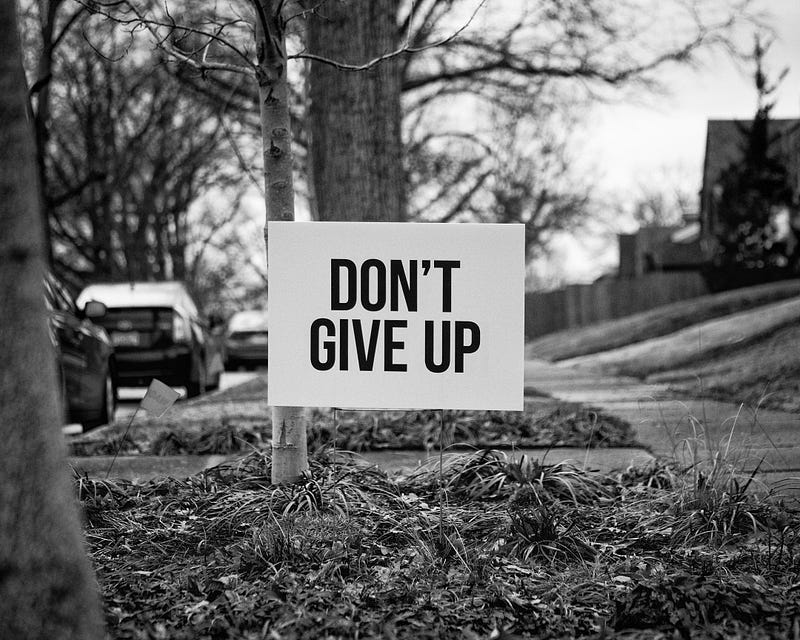
Depression is real and is a serious mental illness. But the chances of a successful recovery is quite high. Make sure you remind them to never lose hope. There may be days where they feel like they have overcome the issue, only to fall back in a few days. Don’t give up on them and don’t let them give up on themselves.
“You look fine” or “You look pretty okay to me” may sound like a complement or sending hope to them. But it can be seen as you invalidating their struggles. It can make them feel like you don’t understand and makes them feel like they can’t trust you.
Never say “you’re not trying hard enough.”
Many probably believe that it’s uncommon and common-sense to not say these things. “Work harder” or “You need to try harder” or “You’re just not doing this right”. These make them feel like you don’t understand how hard it is to be depressed. You shouldn’t tell them that they are “Overreacting” or “Making a big deal out of nothing”. It discourages them to improve.
You may think happiness is a choice and it’s something you can just turn on and off. But depression is most definitely not just a switch that can be turned off. Sometimes it’s out of a person’s control. Genetics, childhood trauma, and chemical imbalance. Make sure you don’t blame them and let them know it’s okay.
We might not see, but mental illness is just as serious as physical illness but because of all the stigma revolving around it, it seem like a weakness. A book, “Depression: The misunderstood illness” by Dr. Lesley Lim (2008) suggest that depression is the most problematic and misunderstood mental illness of them all. Depression isn’t just occasional sadness through times of grief.
When you tell someone that’s depressed that they have no reason to be depressed, that just makes you seem unsympathetic. Though your intentions may be to help them understand what they have, it can come off as you telling them that they’re ungrateful.
Tell them it’s ok, and that you would help them
The last thing you want to say is why? Don’t ask them why they are depressed or what they have that makes them depressed. Instead, acknowledge their struggles and let them know it’s okay. Let them know that they can feel this way and it’s not their fault.
Rather than invalidating their feelings and in a misguided attempt to cheer them up. Be their safe space and allow them to speak their mind without the fear of being judged.
More often then not depression drains us of happiness. Mentally, physically and emotionally exhausted. So it makes a big difference for them to have someone to talk to and someone they can ask for help without fear of judgment.
Check-in on them from time to time and help them with the little things. Keep them company while they walk their dog, or have lunch together. The small acts of kindness can make a massive difference in the world of someone suffering from depression.
Never underestimate a supportive chat or a comforting gesture. But also make sure you say the right things. Even a friendly good morning text can give them a reason to get out of bed. Say something positive. Give them hope for a better chance and let them know you still care no matter what.